Lo que se hizo en Zapopan merece reconocimiento. Más de 250 mujeres de Etzatlán tejieron una obra monumental que hoy luce rumbo al Mundial 2026. Trabajo, talento, identidad y tradición mexicana. Quedó espectacular. Felicidades a quienes hicieron posible este proyecto.
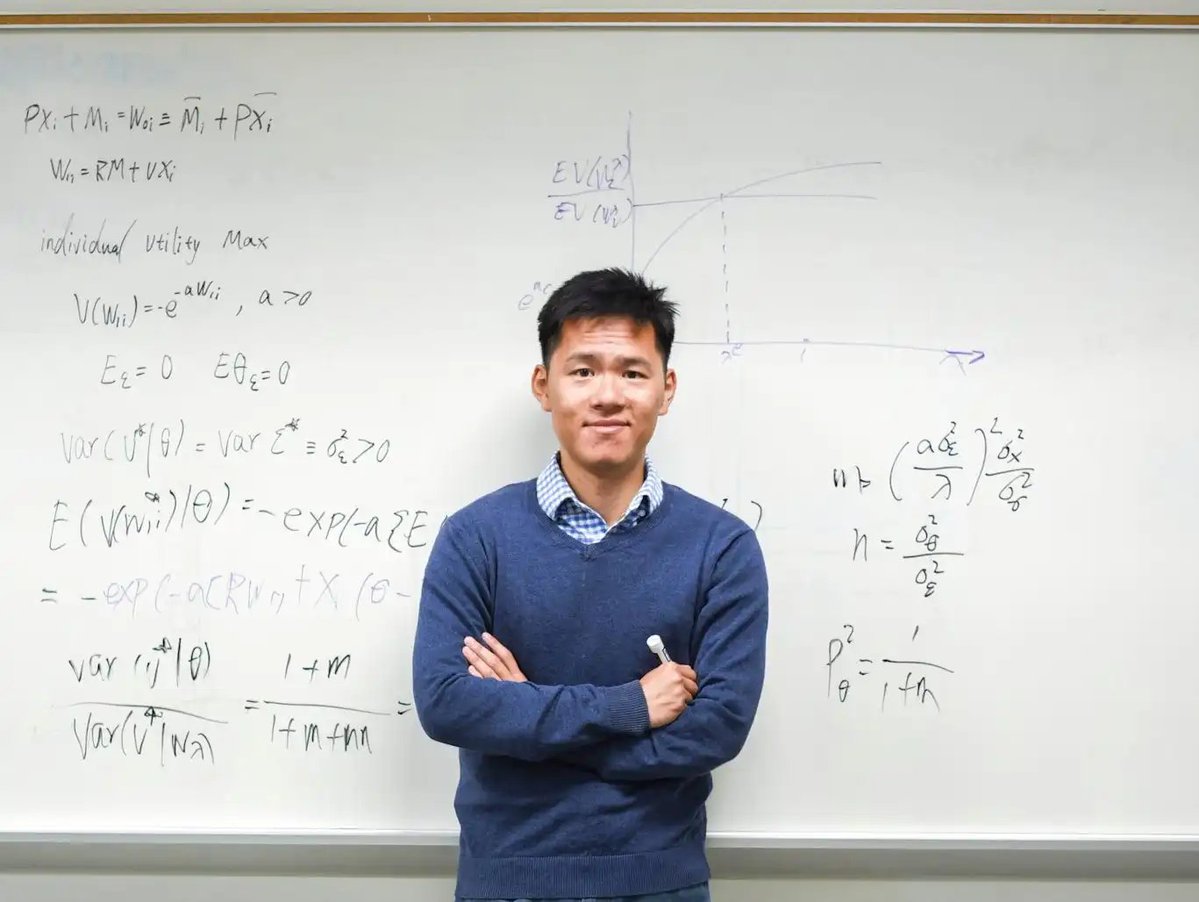
A Oxford PhD student got flagged for submitting AI-generated work.
His advisor called it the most sophisticated research process he had seen in 20 years.
The student had not used AI to write a single word.
Here is the workflow that got him reported.
He starts every essay with a diagnostic he calls brutal. He dumps his rough argument into Claude and asks one question: what are the three weakest logical jumps in this reasoning, and where would a hostile examiner attack first? The AI does not write his essay. It destroys his draft, and then he rebuilds from whatever survives.
Most students using AI are doing the opposite. They hand Claude a topic and ask it to write. He hands Claude his thinking and asks it to find every place where that thinking falls apart. The difference between those two approaches is the difference between outsourcing your brain and sharpening it.
The second step is the one that made his advisor go quiet. He uploads the five most important papers in his field alongside his draft and asks Claude what claims in his argument contradict or oversimplify what these authors actually found. Most PhD students cite papers they have skimmed once. He cites papers he has been forced to genuinely reckon with, because Claude keeps catching the places where he got them wrong.
The final move is almost unfair. Before he submits anything, he pastes his conclusion and runs one more prompt. He asks what a philosopher of science would say is missing from this argument and what assumptions he is making that he has not defended. His essays come back from reviewers with phrases like unusually rigorous and demonstrates rare critical depth, and his committee has no idea that the depth came from a machine asking him harder questions than any human in his department was willing to ask.
The academic integrity hearing lasted three hours. The panel asked him to rebuild his methodology from scratch in the room. He opened his laptop and showed them exactly how the workflow ran, prompt by prompt. They did not just clear him. They gave him the highest grade in the department's history and asked him to present the process to faculty.
Here is what that story actually means. What took most PhD candidates six months of back-and-forth with advisors, he was compressing into a single session because he had figured out something almost nobody else has. AI does not make your thinking better by replacing it. It makes your thinking better by attacking it faster than any human critic ever would.
He was not using AI to write. He was using it to think harder than he could alone.
The tool is the same one everyone has. The workflow is the part nobody is teaching.
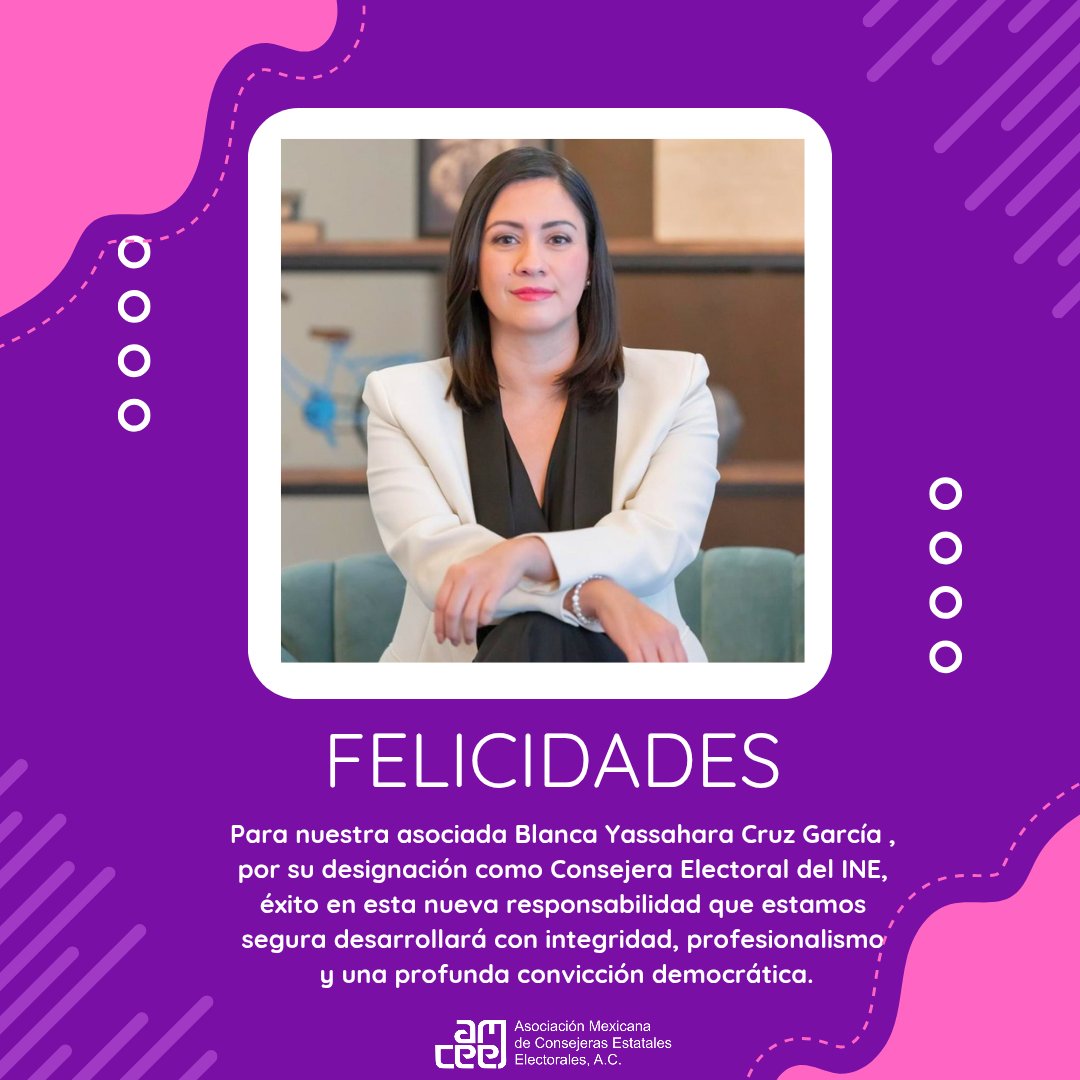
Hoy celebramos con gran orgullo la reciente designación de nuestra asociada Blanca Yassahara Cruz García 👏🏻 como Consejera Electoral del @INEMexico, este logro es reflejo de su compromiso, preparación y vocación por el servicio público.
🧵👇🏻
AL INE…SIN EXPERIENCIA de Érika Hernández vía Reforma
Describe con gran precisión:
👉de dónde vienen los 405 aspirantes
👉las fichas de la 4T en este proceso, ¡OJO!
👉en lo local
👉los que cargan militancia
👉de medios, abogados y activistas
👉La cargada
👉y los ex INE, ¡OJO!
El Tribunal Constitucional alemán goza de alta consideración entre la jurisprudencia constitucional comparada. Sin embargo, dadas las dificultades idiomáticas, no resulta fácil acceder a su jurisprudencia. En este trabajo que publica la Konrad-Adenauer-Stiftung, pueden encontrar una recopilación de sus principales decisiones extractadas en español. No dejen de aprovecharlo: https://t.co/00CYBUCeNQ