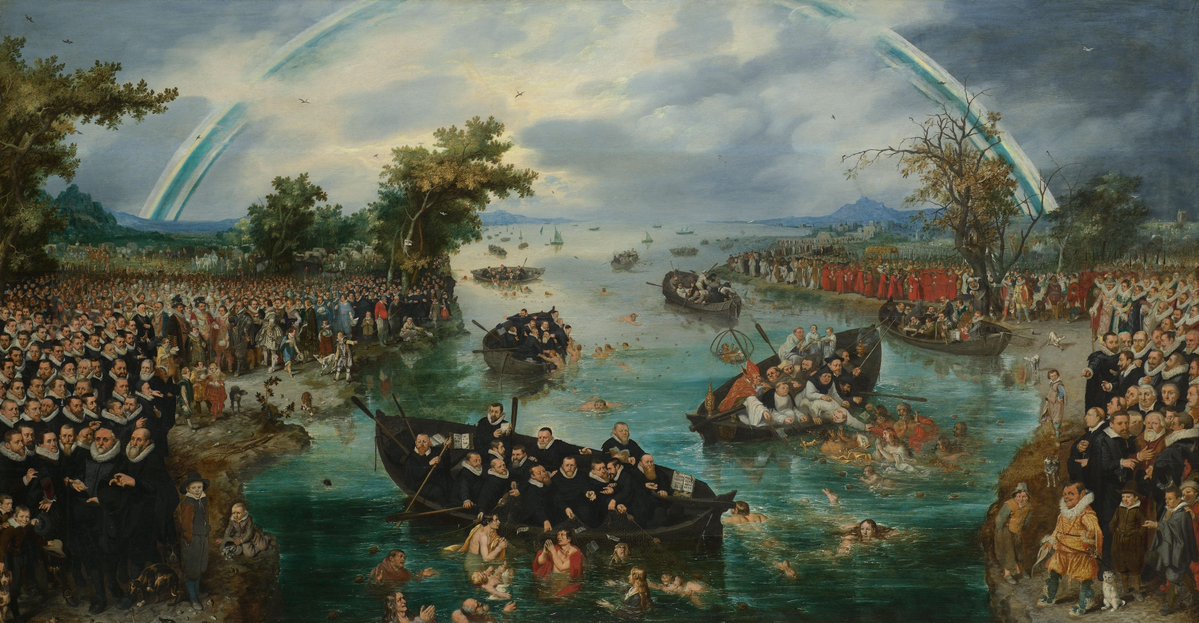
In 1550, naming your son "Matthias" in Germany meant nothing.
By 1650, it marked you as Catholic.
How do arbitrary symbols become identity markers—common knowledge that organizes group boundaries?
My JMP studies this in the Protestant Reformation. 🧵
The 4th edition of the Uppsala Econ History Workshop is over. As usual, fantastic presentations and a great keynote too! Thanks to all participants and see you next year
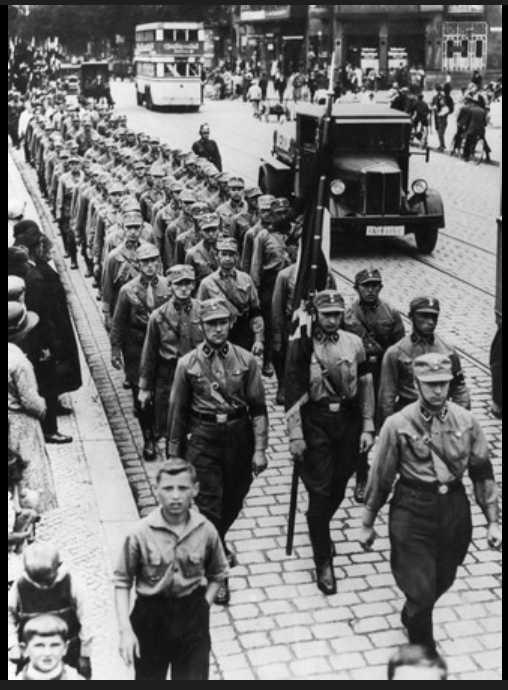
Now forthcoming in @JEEA_News - "Going Viral" (with @dyanagizawa, @brunocaprettini, @mcaesmann). We use ultra-granular data on local polling boths and marching routes to show that in 1932 Hamburg, people who saw a Nazi march *massively* swung to the party. Black line= march.
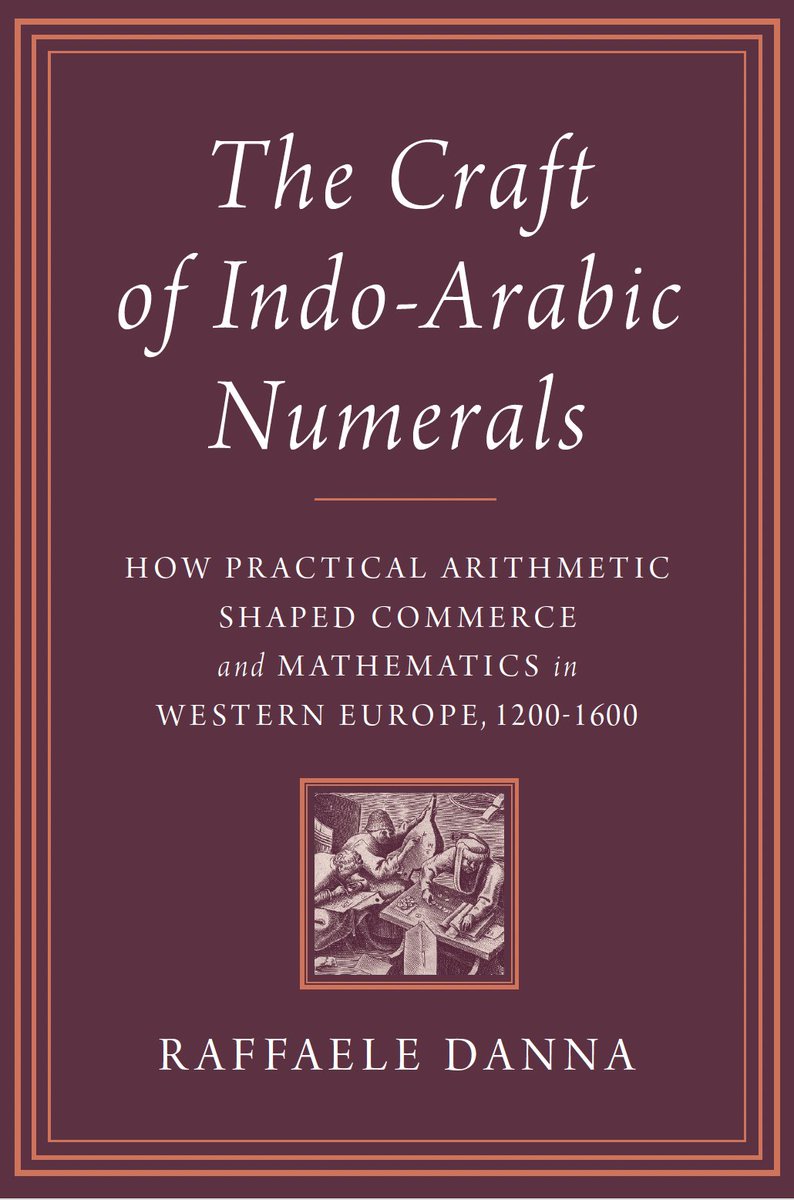
I'm very happy to share that my first book is coming out with @Harvard_Press. It is a hybrid of history of science and economic history, and traces the emergence of practical mathematics since the dawn of European commercial capitalism...
https://t.co/VOYWLY2lcM
Come and work for me in beautiful Zurich! Hiring for pre-doc positions is open. Details here: Long hours, hard work, tough tasks guaranteed. https://t.co/cVcdJE24j5
1/7 After working on the economics of culture for more than 20 years, Luigi Guiso, Paola @paola_sapienza, and I have written our perspective on the field for the new volume of the Handbook of Culture and Economic Behavior. https://t.co/KO5PLDBShL
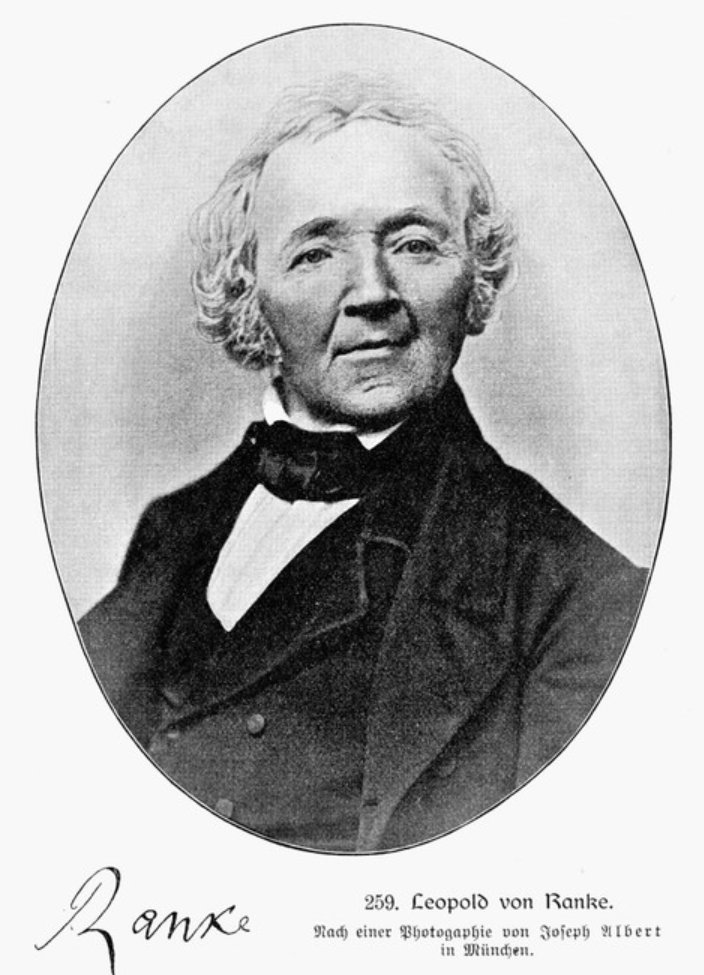
How did people in 1913 see the world? How did they think about the future? We trained LLMs exclusively on pre-1913 texts—no Wikipedia, no 20/20. The model literally doesn't know WWI happened. Announcing the Ranke-4B family of models. Coming soon: https://t.co/KOjbdLlH3S
Can political marches, demonstrations, confrontations lead to political polarization? Together with @MarcelCaesmann (on the market this year!) @YanagizawaD@brunocaprettini , we examined ultra-granular data from 1932 Hamburg. There, we know where the Nazis staged marches,
UZH PhD student Haoyuan Zeng - on the market this year - just received a revise+resubmit for his JMP from the **Journal of Political Economy**. Congrats, Haoyuan! (and his advisor Marek Pycia) Recruiters - you can still buy! Last orders! Going... going... #econtwitter
In 1550, naming your son "Matthias" in Germany meant nothing.
By 1650, it marked you as Catholic.
How do arbitrary symbols become identity markers—common knowledge that organizes group boundaries?
My JMP studies this in the Protestant Reformation. 🧵
In 1550, naming your son "Matthias" in Germany meant nothing.
By 1650, it marked you as Catholic.
How do arbitrary symbols become identity markers—common knowledge that organizes group boundaries?
My JMP studies this in the Protestant Reformation. 🧵
Excited to be on the #EconJobMarket!
I study a classic trade-off: exploiting information vs. preserving secrecy.
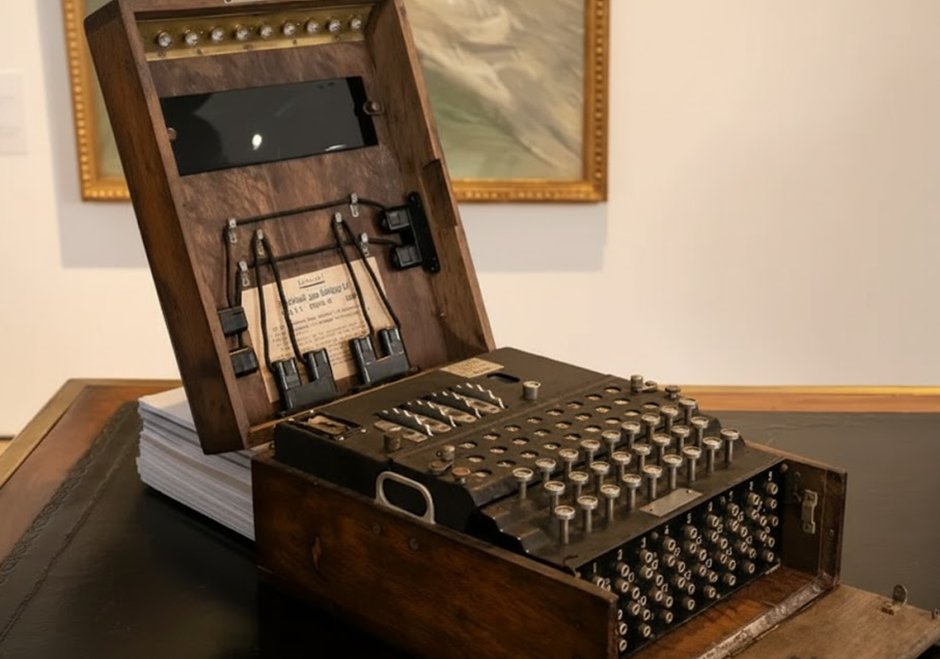
The setting: the Allied breaking of Nazi Enigma codes in WW2.
Curious? Thread below. 👇