60,000 African penguins starved to death after sardine numbers collapsed as humans take all their food and leave them to starve
https://t.co/629ihE2tKV
Chinese fishing firm Kaichuang reports nearly 200% increase in krill catch in Antarctica
with profits jumping 270%
Absolutely disgusting they are taking essential food from the whales and penguins and leaving them to starve
Krill also play a vital role in regulating the global climate by helping store carbon deep in ocean.
https://t.co/rK0cFllEie
Calling all U.S. libraries!
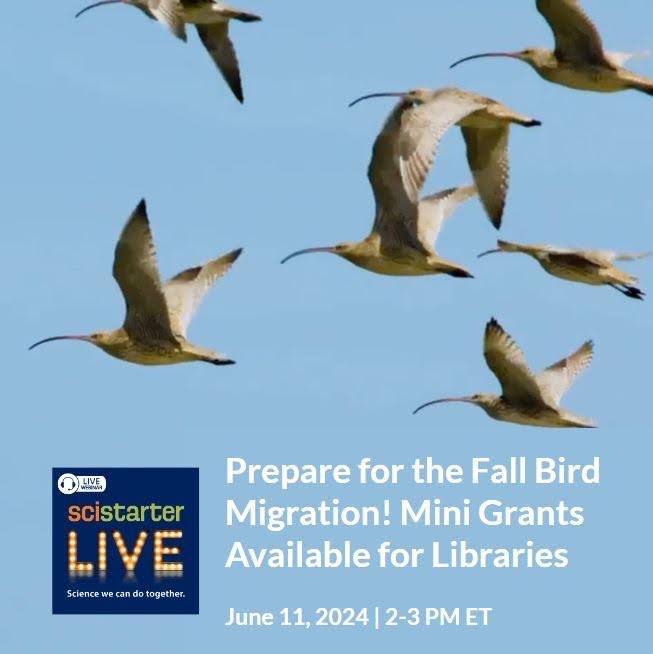
Shorebirds embark on epic migrations each year along ancient, often uncharted routes called Flyways. Over 200 species, including Far Eastern Curlews, Lesser Yellowlegs, Red Knots, and Hudsonian Godwits, travel from the southern hemisphere to the Arctic and back, flying non-stop for up to nine days without food or water.
However, these bird populations are plummeting due to climate change and urban development. “Flyways,” a new documentary, explores a global conservation effort led by bird experts and citizen scientists working to understand and protect these migratory shorebirds.
@TangledBankHHMI (the team behind “Flyways”) has partnered with SciStarter to inspire worldwide participation in bird-related citizen science ahead of the fall migration.
Register to join a free webinar on June 11 at 2 PM ET to learn more about “Flyways” and how to apply for a grant to support related programming at your library this fall. Grants can be used to host a screening of “Flyways” and support bird-related citizen science programming during the fall bird migration.
Mini grants are restricted to United States libraries, but communities around the world are encouraged to join the bird population monitoring and citizen science movement!
Register for the free webinar to learn more. https://t.co/iFl7rSjAwd
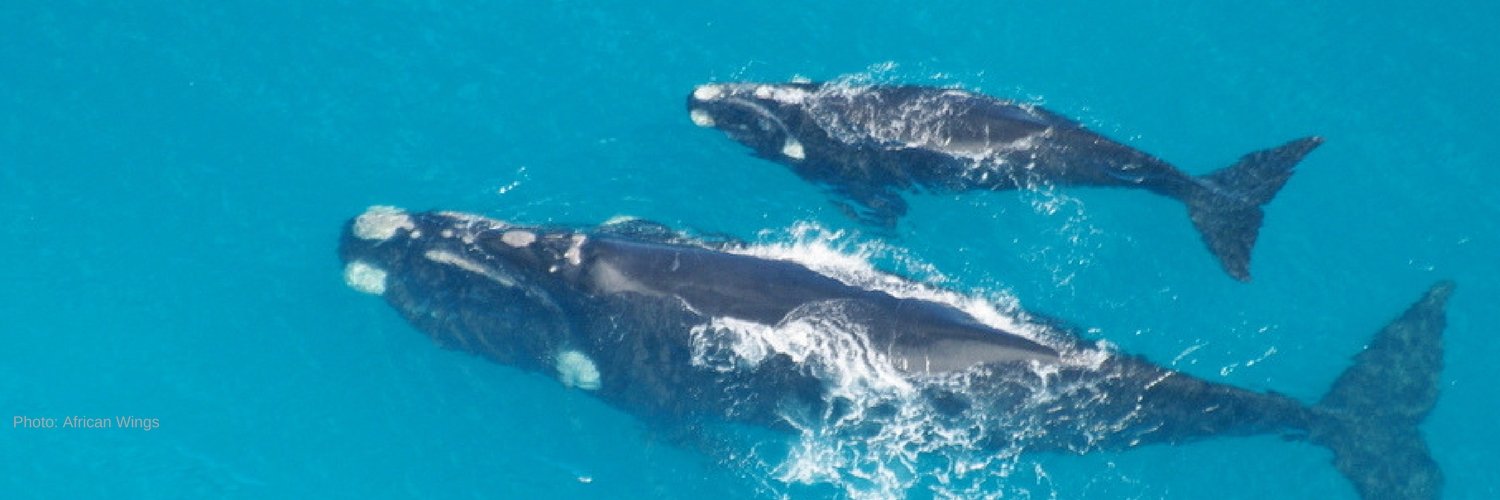
Winter's here in South Africa! 🇿🇦 Planning a June visit? It's the perfect time to spot whales as the whale-watching season begins. These majestic creatures migrate from Antarctica to our shores, offering unforgettable sightings. 🐳
🎥 Video by @tommiebecksa
Where flying birds have much lighter, air-filled bones to keep them airborne, penguins' bones are dense and heavy 🐧 This allows them to stay buoyant in the water (their natural habitat) but prevents them from flying. 🌊
#twooceansaquarium#penguin#AfricanPenguin#NotOnOurWatch
#AfricanPenguins are fiercely protective of their offspring 🐧
As you can see, this pair are twisting their heads in warning to the person behind the camera, essentially telling them to back off! ❌
📹: Saving Penguins
#twooceansaquarium#noow#notonourwatch
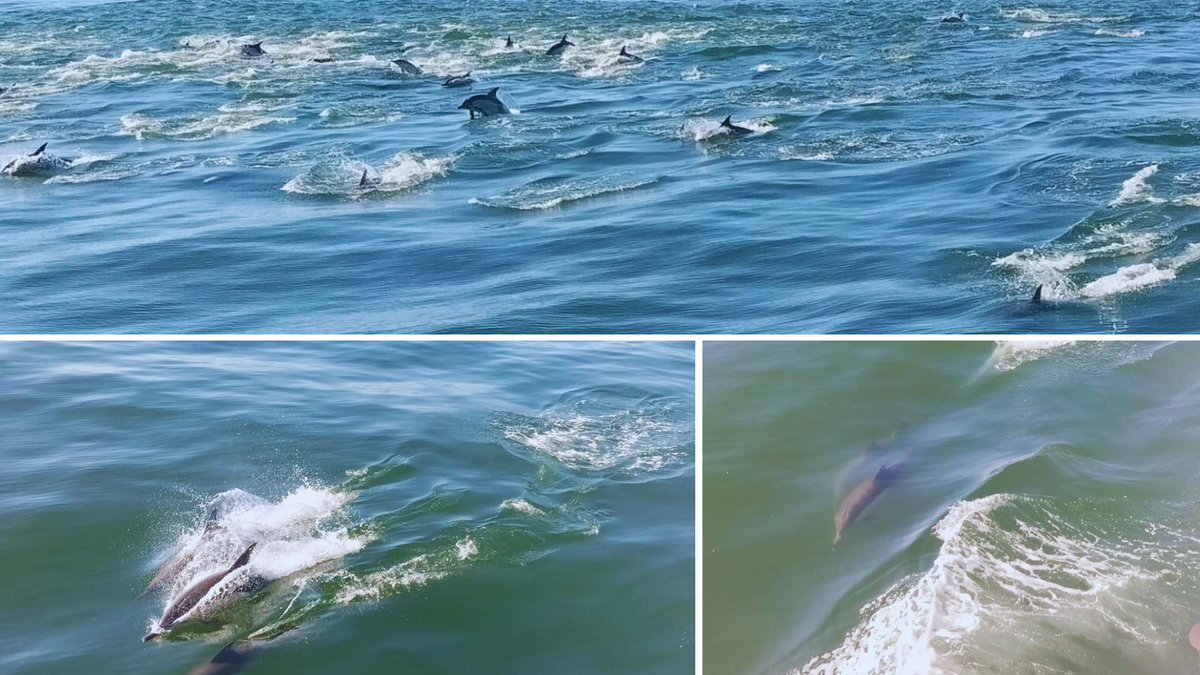
Common dolphins are social and often form groups called pods varying from only a few to hundreds.
These pods can be noisy communicating with clicks, whistles & body language
Being carnivores they feed on fish & squid & locate prey using echolocation -a biological sonar system
Happy #WorldWhaleDay 🎉🐳
This year we invite you to help #whales ⤵🧵
🗑 Participate in a beach clean-up!
🌡 Tell your government representative to support efforts to #EndFossilFuels.
🌊 Get involved and join a conservation organization.
💙 Like and share this post.
#WorldWhaleDay 🐳 is coming up this Sunday 🎉 and we are excited to celebrate!
#MarineProtectedAreas shelter #ocean 🌊 life and habitats so marine wildlife, like #whales, can recover from the impacts of pollution and overfishing. Stay tuned! We'll be sharing content all week!
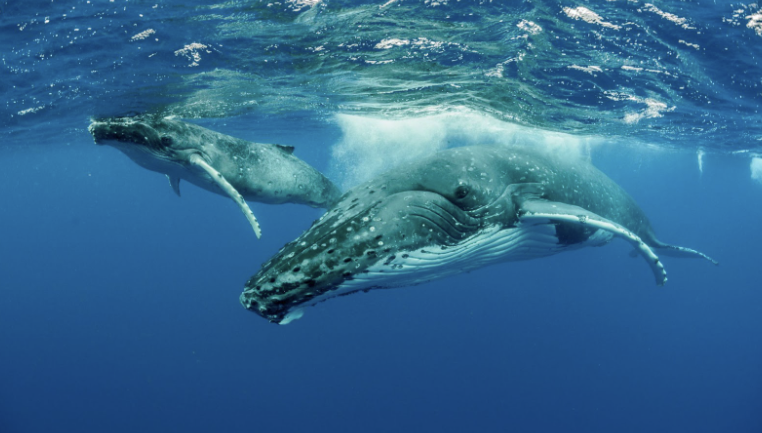
Whales are extremely sensitive to human activity in our ocean. As we approach #WorldWhaleDay, take action to make our ocean safer for these majestic creatures! 🐋
ACT NOW ➡️ https://t.co/VTvUSeK2wH
#HighSeas MPAs are vital bridges for improving ecological connectivity across the vast open ocean and safeguarding migratory routes 🌎
Nature knows no borders. Neither should our efforts to protect it
👉 https://t.co/U4da3x4KHo
#HighSeasTreaty#CMSCOP14
"How much of your heart do you want to protect? We really need to think about the world, the ocean, and nature as our life support system and do everything we can to protect it. It underwrites our economy, our security, our health—our very existence." @SylviaEarle
📸Yvette Lee
The high seas cover 2/3 of our ocean, and are home to:
🐟Bountiful fisheries
🐋Migratory routes for animals like whales and sharks
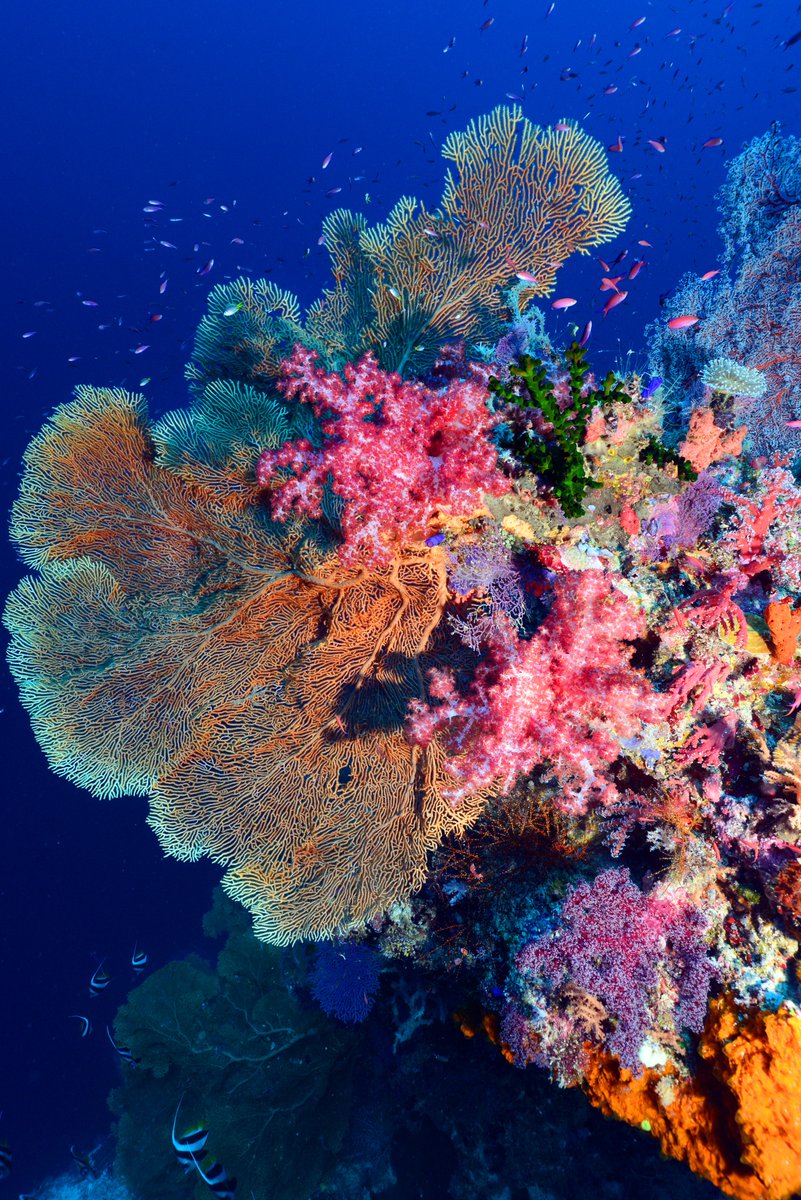
🪸Remarkable ecosystems, like deep-sea corals
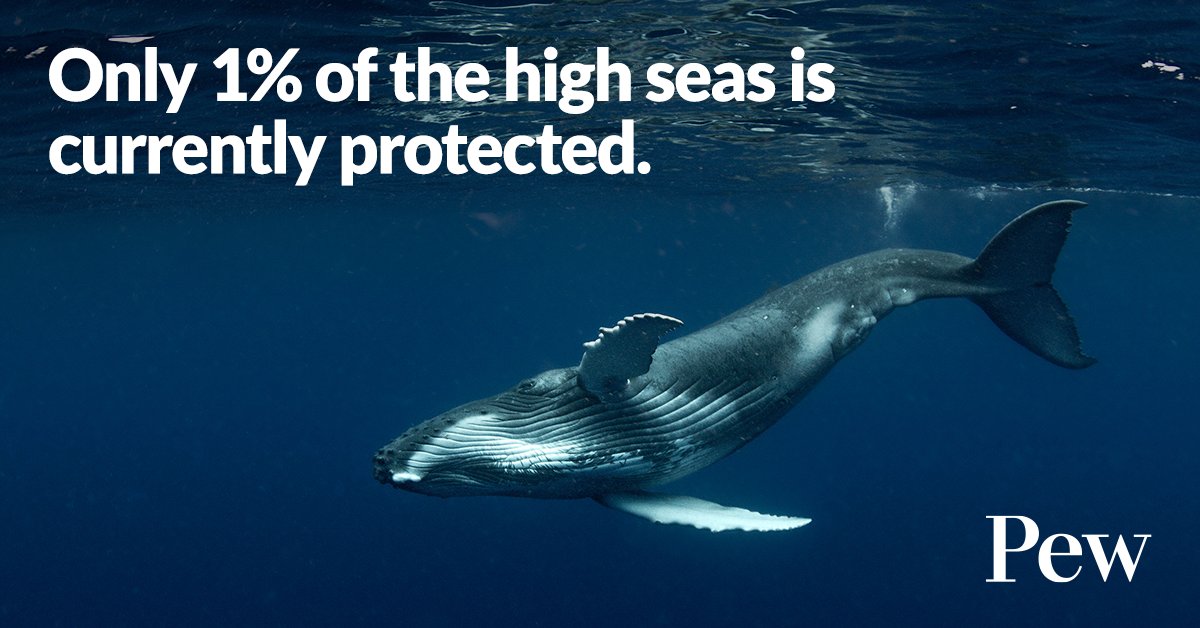
Only 1% of the #HighSeas are currently protected—but what if it were more? https://t.co/oqvzslqLhk