@el_pais Y continúa la cruzada de @el_pais en contra de que los hombres hagamos ejercicio.
Me cuesta mucho entender los motivos detrás de esta propaganda, pero cada x meses aparece un artículo escaso de foco y de fuentes para desacreditar que un hombre en 2026 se cuide. Alucinante.
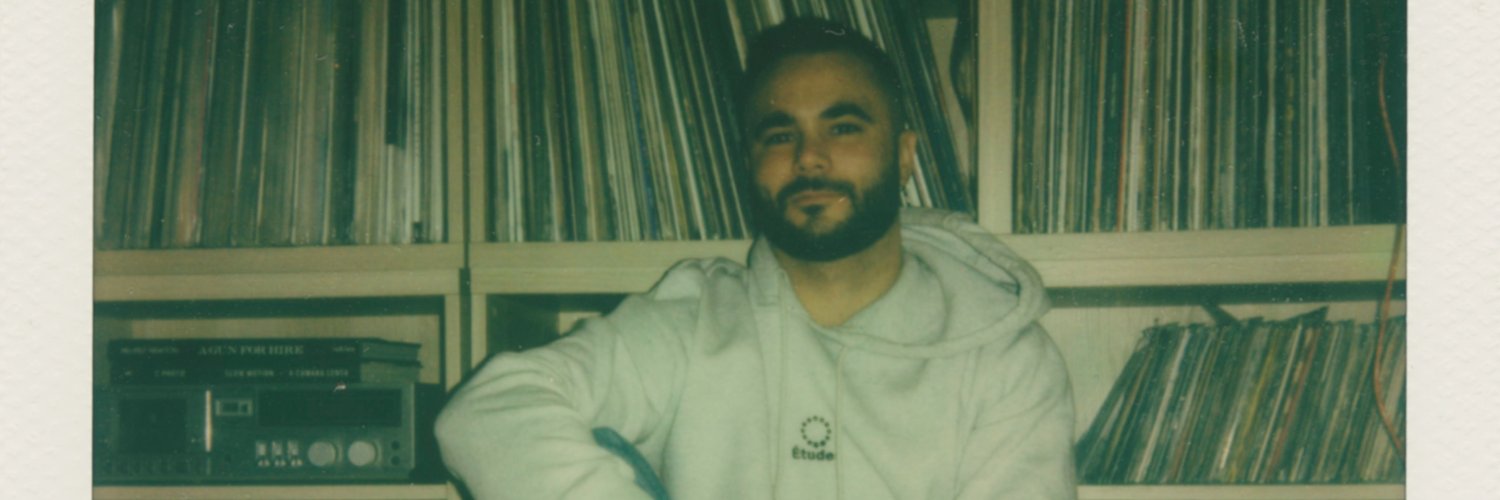
Shigeru Suzuki rehearsing 'Suna no Onna (砂の女)' with Haruomi Hosono & Tin Pan Alley, 1975. The core of what would become Japan's defining city pop sound, still taking shape in the room.
Nick Cave perdió a su hijo de 15 años, Arthur, en 2015; y a su hijo Jethro, con 31 años, en 2022.
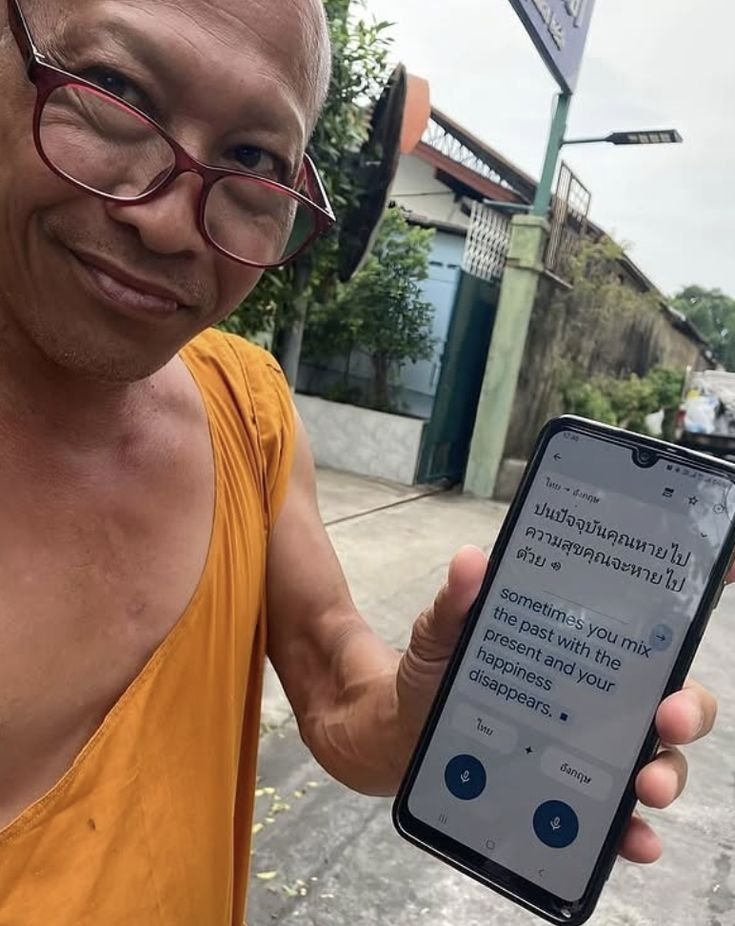
Hace poco respondió así a un fan que le preguntaba por qué seguir creyendo en el mundo, en vez de abismarse en el cinismo.
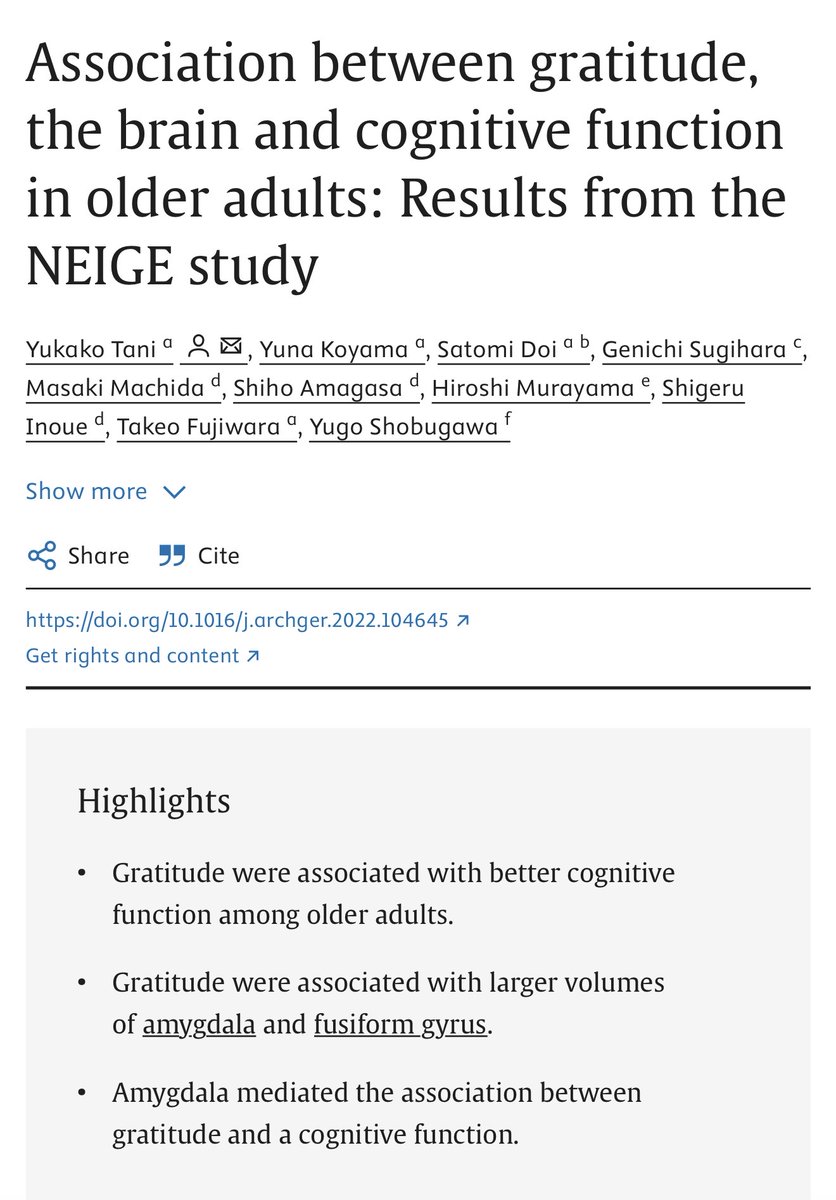
🚨Research confirms that your brain physically reshapes itself when you feel grateful, and the process happens in reverse of what most people think.
The common story about gratitude goes like this: count your blessings, feel better, repeat. Mental health gurus treat it like a mindfulness exercise where you inventory good things until your mood lifts.
The neuroscience reveals something far stranger.
Gratitude doesn’t work by making you notice positive things that were already there. It works by literally building new neural pathways that change how your brain processes all incoming information, positive and negative.
When you experience genuine gratitude, your anterior cingulate cortex lights up in ways that are measurably different from other positive emotions like joy or contentment. The anterior cingulate sits at the crossroads between emotion and attention. It decides which signals get amplified and which get filtered out before they reach conscious awareness.
Most people live with an anterior cingulate trained by evolution to scan for threats, problems, and gaps. This made sense when predators could kill you, but in modern life it means your brain’s default setting is to spotlight everything wrong, missing, or potentially dangerous in any situation.
You walk into a room and immediately notice the stain on the wall, not the ten things that look perfectly fine.
Gratitude practice doesn’t override that system. It builds a competing neural network.
Each time you feel grateful for something specific, you’re strengthening synaptic connections between your memory centers and reward circuits. Your brain begins associating the act of paying attention with positive neurochemical hits. Over time, this creates a new default: your attention system starts scanning for things worth appreciating instead of things worth worrying about.
The really wild part is how fast this happens. Neuroimaging studies show detectable changes in brain activity patterns after just eight weeks of consistent gratitude practice. The prefrontal cortex, which handles executive function and emotional regulation, develops stronger connections to the limbic system, where emotions get processed. People literally become better at managing stress and making decisions under pressure because their neural architecture has physically reorganized.
But here’s where it gets interesting in ways that most gratitude research misses completely.
The brain changes from gratitude practice don’t just make you feel better. They make you perceive reality differently. Your visual cortex, auditory processing, even your sense of time passing, all get influenced by which neural networks have become dominant in your anterior cingulate.
People with gratitude trained brains report that colors look more vivid, music sounds richer, and positive experiences seem to last longer while negative ones seem to pass more quickly. This isn’t metaphorical. Their brains are literally processing the same sensory input through different neural filters than they used before.
This explains why gratitude feels fake and forced when you first try it. You’re asking a threat detection system to appreciate what it’s designed to ignore. The neural pathways for appreciation barely exist yet. It’s like trying to play piano with no finger muscle memory. But once those pathways strengthen, gratitude stops feeling like work and starts feeling like upgraded perception.
The most profound part might be how this rewiring affects social relationships. The neural networks that handle gratitude overlap heavily with the networks that handle empathy and social cognition. When you strengthen one, you automatically strengthen the others.
People who develop strong gratitude circuits become measurably better at reading facial expressions, predicting how others will respond to their words, and maintaining long term relationships. Their brains get better at spotting what others are doing well instead of cataloging what others are doing wrong.
What started as a simple practice of noticing good things ends up rebuilding the fundamental neural infrastructure through which you experience other people and they experience you.
The brain you have today was shaped by every thought pattern you’ve repeated for years. The brain you’ll have next year is being shaped by the thought patterns you’re repeating right now.
Gratitude just happens to be the most efficient way to aim that reshaping process somewhere useful.
Cuando estaba perdido y buscaba encontrarme apareció Lost In Translation (2003)
Llegó en el momento perfecto de mi vida y se convirtió en una mis películas favoritas.
No one knows you. No one has a story about who you are. No one is waiting for you to be the person you were yesterday. You're just a stranger in a chair by the window, watching a city that doesn't need anything from you.
It's the feeling that anything could happen. That the world is bigger than the walls you built around yourself back home. That the life you've been living is just one version of a life, and there are others, and they're not as far away as you thought.
At home, you're fixed. Known. You fit into a shape that other people recognize, and after a while, you forget you're even in a shape at all. But here, alone, somewhere new, the shape dissolves. You could be anyone. You could be more of yourself than you've ever been. No one is watching to see if you stay consistent.