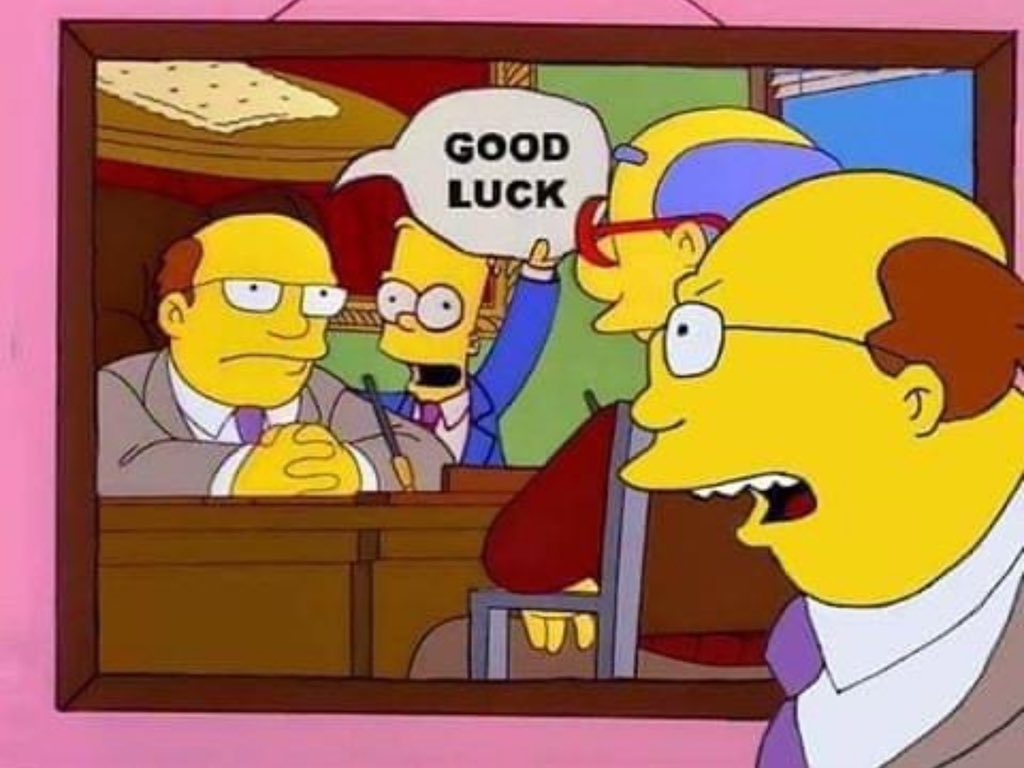
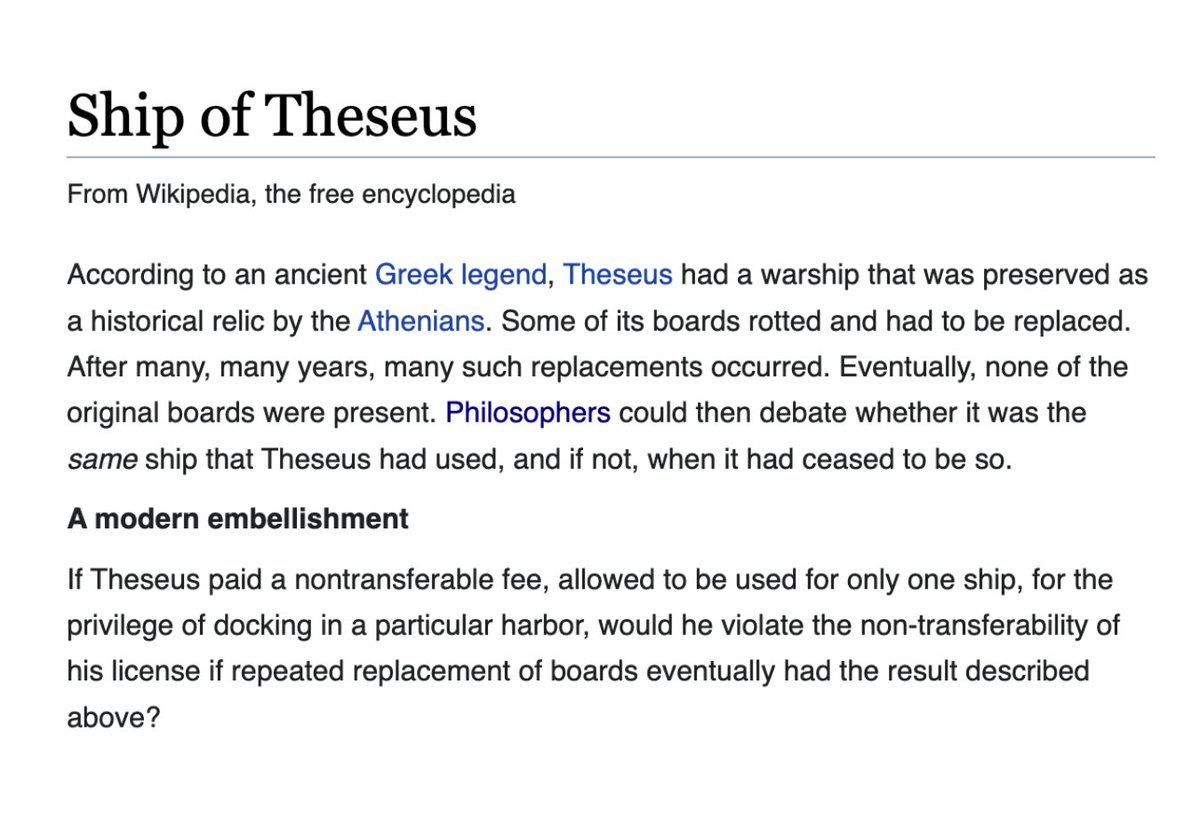
The "Ship of Theseus" article has been edited 1792 times since it was created in July of 2003. At present, 0% of the phrases in the original article (seen below) remain.
@jershbot @NextGenStats@awscloud No argument here, just find it a little silly to quote the output of the model down to the nearest 0.1%, while in the same sentence saying that there is not enough data to assess the accuracy of the model towards that tail
@NextGenStats@awscloud If there had been no previous catches with probability under 4%, how can you assign Sutton's 3.2% probability? The model can't possibly be calibrated at that level...
We @StatsCentralAus are recruiting 3 level A/B statistical consultants. Contribute to a huge verity of impactful research at UNSW. Awesome collaborative team. Flexible hybrid work. Full-time or Part-time.
https://t.co/EWMJfV3CMV
@stephenjwild Pretty sure the fitted coefficients should just be rescaled (by -log2(e)) versions of what you'd get from a usual log link, i.e. relative risk regression.
I'm not sure if people would find "bits of information" to be a more intuitive effect measure than a relative risk.
Remembering when I was at the crease and our injured no 11 bravely hobbled out to the middle, a la Lyon.
But instead of swatting 130kph bouncers for six, I got clean bowled next ball, and he had to turn straight around and head back off 🫠
@BruceExclusive I focused on the expectation thing (I'm a statistician, it's a reflex 🙃), but agree with what I now realise was the main point (I hope): that the chance of winning the SB --- even as the favourite --- is pretty low.
@BruceExclusive I dunno about that last one (seems like a low threshold), but since sending my previous tweet, I think I was wrong about saying "only" a 33% chance.
If we split the first 56 Super Bowls into 8 groups, it means there should be 2 or 3 seven-year stretches where no favourite won.
@mueblesfeos@colin69161558 You could well be right that the authors don't understand the distinction between data & sampling distributions, but being charitable, the statement itself is strictly true and kind of makes sense in the context of the paper (i.e., "this is why people do normality tests").
@mueblesfeos@colin69161558 The t distribution requires that the sample variance is chi-squared; see the last sentence of your wiki screenshot.
I see what you're saying, but "the test makes this assumption" is true and is different from "the test strictly requires this assumption for it to work at all".
@mueblesfeos@colin69161558 If we're being pedantic, the sample mean is only *approximately* normal for finite n, by the CLT (not to mention the assumed distn of the sample var). It's true this means the test is robust to deviations from the assumptions, but doesn't mean the highlighted statement is *wrong*