🚨🎙️ | Casemiro on the criticism he received from Jamie Carragher:
“Everyone says whatever they want on television. I’m not someone who gets involved in that.
“But it’s a bit normal, because I won TWO Champions League titles over his team. Maybe after you win two titles against his club, there’s still some bitterness there.
“I respect his opinion. I don’t hold any resentment. The important thing is that he recognised he was WRONG and changed his opinion. That’s what matters most.”
[@TNTSportsBR]
🚨Who wants Wilson for FREE?!
Our second TOTY giveaway is HERE👇
We’ll pay for ONE of you to COMPLETE the Sophia Wilson SBC🔥
🔁 this post ✅
Follow me + @UTcoinMerchant ✅
👑 Winner chosen soon 👑
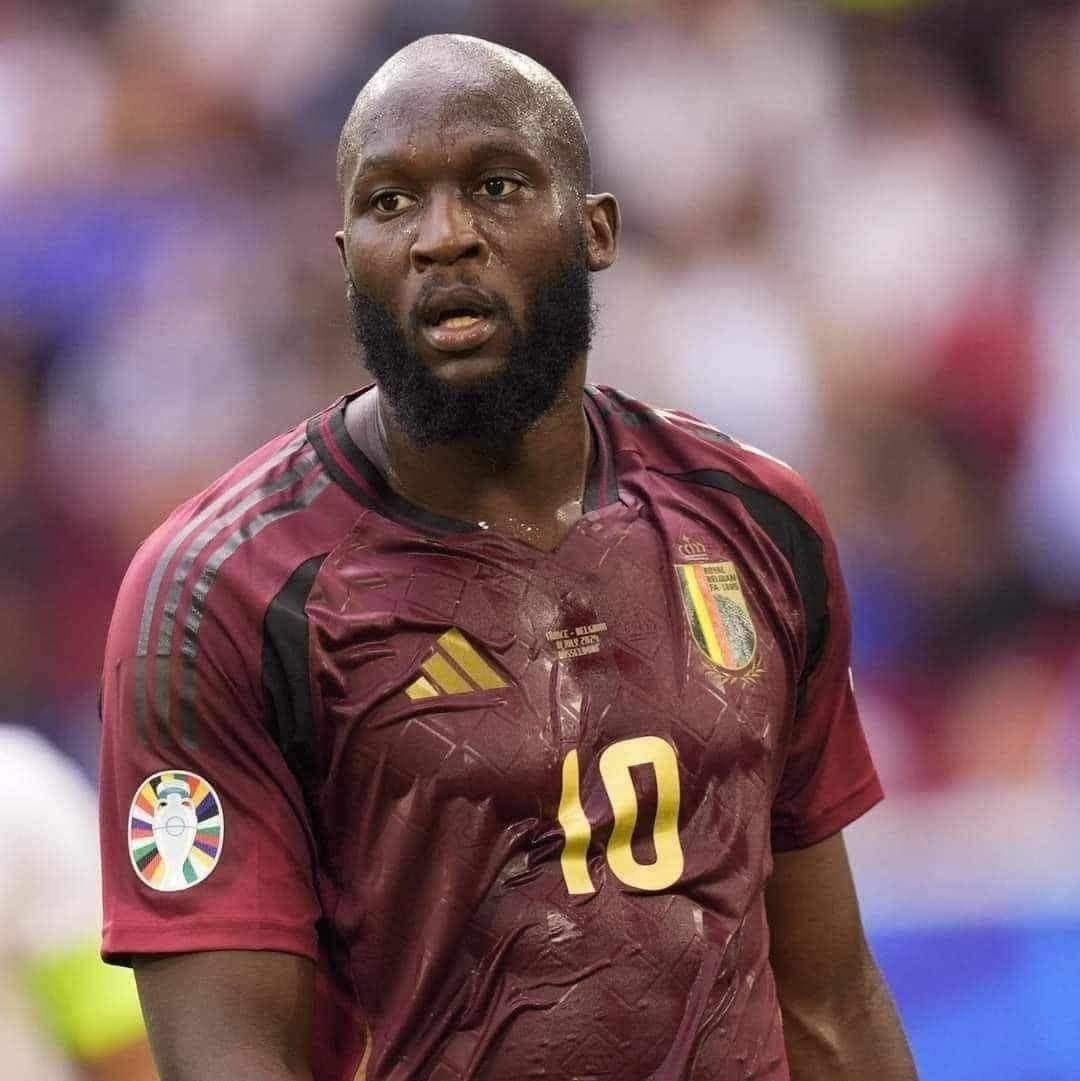
Romelu Lukaku: "I was 6 years old, and I came home for lunch after school. Mom had the usual on the menu: bread and milk. But that day, I came home, and Mom started mixing the bottle of milk with something else.
"She served me lunch with a smile as if everything was fine. But I understood what she was doing. She was mixing milk with water. We didn't have enough money to make the bottle last the whole week. We weren't just poor; we were broke.
"My parents, in the midst of misery, bet on me. They made huge efforts to take me to training. That's why I played that first World Cup match with a lot of anger, for many reasons: for the rats running through our apartment, because I couldn't watch the Champions League, we didn't have a TV.
I'd go to school, and all the kids would talk about the final. I had no idea what had happened. Everyone was talking about Zidane's volley. I pretended to know what they were talking about, for the classmates' parents who looked down on me because of my characteristics and condition."
"One day I asked my father at what age it would be ideal to debut in football, and to give me any age (I found this out years later), he said 16. I didn't stop until l achieved it. At that time, I was a substitute for Anderlecht, about to turn 16.
l approached the coach and asked him to bet on me. I promised him a certain number of goals, and if I didn't achieve them, he could bench me again. Indeed, at 16, I forced my debut. Not only did I score the promised goals, but I also became the top scorer in the national championship.
I scored 76 goals in 34 matches; I did them all with my dad's boots. From then on, I decided to be the best player in Belgium's history. Not good. Not excellent. The best."
A need is not a right. That’s the lie they keep selling—repackage envy as justice, slap a human rights label on it, and call it compassion. But a right, a real right, doesn’t come from your hunger. It doesn’t come from your poverty, or your emptiness, or your suffering. A right ends where another man’s will begins. And the moment you say that food is a right, you are saying that someone else must provide it. Not voluntarily. Not through trade. Not through grace. But must. That’s the rot. That’s the theft dressed as virtue.
They want to sanctify dependency. They want to canonise the void. And they do it with clean fonts and pastel maps, smiling like they’ve solved hunger while putting chains on the men who grow, build, transport, and sell. You think you're helping the poor? You're enslaving the capable. You think you’re uplifting the weak? You’re sacrificing the strong. You don’t create wealth by voting for it. You don’t create food by demanding it. You create it by effort—individual, brutal, relentless effort. And they want to break that. Strip it. Shame it. Because a man who feeds himself can’t be ruled.
This isn’t compassion. It’s authoritarianism in a new dress. It’s the priesthood of bureaucracy telling you that your stomach justifies another man’s prison. That because you need, he no longer owns his labour, his crop, his time, his life. That’s not justice. That’s not equality. That’s a morality built by thieves for beggars, enforced by cowards with pens and committee stamps.
And nobody voted for them. Nobody chose these high priests of moral theft. They sit in their marble towers, writing new commandments on stone tablets, declaring that the fruits of your work now belong to the world. But they won’t lift a hand to till the soil. They won't carry a sack of grain. They only take. Always take. And call it progress.
You can’t build a free world on the backs of unwilling men. And you can’t sanctify theft by calling it rights. A need is not a right. It’s a burden. Yours to solve—not someone else’s to carry.


![FrankEra_'s tweet photo. 🚨🎙️ | Casemiro on the criticism he received from Jamie Carragher:
“Everyone says whatever they want on television. I’m not someone who gets involved in that.
“But it’s a bit normal, because I won TWO Champions League titles over his team. Maybe after you win two titles against his club, there’s still some bitterness there.
“I respect his opinion. I don’t hold any resentment. The important thing is that he recognised he was WRONG and changed his opinion. That’s what matters most.”
[@TNTSportsBR]](https://pbs.twimg.com/media/HHqGdCGWEAgplj9.jpg)




![FrankEra_'s tweet photo. 🚨🎙️ | Casemiro on the criticism he received from Jamie Carragher:
“Everyone says whatever they want on television. I’m not someone who gets involved in that.
“But it’s a bit normal, because I won TWO Champions League titles over his team. Maybe after you win two titles against his club, there’s still some bitterness there.
“I respect his opinion. I don’t hold any resentment. The important thing is that he recognised he was WRONG and changed his opinion. That’s what matters most.”
[@TNTSportsBR]](https://pbs.twimg.com/media/HHqGdCjXcAE0Kux.jpg)