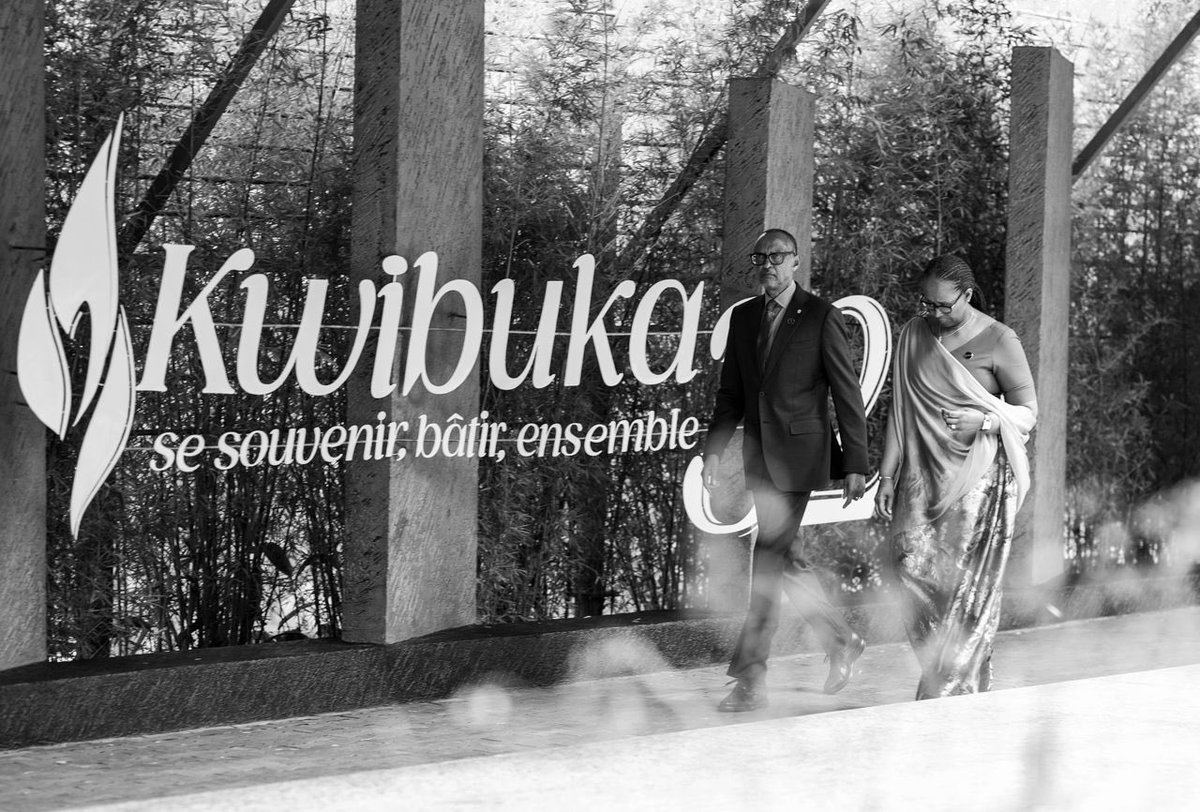
“Our lives were worth nothing. That’s fine. For Rwandans, the lessons have been brutal, and have not been forgotten. If our lives do not happen to align with someone else’s interests, they are not worth saving.
And so it had to be the Rwandan Patriotic Army that led the Campaign against Genocide, and ended it. Our deepest source of grief, was always that we could not arrive earlier.
This is a simple truth of history, which many today still have reservations about acknowledging, for reasons we do not understand.
The culture and character of today’s Rwanda Defence Force was forged in those dramatic moments.
It guides the conduct of our forces who serve abroad in peacebuilding missions, earning universal respect.
Indeed, no sanctions or insult from outside, can ever tarnish the honour and integrity of Rwanda’s defence and security forces, who are among the finest that can be found anywhere.” President Kagame | #Kwibuka32
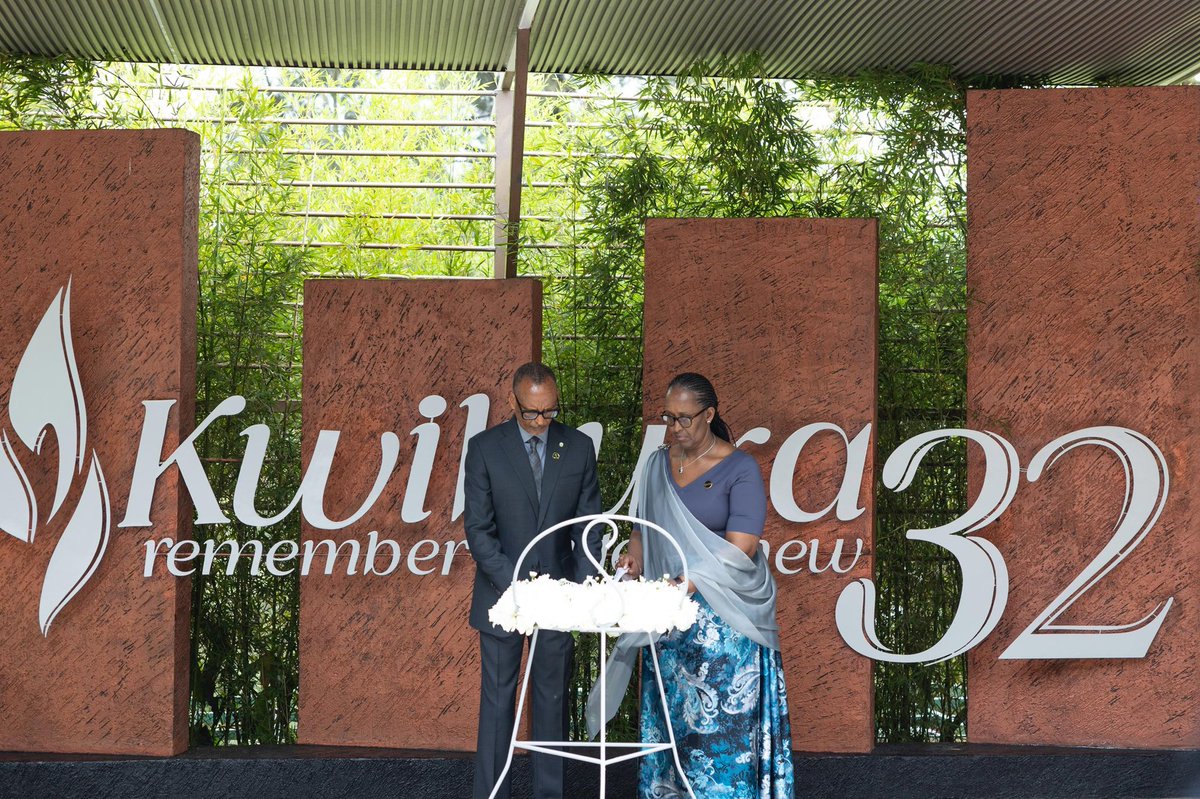
“Kwibuka carries profound meaning for our nation. It is how we confront and overcome the divisions that nearly destroyed us. This day empowers us all.
We draw on the strength of survivors, who provide the reservoir of humanity that feeds our nation’s soul. To all survivors, know that you are not alone. We stand with you always.
Everything we have achieved, was only possible, because all Rwandans decided to join hands in common purpose. We honour the role played by every Rwandan, in our country’s rebirth.” President Kagame | #Kwibuka32
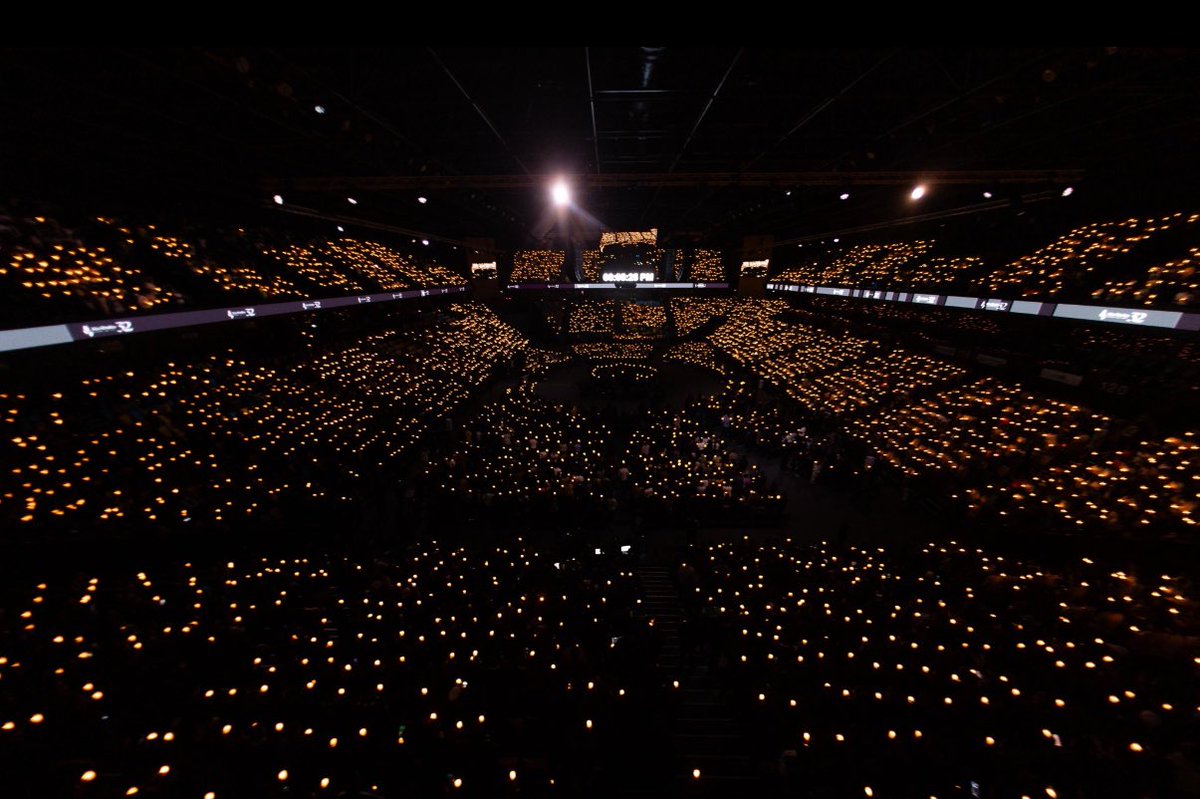
As Rwanda remembers the more than a million victims of the 1994 Genocide against the Tutsi, we sincerely appreciate the messages of solidarity received from governments, partners and friends across the world.
International solidarity, with the clarity expressed today, together with a genuine resolve to action, remain the bedrock of “Never Again”.
#Kwibuka32
April 7th is coming up soon, a date of remembrance.
The plan for the genocide perpetrated against the Tutsi and its execution were established by international experts mandated at the very time of its execution in 1994, and was definitively confirmed by the Criminal Tribunal for Rwanda and the United Nations.
We in Rwanda and around the world are approaching the commemoration of the genocide perpetrated against the Tutsi, planned by the regime of General Habyarimana, committed thirty-two years ago, with the full knowledge of its preparation by the international community. On 23th December 2003, the UN designated April 7th of each year as the International Day of Reflection on this Genocide, and to remove any doubt, on 28 January 2018, the UN established that this day should be called the INTERNATIONAL DAY OF REFLECTION ON THE GENOCIDE COMMITTED AGAINST THE TUTSI IN RWANDA IN 1994, in order to remove any doubt and name the crime and its victims. This historical truth is inconvenient for the perpetrators of the genocide and their sympathizers, such as the son of former Rwandan President Major General Juvénal Habyarimana, the planner of this genocide.
Let us recall some legal facts to revisit the history of the planning and execution of this genocide:
From June 9 to 20, 1994, the Special Rapporteur of the United Nations Commission on Human Rights, René Degni Segui, conducted his investigations in Rwanda and published his first report establishing the facts and their analysis on June 28, 1994. He concluded unequivocally that a genocide was being committed against the Tutsi population in Rwanda, stating it in stark terms: “The classification of genocide must already be applied to the Tutsi. The international community is witnessing a human tragedy that appears to be well orchestrated. The massacres are all the more horrific and terrifying because they are presented as planned, systematic, and atrocious.”
On July 1, 1994, the United Nations Security Council established a commission of three international experts in its resolution 935 with the clear mandate to present findings “regarding the evidence concerning serious violations of international humanitarian law committed in the territory of Rwanda, including possible acts of genocide.”
The Commission conducted an investigation in Rwanda from August 29 to September 17, 1994, and issued its preliminary report on October 4, 1994, concluding that there was “overwhelming evidence that acts of genocide were committed against the Tutsi group by Hutu elements acting in a concerted, planned, systematic, and methodical manner.” The experts also concluded that it was necessary to establish an international criminal tribunal to try the perpetrators and accomplices. The final report was submitted to the Security Council on December 9, 1994, confirming the same findings.
On November 8, 1994, the Security Council took concrete action and adopted Resolution 955, establishing an international criminal tribunal to try those responsible for genocide and other serious violations of international humanitarian law committed in 1994 in Rwanda and in the territory of neighboring states. The Tribunal was established and operated for approximately twenty years. He issued several decisions, including judgments condemning 65 perpetrators of the genocide committed against the Tutsi, consecrating the agreement to commit genocide against Tutsi civilians and the perpetration of the same genocide.
Among other legal victories, on May 1, 1998, Jean Kambanda, Prime Minister of the genocidal government, pleaded guilty to eleven counts of genocide, conspiracy to commit genocide, direct and public incitement to commit genocide, crimes against humanity, and war crimes. He was sentenced to life imprisonment. In his guilty plea, Kambanda clearly stated that he led a government tasked with carrying out a genocide against the Tutsi that had been planned in advance by the previous regime of General Juvénal Habyarimana.
On September 2, 1998, the International Criminal Tribunal for Rwanda delivered its verdict against Jean-Paul Akayesu, former mayor of Taba Commune, who had not pleaded guilty. The tribunal established the facts of the genocide against the Tutsi in these terms: “It is now clear that the massacres that occurred in Rwanda in 1994 had a specific objective: to exterminate the Tutsis, specifically targeted because of their membership in the Tutsi ethnic group, and not because they were RPF fighters. This constitutes genocide, which was committed in Rwanda in 1994 against the Tutsi as a group.”
On June 16, 2006, the Appeals Chamber of the International Criminal Tribunal for Rwanda definitively established the judicial finding concluding that it was "a matter of public record that between April 6 and July 17, 1994, a genocide was committed in Rwanda against the Tutsi ethnic group."
On April 16, 2014, the United Nations Security Council, in Resolution 2150, recognized the international nature of the genocide perpetrated against the Tutsi, the obligation of all states to cooperate in the arrest and prosecution of its perpetrators, and to combat its denial. Here are some excerpts to remind deniers of this genocide:
- "Recalling that between April 6 and July 17, 1994, a genocide was committed in Rwanda against the Tutsi ethnic group, that more than one million people were killed in this genocide, and noting with concern any form of denial of this genocide;
- Emphasizes the importance of learning the lessons of the genocide perpetrated in 1994 against the Tutsi in Rwanda;
" - Unreservedly condemns any denial of this genocide and urges Member States to develop educational programs to instill the lessons of the genocide in the minds of future generations, with the aim of preventing future genocides;
- Welcomes the efforts made by Member States to investigate and prosecute all persons accused of this genocide;
- Calls upon all States to cooperate with the ICTR, the International Residual Mechanism for Criminal Tribunals, and the Rwandan Government to arrest and bring to justice the nine remaining fugitives indicted by the ICTR, and also calls upon States to investigate, arrest, prosecute, or extradite, in accordance with their international obligations, all other fugitives accused of genocide residing in their territory, including the leaders of the FDLR.
When deniers like @JLHaby, @haby_haby2, @gmbonyumutwa and all deniers persist in denying the undeniable, falsifying the unfalsifiable, defending the indefensible, and so on, in an attempt to exonerate the criminal regime of Juvénal Habyarimana, the planner of the genocide against the Tutsi, one is legitimately led to wonder what kind of heaven they think they're rising from. The commemoration of this genocide, unique in the world, the first in Africa, which the world will soon commemorate in just a few days, must truly serve as a reminder so that prevention finally becomes the ultimate goal envisioned by every human being and every state.
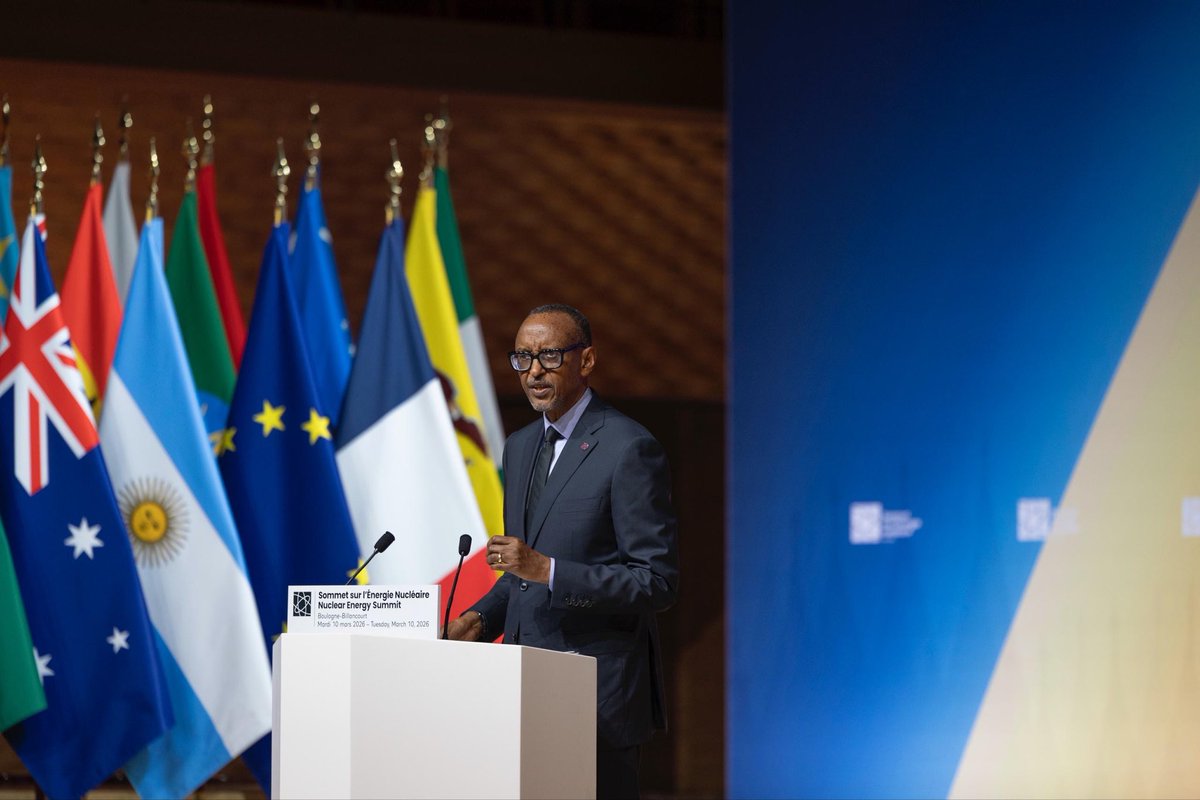
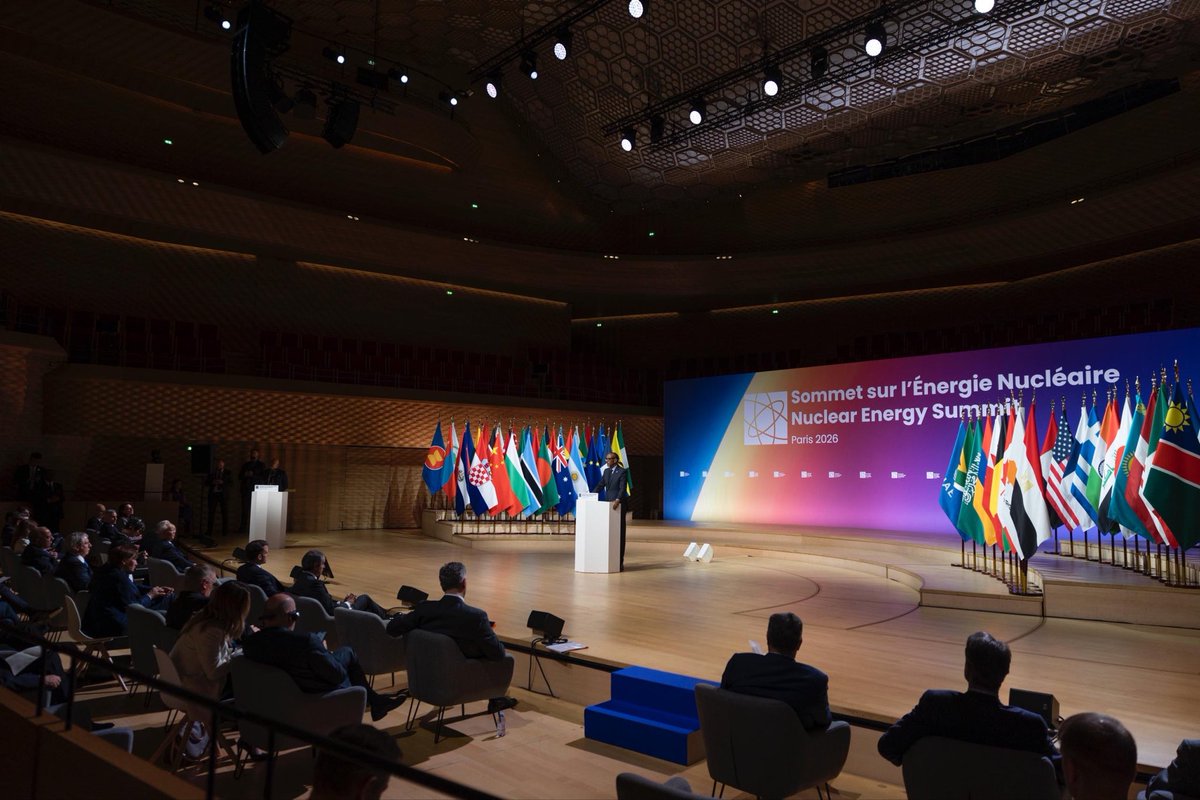
“Rwanda aims to be a high-income country, by 2050. That requires abundant electricity, and that is why we have decided to make nuclear energy central to our strategy.
Achieving this requires strong institutions, sound regulation,and an educated workforce, and that is the foundation Rwanda is building.
Rwanda is determined to do what it takes, to power our development with nuclear energy, and we look forward to you being a part of this journey.” President Kagame | Nuclear Energy Summit.
From @NatGeo Travel: "Rwanda is the trip of a lifetime. Here’s why you should go~With majestic rainforests, volcanoes, and an extraordinary story of wildlife conservation, Rwanda—roughly the size of Maryland—offers travelers a captivating journey in compact form."
#VisitRwanda
https://t.co/XizSuTRIN5
“They claim we are in Congo looking for minerals. That this is what causes our problems with Congo. They say our country, Rwanda is small and that we want to go into Congo to expand it.
But they try to avoid the real issue, which they also know, and in which they themselves are involved, concerning the Interahamwe militia who are in Congo. The Interahamwe were settled there. The Interahamwe were armed, both those who were already there and new ones, some were integrated into the Congolese army, while others operate alongside it.
How does the world expect us to behave? Just listen to them and do whatever they ask us to do, even if it is leading to our own destruction?” President Kagame | #Umushyikirano2026
Today is #Umushyikirano closing day!
Discussions will focus on linking education, employment, and civic engagement.
Follow LIVE: https://t.co/d5ou8rjFD2⤵️
Don't miss out!
Contribute to the 20th National Umushyikirano Council.
-------
Ne manquez pas cette occasion!
Vos contributions sont les bienvenues pour le 20ᵉ Dialogue national Umushyikirano.
#Umushyikirano
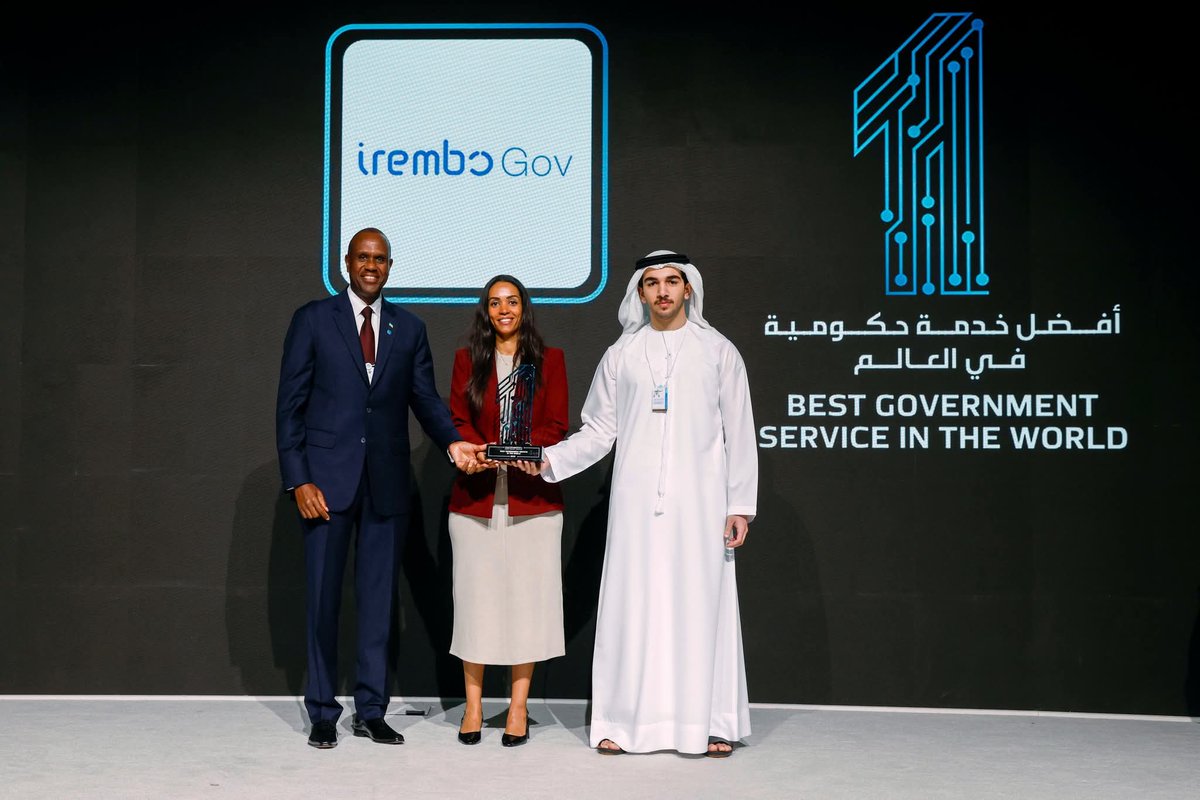
Today, Rwanda was recognized with the Best Government Service in the World award at the GovTech Prize 2026 Awards for @IremboGov, developed by IREMBO. The award was received on behalf of @RwandaGov by Amb. @JohnMirenge and Estelle Kayitesi, Head of Policy and Partnerships @TeamIrembo during the World Government Summit in Dubai.
The GovTech Prize 2026 recognizes global government entities for pioneering technology-driven solutions that enhance public services.
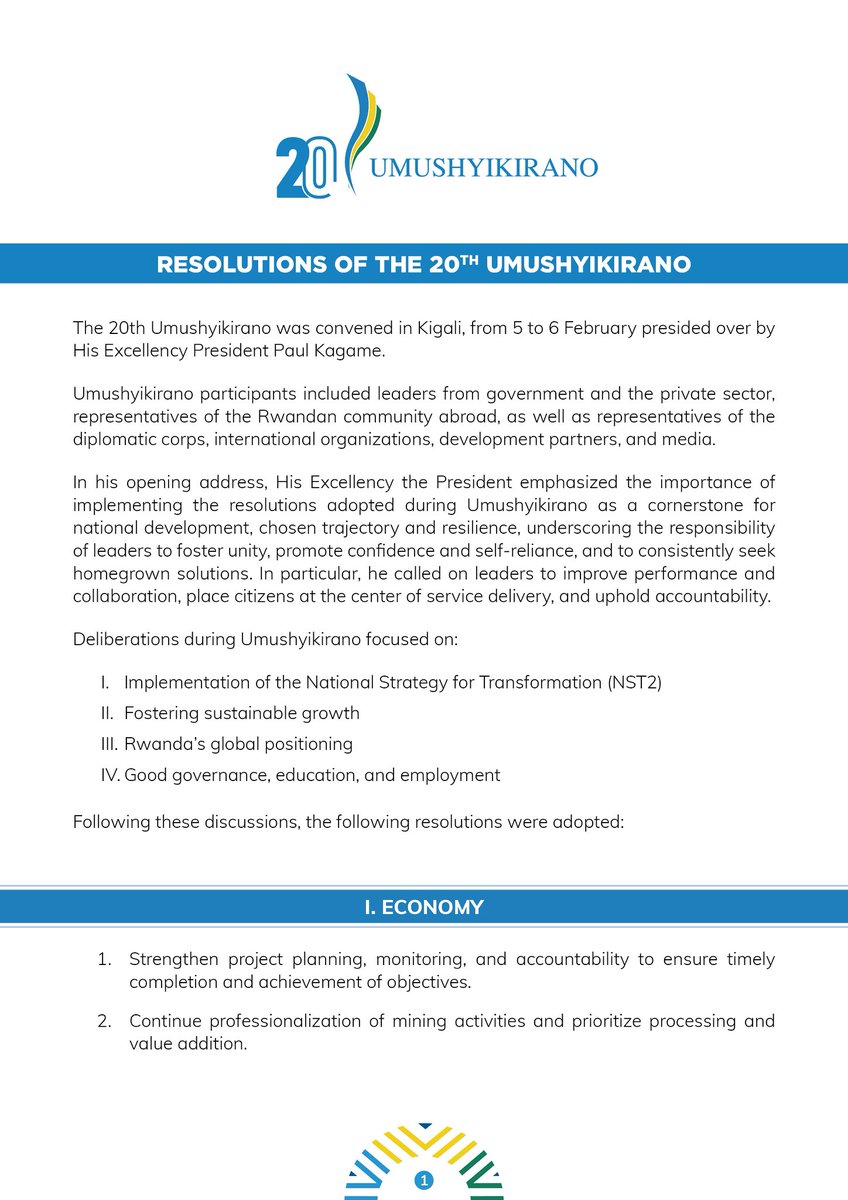
The 20th Umushyikirano takes place today and tomorrow at the Kigali Convention Center.
#Umushyikirano will assess key achievements under the 2nd National Strategy for Transformation (NST2) and set the direction for Rwanda’s continued development.
Follow live: https://t.co/rdh9qRndgl
This morning at the National Heroes Mausoleum, President Kagame and First Lady Jeannette Kagame will lay a wreath to pay tribute to national heroes as Rwanda marks National Heroes Day. Follow live: https://t.co/ORvsTLGZRb
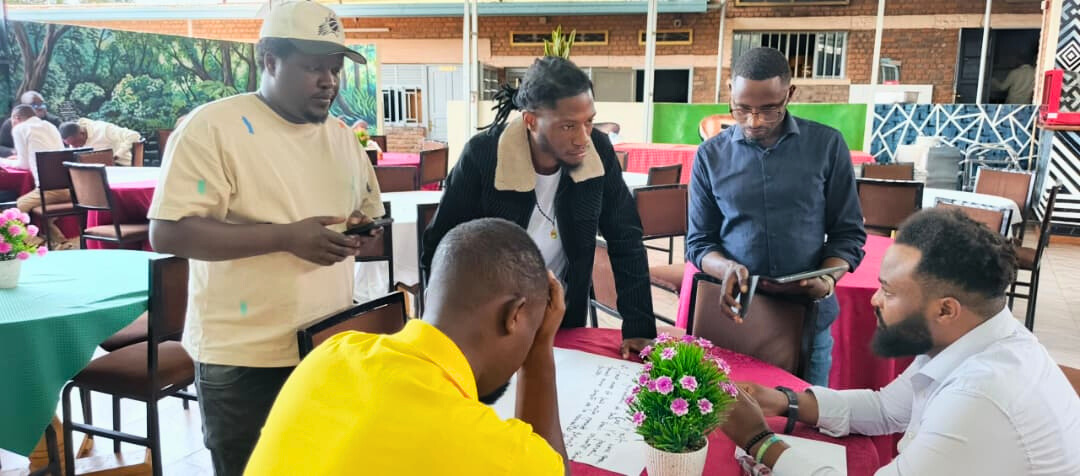
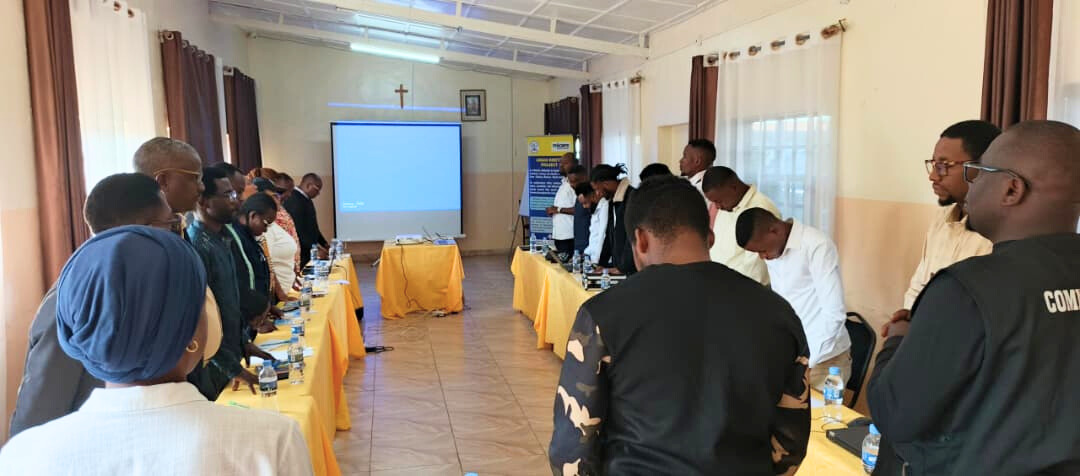
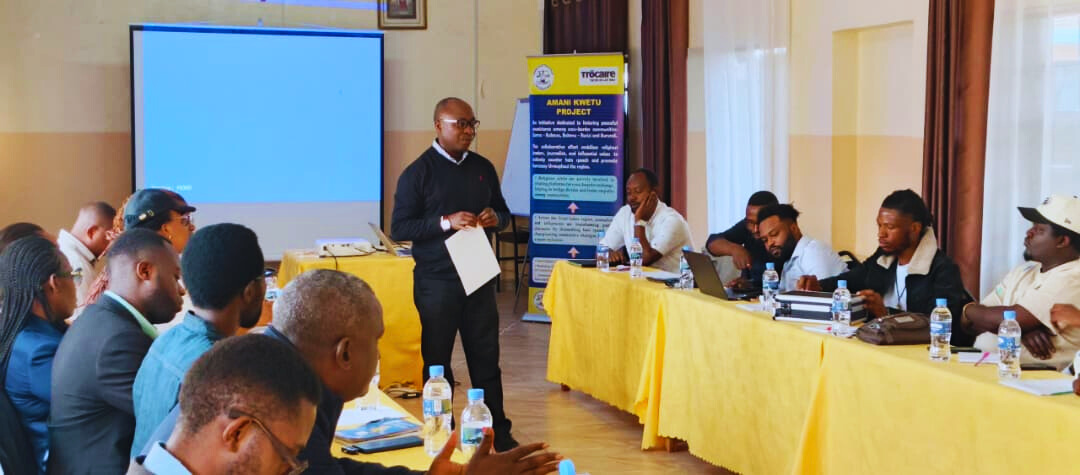
From Rubavu to Rusizi, CEJP Rwanda continues to host sessions for media actors on the role of social media in peace building. This is part of the Amani Kwetu project, dedicated to fostering peaceful coexistence among cross-border communities.
🕊️📱 #PeaceBuilding#AmaniKwetu
Conflicts don't start only on battlefields; they arise from the words we choose, the stories we tell, and the voices we amplify.
We now have both the ability and the duty to narrate without inciting, to explain without dividing, and to inform without fracturing.
#Amanikwetu
"Journalists from the greatlakes communities have a significant role in shaping society.
The media should serve as a catalyst for peace and understanding among the residents of this region.":
Father Valens NIRAGIRE,SG/CEJP Rwanda.
#AmaniKwetu#CEJPRwanda#Mediaforpeace
CEJP Rwanda is hosting a session in Rubavu for media actors focused on the role of social media in peace building. This session is part of the Amani Kwetu project, an initiative dedicated to fostering peaceful coexistence among cross-border communities...
#AmaniKwetu#CEJPRwanda