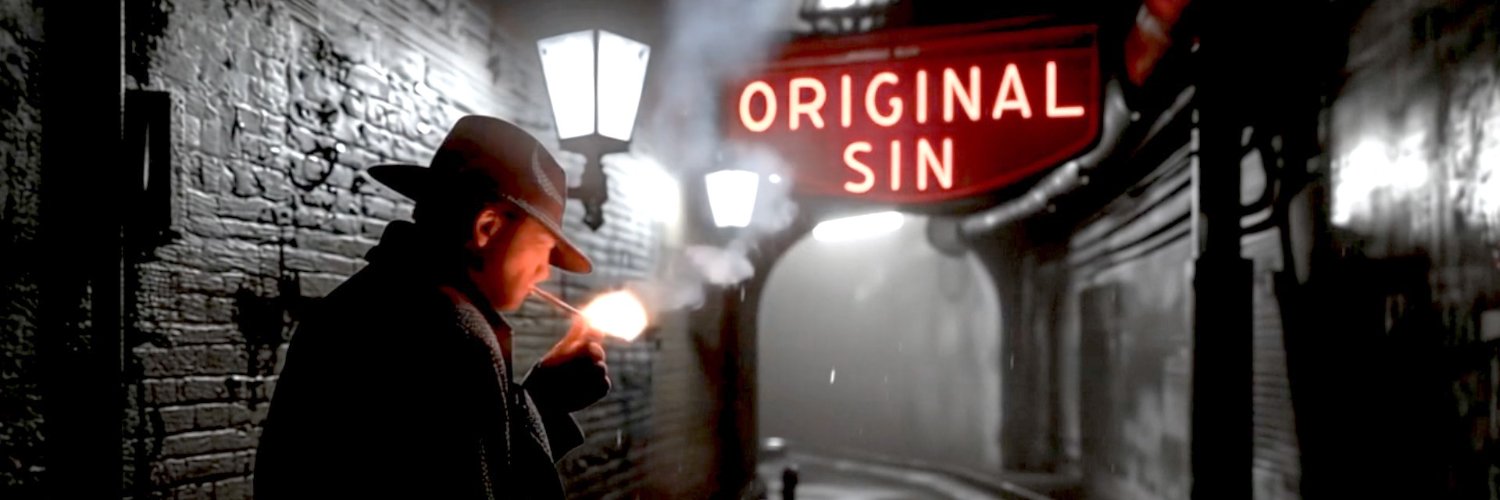
Super excited! Our film DRAGON HUNTER is a TOP 11 FINALIST in the Action/Adventure category of the inaugural season of the @Chromaawards.
Watch clip here: https://t.co/eb4RcKk6io
This groundbreaking AI Film, Music Video, and Games competition aims to unite the creators, communities, and companies across the world. This season they’ve given away over $1M in free trials and are awarding $175,000 in cash prizes
Winners will be announced on SUN, DEC 21 AT 5PM PT during their Awards Ceremony livestream at https://t.co/A7gWFftQSG, so come support me and the 6500+ projects that were submitted!
A big thank you to the sponsored tools I used in my submission: @Elevenlabs, @Seedance, @GoogleVEO, @Kling_ai, @Magnific_AI, @topazlabs
Character sheets are great, but they only solve one part of the problem.
They show you how your AI character looks.
They do not show you how they perform.
So I made a simple workflow and a system prompt to audition my AI characters before taking them into video generation, to test their voice, emotions, expressions, and screen presence.
Here is my workflow:
Our newest tool uses new motion transfer systems for more versatile and powerful control capabilities. You can use as many keyframes as you like so your ability to control a scene really comes down to your ability to drive motion and edit images.
@LumaLabsAI@DreamLabLA
Zooming in used to expose everything
AI images can look polished on the timeline, but the flaws show up fast when you inspect the details
Plastic skin, blurry fabric, messy fur, crushed textures, broken edges, compression artifacts
So I tested Wonder 3 by @topazlabs on the weak spots most AI tools struggle to fix, to see if it can make AI images hold up under close inspection
More details and examples below 👇🏻
Meet "Tawan" (ตะวัน means “The sun” 🌞)
20-min Demo
AI Animated Film experiment (full feature is 90 mins)
With a $500 budget and 1.5 months of work, this story is based on my original idea from 2010... and today, the technology is finally ready to bring it to life.
AI showed me that solo creators can now manage an entire animation workflow. No need to pitch to big studios—you can fund yourself and bring your own stories to life. Without AI, this would still be stuck in my head.
(Of course, the quality is still far from high-budget films from big studios that have 300-600 people behind them, but I think the gap will close step by step in the future.)
This animated created by Seedance 2.0 on @dreamina_ai and @kinovi_ai and opening scene by @midjourney - thank you for watching.
i created 4 different style videos with
Gemini Omni Flash😻
will explore more and share the results
Episode 1 - 4 styles
1- Papercraft
2- Origami
3-Claymation
4-Plush world
PROMPTS’ in the comments and I’ll paste every prompt I used so you can test them yourself.
Lately everyone’s been talking about AI agents, so we got curious and asked our community to share their best “agentic” creative workflows.
We picked 3 to test through @LumaLabsAI, @runwayml and @UtopaiStudios and the big takeaway from all these tests is that agentic creative workflows still don’t seem that impressive in their current form.
So here’s our next challenge: We’ll give $200 to anyone in the comments who can share an ACTUAL agentic creative AI workflow that’s genuinely better than just prompting manually yourself.
This AI workflow is gold for relighting videos 😲
Check out Beeble: https://t.co/G0fdNNuVCe
Beeble lets you replace lighting, backgrounds, and even clothing in existing footage using a node-based AI workflow, transforming any room into a cinematic set in just a few clicks. It’s a game-changer for creators, filmmakers, and video marketers who want studio-quality visuals without a studio budget.
Our mission is to create 100,000 new jobs for creatives, looking to learn and stay ahead in AI? Join GenHQ:
https://t.co/g0a6tIwUIv
#BeebleAI #AIRelighting #AIVideoEditing #CreativeAI #GenerativeAI
You know that super annoying overlay texture pattern you get on AI images, particularly with Nano Banana Pro and GPT 2.0?
Here's how to get rid of it.
Toss your image into @magnific as a reference, select the Nano Banana Pro model, and prompt:
Recreate this image exactly, detail for detail and restore fidelity, making it high resolution, and crisp, and clear. Exactly maintain the original colors.
Credit to @DavidLaChanceJr for figuring this out.
Hope this helps.
AI video is moving way too fast.
This entire sequence was generated using just the Seedance 2.0 x ChatGPT combo.
🎬 Anime Fight Previz (testing choreography & camera beats) ✨ Fashion Lookbook Motion (turning static fits into runway clips)
I'm dropping the exact prompts in the
comments below. 👇
How to extend videos using Seedance 2.0 in 3 easy steps 🦄
1. Generate video 1 (e.g. 15 seconds).
2. Use video 1 as a reference when generating video 2.
3. In the prompt for video two, start with "Continue this video".
Both videos should have reference images of your characters.
Here's a 30 second clip made with two 15 second generations.
Workflow in comments below.
AI storytelling is crazy now
chatgpt image 2 can turn any story idea into storyboard with cast design.. then feed it to seedance 2 to get a full film scene.. this workflow is crazy on arcads
step by step tutorial with prompts:
15-second Street-Jazz Dance Choreography that actually looks pro 🔥
ChatGPT 2.0 + Seedance 2.0 combo
One reference board → two fire videos:
1. Strict step-by-step choreography
2. Cinematic dynamic version
Full reference + both prompts dropping now 👇
GPT Image 2 and Seedance 2.0 really show how important storyboards are.
The cinematic developing master shot in the quoted post turned out well but it actually took several attempts to get there. Even the final result still didn’t fully follow the prompt. Some important details were missing, like the opening shot, the flag and the person exiting the tavern.
Then I generated a storyboard using the exact same prompt and tried again.
On the very first attempt, almost every detail appeared exactly as intended.
Using storyboards massively increases the chance of getting the result you actually want. It also lets you preview and refine the scene visually before generating the final video.
I created a character sheet using ChatGPT image 2.0 to help AI video creators to create professionally directed video.
Try the prompt below inside GPT image 2.0....
"Create a cinematic, film-production-grade character design sheet intended for a director, casting team, and costume department. This must feel like a high-budget animated film pitch board, not a generic model sheet. CORE DIRECTIVE (NON-NEGOTIABLE)No generic layouts No evenly spaced grids No symmetry for the sake of neatness Composition must feel art-directed, intentional, slightly asymmetrical Every section should feel placed, not auto-generated CHARACTER IDENTITY Name: [Full character name] Alias / ID: [Nickname, codename, symbolic title] Age: [Real or stylized age logic] Height: [Exact height in cm/ft] Build: [Detailed body type with nuance — proportions, weight distribution, posture tendencies] Ethnicity / Design Language:[Real-world influence or stylized hybrid approach — Pixar-esque, anime-inspired, culturally grounded, etc.] FACE DESIGN Structure:[Face shape, bone structure, exaggeration level, asymmetry] Skin / Surface:[Texture, tone, subsurface softness, imperfections, stylization level] Eyes:[Size, spacing, color, expressiveness, quirks] Hair:[Style, texture, behavior (physics), imperfections, movement logic] Distinct Features:[Any defining traits — scars, dimples, stretch, elasticity, etc.] PSYCHOLOGICAL PROFILE (DRIVES PERFORMANCE) Core Traits:[3–5 dominant personality traits] Internal Conflict:[What they want vs what sabotages them] Behavior Patterns: [Habit 1] [Habit 2] [Habit 3] Emotional Baseline:[Default emotional state + how quickly it shifts] PERFORMANCE DIRECTION (CRITICAL) Character must feel like a real actor caught mid-moment, not posing. Expression Notes: Micro-expressions required (lip tension, eye movement, eyebrow shifts) Avoid staged symmetry Capture transitional emotion (before/after reaction) Body Language: [Posture tendencies] [Movement rhythm: stiff, bouncy, dragging, sharp, etc.] [Idle behavior: fidgeting, stillness, tension] WARDROBE (PRODUCTION-REALISTIC WITH STYLIZATION) Primary Outfit: [Garment 1: fabric type, wear, imperfections] [Garment 2: fit, distortion, stitching details] [Layering logic] Footwear:[Material, wear patterns, realism vs stylization] Accessories:[Functional + character-revealing items] Props:[Objects frequently carried that reinforce personality] MATERIAL & TEXTURE ACCURACY Fabrics must show stretch, stitching, wrinkles, wear Surfaces must avoid plastic look unless intentionally stylized Skin should have soft light interaction, slight bounce Include imperfections: dirt, smudges, aging, usage marks TURNAROUND REQUIREMENTS (STRICT CONSISTENCY) Generate full-body turnaround with identical proportions and design fidelity: Front View 3/4 View Side View Back View 3/4 Back View No drift in proportions, face, or costume. HEAD STUDY (ACTOR REFERENCE QUALITY) Include expressive head variations: Front (neutral or controlled expression) 3/4 (primary personality expression) Profile (structure clarity) Looking Down (emotion: [insert]) Looking Up (emotion: [insert]) Dynamic Angle (emotion: [insert intense state]) Expressions must feel captured mid-thought, not posed. CINEMATIC PORTRAIT (FILM STILL) Environment:[Specific location tied to character behavior] Lighting:[Motivated sources — practical lights, ambient glow, contrast level] Color Tone:[Palette direction — warm, cool, mixed, stylized] Expression:[Specific narrative moment] Camera:[Real-world lens feel — 50mm, 85mm, etc.] Shallow depth of field, cinematic realism CAMERA + LIGHTING SPECIFICATIONS Full Body: Lens: [e.g., 35mm] Lighting: soft key + bounce Natural exposure, no HDR Portrait: Lens: [e.g., 85mm] Depth of field: shallow Focus priority: eyes and expression COMPOSITION & LAYOUT Clean but art-directed sheet layout Neutral background (gray or soft tone) for turnaround Structured but visually dynamic section placement Include: Height scale reference Annotation callouts (fabric stretch, personality cues, prop usage) Wardrobe breakdown section Notes for production Layout must feel like a premium studio presentation board STYLE [Define clearly] Examples: Pixar-style stylized realism Hyper-expressive animation realism Semi-realistic cinematic character design Must include: Appealing exaggeration Soft geometry Cinematic lighting High emotional readability CONSISTENCY RULE (STRICT) Face, proportions, costume, and details must remain identical across all views and sections No reinterpretation between angles. OUTPUT QUALITY Extremely high detail Sharp focus Production-ready fidelity Suitable for film development, merchandising, and pitch decks
"





![Fujimoto_hina's tweet photo. Create with GPT 2 on ChatGPT
Prompt:
{
"type": "cinematic_character_design_sheet",
"intent": "film_production_pitch_board",
"core_directive": {
"layout_rules": [
"no generic layouts",
"no evenly spaced grids",
"no forced symmetry",
"intentional asymmetry",
"art-directed composition"
]
},
"character_identity": {
"name": "[Full character name]",
"alias": "[Nickname / codename]",
"age": "[Real or stylized age]",
"height": "[Exact height cm/ft]",
"build": "[Detailed body proportions, weight distribution, posture]"
},
"ethnicity_design_language": "[Hybrid style: Pixar / anime / cultural realism]",
"face_design": {
"structure": "[Face shape, bone structure, asymmetry]",
"skin": "[Texture, tone, imperfections]",
"eyes": "[Size, spacing, color, quirks]",
"hair": "[Style, physics, imperfections]",
"distinct_features": "[Scars, dimples, unique traits]"
},
"psychological_profile": {
"core_traits": ["trait1", "trait2", "trait3"],
"internal_conflict": "[Desire vs sabotage]",
"behavior_patterns": [
"[Habit 1]",
"[Habit 2]",
"[Habit 3]"
],
"emotional_baseline": "[Default state + shift speed]"
},
"performance_direction": {
"expression_notes": [
"micro-expressions",
"no staged symmetry",
"transitional emotion"
],
"body_language": {
"posture": "[Tendencies]",
"movement": "[Rhythm]",
"idle_behavior": "[Fidget/stillness]"
}
},
"wardrobe": {
"primary_outfit": [
"[Garment 1: fabric + wear]",
"[Garment 2: fit + stitching]",
"[Layering logic]"
],
"footwear": "[Material + wear]",
"accessories": "[Functional + character items]",
"props": "[Recurring objects]"
},
"materials_textures": {
"fabric": "visible stretch, wrinkles, stitching",
"surface": "no plastic look unless intentional",
"skin": "soft light bounce",
"imperfections": "dirt, aging, smudges"
},
"turnaround": [
"front_view",
"3_4_view",
"side_view",
"back_view",
"3_4_back_view"
],
"head_study": {
"views": [
"front_neutral",
"3_4_primary_expression",
"profile",
"looking_down_[emotion]",
"looking_up_[emotion]",
"dynamic_angle_[intense_emotion]"
]
},
"cinematic_portrait": {
"environment": "[Story-driven location]",
"lighting": "[Practical + ambient]",
"color_tone": "[Warm/cool palette]",
"expression": "[Narrative moment]",
"camera": "[Lens + shallow DOF]"
},
"camera_lighting": {
"full_body": {
"lens": "35mm",
"lighting": "soft key + bounce",
"exposure": "natural"
},
"portrait": {
"lens": "85mm",
"depth_of_field": "shallow",
"focus": "eyes"
}
},
"composition_layout": {
"background": "neutral gray",
"elements": [
"height scale",
"annotation callouts",
"wardrobe breakdown",
"production notes"
],
"style": "premium studio board"
},
"style": {
"type": "[e.g. Pixar-style realism]",
"features": [
"appealing exaggeration",
"soft geometry",
"cinematic lighting",
"high emotional readability"
]
},
"consistency_rule": "no variation across views",
"output_quality": [
"high detail",
"sharp focus",
"production-ready",
"pitch-deck quality"
]
}](https://pbs.twimg.com/media/HHiKxMhbsAAKE1A.jpg)
![beginnersblog1's tweet photo. I created a character sheet using ChatGPT image 2.0 to help AI video creators to create professionally directed video.
Try the prompt below inside GPT image 2.0....
"Create a cinematic, film-production-grade character design sheet intended for a director, casting team, and costume department. This must feel like a high-budget animated film pitch board, not a generic model sheet. CORE DIRECTIVE (NON-NEGOTIABLE)No generic layouts No evenly spaced grids No symmetry for the sake of neatness Composition must feel art-directed, intentional, slightly asymmetrical Every section should feel placed, not auto-generated CHARACTER IDENTITY Name: [Full character name] Alias / ID: [Nickname, codename, symbolic title] Age: [Real or stylized age logic] Height: [Exact height in cm/ft] Build: [Detailed body type with nuance — proportions, weight distribution, posture tendencies] Ethnicity / Design Language:[Real-world influence or stylized hybrid approach — Pixar-esque, anime-inspired, culturally grounded, etc.] FACE DESIGN Structure:[Face shape, bone structure, exaggeration level, asymmetry] Skin / Surface:[Texture, tone, subsurface softness, imperfections, stylization level] Eyes:[Size, spacing, color, expressiveness, quirks] Hair:[Style, texture, behavior (physics), imperfections, movement logic] Distinct Features:[Any defining traits — scars, dimples, stretch, elasticity, etc.] PSYCHOLOGICAL PROFILE (DRIVES PERFORMANCE) Core Traits:[3–5 dominant personality traits] Internal Conflict:[What they want vs what sabotages them] Behavior Patterns: [Habit 1] [Habit 2] [Habit 3] Emotional Baseline:[Default emotional state + how quickly it shifts] PERFORMANCE DIRECTION (CRITICAL) Character must feel like a real actor caught mid-moment, not posing. Expression Notes: Micro-expressions required (lip tension, eye movement, eyebrow shifts) Avoid staged symmetry Capture transitional emotion (before/after reaction) Body Language: [Posture tendencies] [Movement rhythm: stiff, bouncy, dragging, sharp, etc.] [Idle behavior: fidgeting, stillness, tension] WARDROBE (PRODUCTION-REALISTIC WITH STYLIZATION) Primary Outfit: [Garment 1: fabric type, wear, imperfections] [Garment 2: fit, distortion, stitching details] [Layering logic] Footwear:[Material, wear patterns, realism vs stylization] Accessories:[Functional + character-revealing items] Props:[Objects frequently carried that reinforce personality] MATERIAL & TEXTURE ACCURACY Fabrics must show stretch, stitching, wrinkles, wear Surfaces must avoid plastic look unless intentionally stylized Skin should have soft light interaction, slight bounce Include imperfections: dirt, smudges, aging, usage marks TURNAROUND REQUIREMENTS (STRICT CONSISTENCY) Generate full-body turnaround with identical proportions and design fidelity: Front View 3/4 View Side View Back View 3/4 Back View No drift in proportions, face, or costume. HEAD STUDY (ACTOR REFERENCE QUALITY) Include expressive head variations: Front (neutral or controlled expression) 3/4 (primary personality expression) Profile (structure clarity) Looking Down (emotion: [insert]) Looking Up (emotion: [insert]) Dynamic Angle (emotion: [insert intense state]) Expressions must feel captured mid-thought, not posed. CINEMATIC PORTRAIT (FILM STILL) Environment:[Specific location tied to character behavior] Lighting:[Motivated sources — practical lights, ambient glow, contrast level] Color Tone:[Palette direction — warm, cool, mixed, stylized] Expression:[Specific narrative moment] Camera:[Real-world lens feel — 50mm, 85mm, etc.] Shallow depth of field, cinematic realism CAMERA + LIGHTING SPECIFICATIONS Full Body: Lens: [e.g., 35mm] Lighting: soft key + bounce Natural exposure, no HDR Portrait: Lens: [e.g., 85mm] Depth of field: shallow Focus priority: eyes and expression COMPOSITION & LAYOUT Clean but art-directed sheet layout Neutral background (gray or soft tone) for turnaround Structured but visually dynamic section placement Include: Height scale reference Annotation callouts (fabric stretch, personality cues, prop usage) Wardrobe breakdown section Notes for production Layout must feel like a premium studio presentation board STYLE [Define clearly] Examples: Pixar-style stylized realism Hyper-expressive animation realism Semi-realistic cinematic character design Must include: Appealing exaggeration Soft geometry Cinematic lighting High emotional readability CONSISTENCY RULE (STRICT) Face, proportions, costume, and details must remain identical across all views and sections No reinterpretation between angles. OUTPUT QUALITY Extremely high detail Sharp focus Production-ready fidelity Suitable for film development, merchandising, and pitch decks
"](https://pbs.twimg.com/media/HHjjM-nbsAAJaw1.jpg)


