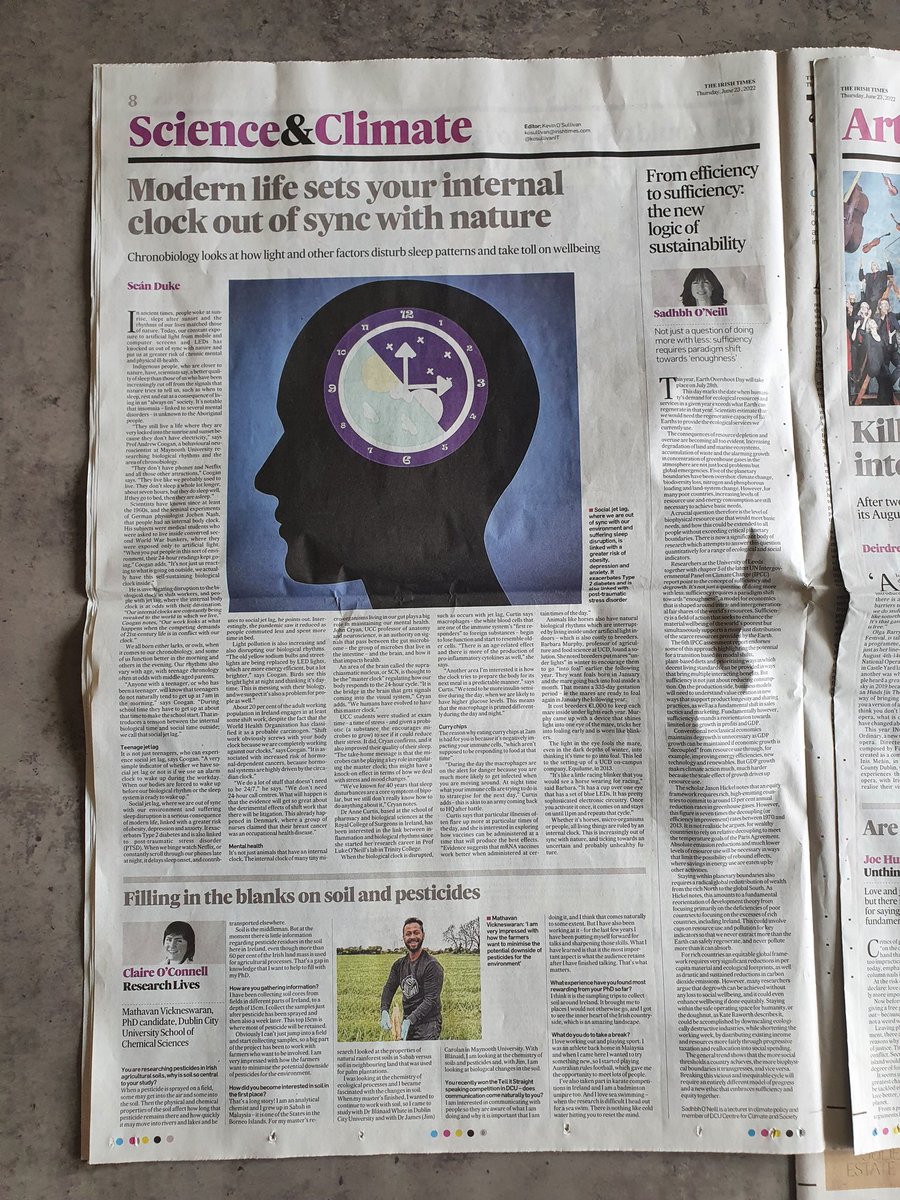
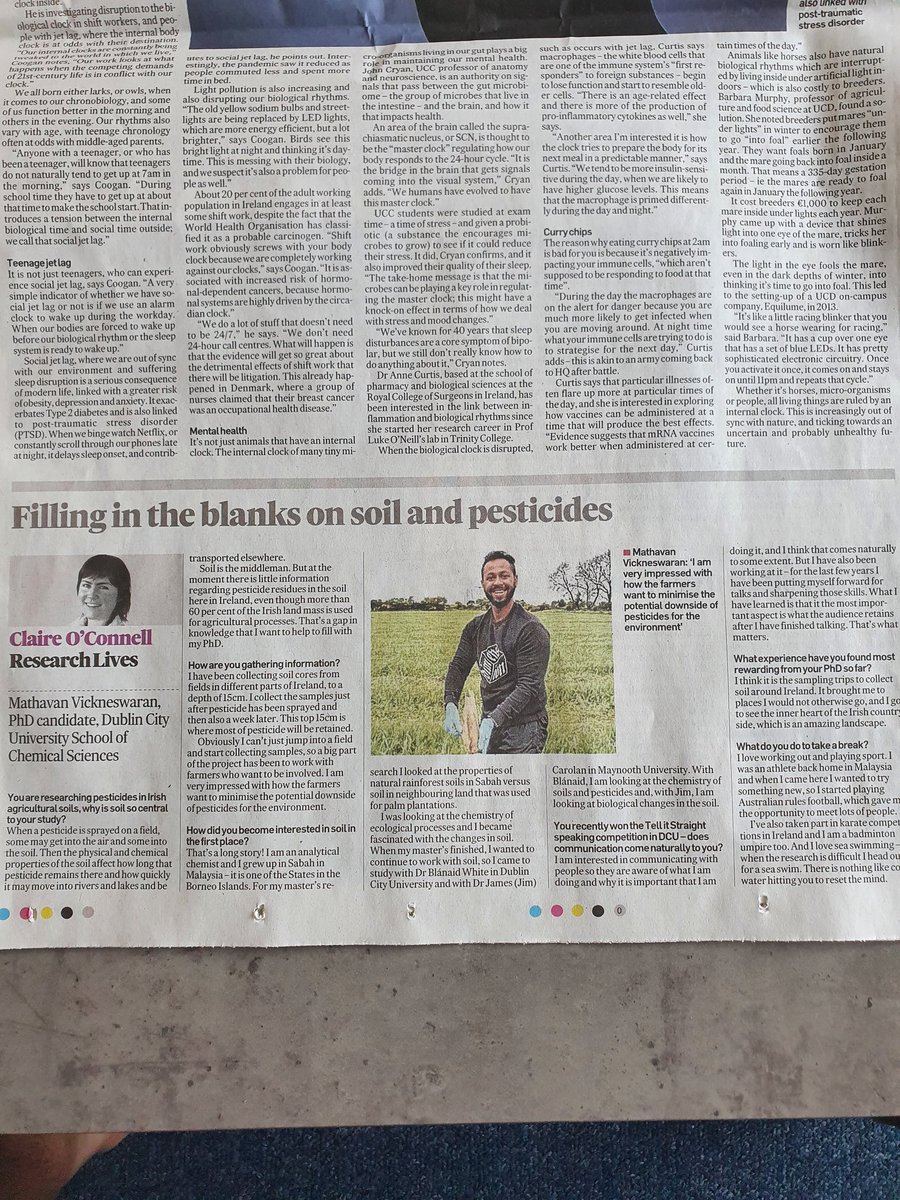
I am so excited to share this with everyone...I am published in the @IrishTimes today! It felt amazing to share about current research and my journey to Ireland to pursue PhD at @DCUChemistry 🎉
https://t.co/B1ejRD2YTt
@BlanaidWhiteDCU @JimCarolanMU@ProtectsProject
Pesticide residues are found in nectar and soils. But are there implications for bees, and what can we do to help? Read on to find out more from the PROTECTS project in Ireland! https://t.co/hacgRoMfwv https://t.co/6jeVzOmJsw 1/16
📰✨ I am very grateful and thrilled for the opportunity to share our research on pesticide contamination in Irish soils with @Independent_ie. Massive thanks to @BlanaidWhiteDCU, @JimCarolanMU, @DCU, @DCUFSH and research funder @agriculture_ie !🎉🎉🎉
📢Exciting news! Our study on pesticide contamination in Irish soils is featured in the Irish Independent! 🇮🇪
Check out the news article link: https://t.co/CIV5GBjvIQ
Dive deeper into the comprehensive findings beyond the newspaper spotlight: https://t.co/gW7No4A8Pc
🧵(1/6):
🌱 Our study is just the beginning of soil pesticide research in Ireland. Our research will serve as a foundation, but future studies will need to explore a wider range of compounds, pesticide persistence dynamics, and address the potential risks of pesticide contamination
Dr Ruairi Brannigan @R2B2_13, School of Chemical Sciences @DCUChemistry, is aiming to produce more environmentally sustainable pesticides and fungicides as part of his project for the SFI Future Food Systems Challenge @scienceirel. Read here: https://t.co/oSJDbjSH7l
The average science student pays roughly €12,000 over the course of their degree and DCU can't fork out a few quid to allow students to retain access to the contacts and conversations formed over 4 years.
So much for the enduring spirit of the @DCU alumni
We're very proud of PROTECTS PhD student @ZioElena who passed her viva yesterday. Read more of Elena's work on pesticide residues in pollen and nectar below! Well done Dr Zioga!!