Over my career, like many of you, I’ve heard countless versions of Gradual Release of Responsibility, I do, we do, you do, all varying in important ways. Sadly, it’s become very buzzwordy with many lethal mutations in practice. Many of which I’ve been prone to myself.
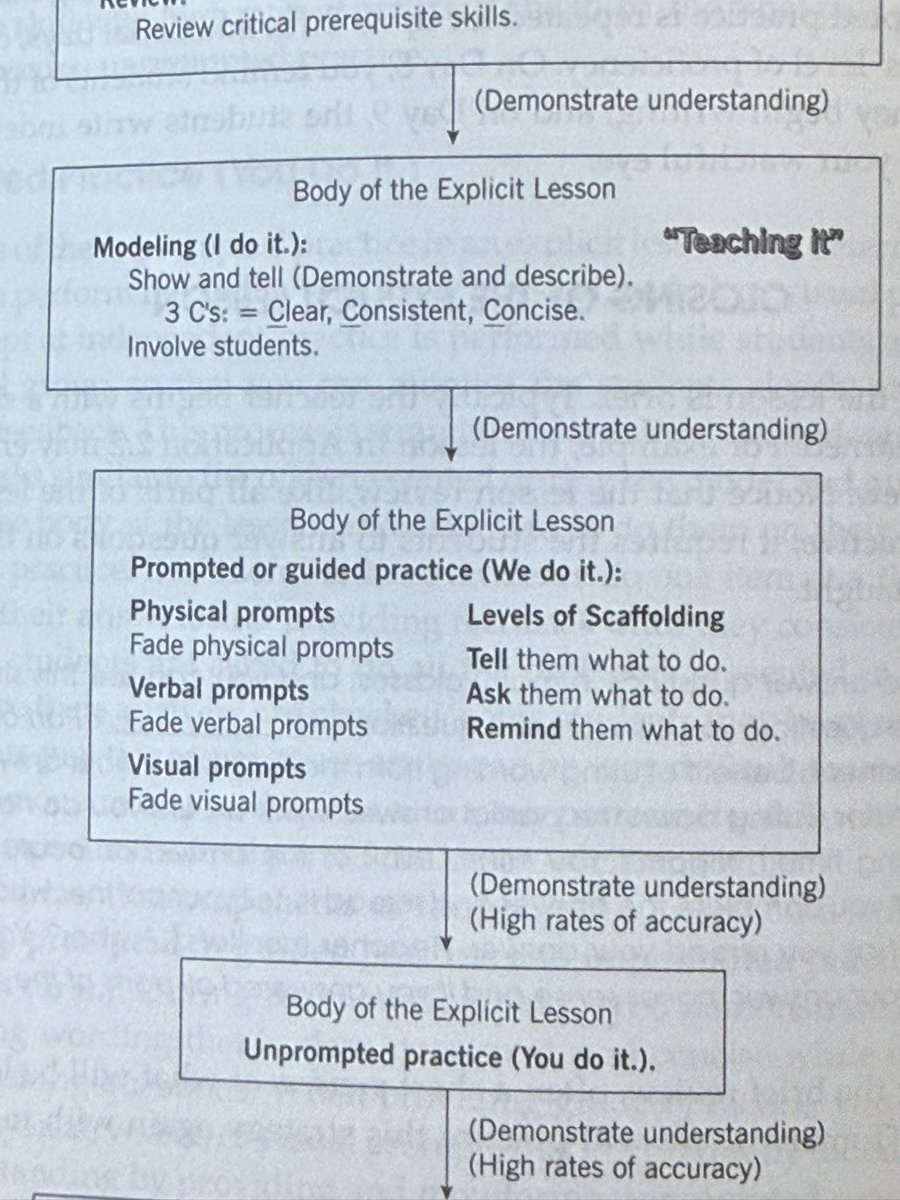
Anita Archer’s articulation of “I do, we do, you do” in Explicit Instruction is the most precise yet nuanced version I’ve ever encountered.
Many circulating versions I’ve been trained on before contain a key lethal mutation in the “we do” phase which can and will reduce the effectiveness of the other phases: guided practice is treated more as a brief checkpoint where students “help” the teacher rather than an extended instructional phase, with responsibility rotated to independent practice well before students demonstrate sufficient accuracy and fluency.
I really appreciate how Archer outlines the importance of “prompted practice” aka “guided practice/We do” with different levels of scaffolding and different types of prompts temporarily available to students.
Based on this dynamic, most importantly, “guided practice / we do” is not the teacher modeling an example while students help. That’s “modeling/I do”.
“Guided practice / we do” needs to be students actively executing each step with the teacher providing prompts, scaffolds, and immediate feedback until a high rate of success is achieved then unprompted practice can begin.
TL;DR: “We do/guided practice” is students do it with your help not you do it with student help.
It’s Day 2 of #CalculatorCrunch and today’s puzzle is called All the Sevens.
Can you use just four 7s and all the operation keys to make all the numbers up to 30? Don’t forget to let us know how you get on!
Visit https://t.co/C5XY1nyP6Y for more.
So, the session is done, and the announcement has been made - a brand new website! (as I am sure some of you had guessed).
The website is https://t.co/q3ECmEFrLQ and contains 100 (to start) questions and tasks designed with front-loaded feedback in mind. #MathsConf38
📒 Barak Rosenshine’s Principles of Instruction offers 10 evidence-based strategies that all teachers should know based on key research from cognitive science and research on master teachers. This poster outlines the lot!
👊 REPOST and grab a free HQ copy here: https://t.co/Xj2XpPGvnu
✨ This year's LMS/@GreshamCollege Lecture features Robin Wilson (@OUMathsStats) will explore renowned mathematical equations and their history, from early geometry to fractal art.
Free event, all welcome. Online registration open 👇
https://t.co/Xv4OVnOrCo
@HughesHaili Difflam mouth wash and Corsodol gel. Brutal approach is bicarbonate of soda on them the thoroughly clean out. Hope they clear up soon. Take care xx
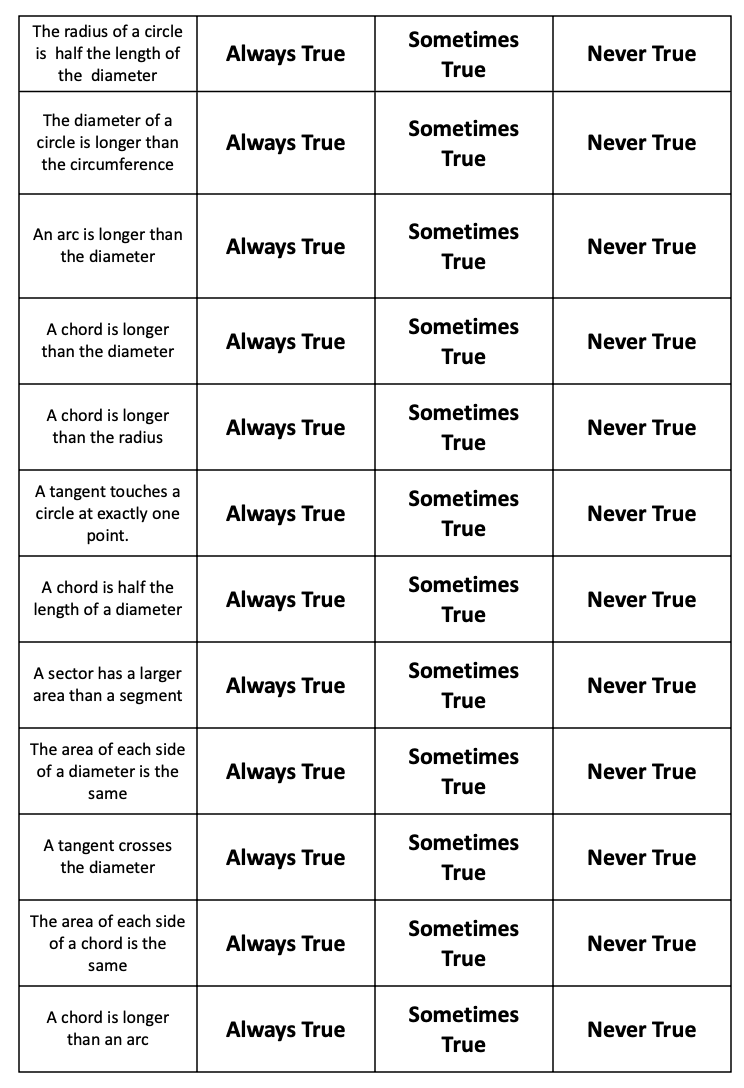
Also (though it possibly needs some rearranging) made a "Sometimes, Always, Never" on parts of a circle that I've got to say... I'm pretty chuffed with 👍
#mathschat
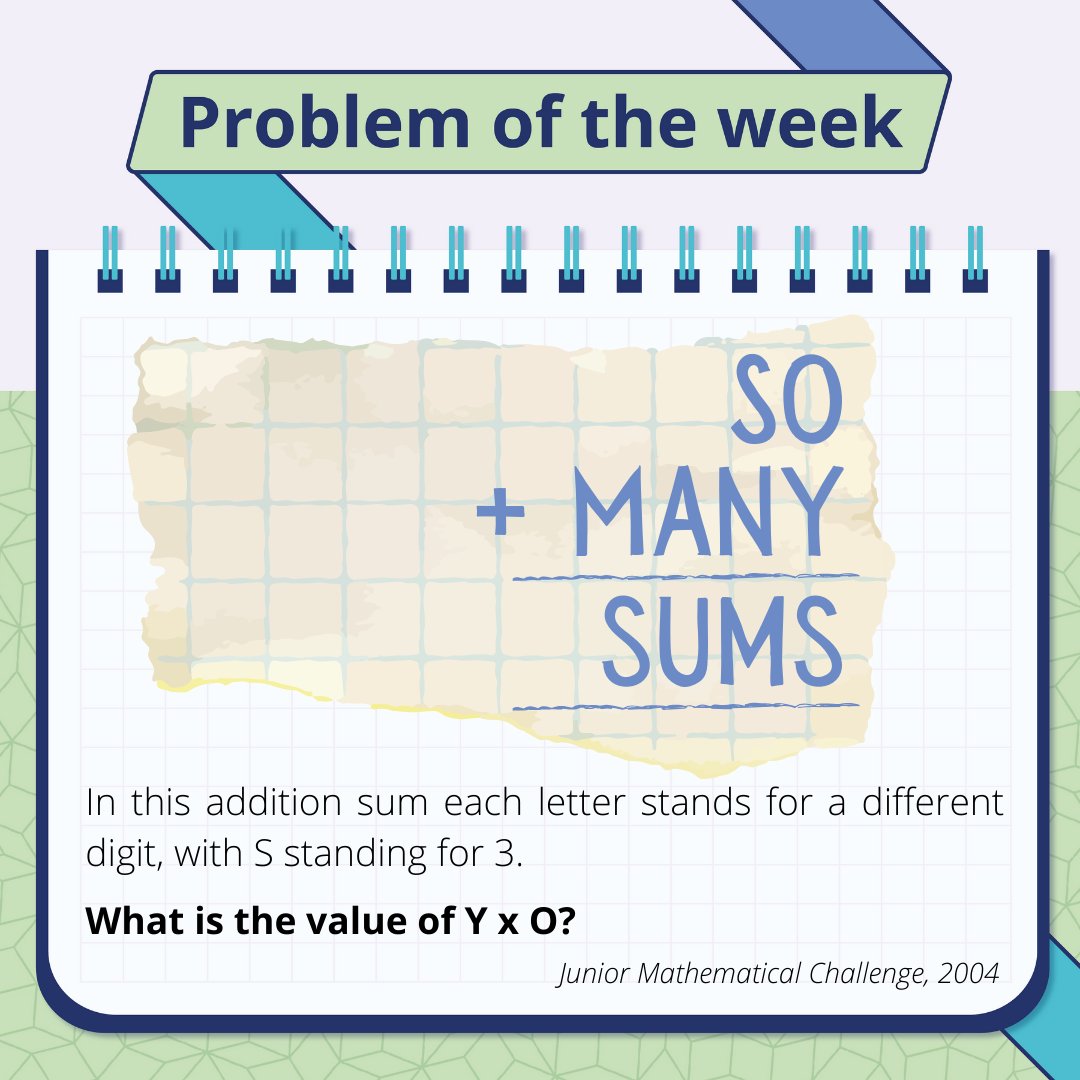
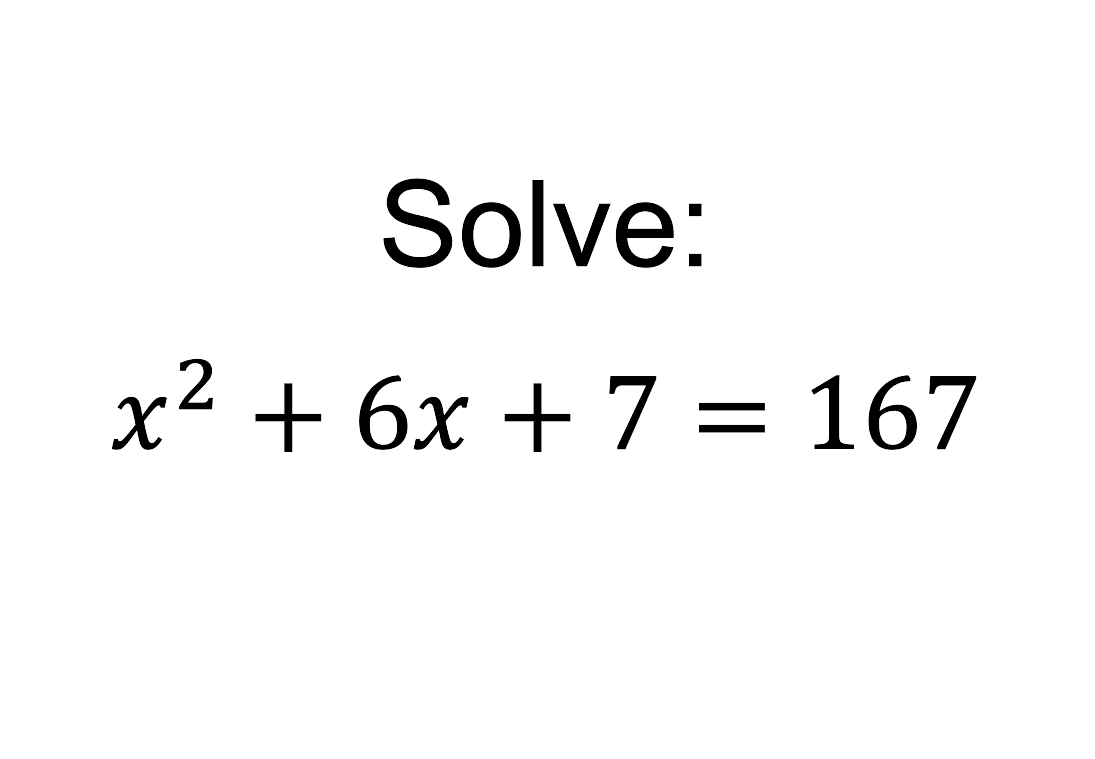
Problem of the Week 85!
Please do not comment the solution so others can work it out too. Instead, like this post or comment a thumbs up if you think you have the correct answer!
The solution will be posted in the comments on Thursday afternoon.
#Problem#UKMT#Maths
This is the single book that's had the biggest impact on my teaching - highly recommended!
Tom Button
Have you got your copy?
Thinkers - a collection of activities to provoke mathematical thinking
https://t.co/Doi9R8qBNP