We need to
- Identify tailored approaches to remove key roadblocks
- Find cost effective & feasible pathways
- Strengthen governance & accountability
- Reality check for sustainability!
o Diagnose the problem
o Address goal conflicts
o Bring back time dimension to sus dev
4/4
Building capacity for transformations:
- #Foresight
- Nurture #innovation and de-risk investment
- Strategic direction
- Comprehensive and sequenced policy mixes
- Negotiation and conflict resolution
- #PublicEngagement
tbc
@SkyttePrize winner Professor Finnemore's advice for political scientists:
1) let yourself be surprised by your empirics
2) combine theories for innovation
3) you're smarter with friends
4) be humble (the practical world is harder)
@PhDVoice#PolSci#ResearchLife#ResearchAdvice
Don't forget to join us TODAY AT 15:15 CEST and listen to Martha Finnemore and Alexander Wendt's Skytte prize winner lectures @UU_PoliSci @UU_University
https://t.co/PJ583W9hkb
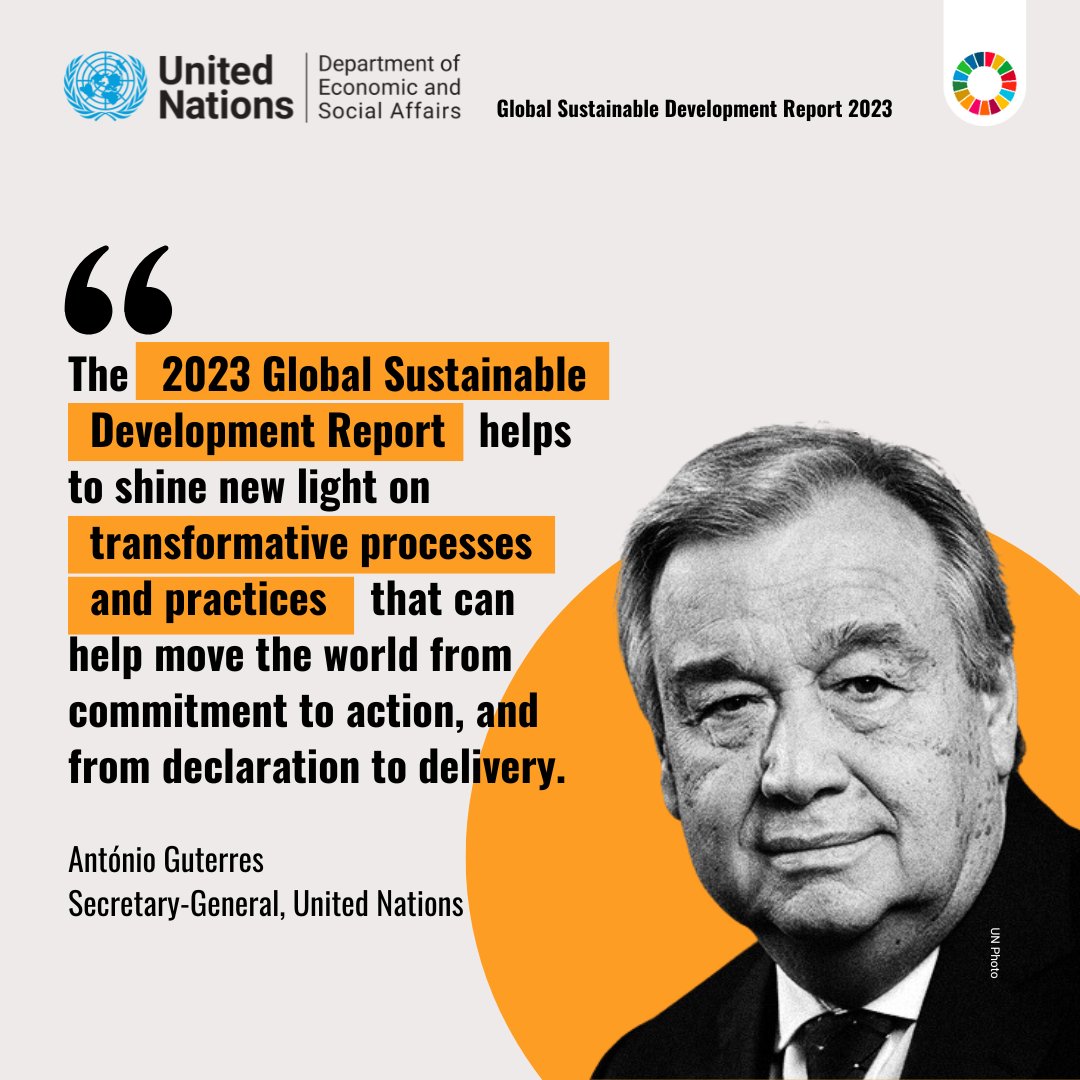
Today we launched the UN 2023 #GSDR - an independent scientific report commissioned by UN member states to evaluate progress on the #SDGs and synthesise solutions and actions to accelerate #Agenda2030, ahead of the #SDGSummit .
Thread 🧵
@SustDev@SEIresearch@LiU_EnvChange
We've all seen these charts. They go viral on social media every few months, with claims that "green growth is happening".
Is green growth really happening? We assess this question empirically in a new article out today in The Lancet Planetary Health: 🧵https://t.co/xzElT61Xj6
Ecuador's people are one of the first to say NO! Will that be the start of something larger or just one drowned out voice? Totally agree that global finances have to be rethought. https://t.co/IDdqXHSFYV
Rich states trap global South countries in debt, forcing them to extract and export fossil fuels (and other resources) to service it. Debt also prevents GS governments from investing in green transition.
Climate is a colonial problem. Abolish the debt.
https://t.co/7hIgFx543c
Disturbing new research. Current policies leading to 2.7 °C global warming could leave one-third (22–39%) of all people outside the human climate niche, facing increased mortality or displacement. https://t.co/H2I7UYZhYT
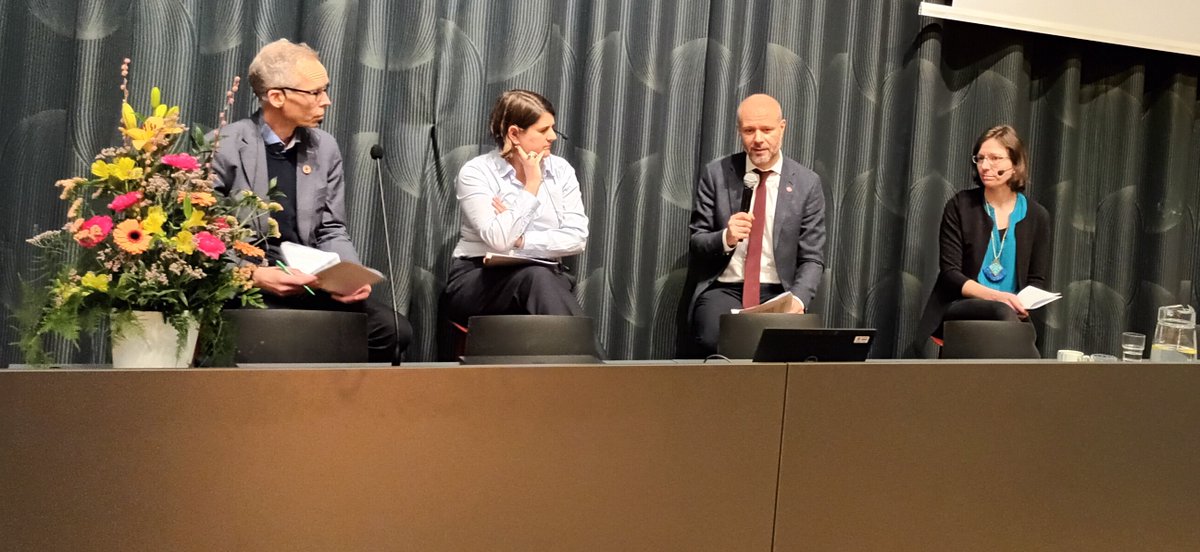
Food for thought after the panel discussion in the Celsius Lecture @uppsalauni about how science can engage with society to build a safer and more just future moderated by CNDS Director.
#planetaryboundaries#climatechange#WEFnexus