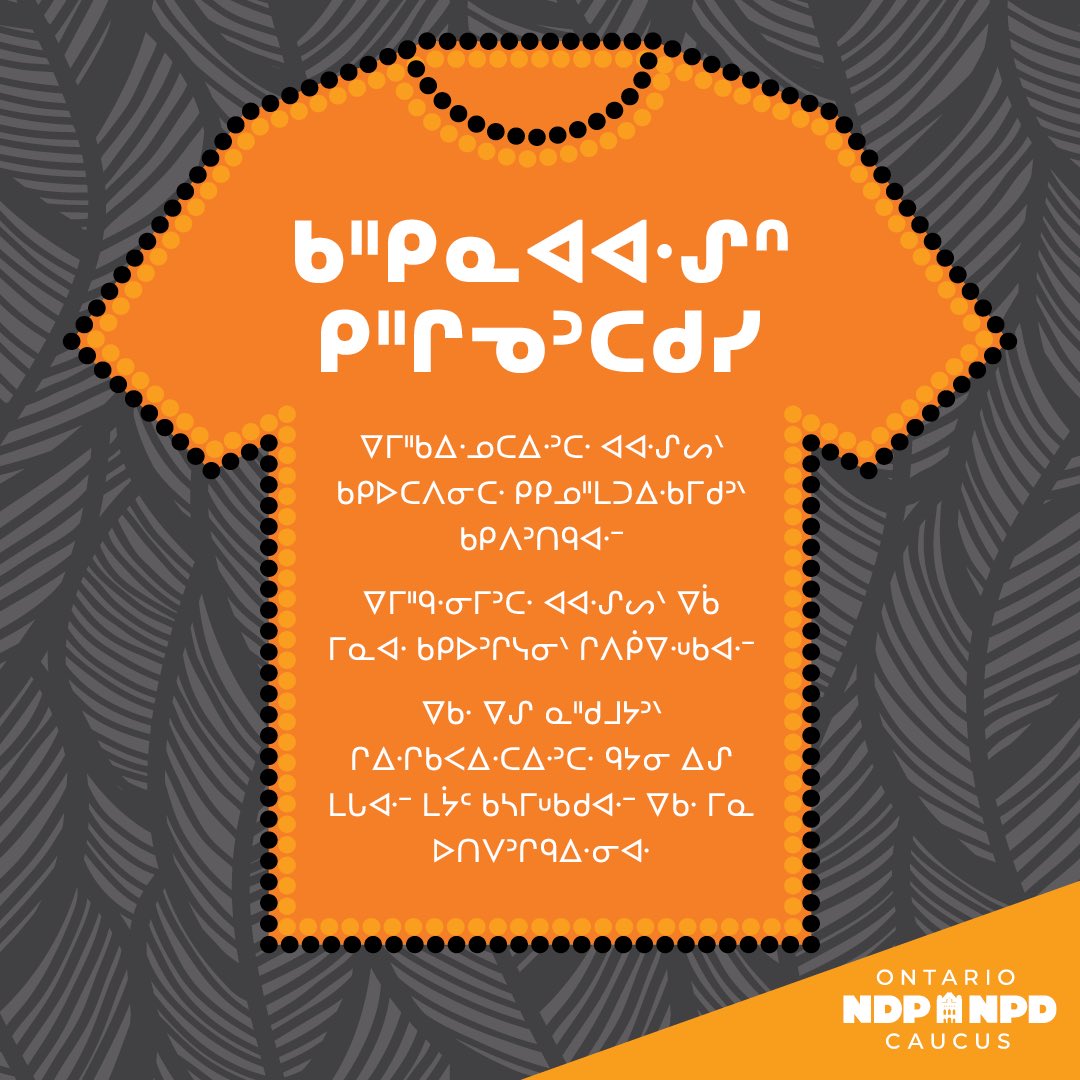
Let’s use this week to learn about Treaty rights and relationships. Treaties outline how we share the land and define responsibilities for all.
In the AMDSB, we abide by several treaties: Dish with One Spoon, Two Row Wampum, and Treaties 29 and 45 ½.
Visit:https://t.co/PghqUEt9Aa
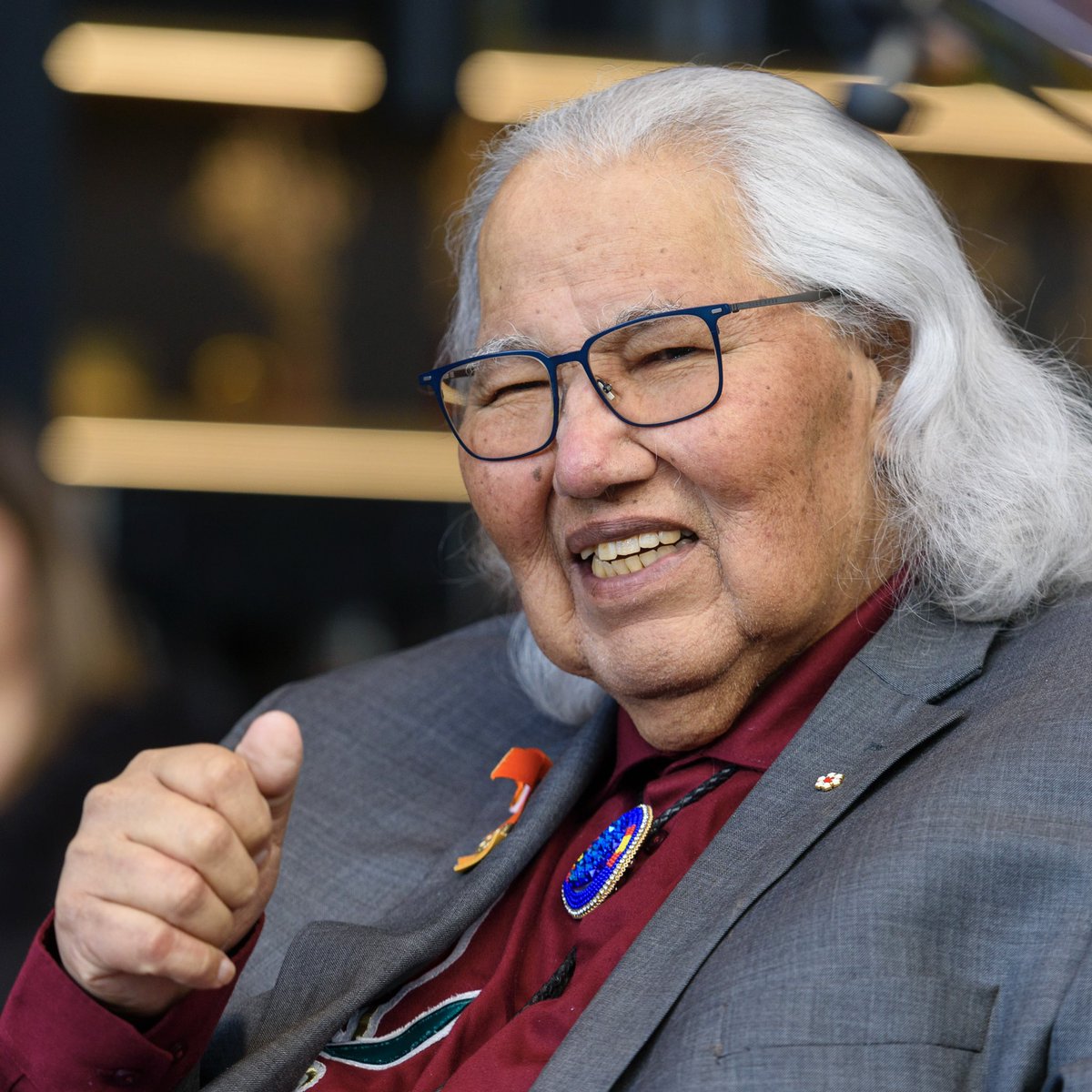
Murray Sinclair was a great Canadian, a great Manitoban, a great Anishinaabe.
His career stands as a legacy of public service and a deep commitment to truth, fairness and dignity for all people.
He was the first Indigenous person to be named to the Manitoba provincial court and the Court of Queen’s Bench of Manitoba. He was the first, but he will be remembered as one of the best.
He was appointed co-commissioner of the Aboriginal Justice Inquiry, which laid bare systemic racism within the justice system and is considered a foundational perspective on the system’s relationship with Indigenous people. He led the Pediatric Cardiac Surgery Inquest and his report spurred systematic change in the delivery of pediatric cardiac care in our province.
The penultimate moment of his career was his work as chair of the Truth and Reconciliation Commission of Canada. He approached a process that could have been divisive and instead transformed it into Calls to Action for the future of our country, helping all Canadians to learn to walk together into a future of respect and understanding where we live up to the phrase residential school survivors taught us – Every Child Matters.
It will be a long time before our nation produces another person the calibre of Murray Sinclair. He showed us there is no reconciliation without truth. We should hold dear in our hearts his words that our nation is on the cusp of a great new era and we must all “dare to live greatly together.”
On behalf of the people of Manitoba, I extend my condolences to his family and to all Canadians for the loss of Mazina Giizhik.
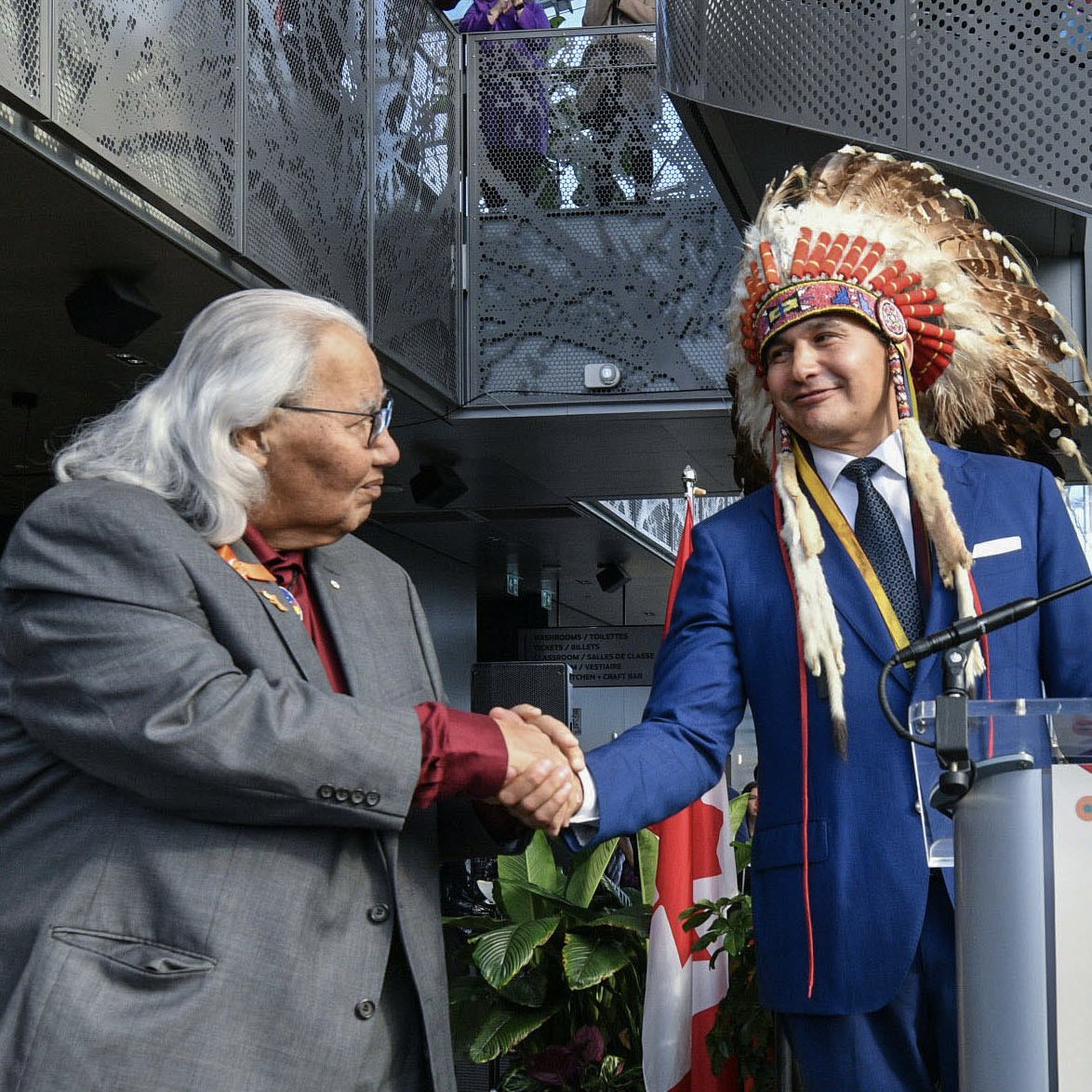
A sacred fire will be open to the public on the north side of the legislative building grounds until Murray Sinclair’s funeral later this week.
We are devastated to learn of the loss of our beloved leader and Elder, Mizana Giizhik, His Honour, Murray Sinclair. His tireless work to advance the rights of Indigenous Peoples and ensure the legacy of residential school Survivors will never be forgotten.
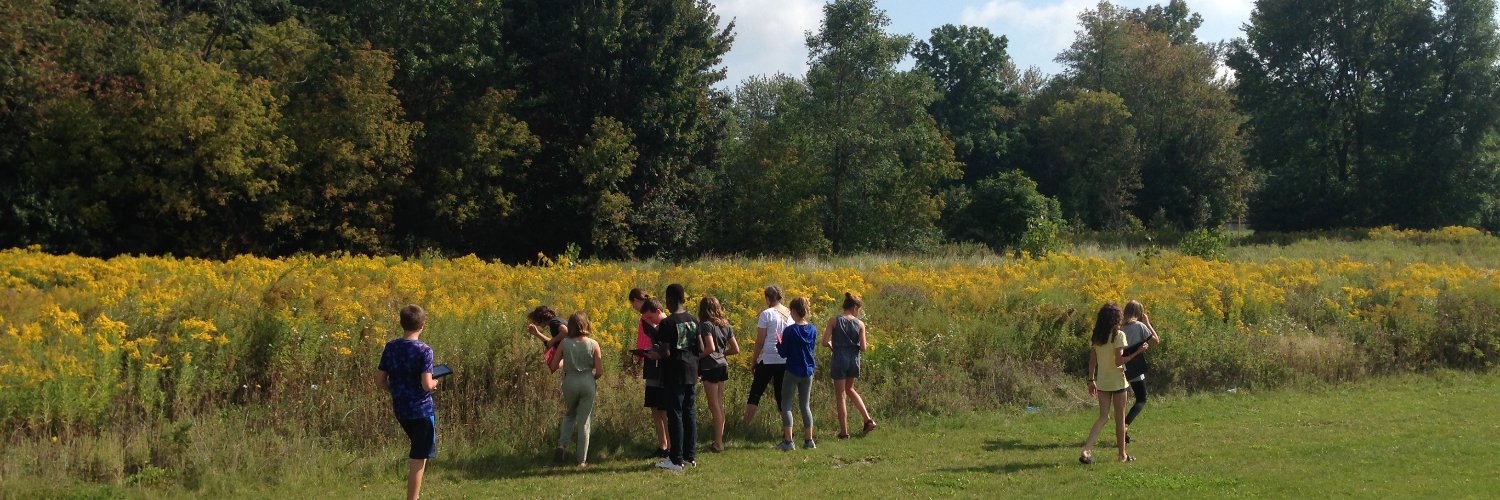
Mr. Shepherd’s grade 7 class at North Perth Westfield have planted a demonstration forest of native trees. 🌲🌳 The trees are increasing biodiversity and creating a valuable space for outdoor learning. Thanks to @maitlandvalley for your support with planting! @yourschools
Tomorrow, we're hosting an Elementary Student Environment Forum!
Gr 4-8 students and teachers will come together to:
✨ Learn about conservation from Indigenous and non-Indigenous perspectives
🌱 Connect with the land
🎤 Incorporate student voice into planning outdoor learning
On World Cerebral Palsy Day, we honour and celebrate individuals living with Cerebral Palsy, along with their families and caregivers. At AMDSB, we stand for equal rights, access, and opportunities for people with Cerebral Palsy, ensuring our communities are inclusive for all.
Yesterday, AMDSB staff and students wore orange to honour #OrangeShirtDay, reflecting on the history of Residential Schools. Every orange shirt is a reminder that #EveryChildMatters. We stand for truth, reconciliation, and healing.
National Day for Truth and Reconciliation and Orange Shirt Day is a time to reflect on the ongoing impacts of colonial policies on Indigenous communities and acknowledge Canada’s 94 Calls to Action from the Truth and Reconciliation Commission.
Education is key to reconciliation.
Today is Orange Shirt Day also know as the National Day of Truth and Reconciliation.
It’s a day to reflect. It’s a day to mourn. It’s a day to remember the ones that never came home. It’s a day to learn about Indian Residential Schools.
Let’s walk together on this journey.
Today, we're wearing orange to honour the Indigenous children and families affected by residential schools in Canada - a colonial system that left generational scars on the Indigenous community.
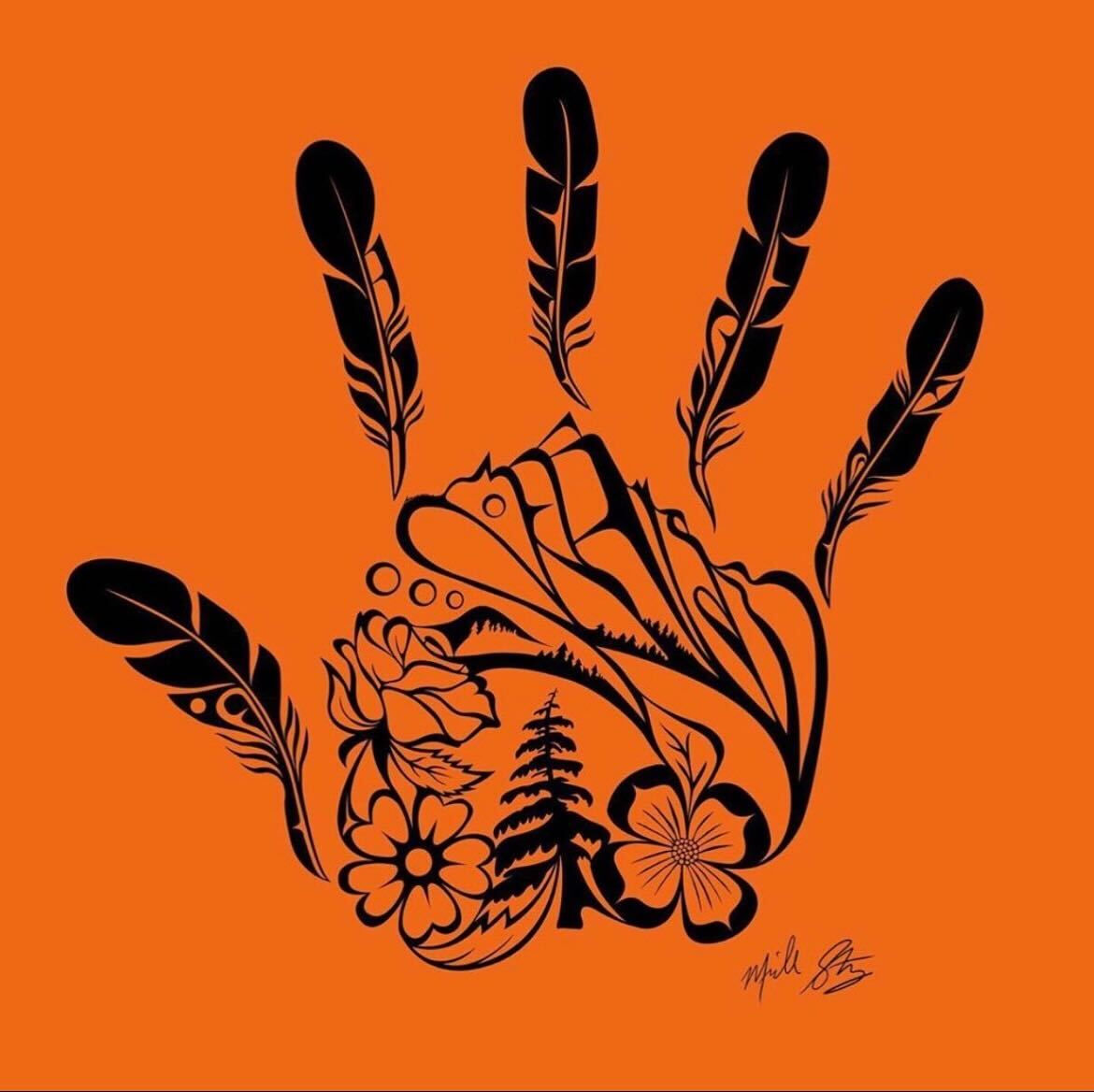
Artwork shared from Michelle Stoney (@mstoneyart on Instagram).
On September 30, we wear orange to remember Phyllis’ story and the 150,000 Indigenous children like her who were taken from their families, communities, and cultures.
Join us tomorrow for A Day To Listen or listen now at https://t.co/uYZJT57YLC
#DoSomething#OrangeShirtDay
Every child matters. Tomorrow, on the National Day for Truth and Reconciliation, let's reflect on and remember the inexcusable harm done to generations of children by the residential school system.
Artwork shared from @emilykewageshig on IG
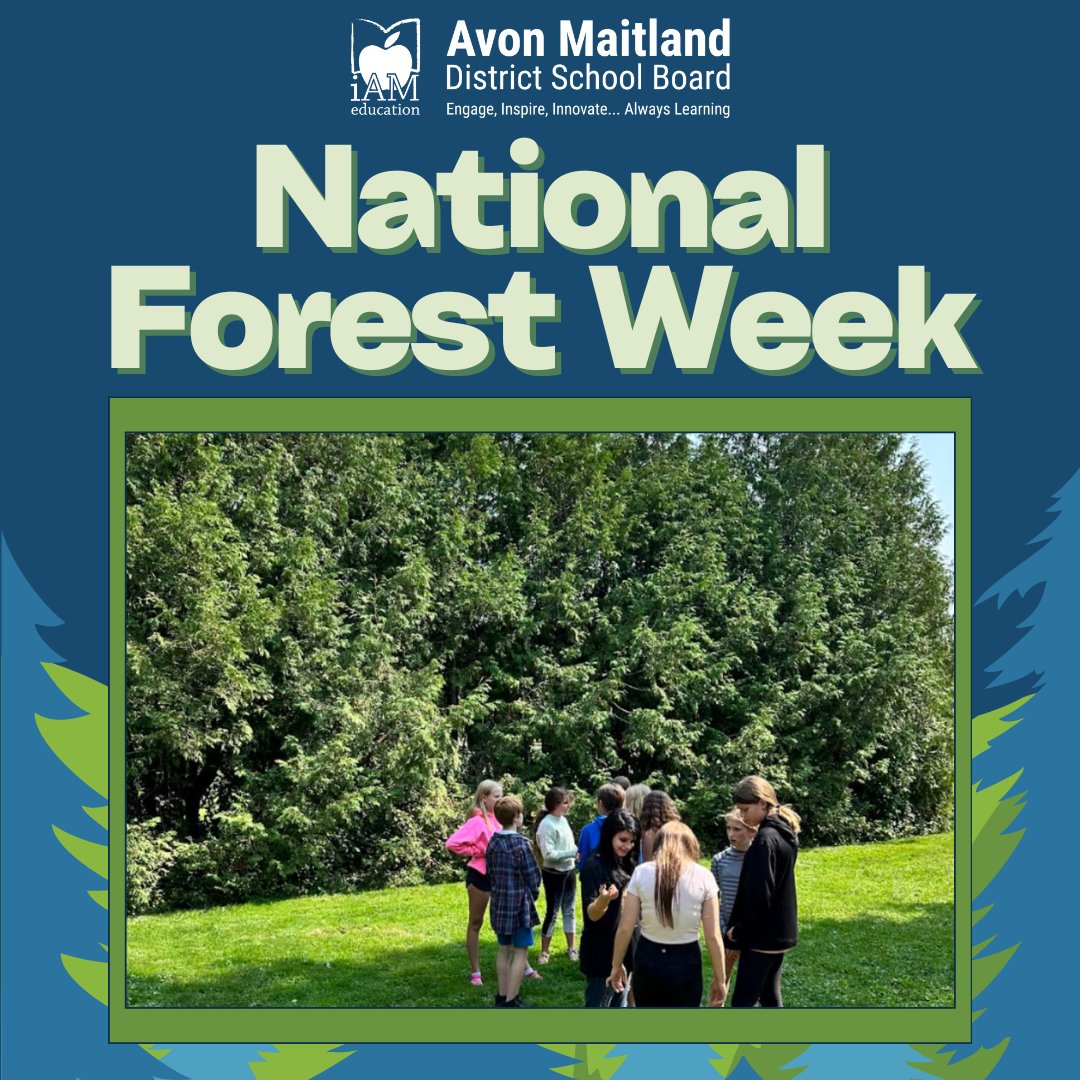
These beautiful cedar trees are in the schoolyard at @DCVI_Salukis.
Cedar is 1 of the 4 medicine plants for the Anishinaabe and Haudenosaunee Peoples. It is used for purification, healing, and protection. Cedar tea is a source of vitamin C and the bark makes good tinder.
Did you know that unmarked graves are still being discovered on the sites of former residential schools across Canada? Visit https://t.co/xNbi6zIBV7 to learn more about the truth and trauma of the residential school experience.
#EveryChildMatters#NTRW2024
This stunning maple tree 🍁 is in front of @shdhspanthers.
5 species of maple trees are native to Ontario. Sugar from maple sap has helped to sustain Indigenous Peoples for millenia. When newcomers arrived, First Nations People taught them how to make maple syrup.
Kentucky Coffee Trees are native to southern Ontario. This one is growing at @LittleFallsPS. The leaves of the trees can grow to 90 cm long—the largest leaves of any native tree species in Canada. The fruits of this tree are dark brown bean-like pods that are about 20 cm long.