Christopher Nolan asked IMAX to build him a new camera. They did. Then he and Matt Damon spent four months filming The Odyssey on the open ocean, on the largest modern Viking longship in the world, with no green screens at all.
The shoot ran 91 days, from late February to August 2025. Seven countries: Morocco, Greece, Italy, Iceland, Scotland, Western Sahara, and Malta. Aside from one indoor studio in Los Angeles, every shot was filmed on real ground. In Italy, the cast and crew climbed 900 feet up a mountain every morning. Imagine walking up a 60-story building before breakfast. In Iceland, they filmed the underworld scenes by lantern light while rain came at them sideways.
The four months at sea actually happened at sea. Damon and the actors playing his crew sailed on a real ship called the Draken Harald Hårfagre, used here as a Greek warship. Nolan called the experience "primal." He said the cast and crew were exhausted in a way he had never seen before.
The cameras were the other big problem. IMAX cameras have always been too loud to record clean dialogue, which is why directors mostly save them for big action scenes. Nolan asked IMAX to fix this. They engineered a new soundproof case for the camera, a kind of quiet jacket, that lets the lens get within a foot of an actor's face while they whisper and still pick up clean audio. The new cameras also came out lighter and about 30% quieter than the old ones. To prove it worked, the lead cameraman Hoyte van Hoytema filmed a tight close-up of a child reciting a David Bowie song, "Sound and Vision." Nolan watched the test and called it "electrifying."
Damon went all-in on the role. He dropped to 167 pounds on a strict no-gluten diet. He grew a real beard for a full year because Nolan refused to allow a fake one. The crew built a full-scale wooden Trojan Horse and shot the attack scene at an ancient walled town in Morocco called Aït Benhaddou. Nolan himself climbed inside the horse with the cast and his cameraman to get the shot.
Across the whole shoot they used 2 million feet of film. That comes out to around 380 miles of it, longer than the drive from Los Angeles to San Francisco. At about $1.50 a foot, they spent roughly $3 million just on the film itself. The full budget was $250 million, the biggest of Nolan's career. They wrapped nine days ahead of schedule.
Tickets went on sale on July 17, 2025, exactly one year before the movie's release. That had never been done before in cinema history. Half of the 22 US theaters offering IMAX 70mm sold out within 12 hours, bringing in around $1.5 million in a single morning.
Nolan called the shoot "an absolute nightmare to film, but in all the right ways." He did not destroy a single IMAX camera. He has wrecked several over his career.
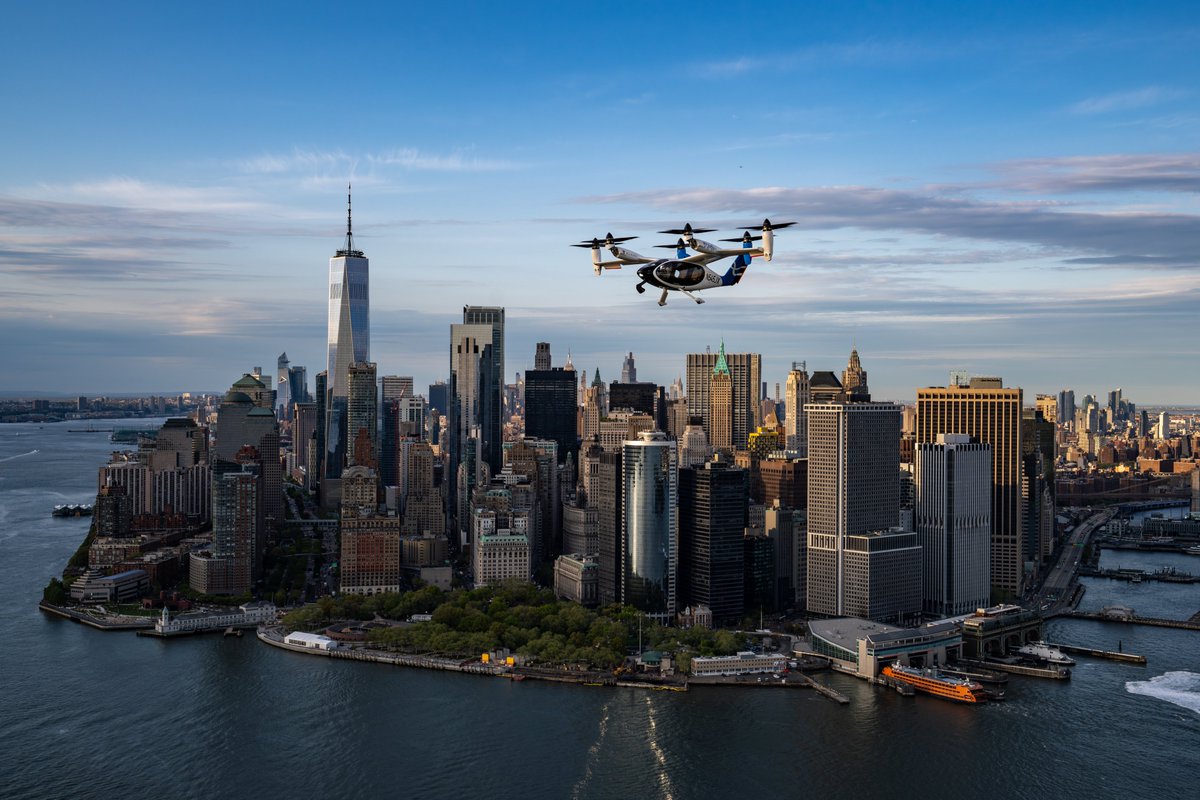
Hello, New York City. 🗽
Over the next week, our electric air taxi will showcase a quieter, cleaner, faster way to move through New York, in partnership with the @PANYNJ, @NYCEDC, and @FAANews.
The first ever point-to-point eVTOL flights in New York's history, connecting JFK to Manhattan's heliport network in minutes, demonstrate how we intend to integrate with the region's existing infrastructure.
Our vision for New York is simple: make getting to the airport — one of the city's most daunting experiences — one of its best, through partnerships with @Delta and @Uber that connect ground transportation and air travel in a single, seamless journey.
Full release + additional photos & videos ⬇️
An agency that productizes its services, runs on AI and automation, and generates recurring revenue isn't a professional services business anymore.
It's a high-leverage asset.
The window to build one has never been wider.
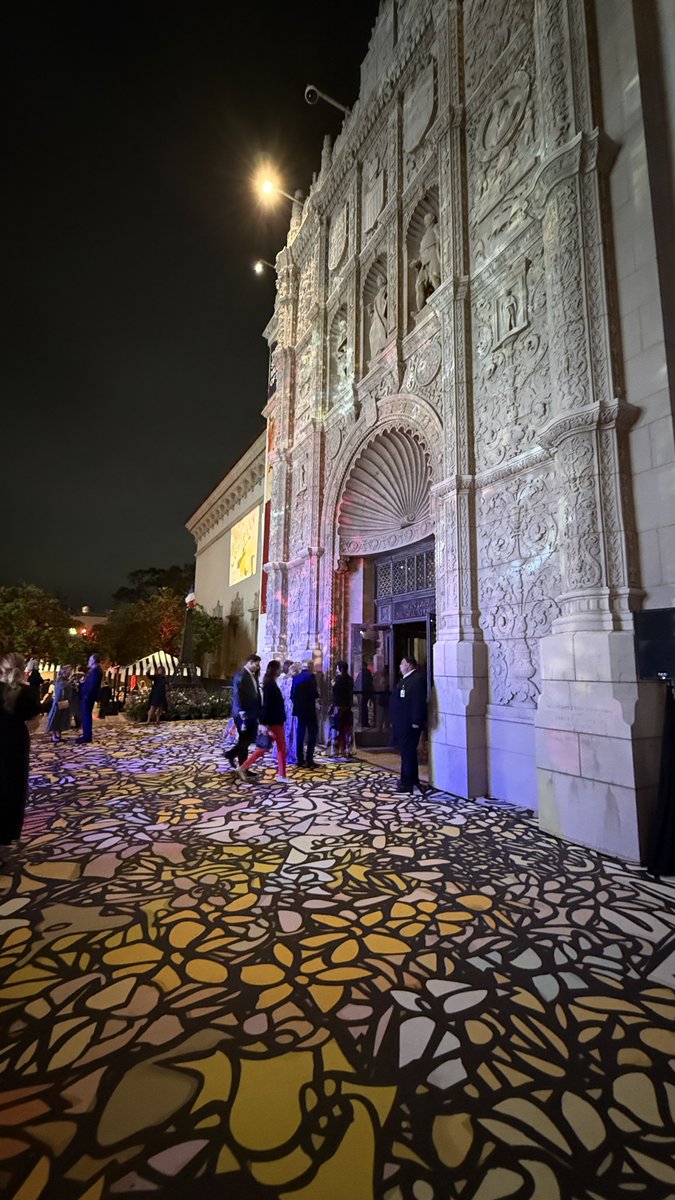
It's always a pleasure to celebrate and support the @SDMA 's biggest fundraiser of the year: Art Alive and Bloom Bash.
Funding for the arts in San Diego is at risk of getting slashed to nearly zero by Mayor Todd Gloria in the next budget — which I believe is a huge mistake for our community.
A city without art isn't really a city. It's just a place people happen to live.
"I see little of more importance to the future of our country and of civilization than full recognition of the place of the artist." — John F. Kennedy
Small team.
Tight budget.
No process.
Used to be disadvantages. Not anymore.
That's the only hand in the room that can try a new AI workflow on Monday and have it running by Friday — without asking anyone for permission.
That speed is the moat right now.
There's a 36-month window opening right now for agency owners.
Most of them will sleep through it.
Here's what it is, and why it matters more than any play I've seen in twenty years of working in the industry 🧵
That window closes in 3-5 years.
The tools normalize. The sophistication gap shrinks. The customer relationships get locked in — by whoever builds trust during this sprint.
The agencies that treat the next 36 months as the most important stretch of their career own the next decade.
When your working life rewards you, it’s easy to ratchet up the complexity: homes, cars, travel, possessions etc.
I have found that all that complexity comes at the sake of your most fleeting asset: your time. Instead of building things, all of a sudden you’re dealing with minutiae and logistics. Instead of talking mostly to engineers, you’re talking mostly to non-engineers. The building stops…the business of managing self inflicted complexity begins.
It’s worth noting that the best players in the game (Buffett, Elon) have kept their life extremely basic, almost monastic/nomadic, as success ratcheted them ever higher.
I think it’s the biggest secret hiding in plain sight:
When the world upgrades your status, downgrade your complexity.