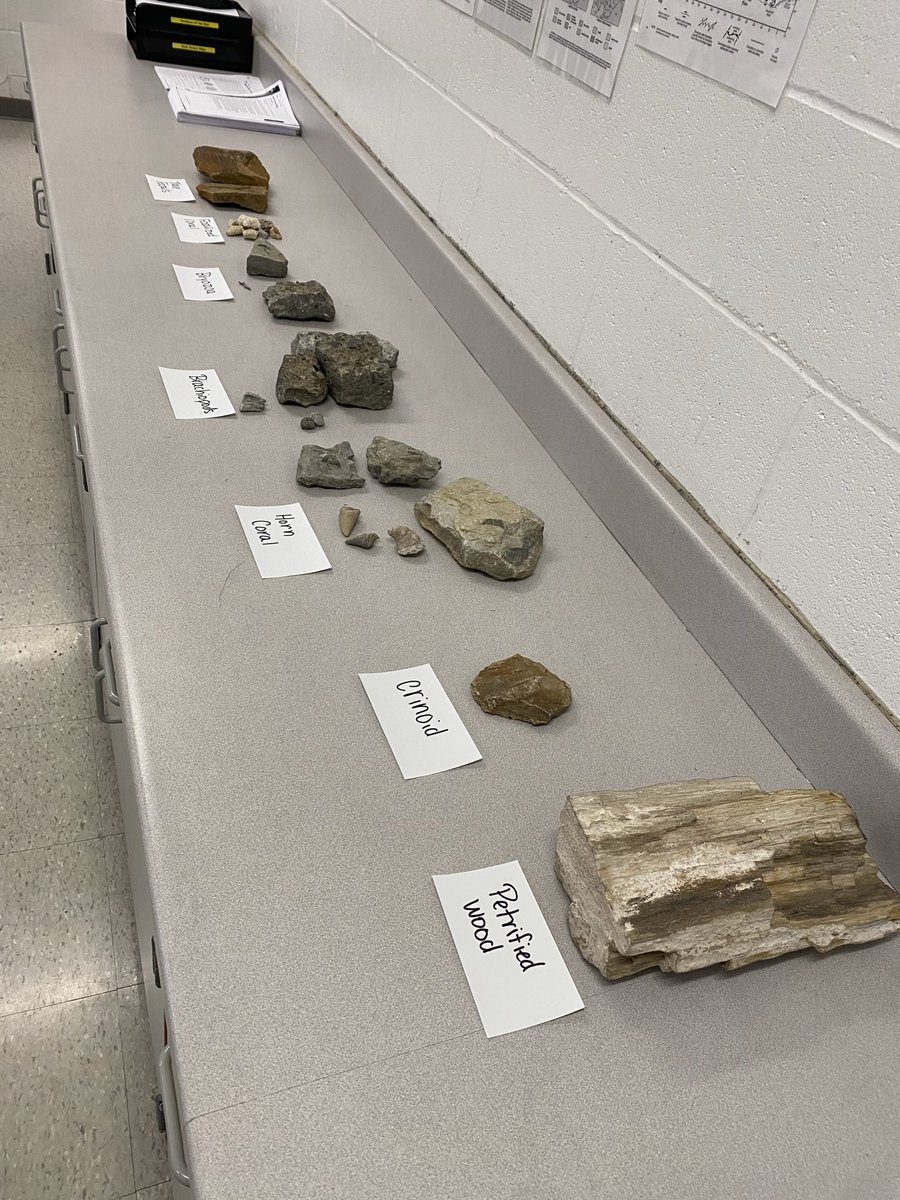
Fossil display as we continue our sedimentary rock unit! Over the next few days we will dive into history of earth and specifically right here in Ohio what happened 408 million years ago. This is a conversation we started with minerals and continuing with sedimentary rocks!
Sedimentary rock stations today! I’ve been really slacking on sharing some of the things that’s been happening in the classroom lately. Since my last post we have finished minerals and dove into rocks. We have finished up igneous rocks and will be finishing sedimentary rocks soon
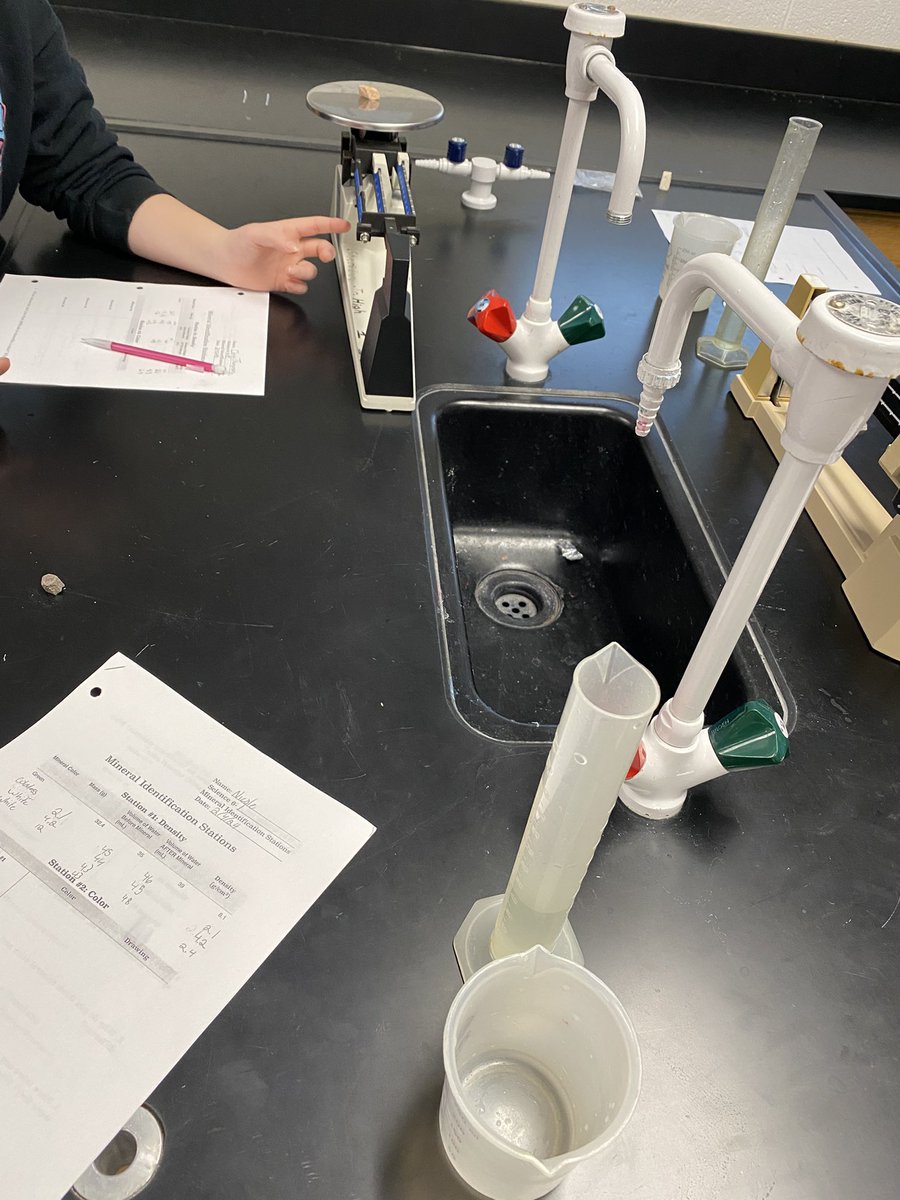
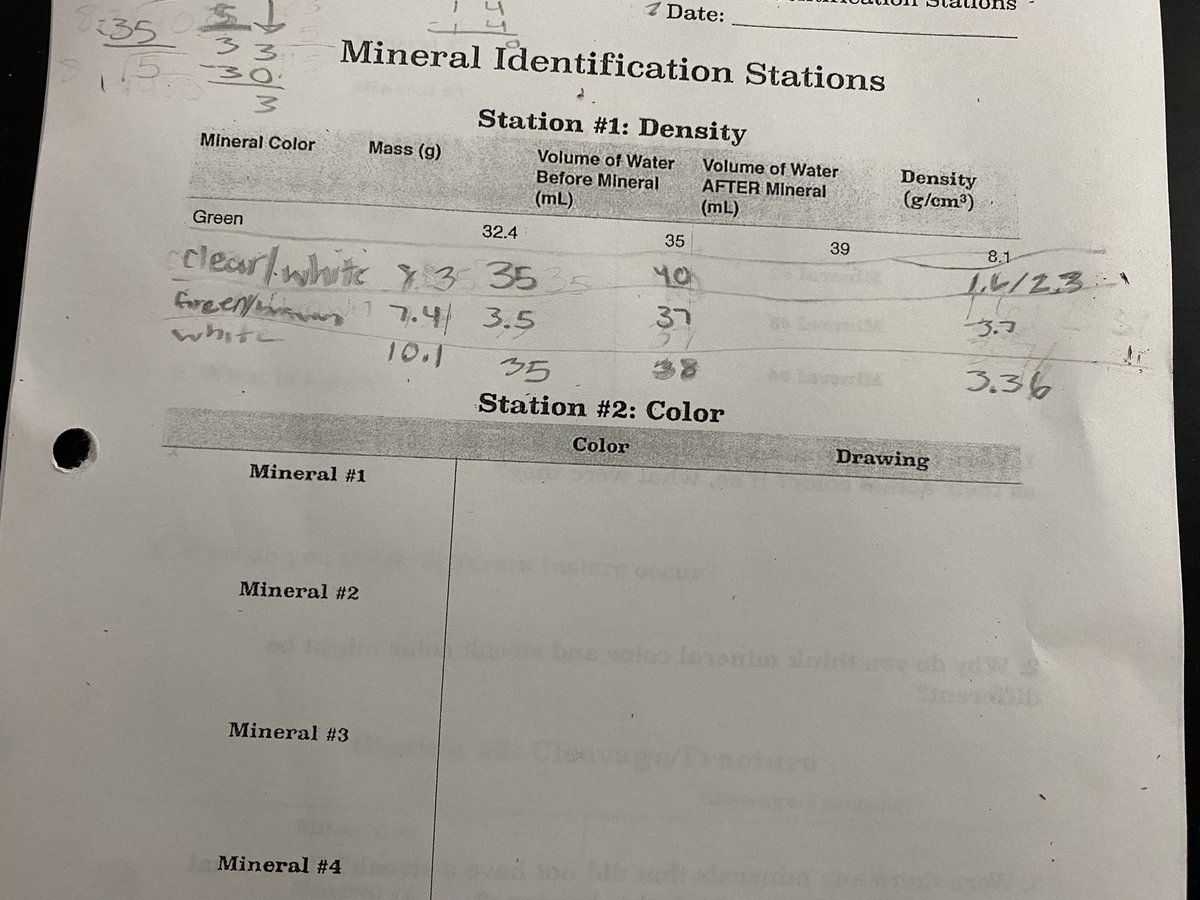
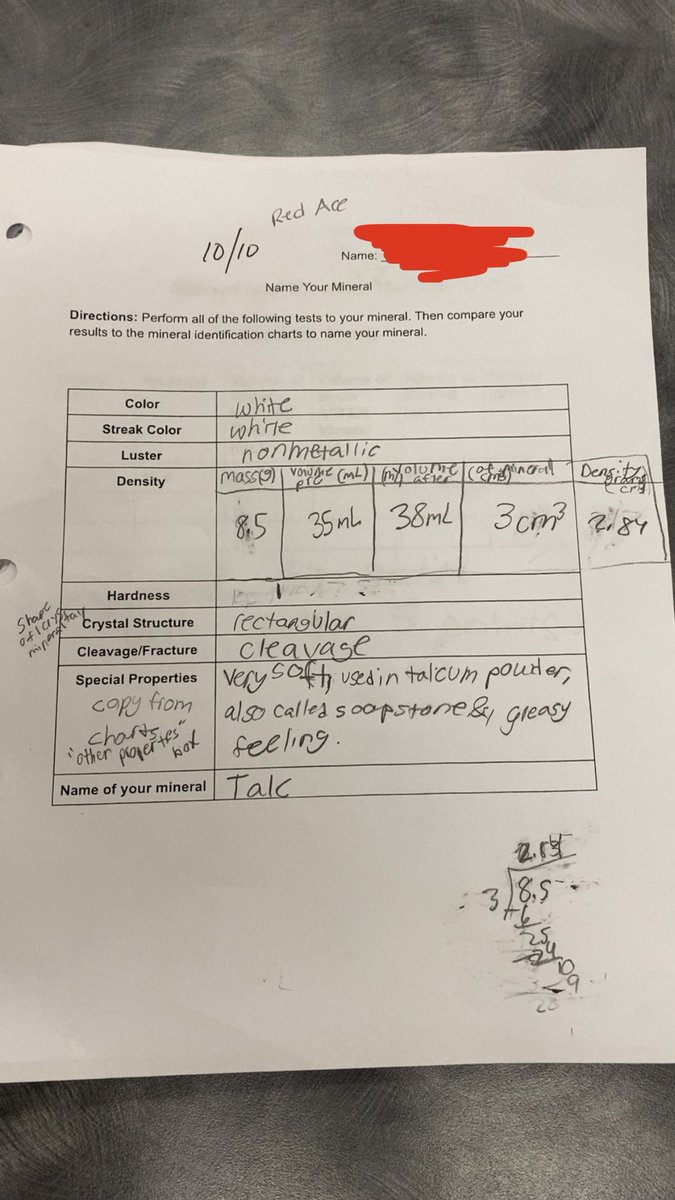
Since winter break we have been working on mineral identification and today was the day that student identification skills were put to the test. At the beginning of class they were handed a random mineral and had one goal: perform the testing and tell me the name of the mineral!
One of the things we talk about are special properties that are used to identify minerals. One of the many special properties is fluorescence. The first picture shows what the minerals look like and following pictures show how they change when exposed to a long wave black light.
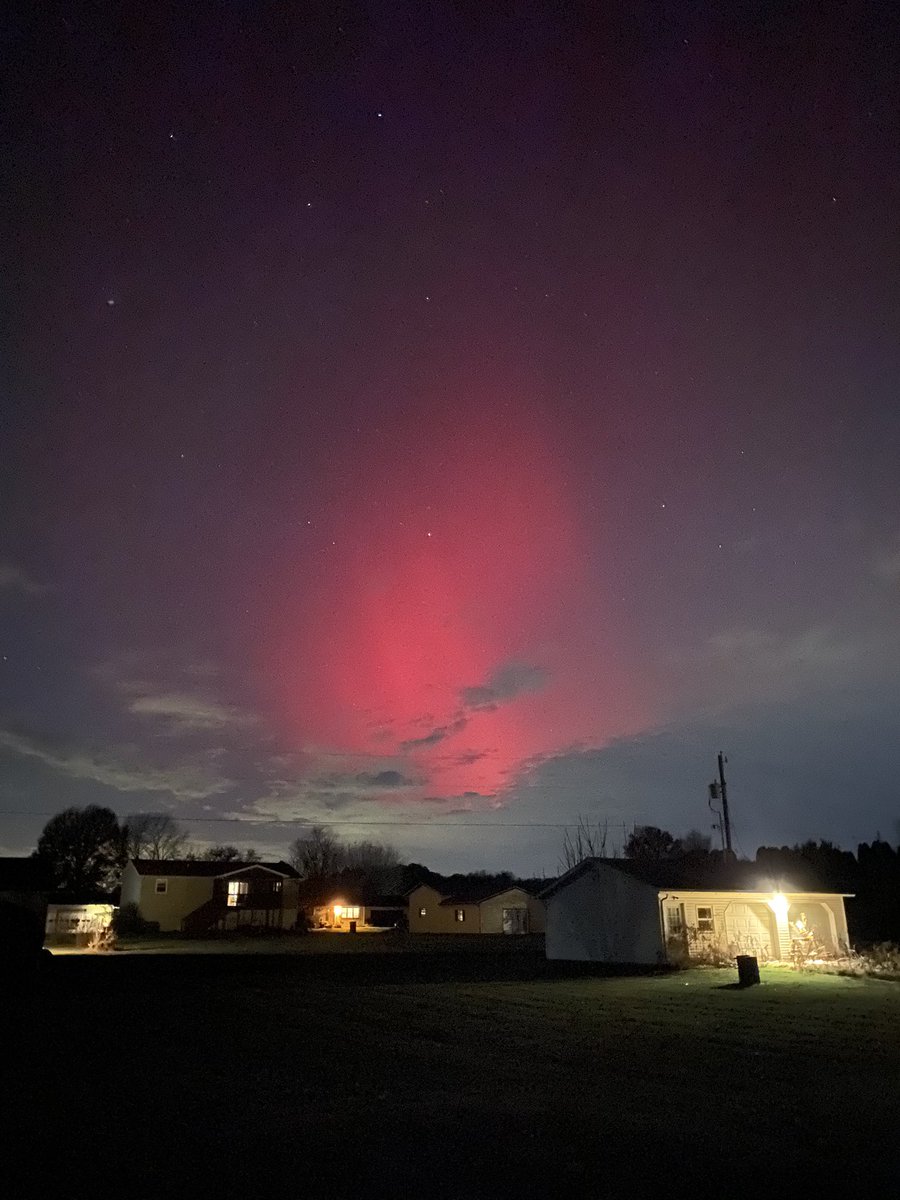
This happens when coronal mass ejections (basically flares of solar energy) come into contact with Earth’s magnetic field. They refer to this as a geomagnetic storm. These storms are common but the intensity of this event is why the “northern lights” have been so vividly visible.
Has anyone had a chance to look at the sky the last couple of nights?!? I missed some of the peak times at my house but as a science teacher I geek out about this stuff. This is commonly called the northern lights but the scientific name for this is aurora borealis.
We are in the final stages of 3 straight labs in our energy unit. Students have done really well with hand made graphs so I decided to show them the power of Google Sheets and how we can create graphs of our data digitally.
Started a favorite lab of mine this week, the paper towel lab. It’s so crazy seeing how these brands of paper towels change from year to year, especially the lesser known brands. After the extended weekend we will be working on conclusions to finish this lab!
We have been off and running in the 6th grade science world. We started the scientific method by talking about observations and the different types of observations. Observations play an important role in science for understanding the entire picture!
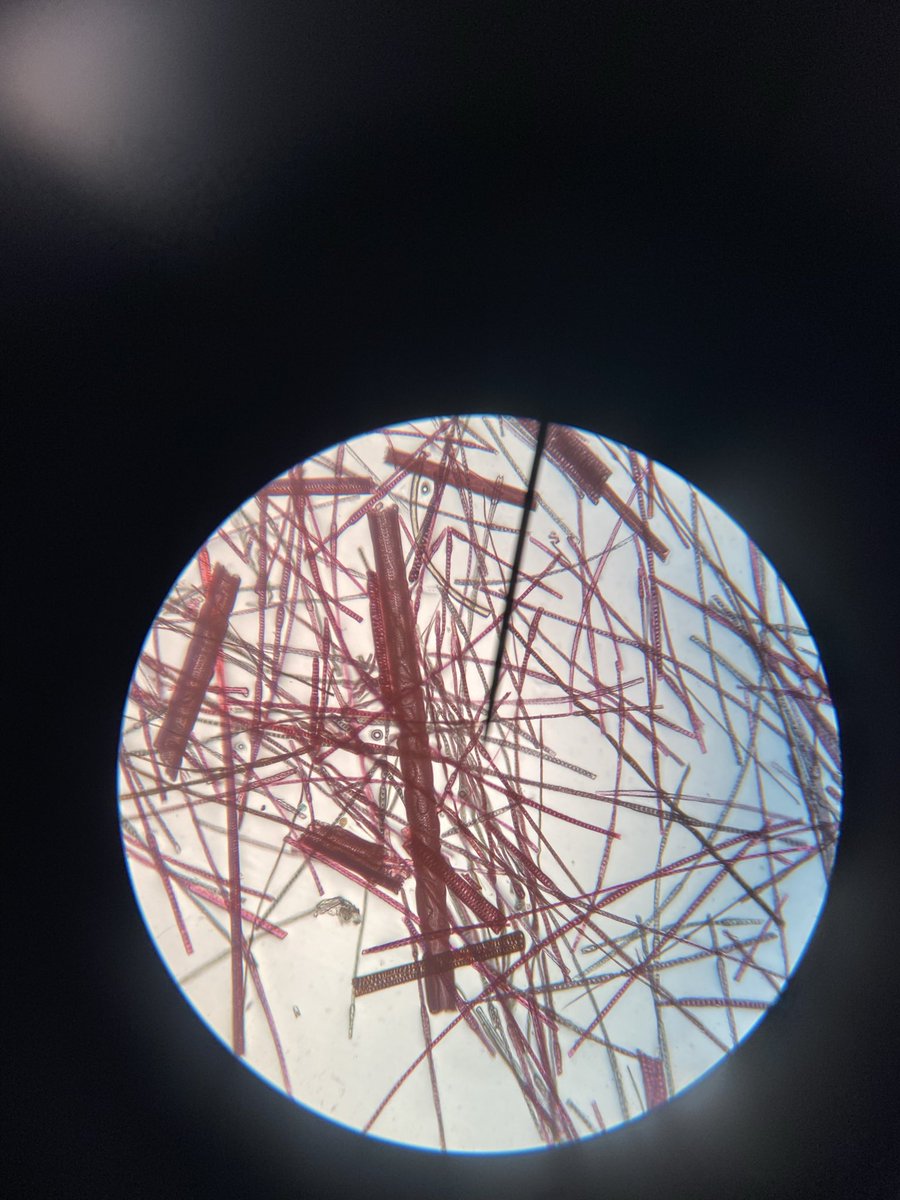
Ending the year with our cells unit and we start by talking briefly about the discovery of cells and the invention of the microscope. Today students were able to look at carnation stem cells at various magnifications. Pic 1 is 40x, pic 2 is 100x, and pic 3 is 400x magnification.
Put the sedimentary rock viewing gallery together after school today. This is one that I’m excited about! Sedimentary rocks are my favorite because of all the hidden gems about Earth’s past that they contain!
Starting igneous rocks at the end of the week and this is one way I like to build anticipation and interest! For each topic in our earth science unit I like to create a “viewing gallery” and I like to set that stuff up a day or 2 early!
Since winter break we have been talking about properties of minerals and this week we put in some time working on different tests to identify them. Today students were asked to put their skills to the test to identify an unknown mineral.
@ITPCFB Way too early heisman favorite for next season? Will Howard draft stock after torching teams in the playoffs? Is there really a QB battle in Columbus or is it the era of the super sayin? Matchup you’re most excited for in 2025?