@icmlconf I received the gold reviewer award, but I will not be attending -- my student will be attending @icmlconf to present our paper. Can I transfer the free registration to him? He is already applying for the financial aid.
@mahdi_tcs_ I would argue that a random watching YouTube in 2 years should understand the context of wha they’re watching before deciding whether it’s offensive. And, especially as academics, we should model that behavior.
@mahdi_tcs_ You're free to have a take which includes "jokes at the oscars cannot be assumed to be about the oscars, and we should assume instead that they're offensive". I would argue that that's a crazier take than "you should understand the context of a joke before criticizing it"
@mahdi_tcs_ It is now incredibly easy to either make up things or find true things but lift them out of context. So it is more important than ever that we closely interrogate everything that we talk about or have an opinion on.
@mahdi_tcs_ You're certainly free to find the joke bad or unfunny, but saying that it's bad or unfunny without knowing the context is just bad (and in my opinion irresponsible) criticism.
@mahdi_tcs_ Everything has context. Jokes included. Nothing is informative, funny, or anything else without context. That's why our papers have related work sections.
@mahdi_tcs_ So while I am sure that you are well-intentioned, opining about a joke and calling it offensive without understanding the context of it was, in my opinion, irresponsible.
@mahdi_tcs_ I certainly did not want to be insulting. But I think it's incredibly important, particularly in an age of AI, that everyone fully understands context before opining about anything. And I think that's particularly important for academics.
Very sad indeed. When I moved from Princeton to Columbia for grad school, I was *shocked* when I was told that I actually had to proctor my calc exams, and just not trust their "honor code".
At Princeton, the honor code genuinely meant something. In the first week of freshman year, we had to write an essay explaining in detail what the consequences of cheating were, why it didn't serve our long term interests, and how even if we weren't the ones cheating, if we knew that others were and didn't report it, we would be just as guilty. (I remember vividly, because my first attempt at such an essay was rejected as insufficiently detailed! I had to write a much longer version.) As a result, people really didn't cheat (as far as I knew; every year there was ~1 student kicked out of school for cheating).
It was something really special, it turned out; that's not how it works elsewhere. Sad to see further deterioration of the culture at Princeton.
Probably lost at least a year of academic productivity to having kids and actually spending time with them. Only started going to academic events out of town after they turn 3. No regrets at all!
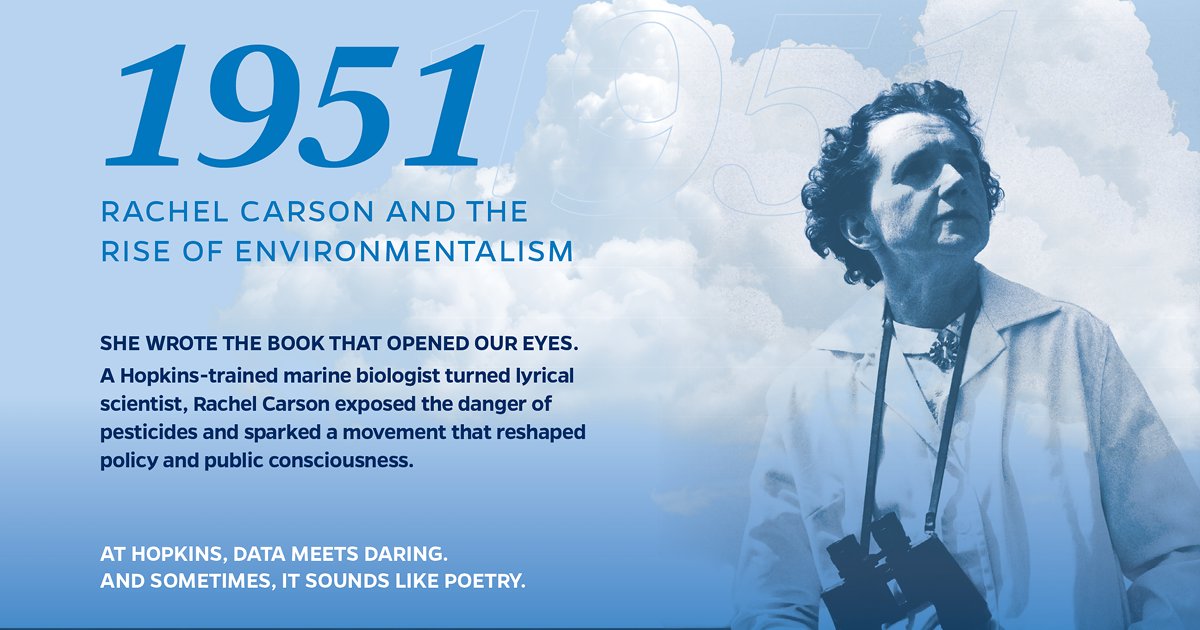
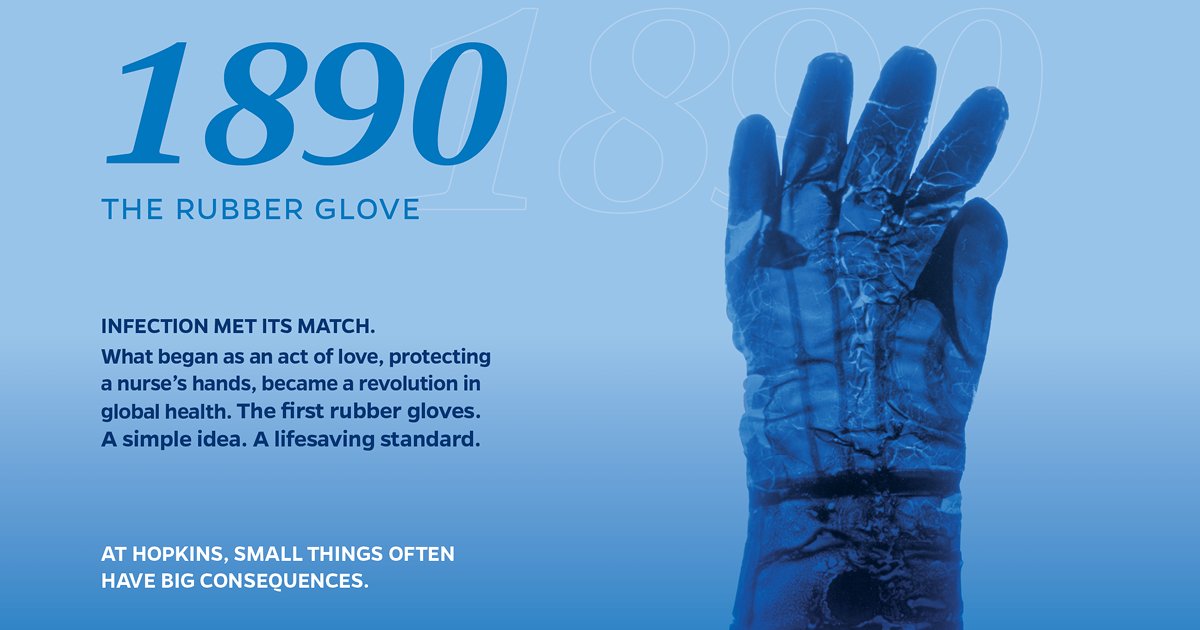
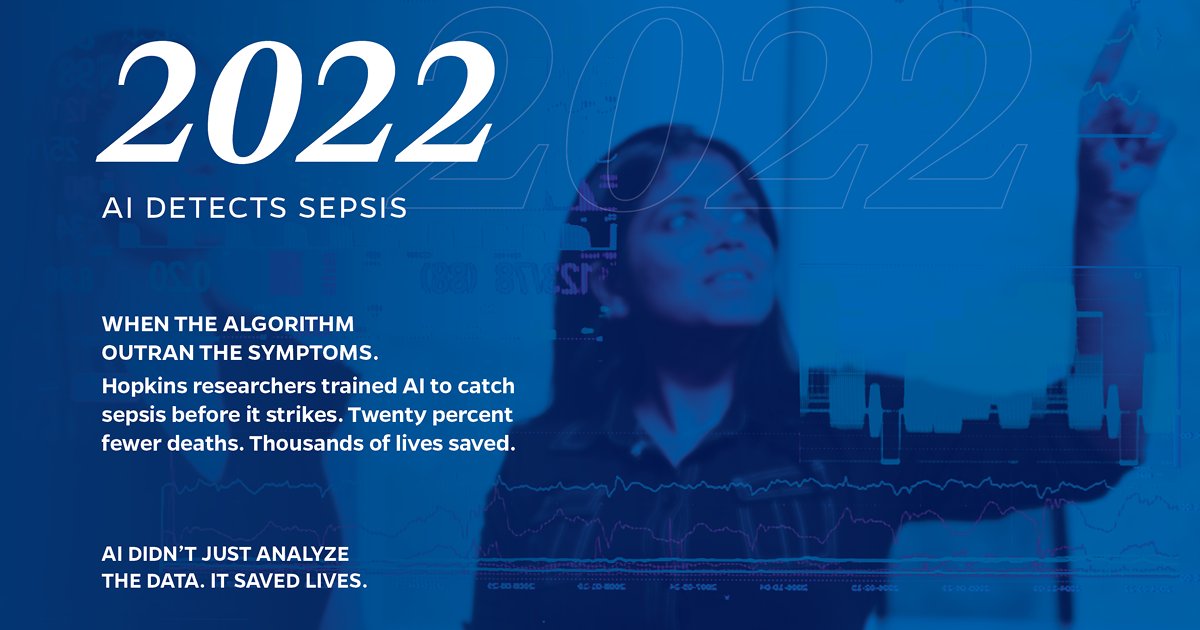
Happy Birthday, Hopkins!
Johns Hopkins turns 150 today. Here are just a few milestones that helped shape the university since 1876.
Explore more: https://t.co/4Ljn1mgAC0
As someone very closely involved with some of the history here (through my work with AIES and then FAccT conference from 2021-25), this all strikes me as precisely on point. Very much worth reading: https://t.co/8p4qpBW5yo
Good read. Some part of the left are treating AI like some parts of the right treat climate change. They are just as wrong, but given AI's timescale, will be proven so much faster.
https://t.co/2w0XclUFTA