I keep thinking I miss having someone like Steve Jobs in the industry.
He had some standards. He cared about quality, coherence, and making great products. He could be ruthless and he had plenty of flaws, but it still felt like he and Apple were trying to make something genuinely great above all else. They had their opinions and you could respect that. They didn't try to force you, but make their case why they think it's good.
Now tech feels driven by trend chasing, fear, scale, revenue comparisons, endless games and everyone talks their book. Investors come first, business goals next, and users last if not at all.
I wish there would still someone like Steve still around
the most underrated hire right now is a great product person.
when i say product person i'm def not talking about a product manager. perhaps i think there has to be somewhat of a new role. i don't have a good name for it yet but maybe something like "product thinker".. someone with an intuitive grasp of the product as it exists, where it's soft, where it sings, & how to iterate it toward something even sharper. in some sense, this person has to cohesively hold in their head where this product should be 2 years from now & work backwards from that.
i say this cuz when building was hard, engineering was the bottleneck & the status hierarchy often reflected that. building is no longer hard. which means the variance in outcomes has shifted almost entirely to judgment on what to build, how to sequence it, & how to talk about it.
& the story matters as much as the thing. internally, it organizes the team around a shared model of why. externally, it shapes the interpretive frame users bring to their first experience. you can't retrofit narrative onto a product & expect it to land, it has to be load bearing from the start.
the rarest version of this person sits at the intersection of culture & deep technology. someone genuinely bilingual. they know what's technically possible & they know which cultural currents are real vs. ephemeral. that combo is what separates products that feel inevitable from products that feel assembled.
before ppl clap back with this person has always been valuable, i know.. i am just saying now they might be the most *important* person in the room. their value compounds like never before.
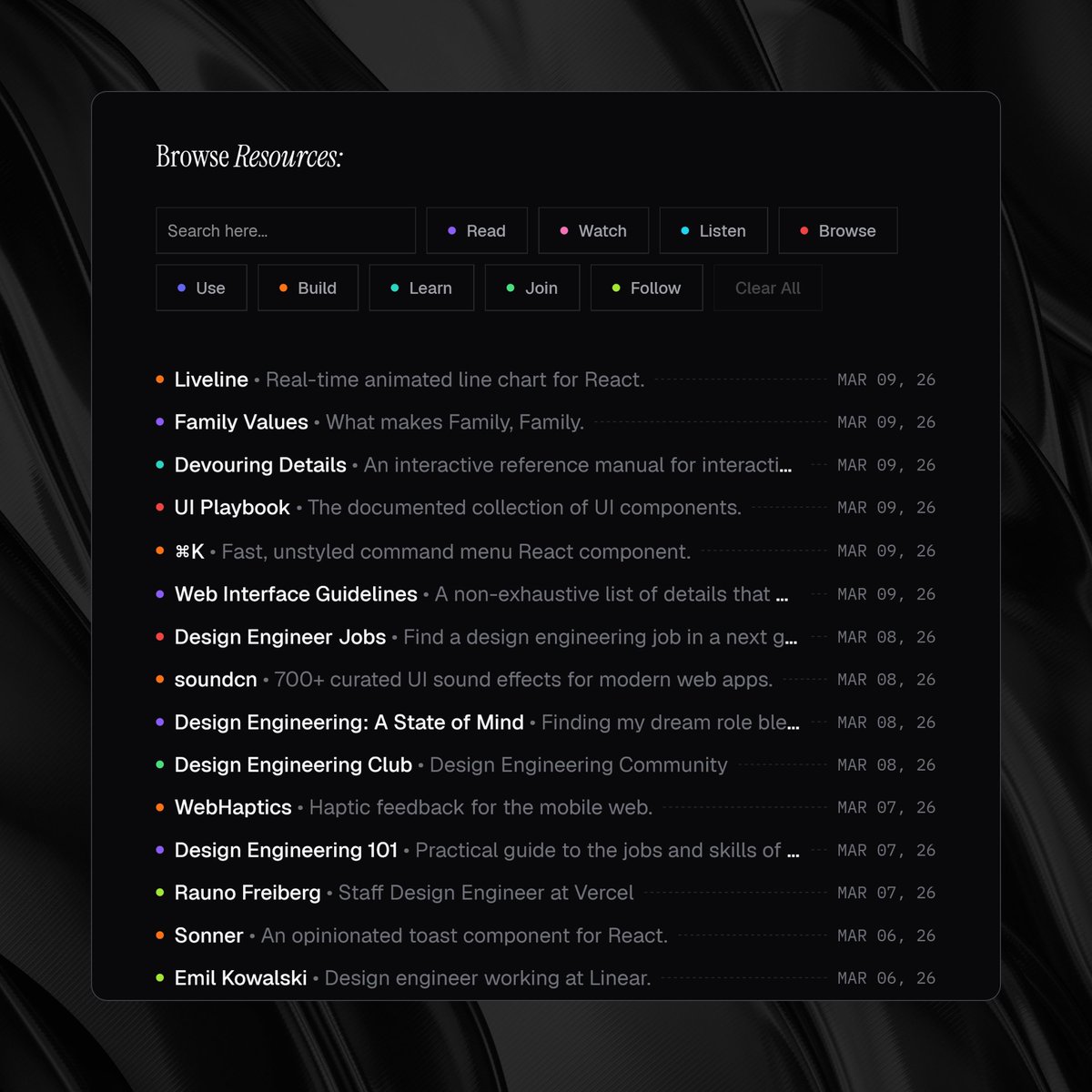
Someone built https://t.co/oipIfNWf2U a directory of 5,700+ failed YC startups with post mortems, deep analysis, and rebuild plans so you can revive dead ideas and turn them into new projects.
Whenever a new design to code tool comes around, people get excited. It’s considered the holy grail of design. You can now design with code. This is the final evolution.
But I don’t agree. It’s only the holy grail if you value output higher than the process of design.
Whenever a designer becomes more of a builder, some idealism and creativity dies. Not because building is bad, but because you start out including constraints earlier in the process than they should.
I’m one that very much thinks design is ultimately what is shipped. But before it shipped, there is a lot of stages that don’t benefit from code or some implementation constraints.
In architecture, a lot of the best work is started with sketches and some of the best architects still draw by hand. People forget that the creative process is not about tools. It’s about forming a vision, and then translating that vision into some form. You can use various tools as part of the process, but designers job is really communicating that vision.
Once you become the architect and the builder, or the designer and the developer, you start making more conservative bets. You gravitate to what you already know is feasible or supported. You make smaller iterations. You stop dreaming something big. This is not design.
Designers, don’t do that. Your job is to imagine the future, and sometimes code and convention gets in the way. Use tools. Understand the domain. Get close to the medium.
But don’t lose your greatest strength ability to dream. Work with engineers to realize those dreams.
Designing in code is just a path to local maxima and ruin.
Published today: A new (or rather, old) approach to typography on the web.
Typography is too often reduced to a tidy set of tokens and ratios. But no formula is universal. Different context demands different systems.
We designed a type system that feels precise to the eye, not just in code.
Link below!
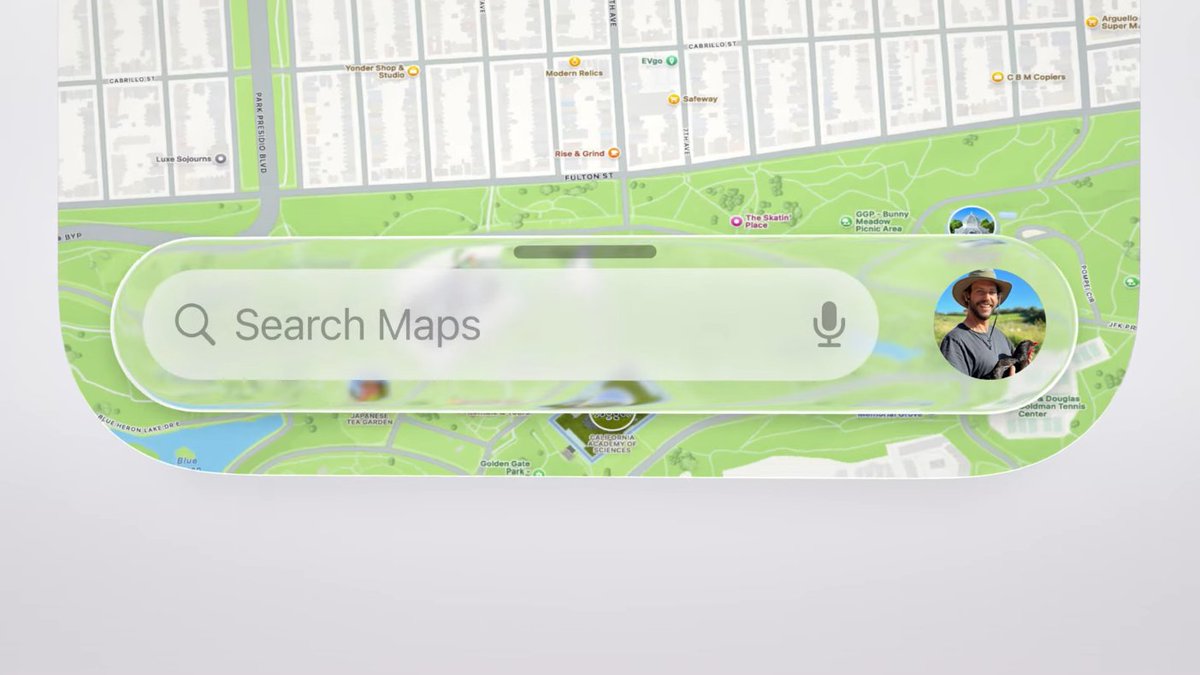
so excited to finally see my work from apple ship.
i was the head of design for the wwdc app notifications.
they're still a work in progress, we've only had the last year to work on them! stay tuned.