Layer Grade – The Standard for Displaying Digital Art
Digital art deserves the same reverence as any fine art piece hung on a wall. We created Layer Canvas because we couldn’t find a display that presented digital art as it was meant to be seen: with presence and precision. In doing so, we set a new standard for defining the visual quality of a device.
Layer Grade is our technical standard that defines what it means to be a museum-quality digital canvas—a display worthy of presenting fine art. It is not a single specification. Layer Grade is a system of requirements – visual, computational, and environmental – that together ensure digital artwork is experienced as the artist intended, without compromise. Every component has been carefully considered, tested, and calibrated to meet this standard.
Digital art has long lived on devices designed for everything else. Layer Canvas gives it a place of its own: a dedicated canvas for living art, built for presence, depth, and time.
Read more in @VentureBeat: https://t.co/NUdvvic68q
@heyjeres Each guest received an etched aluminum edition of their work, bringing a personal digital original out of the vault and into the hand. This is the idea behind Layer: digital fine art given a real place in the world.
For the Human Attention Summit, Layer commissioned artist Jeremy Schoenherr (@heyjeres) to create “Disinformation (SE)” — a series of one-of-one digital works generated from each attendee's unique data profile. No two pieces are alike.
Artists are paid through ViewTime™, our recurring royalty model. It measures every second a work is lived with and converts that attention into artist revenue.
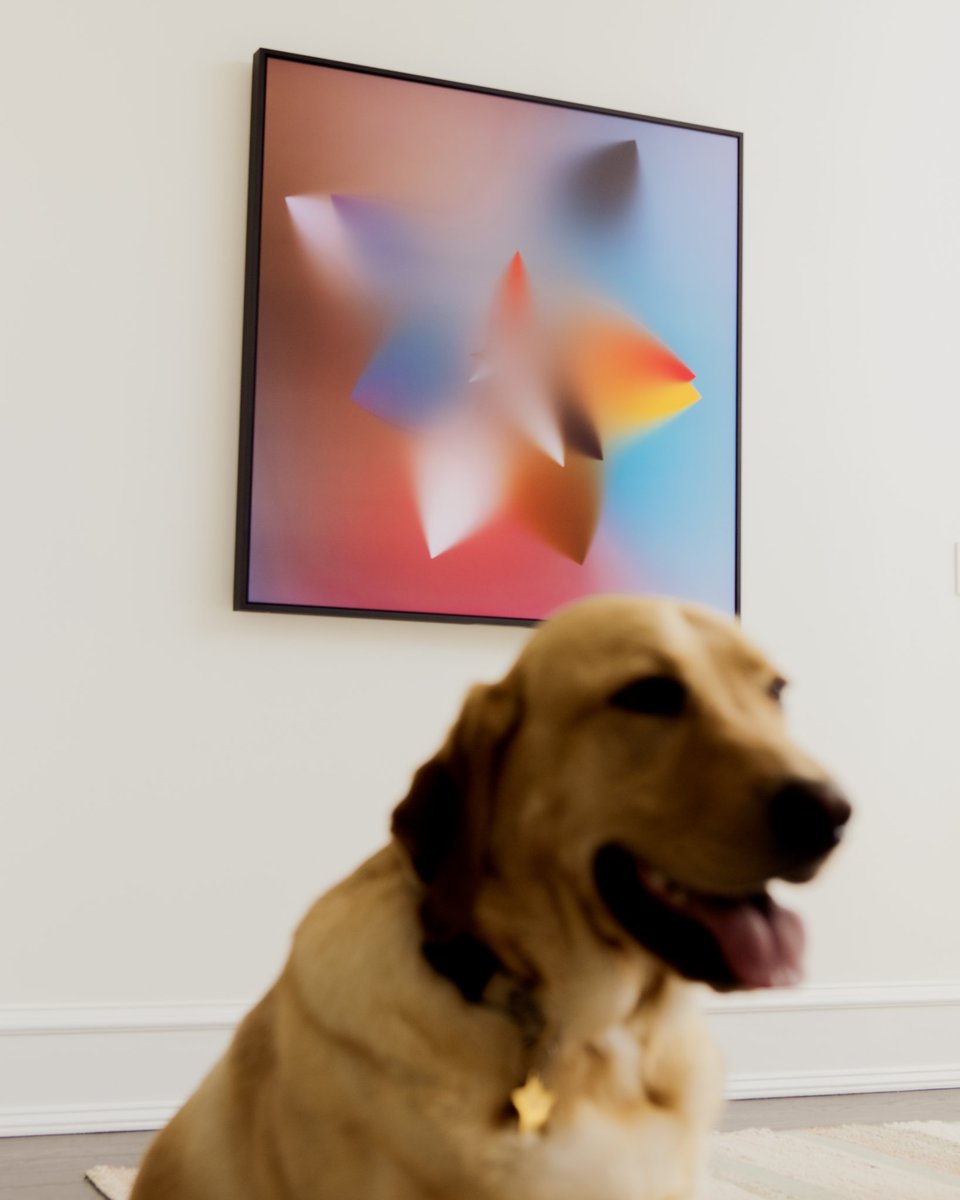
🎨 "New Feeder III" by Andreas Nicolas Fischer (@studioanf).
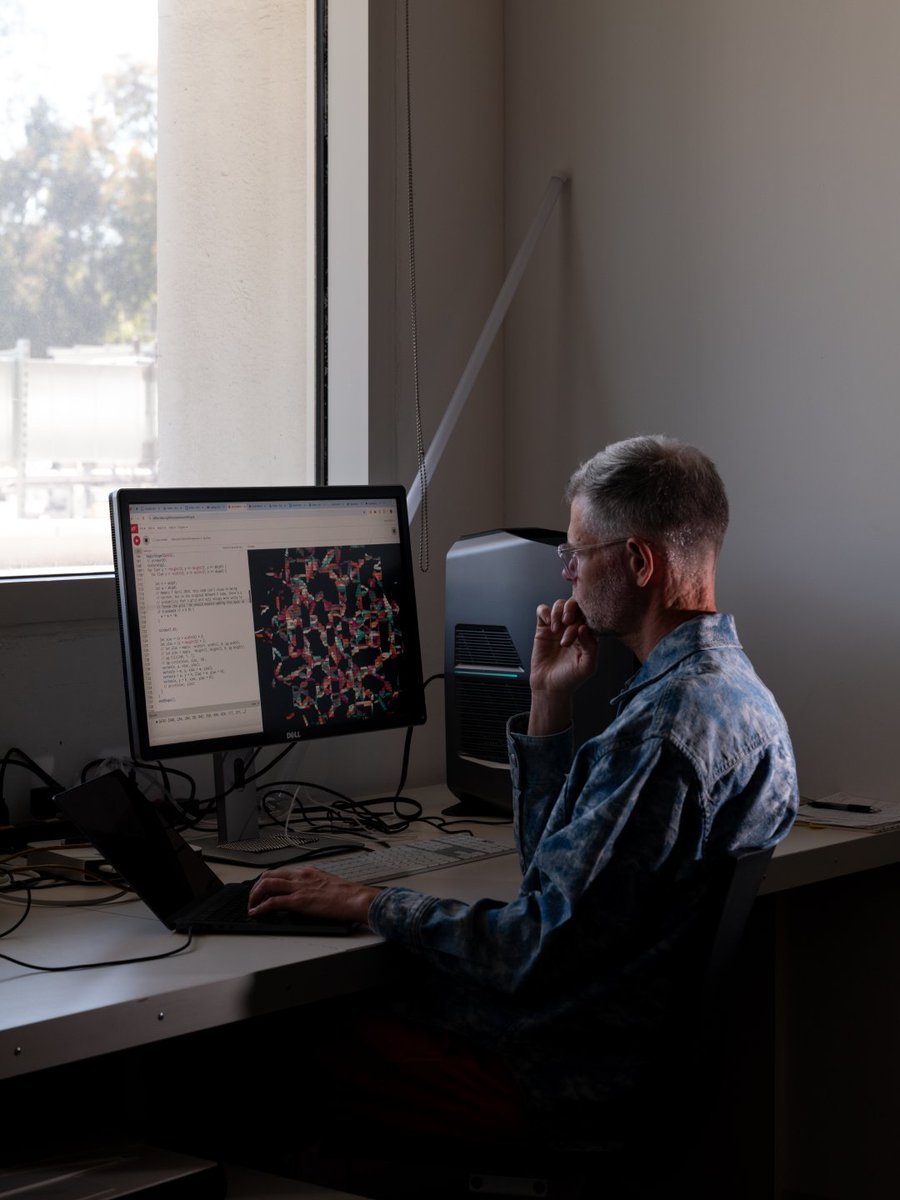
"If you're coding and sketching, it's not enough to make diagrams and to draw and to plan. You actually need to experience things running as code."
—Casey Reas
"If you're an architect who's sketching, you're going to work with cardboard or chipboard. If you're a musician who's sketching, you’re going to work with the instrument that you’re most expressive with."