Hey builders & founders
Time to know more about me.
I’m Mega, a Web3 Moderator and Content Writer focused on community education and product.
What I do:
• Community moderation & engagement
• Web3 content writing (threads, posts, and storytelling)
• Helping projects explain their product clearly
• Supporting community growth and conversations
I’ve been in the space for about 6 months. I haven’t worked with projects in an official capacity yet, but I’ve been consistently learning through grind calls (Lord Vibes, Teaona, and Magnet X) and studying how strong communities and products actually communicate with their users.
I’m still early, still learning, and still putting in the work but I take community and clear communication seriously.
If you’re building something meaningful and need help with moderation, content, or making your product easier to understand for your community, my DMs are open.
I’m not just here to watch Web3 happen.
I’m here to help build in it.
PayFlux is still at an early stage, and its upcoming launch is something worth keeping an eye on.
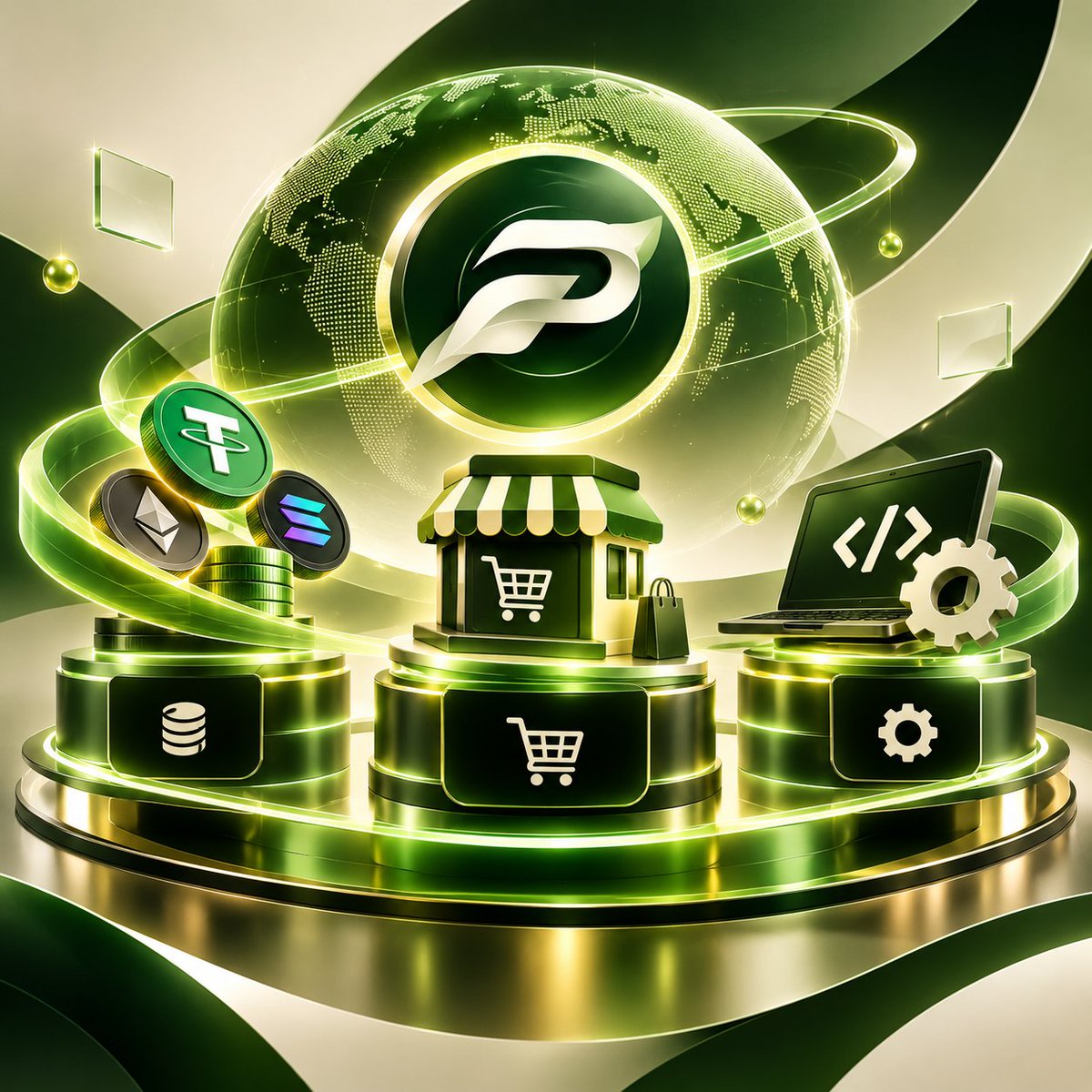
I'm particularly interested in seeing how its payment infrastructure develops and how its token payments, merchant network and developer tools come together.
Web3 doesn't just need more ways to create value.
It needs better ways to move that value.
Keep an eye on @PayFluxHq.
Website: https://t.co/i6TdPOv6qM
I think conversations around Web3 adoption should go beyond tokens, trading and price movements.
We should also be paying attention to the infrastructure being built behind the scenes.
Because for Web3 to become more practical, people need more than somewhere to hold digital assets.
They need ways to use them.
And payments are a big part of that conversation.
What also caught my attention is PayFlux's upcoming launch on Robinhood Chain through PONS FAMILY.
Rather than simply talking about the general need for better payments, the project is preparing to take its infrastructure into a blockchain ecosystem.
That's an interesting development to watch as the project moves towards launch.
Let's look at why these areas matter.
Token payments are important because digital assets need practical ways to move between users and businesses.
Merchant networks matter because payment infrastructure becomes more useful when businesses can actually participate.
Developer tools matter because builders need ways to integrate payment functionality into the products they're creating.
It's not just about moving money. It's about making payments usable.
This is the space PayFlux is stepping into.
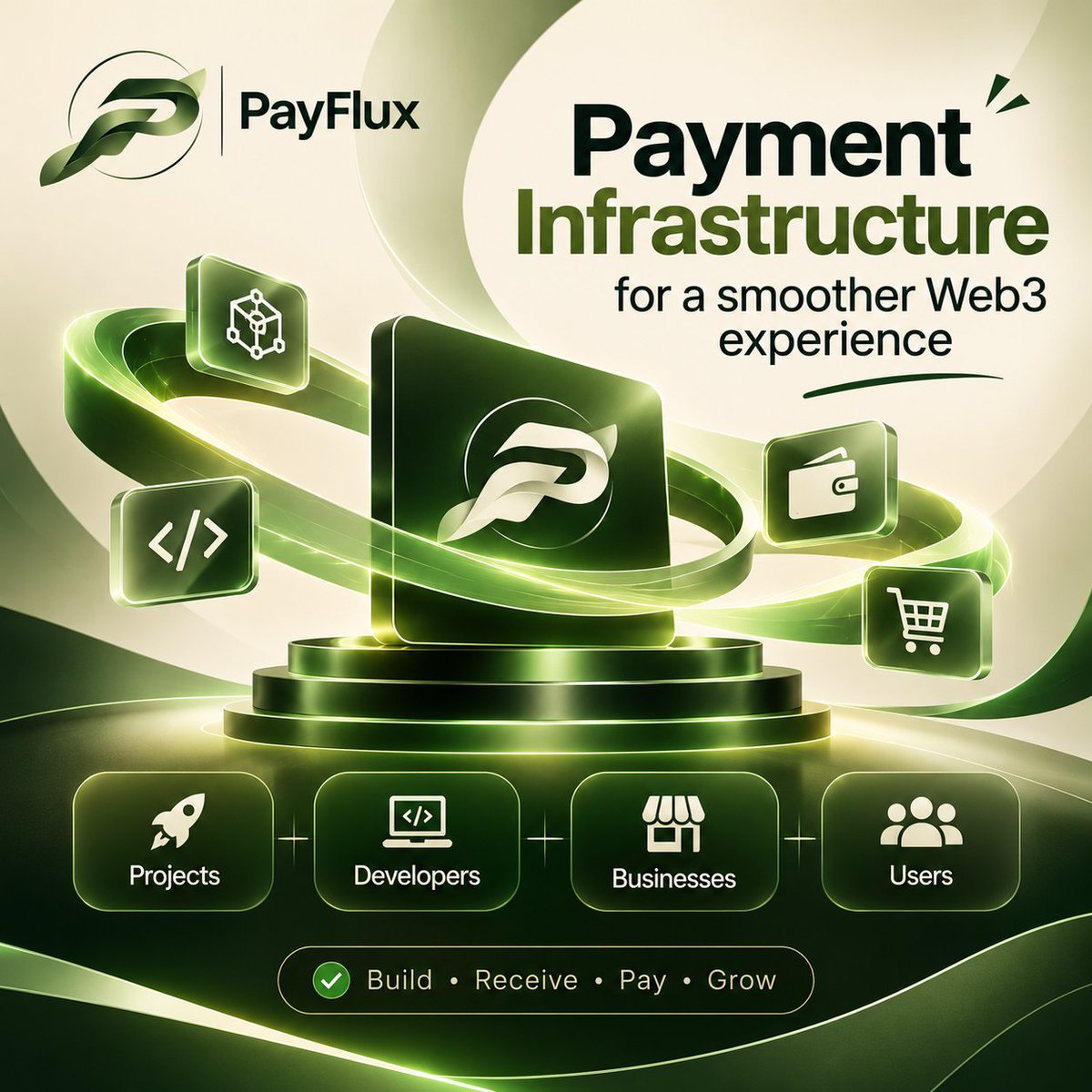
PayFlux describes itself as a Web3 payment infrastructure project focused on making digital payments easier for projects, developers and businesses.
Its approach brings three important areas into focus:
• Token payments • Merchant network • Developer tools.
Three pieces of an ecosystem that needs better payment experiences.
One of the things Web3 still needs to get right is payments.
Projects need ways to receive payments.
Developers need infrastructure they can build around. Businesses need payment experiences that make sense for their operations.
And users shouldn't have to struggle just to complete a digital payment.
This is where payment infrastructure becomes important.
Crypto has given us new ways to move money, but have we made it easy enough to actually use?
Think about it.
What's the point of building a financial ecosystem where moving value is possible, but making payments practical for businesses, developers and everyday users is still a challenge?
This is a conversation worth having.
And it's one reason I'm paying attention to @PayFluxHq.
🧵
This thread I want to write today,, I'm begging y'all in advance, cause I know some of y'all are very lazy to engage in important stuff.
So please be nice to me today.
I will buy palm wine for you 🤲