Een passie voor archeologie, publieksparticipatie en -bereik. Naast mijn werk houd ik mij graag bezig met fotografie, boogschieten en evenementen organiseren.
De Nationale #Archeologiedagen op #Masamuda waren een succes! Op zondag was ik aanwezig samen met @GeeskeLangejans en Shiyu Xu om teer te maken uit berkenbast. Er zijn tientallen bezoekers komen kijken.
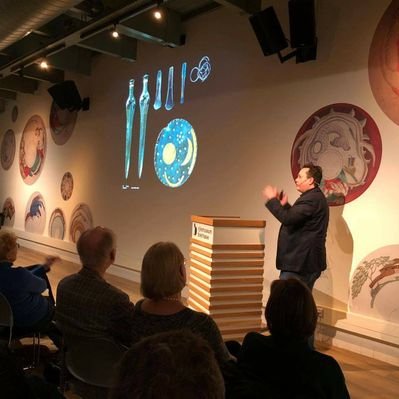
Première vertelconcert op Huize Bellinchkhof: 1 juni 2020 - Dag van het Kasteel - om 10.00 uur op https://t.co/W8HSizwFkC
Ontdek de verhalen over verboden muziek, de musici en componisten die daarvoor zijn opgepakt. Met cello-duo Two of a Kind en verteller Otto Lussenburg
This ice age artwork at Chauvet Cave in southern France preserves the finger marks of the artist who shaped the mane in soft clay over 30,000 years ago. Source: National Geographic (2001) #IceAgeHorses
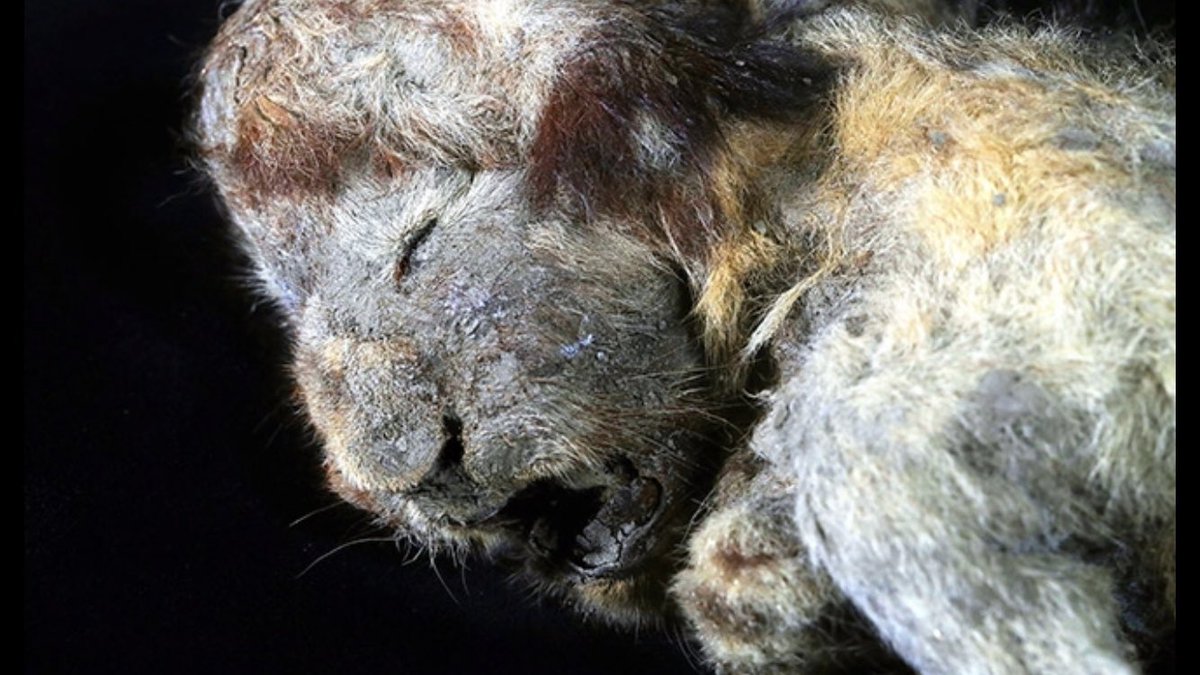
#IceAgeWonder#IceAgeArchive Frozen in time - this perfectly preserved newborn cave lion cub was discovered in Siberia in July 2018. She was isolated in the permafrost for 30,000 years 📷 Naoki Suzuki https://t.co/CkcNYndNmQ
Puppies are notorious for getting into everything, leaving (very cute) chaos in their wake.
As evidenced by these paw prints left in a #Roman tile from Leicester, left by a small dog trespassing across the newly-shaped but un-dried clay.
#NationalPuppyDay
Woolly mammoth and aurochs at Pech Merle. Probably dating to the Gravettian about 25 000 years ago. The cave at Pech Merle has been open to the public since 1926. Photo by M. Lorblanchet #IceAgeArt
A connection to the ice age human past. This outline was created around 25,000 years ago at Pech Merle cave in southern France. From the Wendel Collection #HandSelfie
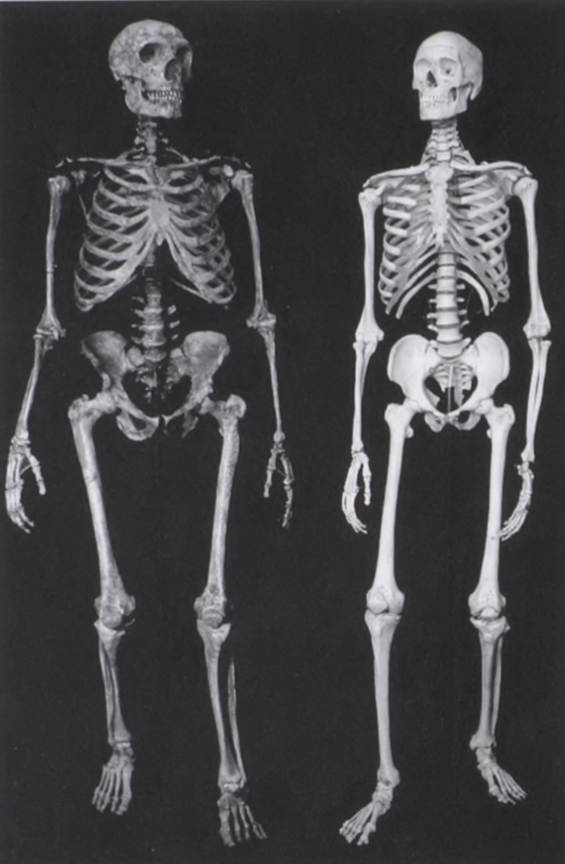
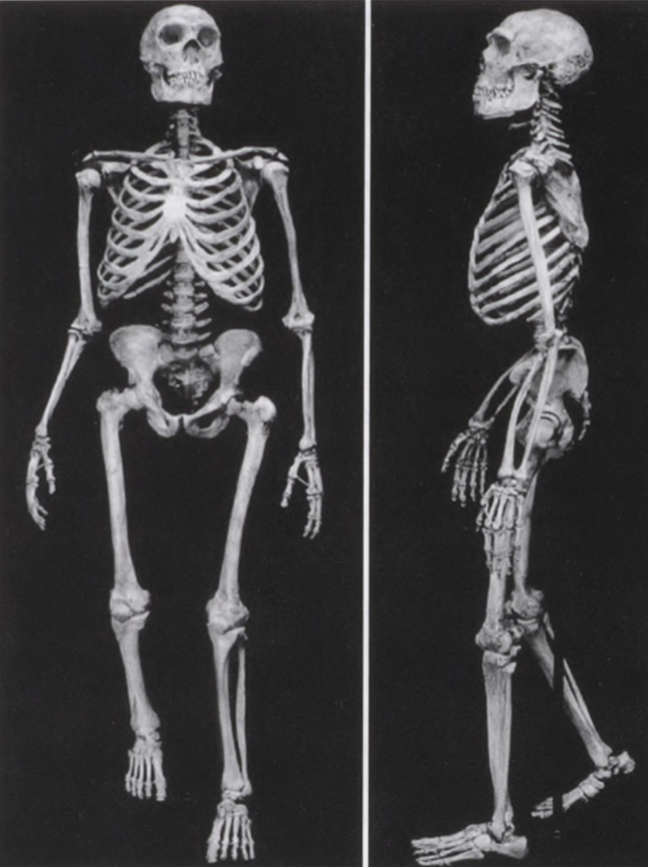
Composite Neanderthal skeleton reconstructed by G. J. Sawyer and Blaine Maley (photo by Denis Finnin, courtesy of the American Museum of Natural History) and a modem Homo sapiens of the same stature (photo by Ken Mowbray)
Who was this ice age woman? This is the earliest known image of the human face. It was carved in woolly mammoth ivory over 26,000 years ago at Dolní Věstonice in the Czech Republic #IWD2020#IceAgeWomen#InternationalWomensDay2020
For #FindsFriday and #FlintFriday a nice middle palaeolithic scraper from the @DeZandmotor probably dating between 90-50.000 BP. Brought in for documentation @RM_Oudheden this week🌊💪🏼
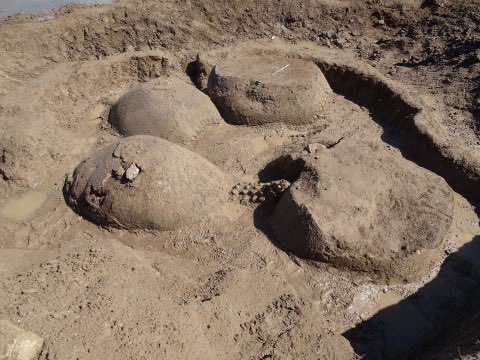
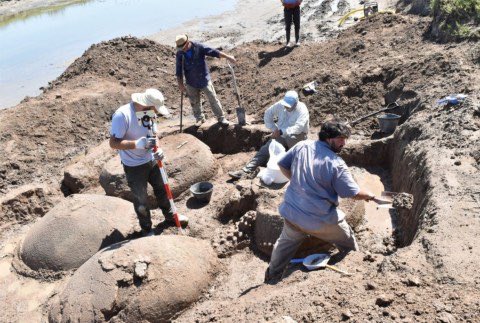
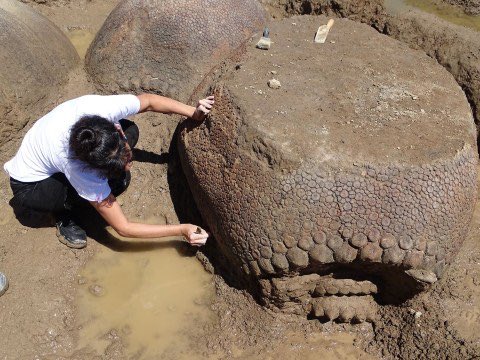
Farmer in Artentina discovers the remains of FOUR ancient armadillos in a dry river bed. The discovery of a group is unique - they may have been a family walking together. The gyptodonts were a genus of heavily armoured mammals - ancestors of the armadillo https://t.co/SHSavOSv2v
Yesterday we posted a photo of a very large arrowhead from c. AD 500 found on one of our ice sites. Here is a video taken moments after it was discovered, showing both the projectile point and the arrowshaft close to the melting ice. We ❤️ glacial archaeology🙂
Today @RM_Oudheden received a generous addition to the #NorthSea#Doggerland collection with the finds from Hendrix and Schouwenburg. Among them many bone points and tools including a needle and flint artefacts!!🌊✨🙏 #FindsFriday
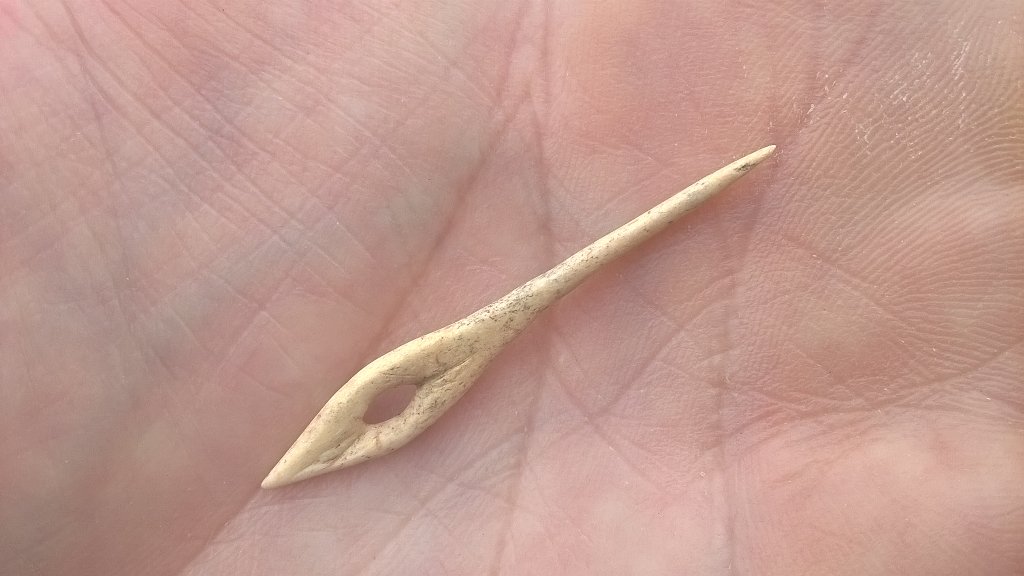
One of our favourite finds from #Duropolis in #Dorset is also one of the smallest: an exquisite 42mm long bone needle from the base of an Iron Age storage pit. Love it love it love it 😍😍
#FindsFriday
"You call that an arrowhead? THIS is an arrowhead!" 🙂
1500-year-old iron arrowhead recovered on one of our sites. Found close to the melting ice at 2050 m, together with the wooden shaft. It is 18 cm long and 2 cm wide, weighing in at 32 g #glacialarchaeology