Demagogo: Líder que busca apoio explorando emoções e preconceitos, sem argumentos racionais. Simplifica problemas e faz promessas vazias. #Legislativas2025#Política
"A AUTOESTRADA DA ÁGUA, que permite trazer a água do Douro/Côa para o Zêzere/Tejo e deste para o Caia/Guadiana e, finalmente, Algarve, terá um custo de 0,22 €/m3, o que compara com o custo da água dessalinizada no Algarve, que será superior a 0,60 €/m3"
https://t.co/t7Ip7Lf2pT
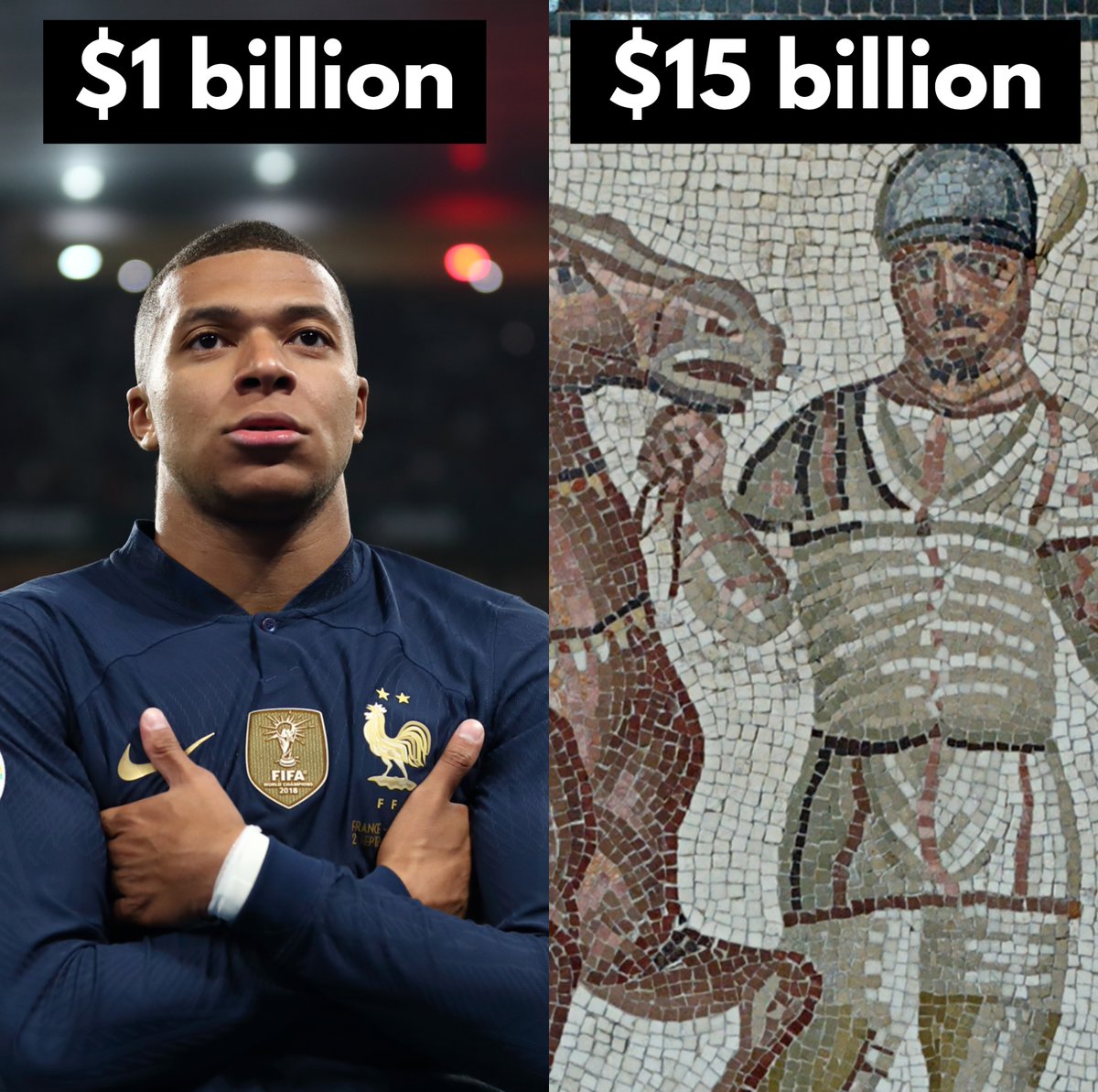
The football star Kylian Mbappé was offered $1 billion to join the Saudi Arabian team Al-Hilal.
But that wouldn't have made him even nearly the richest athlete in history.
Because there was a Roman chariot racer called Gaius Appuleius Diocles who earned more than $15 billion...
Chelsea FC in England have spent over one billion dollars on new players in the last year alone, and Cristiano Ronaldo is currently earning $200 million per year at the Saudi club Al-Nassr. Has football gone mad? Is it right for athletes to earn such exorbitant wages?
Let's leave the politics of that question to one side and simply observe that, as with so much else, there are historical precedents — and one in particular: Gaius Appuleius Diocles.
Chariot racing was the most popular sport in Ancient Rome, with races held all over the empire — there are ruins of huge stadiums around Europe. The crowds flocked to watch their favourite teams or racers, and the money came pouring in.
Gaius Appuleius Diocles was born in the province of Lusitania, modern-day Portugal, in 104 AD. That's where many charioteers came from — not just those who raced in Rome itself, but right across the empire — because it was where the fastest racehorses on the continent were bred.
And such was the career that Gaius pursued; he made his racing debut in Rome, which then had a population of well over one million and was the richest and largest city on earth, at the age of just 18.
There were four "factiones", sort of like teams, in Ancient Roman chariot racing: Green, Red, White, and Blue. Each had their own stables, managers, breeders, agents, patrons, sponsors, and racers. These were large, professional organisations with hordes of fans and fierce rivalries. Even the Emperor himself usually had a favourite faction.
Gaius joined the Whites and won his first race after two years. He stayed with them for another four years. Then he moved to the Greens, where he had a torrid run of poor performances and a serious injury, followed three years later by a move to the Reds. There he remained for fifteen years, winning over one thousand races, before retiring at the age of 42 to a lovely little town called Praeneste.
Where did Gaius race? At the Circus Maximus in Rome, now a ruin but once a racing stadium which could hold more than 150,000 spectators. It's hard to imagine the atmosphere, with the thundering of the horses drowned out by the roaring of the crowds and the sound of splintering chariots...
We know much of this because of two monuments made in Gaius' honour after his retirement. They also include the rather impressive statistics of his racing career — 4,257 starts and 1,463 victories — and the prize money he won: a grand total of 35,863,120 sesterces.
These earnings are estimated to have been, in modern terms, about $15 billion, which would make him by far the richest athlete in history. His fortune was equivalent to about 1.5% of the Roman annual state expenditure, which would be like an American sportsperson being worth over $100 billion.
But this is not merely an interesting factoid. What does it tell us about Ancient Roman society during the Empire that regular people had enough time, and that there was enough money in the system, to support such a wealthy sporting scene?
Alas, if you don't much like sports and wonder why some people get so worked up about athletes running round a field and kicking a ball... there's also a Roman precedent for that. Here's what the lawyer Pliny the Younger wrote to a friend in the year 98 AD:
"The Races were on, a type of spectacle which has never had the slightest attraction for me. I can find nothing new or different in them: once seen is enough, so it surprises me all the more that so many thousands of adult men should have such a childish passion for it."
Whether sports stars should earn the money they do is a complicated question. But, in any case, Kylian Mbappé has a long way to go before he's on the level of Gaius Appuleius Diocles...
@Gerashchenko_en The comedy, "The Death of Stalin" is a really good dark comedy on the chaos after Stalin died, and gives a good take on how these Russian purges take place, circular firing squads, and history repeats itself. https://t.co/Jp2SXWBaaE
2022 ended with a shiver, but the start of 2023 broke a sweat. 🥶🥵
This weather whiplash may have been caused by changes in the polar vortex, the band of strong westerly winds over the Arctic. Details: https://t.co/gnOAqDOncS
The total area of solar panels it would take to power the world, Europe, and Germany. This map is from Nadine May’s thesis
[source, read first: https://t.co/xXjEoppIJR]
Nas diversas cidades do #Iran um povo luta pela liberdade, arriscando a própria vida. Está a fazer uma verdadeira revolução popular.
A comunicação social portuguesa ignora e prepara-se para encher os noticiários com o Mundial de futebol, que, por acaso, até decorrerá ali ao lado.
stunning video coming out of iran
in mahsa amini’s hometown of saqez, thousands ignore govt road closures to walk to her gravesite
40 days after her death in the custody of iran’s morality police
Luke Skywalker já enviou mais de 500 drones para a Ucrânia: estrela da saga ‘Star Wars’ é rosto de campanha de apoio a Kiev @multinewspt https://t.co/SvasCl0Y9a
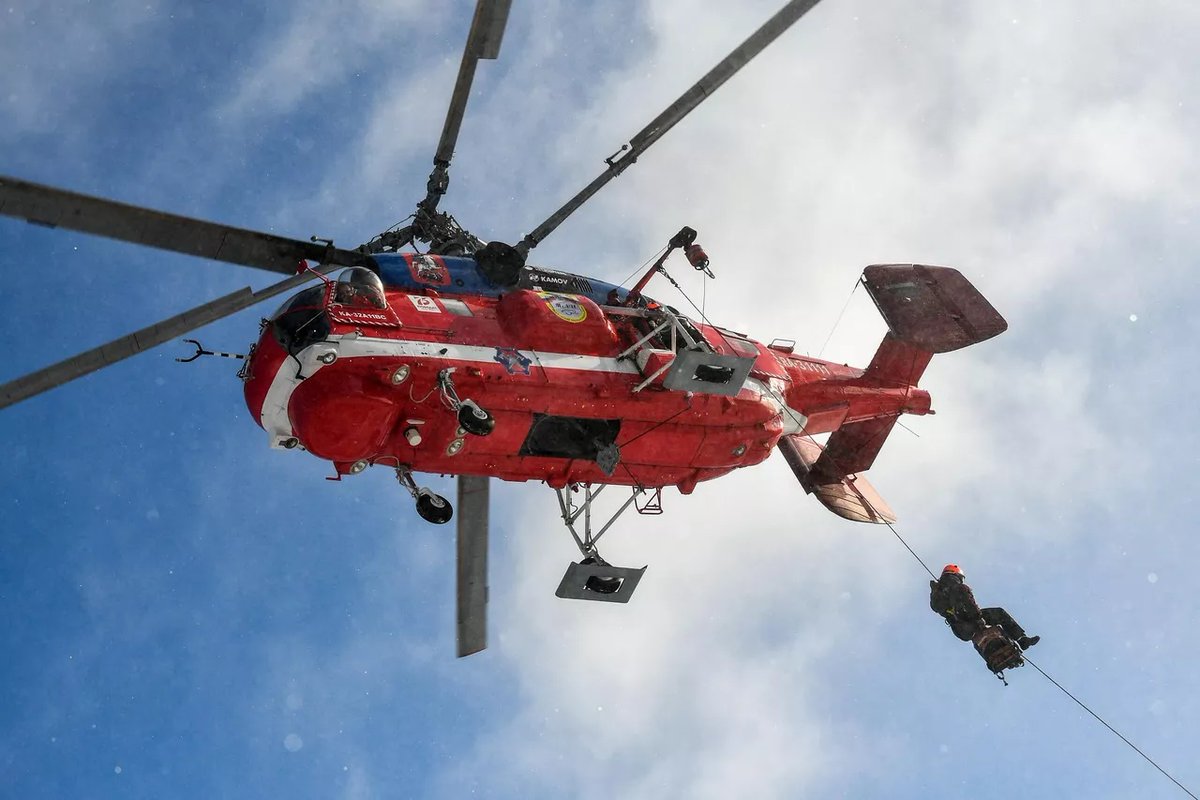
💬#Zakharova: Lisbon’s decision to transfer six Russian firefighting helicopters to Ukraine will be a violation of its contractual obligations.
❗️ We call on our colleagues to refrain from steps that can discredit Portugal as a reliable partner
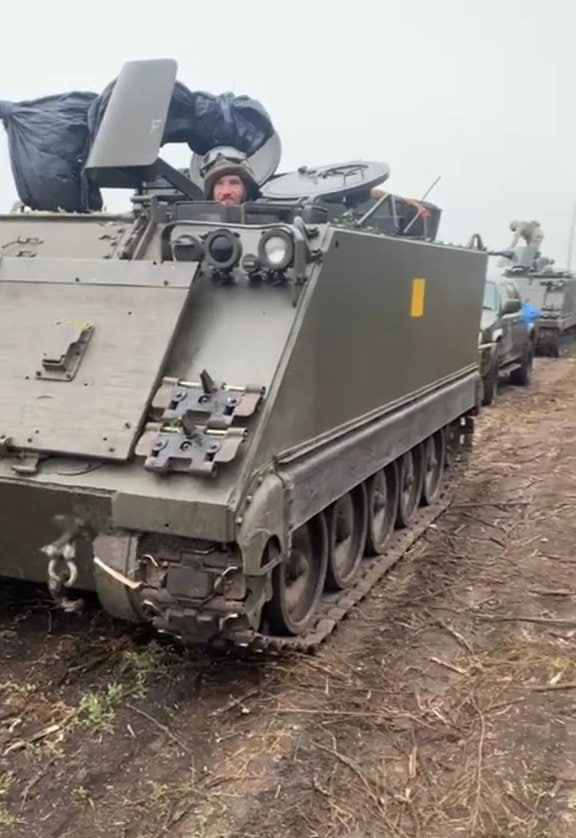
#Ukraine: The first sighting of M113A1/A2 armored personnel carriers donated to Ukraine by Portugal 🇵🇹 - this particular APC is currently deployed in #Kherson Oblast.
In total Portugal donated 14 M113s, which is 10% of the countries' fleet.





![Rainmaker1973's tweet photo. The total area of solar panels it would take to power the world, Europe, and Germany. This map is from Nadine May’s thesis
[source, read first: https://t.co/xXjEoppIJR] https://t.co/68BCqwPSij](https://pbs.twimg.com/media/Fk_a56XXkAM8Yie.jpg)