@Ce_Moll Traduci /17 — Effect needs the ISR chain
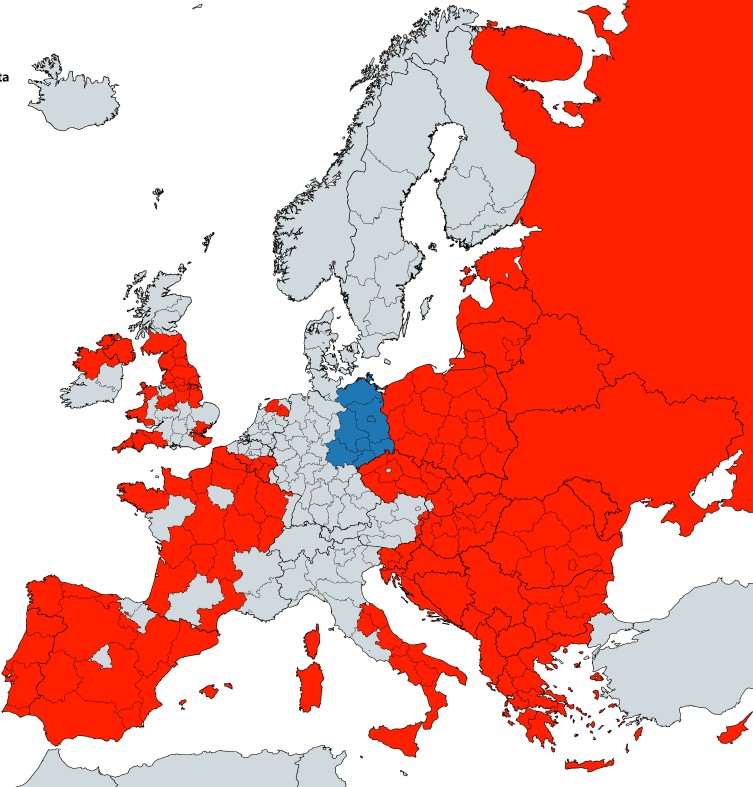
A substitute for Tomahawk, SM-6 or hypersonics is not enough. Europe must find, track, prioritise, strike and assess targets. Without that chain, the missile is a very expensive piece of metal.
@TheBorisBecker è venuto a trovarci in via Solferino, curioso di tutto (ha voluto vedere la Sala Albertini), regalandoci dieci titoli diversi. Personaggio enorme. Bisognava solo stare ad ascoltarlo con @mgergolet. Intervista @Corriere https://t.co/0X8JguDGbx
@rustyrockets@JDVance This is an extraordinary lie. Who’s going to arrest a US soldier? On a US base? When the US didn’t even hand over the soldier convicted of shooting an Italy’s top intelligence officer in Iraq, Calipari? Or the pilot who cut the cable at Cermis out of bravado, killing 20 people?
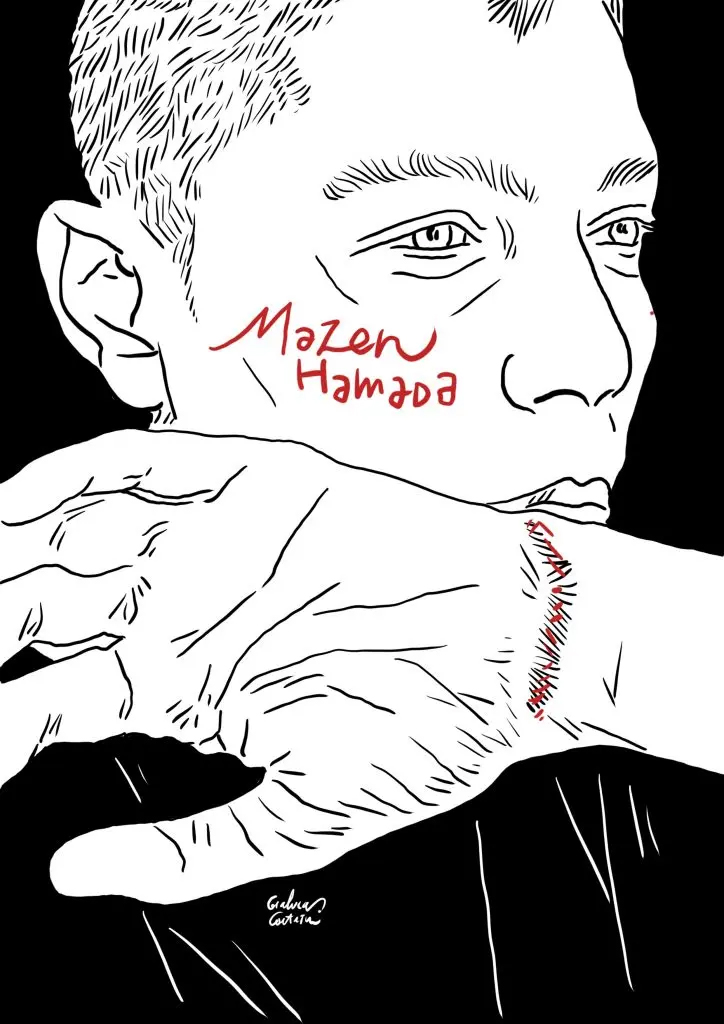
The Tragic End of Mazen al-Hamada: A Symbol of Syrian Torture and Resistance
The international community mourns the death of Mazen al-Hamada, the Syrian activist who for years embodied the resistance against the brutalities of Bashar al-Assad's regime. Al-Hamada was found dead in Saydnaya prison, infamous for systematic torture, just days after the fall of the Baathist regime and the release of numerous detainees.
Al-Hamada's body was discovered in the morgue of #Harasta Hospital near #Saydnaya, where the regime often disposed of detainees' corpses in mass graves. Sources reported that his body bore visible signs of torture and beatings, serving as a final testament to the atrocities he endured.
Tributes and messages of condolence have flooded social media. Among them, activist Mouaz Moustafa @SoccerMouaz wrote:
"I’m sorry I couldn’t save you. I hope you know in heaven that, in the end, we have freed #Syria. My friend, brother, colleague, and martyr for freedom."
Originally from Deir az-Zour, al-Hamada was a prominent figure in the 2011 anti-government protests that emerged during the Arab Spring. Arrested multiple times by the regime, he endured physical and psychological violence, including sexual abuse and torture, and was coerced into confessing to crimes he never committed.
In 2014, after his release, he sought refuge in the Netherlands, where he continued to expose the Assad regime's violence. He participated in conferences, testified about the conditions faced by detainees, and supported legal proceedings against the regime.
In one of his testimonies, al-Hamada shared harrowing accounts of the torture he suffered:
"As soon as we entered, they started beating us with sticks, made us strip naked, and forced us to remain that way. They tied our hands and threw us into overcrowded cells."
Other testimonies included details of mock hangings, cigarette burns, and boiling oil being poured over his body.
In 2020, al-Hamada returned to Syria from Germany, lured by the regime’s promise of amnesty. However, he was immediately arrested, disappeared into government custody, and was not heard from again until the discovery of his body.
Al-Hamada’s death comes at a pivotal moment for Syria, during the rebel capture of #Damascus, which led to the fall of Assad’s regime. Saydnaya prison, a notorious symbol of the regime’s atrocities, was taken over by the rebels, and hundreds of prisoners were freed. For al-Hamada, however, freedom came too late.
Journalist @wardnajjar2 wrote:
"They killed Mazen many times: in his heart, his mind, and his spirit. Now his physical death strikes us, but his memory will live on in us and will be passed on to future generations."
Mazen al-Hamada will remain a symbol of the fight against oppression, resilience, and courage. His tragic end serves as a stark reminder of the suffering endured by millions of Syrians and the ongoing need for justice for the victims of one of history’s most brutal regimes.
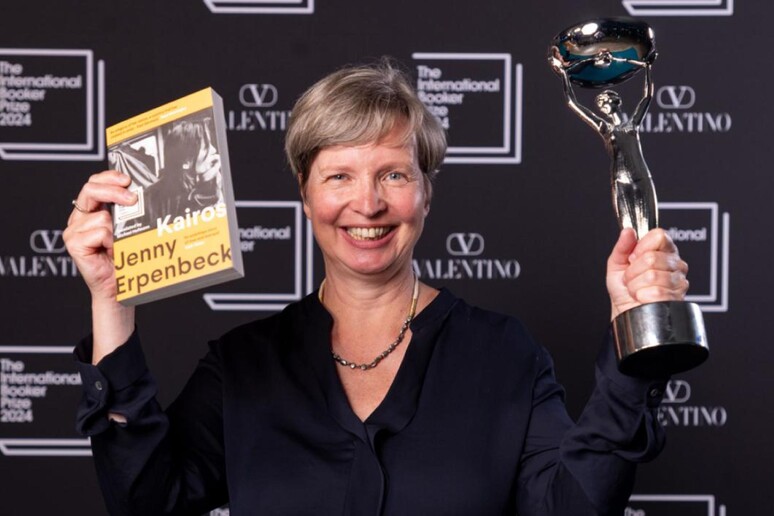
Un amore come la Stasi. La vincitrice del @TheBookerPrizes @JeErpenbeck ha aperto la sua casa, dove conserva tracce della Ddr che fu la sua patria, a «la Lettura». L’intervista di @mgergolet https://t.co/emQMgjSVE6
Luce su una strage: il 3 agosto 1944 venne massacrata in una villa vicino Firenze la famiglia di Robert Einstein, cugino del Nobel. Ora l’accesso ai fascicoli del tribunale potrebbe aprire nuovi scenari. Su «la Lettura» nell'App, l’articolo di @mgergolet https://t.co/bGievabFKj
@thomasharding@ReporterOG@DJVde Hello
I am a journalist at Corriere della Sera. Very interested in the case. Could you dm me? Would like to talk to you. Tks! Mara