Excited to announce that I have received a PhD scholarship at @UWAhumanscience to better understand #disorderedeating and exercise in #trans people and design novel treatment!!!
The LEGENDARY @BonzFurzerPhD will be supervising.
This is the ultimate birthday present to me. 🥳
My first publication is now published (open access)! If you're interested in #exercise, #eatingdisorders, and #transgender folks, this is for you!
https://t.co/tszTj1Tpr1
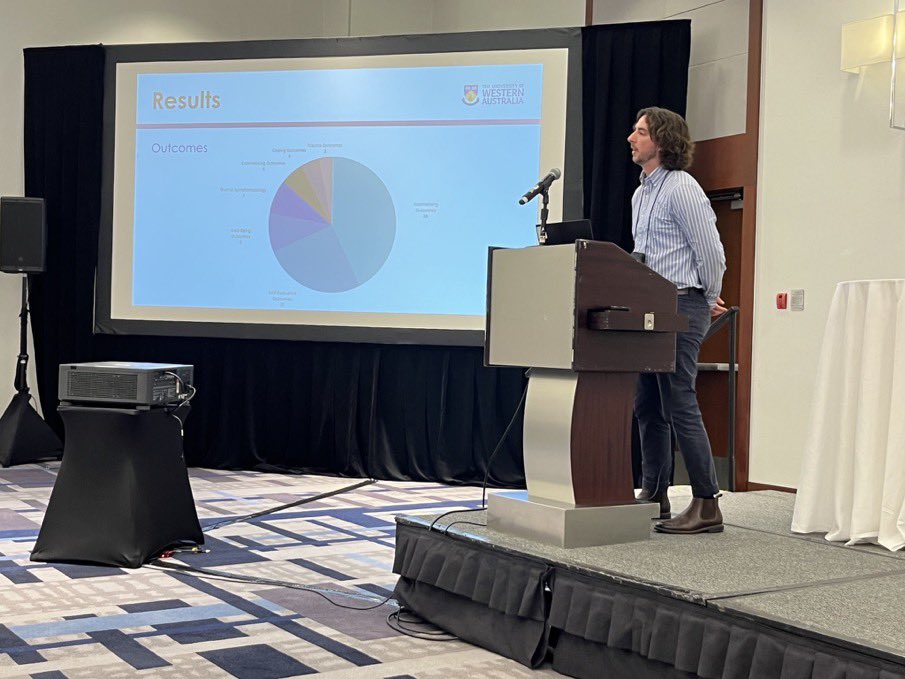
November was pretty good for me! I got engaged ❤️ and finished my PhD viva voice with no revisions required 🧑🏫 Then I presented upcoming research (and a poster) from my thesis @SMHR conference in Perth. Thanks everyone for the support @PAHL_Group_UWA@MHEXUWA@UWAhumanscience
Bravo @kemiwright27 on final publication from PhD 🙌
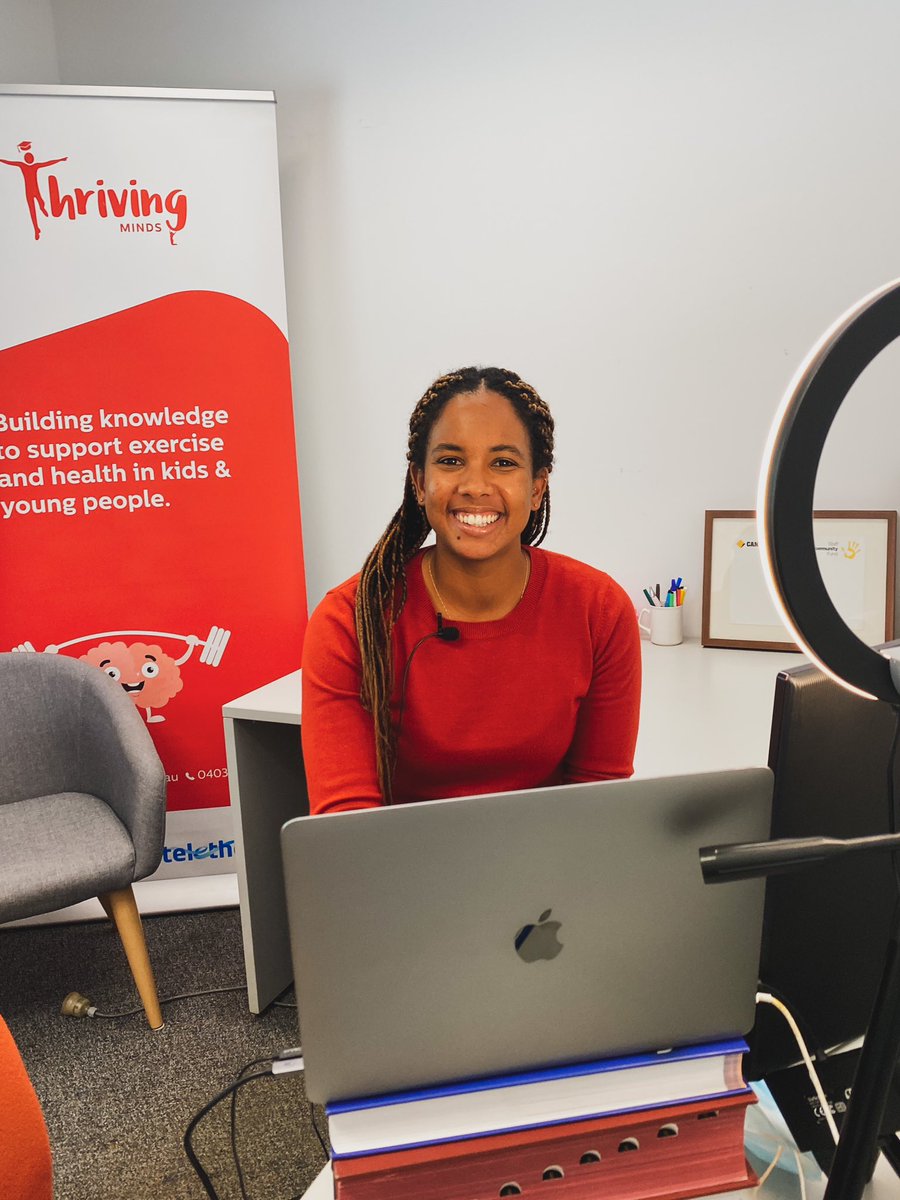
An epic feasibility + efficacy trial multi-component physical literacy program for children with neurodevelopmental, emotional, or behavioural problems #Thrivingfamilies
https://t.co/PhKDsKzEom
A very handy paper for methodology/ethics/proposals that look to use grip strength as an outcome measure (plus clinical practice!)
@BrettBuist@MHEXUWA#exercisephysiology
Congrats to MHEX team member @AaronDSimpson on his second publication 👏👏
One for all those interested in physical literacy, childhood development and early education.
@uwanews@UWAresearch@UWAhumanscience
My 2nd publication, and the 2nd of two RCTs investigating online physical literacy PD in educational contexts, has been published open access in Psychology of Sport and Exercise. Feel free to check it out: https://t.co/OlFQ4ZB4Ed
A huge thanks to everyone on the team!
Making an appearance on @theprojecttv in 🇦🇺Australia all the way from 🇺🇸 Chicago ✈️ talking about these highly considered guidelines for the inclusion of #transgender individuals in high performance sport from #AIS@ausport
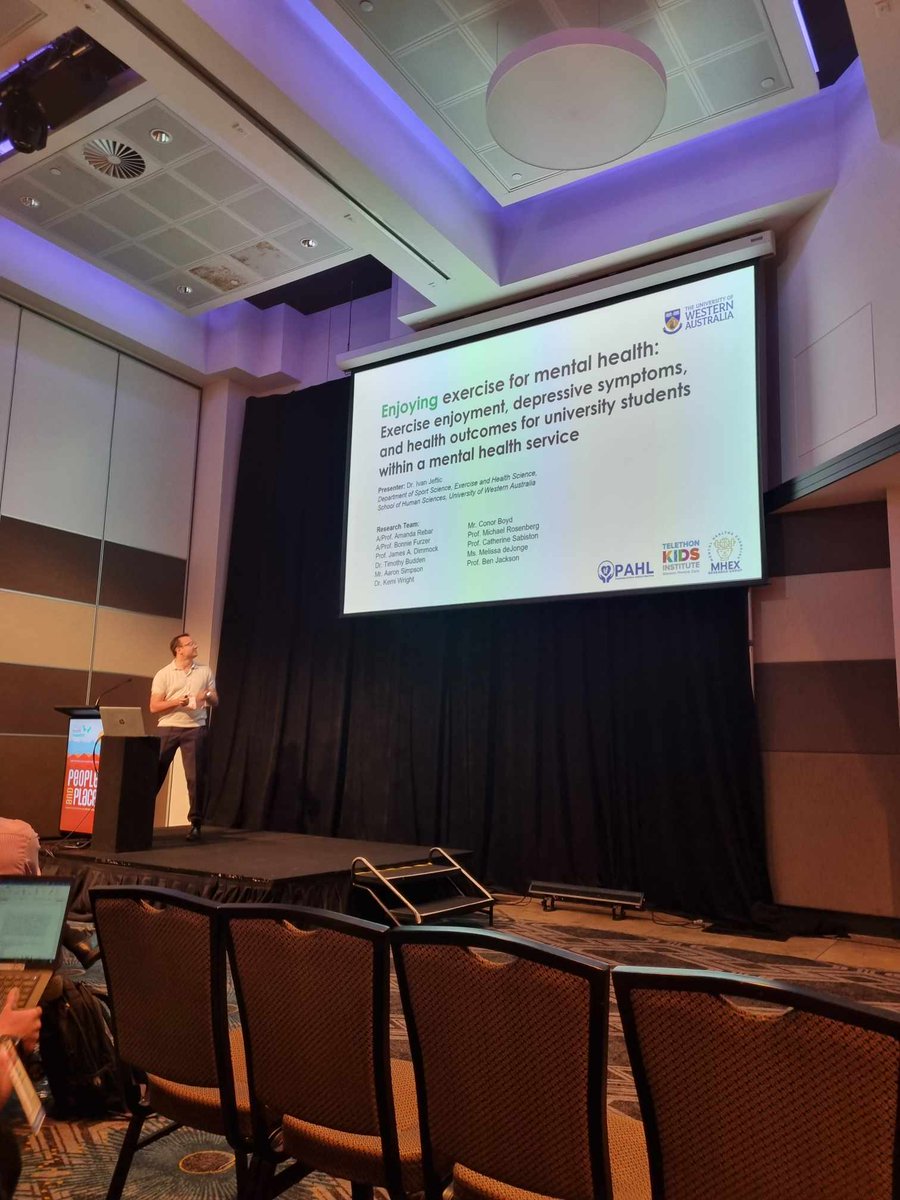
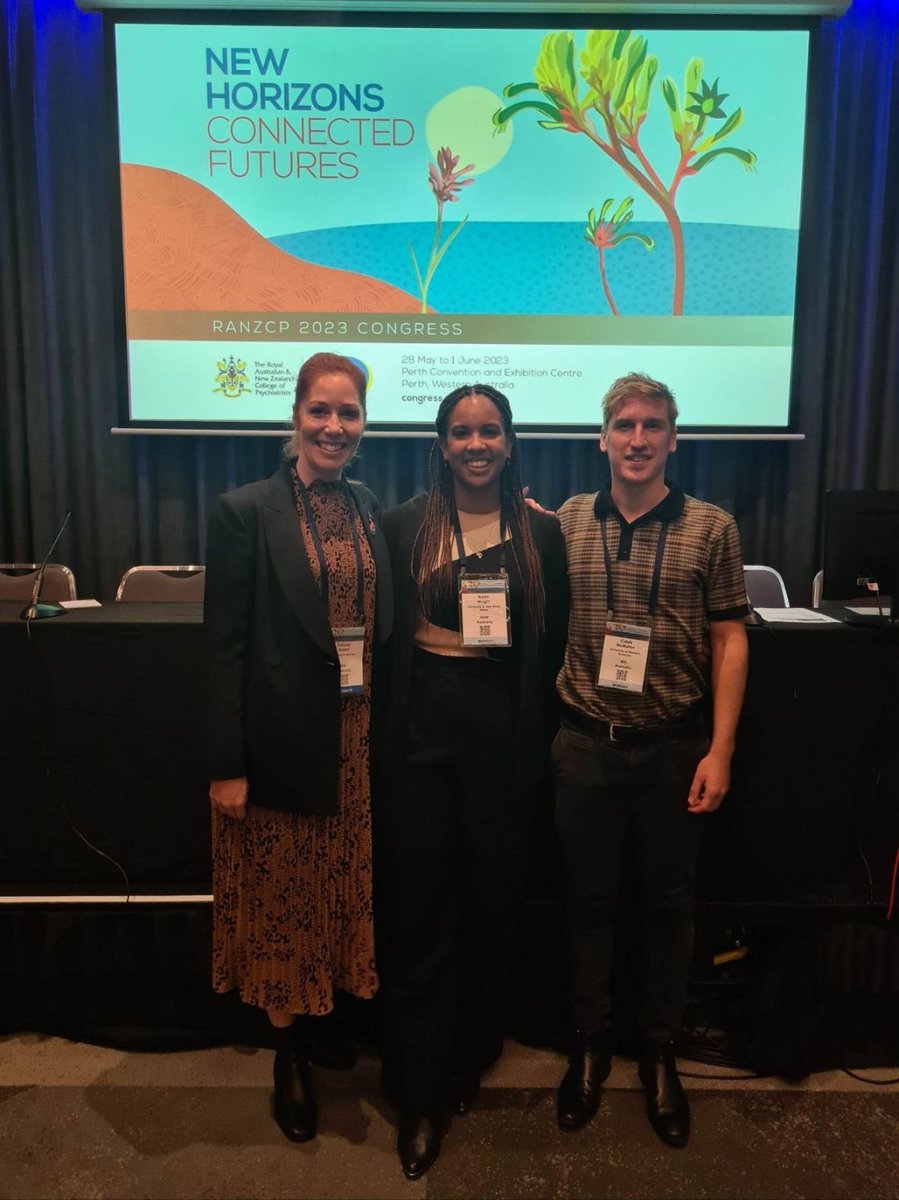
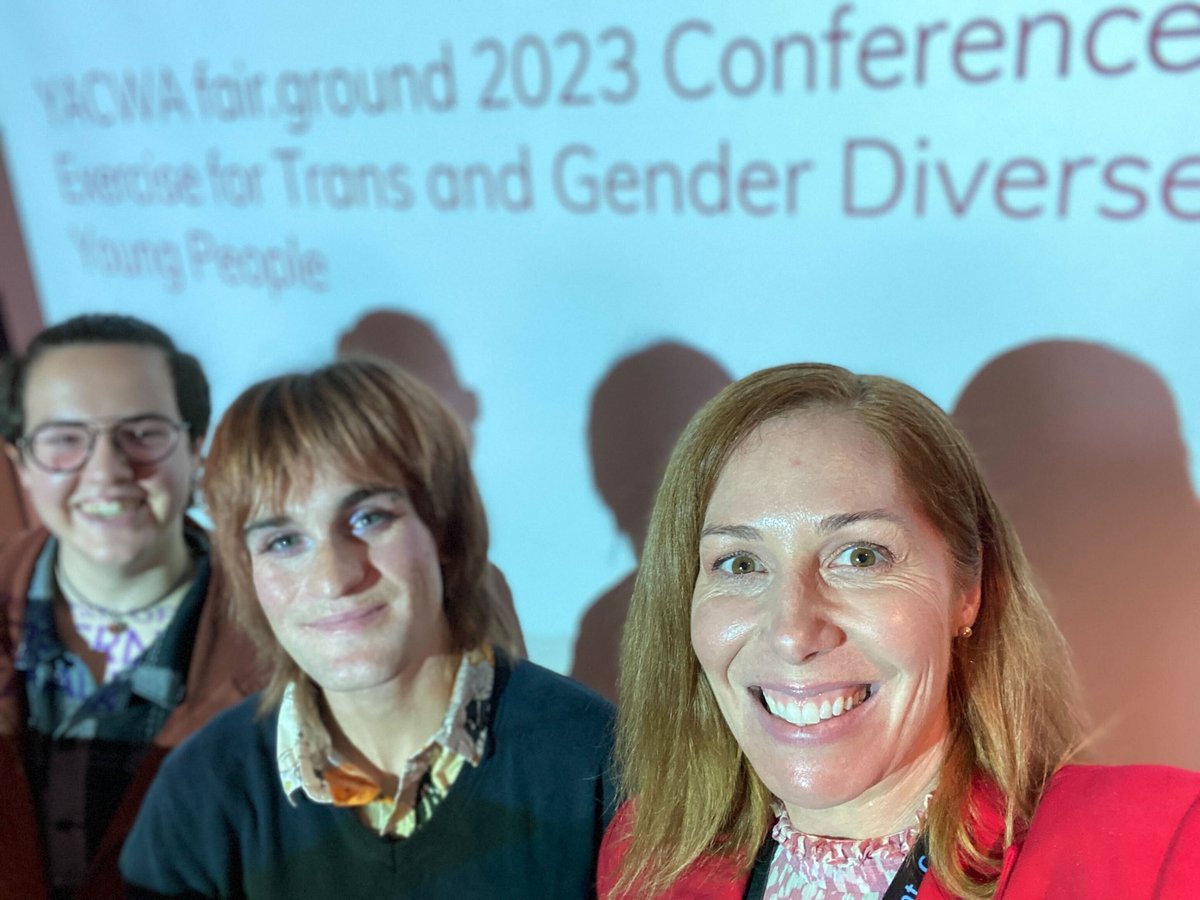
Big few weeks of sharing our work
• Caleb, Felicity + @kemiwright27 covering exercise + mental illness with psychiatry crowd #RANZCP2023
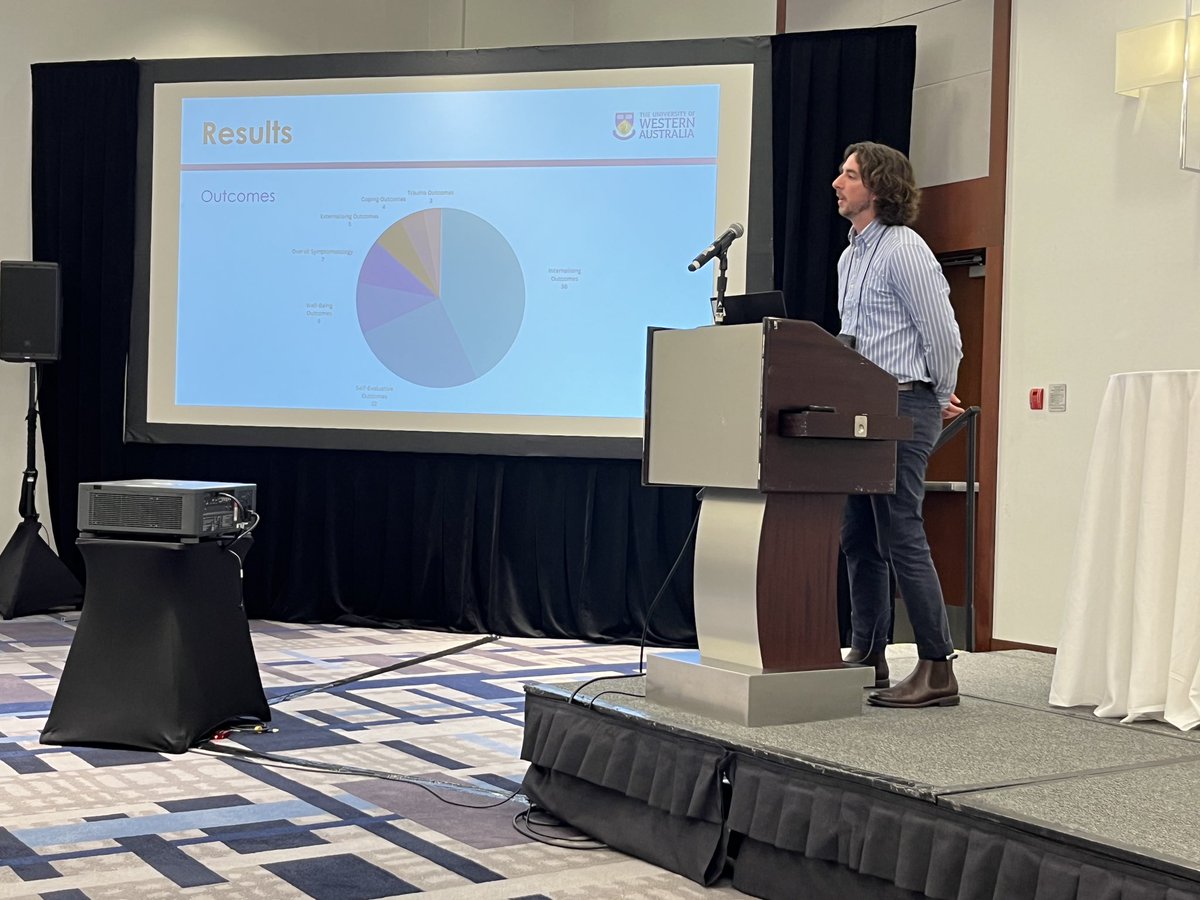
• @AaronDSimpson flying the flag a long way from home in Toronto @NASPSPA
• @KaiSchweizer Felicity + Ben talking trans exercise @yacwa
#NASPSPA2023 done ✅ First conference done ✅
Had a great time in Toronto—thanks to all those involved, and a huge thanks to my supervisors for the ongoing support. @PAHL_Group_UWA@MHEXUWA
Looking forward to the next one!
Rejection of your paper or grant has NO relevance to the opinion of #research community. It is nothing but the opinion of one person.
Several examples:
1. The first paper on graphene was rejected from Nature because “it did not constitute a sufficient scientific advance”. Later, it was awarded a Nobel prize.
2. The first manuscript showing the microbiome-brain connection was published after 7 submissions that took 3 years. Today, this field has exploded. I expect it will get a Nobel prize in the future.
3. Theodore Maiman tried to publish a paper describing the first operating laser in Physical Review Letters and… got a rejection!
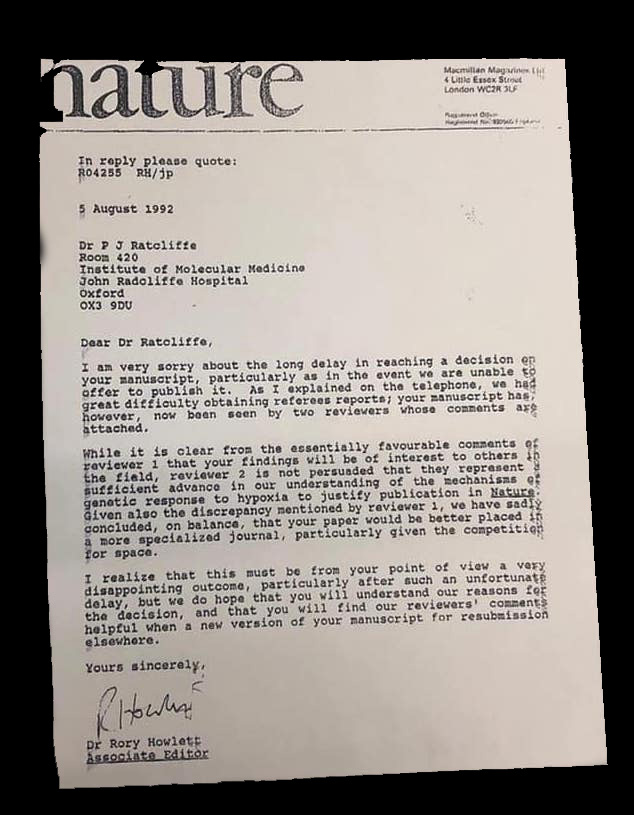
4. Peter Ratcliffe, who worked on cells’ response to changes in oxygen levels, got his key paper rejected from Nature (see photo). Later, he was awarded a Nobel Prize for this work.
And there are many other examples…
.
And yet I see so many young scientists stressing about rejections. For some reason, they seem to genuinely expect that the editors should know which study is truly worth it.
As a result, many rejections are met with surprise and disbelief:
“How could they reject it? They publish so much trash, and yet they think our detailed 3-year-long study is not interesting to the community! WHY?”
.
Well, the reality is:
- Most editors have very little time to delve into your study. They can easily FAIL to recognize the potential impact of your study. Proper communication in the cover letter and clear writing style can help (although only to a limited degree).
- Many reviewers have little idea about the science in your paper. But they can have a big ego. So, if they have a bad day or were rejected recently, it’s easy for them to find 1000 technical reasons to reject your paper as well.
- Most scientists genuinely don’t know if your discovery can make any impact. If we could predict the course of science, we would be living very differently!
My message is simple:
Forget about objectivity. Academia is a very subjective world. Fight for objectivity but don’t take it for granted.
A great study will be found, cited and recognized. Disregard of where it’s published.
A bad study requires a high-impact journal to be found and cited. But the long-time recognition might be a problem.
High-IF journals are simply billboards. Their rejections do NOT represent the opinion of a scientific community.
You can get rejected but don’t reject yourself!
Believe in your results.
#AcademicTwitter #AcademicChatter
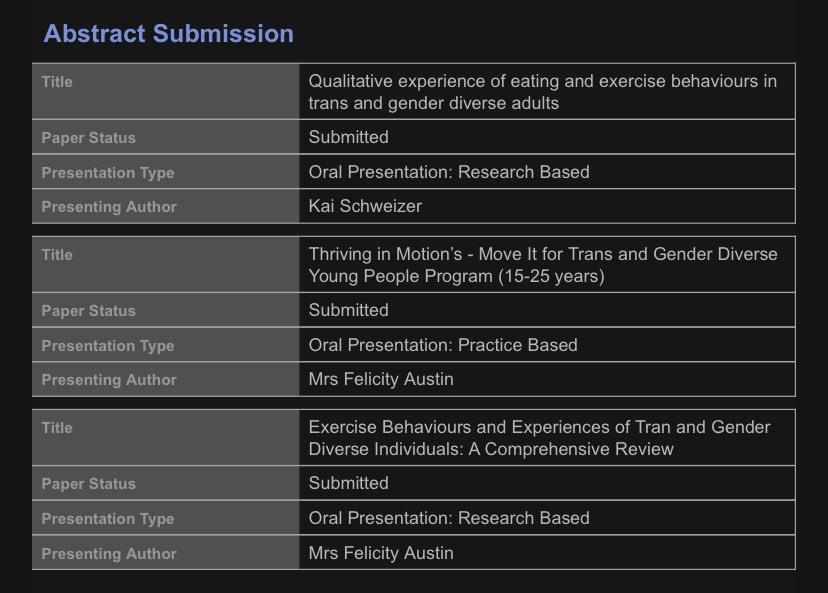
All the TGD eating and exercise behaviour abstracts by @MHEXUWA and @InsideOutInst are submitted for AusPATH Conference 2023. Fingers crossed!
🤞🤞🤞🤞🤞🤞🤞🤞🤞🤞🤞🤞����