Avoid continuous exposure to news, media, and social media that may trigger or elevate anxiety, stress or panic. Stay informed but limit media consumption.
Working remotely can cause people to feel isolated, making it more important to routinely check in with your team. Loneliness can lead to mental health issues. Be aware of significant changes you may see in your team members because it may be a sign that a person is struggling.
Maintaining a work-life balance and prioritizing mental health are essential to our overall well-being. Keep a regular schedule with periodic breaks and set healthy boundaries with work hours.
There are two main types of coping skills: problem-based coping and emotion-based coping. Understanding how they differ can help you determine the best coping strategy for you.
You can read more here: https://t.co/ocR6NK66wB
Remember how good it feels to get a new haircut? Prioritize personal hygiene because the way you look impacts the way that you feel which in turn impacts how you feel at work and at home.
Stay connected with family and trusted friends and let them know if you need extra support during this challenging time. That might include regular phone calls, check-ins, and related support. Be clear about what you need during this time.
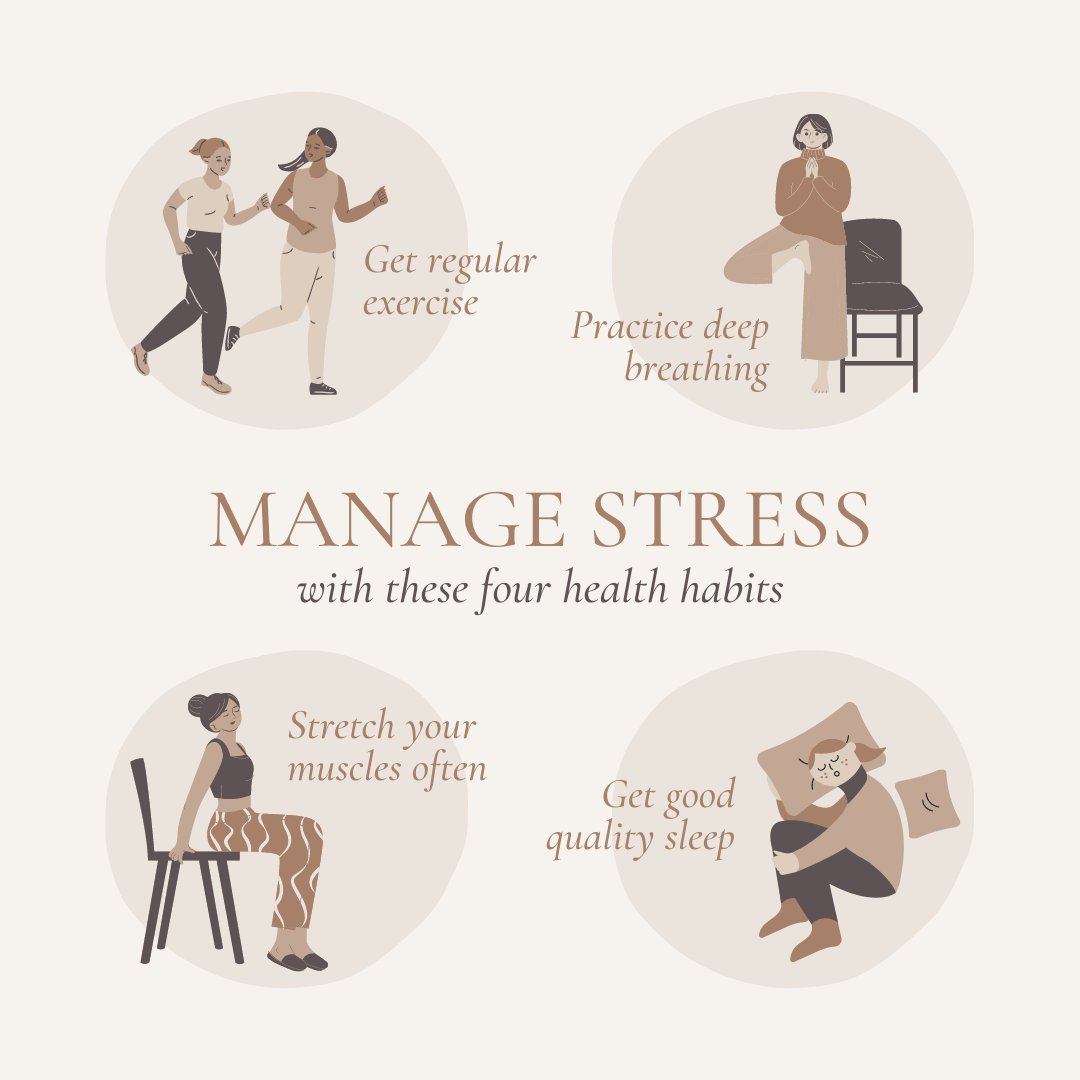
Physical health is an important part of mental health as well. Keep your immune system strong by getting enough sleep, staying hydrated, and maintaining a balanced diet.
Despite changes in routine, it is extremely important to follow your treatment plan.
If your symptoms change or you need reassurance during this difficult time, call your treating provider's office to see if they are offering virtual visits.
Engage in activities that benefit your well-being and bring you joy. This might include meditation and yoga, often offered free online. You may also enjoy journaling, reading, art projects, cooking with new recipes, breathing exercises, or listening to a calming podcast or music.
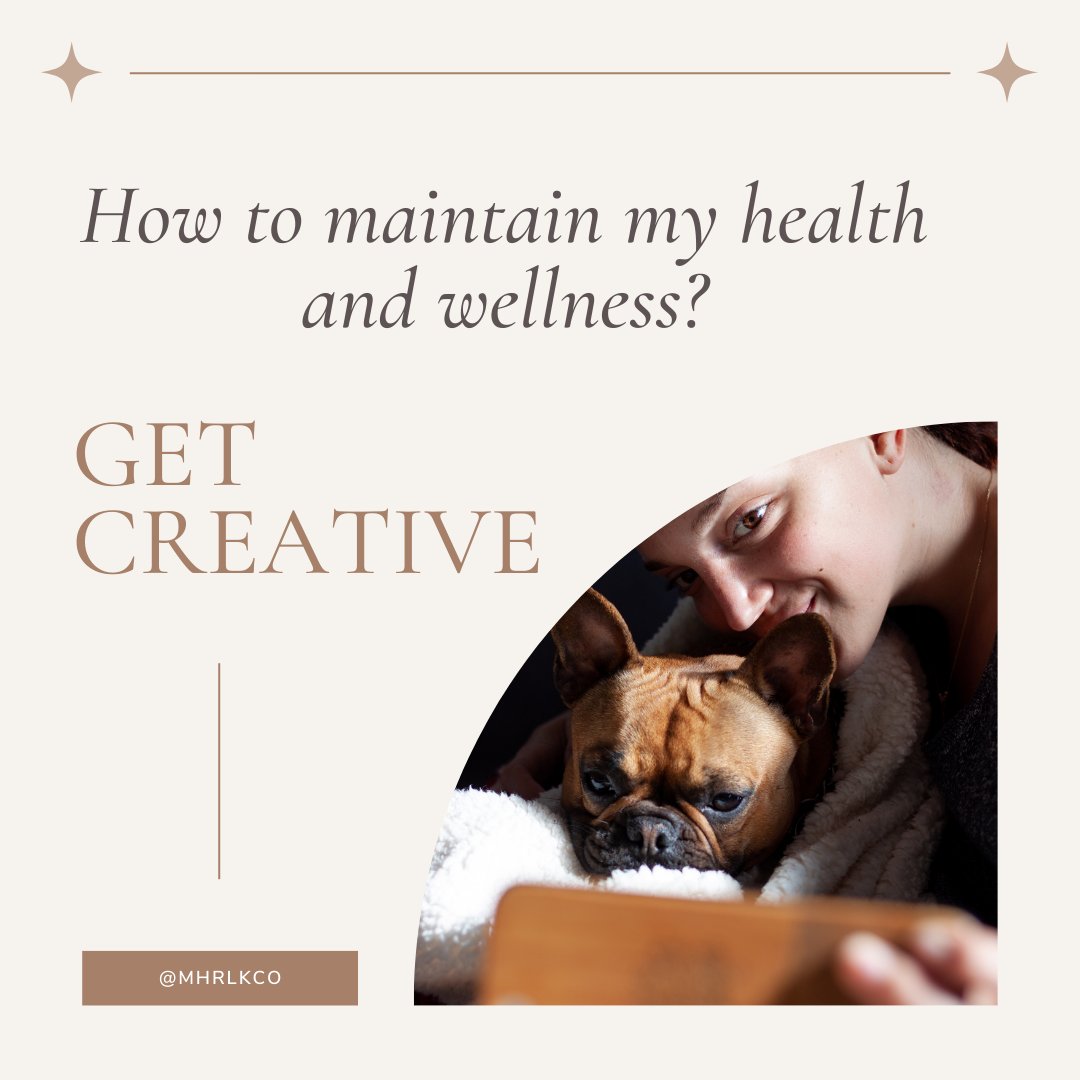
Come up with new ideas like planning a zoom hangout at a mutually agreed upon time to exercise together, whatever you decide keep it simple. Share photos of pets on how they are enjoying the new routine. The sky’s the limit on creative ways to stay connected.
Continue to monitor new or worsening symptoms you may be experiencing with either your mental health or overall health and well-being. Do your best to keep your stress level low and engage in activities that help you manage your stress levels.
Stigma can negatively affect the emotional, mental, and physical health of stigmatized groups and the communities they live in. Stopping stigma is important to making all communities and community members safer and healthier.
Maintaining a healthy work-life balance also increases performance and productivity. When away from work, stay connected with family, friends, and support systems using technology or safe in-person gatherings.
Knowledge is power and it’s good to stay updated on progress being made in combatting the virus, however, make sure you're getting the latest updates from reliable sources like the Centers for Disease Control (CDC) and your local Health Department.
When working from home, be sure that you are working reasonable hours. It can be tempting to work more while you have your work at home, however, it can also be taxing on your health and well-being, so stick to a schedule with healthy boundaries.
It's going to be a beautiful weekend. If you're able, take some time to refresh yourself out in nature. Taking a hike can help decrease anxiety and improve your outlook on life.
Check in with your Employee Assistance Program (EAP) to confirm their availability and to coordinate support for employees. Remember that the EAP is there if you need support and can help you connect with behavioral health support, if needed.