Who knows what will happen with LIV at the end of this season, obviously I shared my thoughts earlier this week…
Aside from that, I really appreciate the way @TalorGooch represents our state and our city. The rebrand is awesome. LIV teams should have leaned into cities long ago.
To my Oklahoma family;
this piece comes straight from the heart.
I hope you’ll take a moment to read it and feel what I felt.
Thank you for allowing me to be a small part of it.
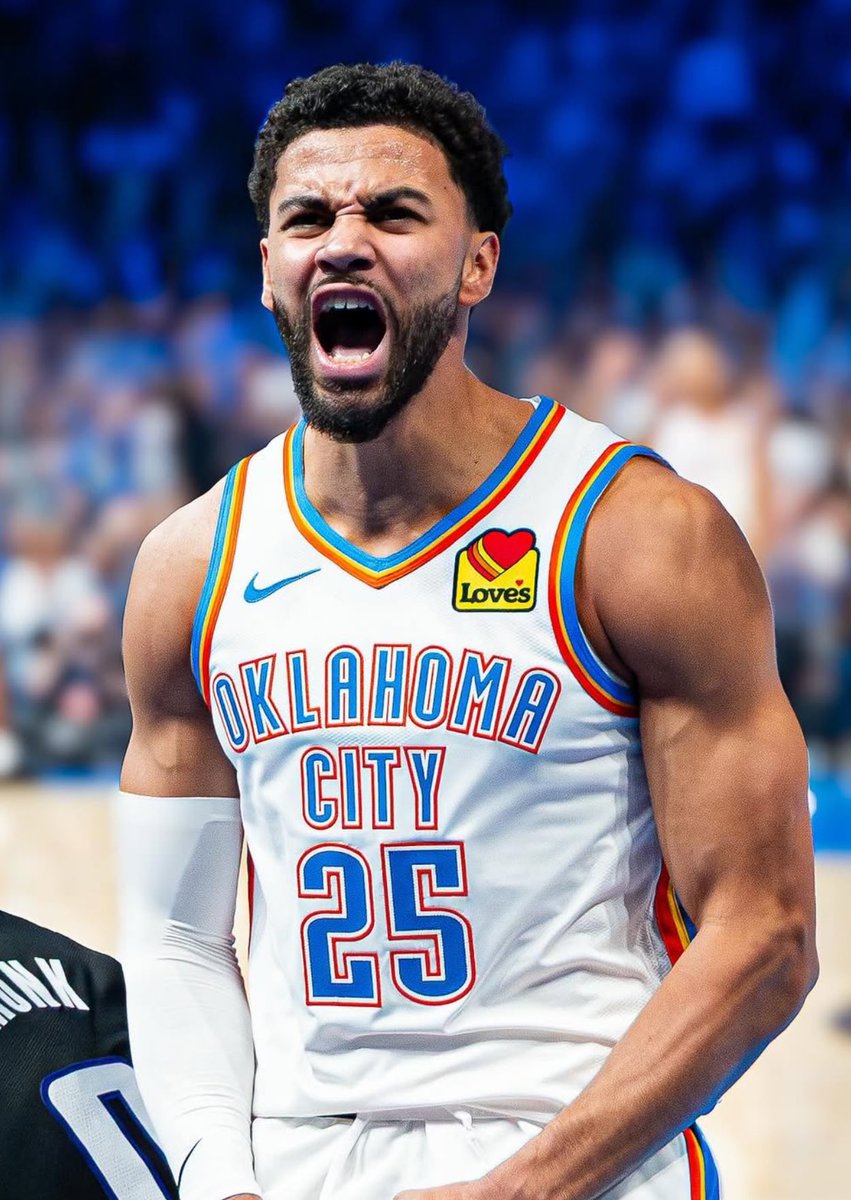
I came to @okcthunder to play basketball. I left carrying 168 lives.
When I was traded to the Oklahoma City Thunder, I was thinking about basketball, nothing more.
I didn’t know that before I ever stepped on the court, this place would show me something that would stay with me far longer than any game.
Like any player, my mind was on the game. A new team, a new city, a new opportunity. I expected the usual routine when I landed in Oklahoma City. Physicals, practices, meetings, and a jersey waiting in a locker.
But before any of that, Sam Presti pulled me aside and told me there was somewhere we needed to go.
He didn’t explain much, and I didn’t think to ask. I was focused on the next step in my career.
What I didn’t understand was that, before I could represent the place I was about to play for, I needed to understand it.
So instead of heading to the facility, he took me to the Oklahoma City National Memorial & Museum.
I walked in without knowing what I was about to see, and within minutes, everything slowed down.
There are 168 chairs at the memorial, each one representing a life lost on April 19, 1995. They are arranged in quiet rows, each engraved with a name, each standing where a person once stood in that building. Then you notice something that is impossible to process the first time you see it. Some of the chairs are smaller.
They belong to children.
There is no speech that prepares you for that, no headline that captures it. You simply stand there, and the silence carries a kind of weight that is hard to describe but impossible to ignore.
As you walk through the memorial, you pass between two gates marked 9:01 and 9:03. At first, they seem like simple numbers, but then you understand what they hold. One marks the last minute before the attack. The other marks the first minute after. And in between those two gates is 9:02, the moment when everything changed.
That minute does not feel like history when you are standing there. It feels present.
The reflecting pool stretches across what used to be a city street, its surface calm and still. When you look into it, you do not just see water. You see yourself standing in a place where unimaginable loss occurred, and for a moment, everything else in your life becomes quieter.
Nearby stands the Survivor Tree, an American elm that was damaged in the blast but endured. It is not untouched. Its scars are part of what it represents. But it is still standing, and in that, it carries a kind of strength that does not need to be explained.
We did not speak much while we were inside. It did not feel like a place for conversation. Some places ask for words. This one asks for reflection.
When we stepped outside, Sam Presti looked me in the eye and said, “This is what this state has been through.”
Then he said something I will never forget.
“Every time you step on that court, you are not just playing in front of fans. You are playing for a state that carries this with it. Give them everything you have. They deserve that.”
In that moment, basketball felt different.
Not smaller, but clearer.
Because what I had just seen was not only about what was lost. It was about what remained. A state that had experienced unimaginable pain and still chose to come together, to rebuild, and to move forward without losing its humanity.
From that day on, every time I stepped on the court, I carried that with me.
On the nights when I was tired, when I was hurt, when I was dealing with challenges that felt heavy in the moment, I would think about those chairs, about that minute, about the people behind those names. And I was reminded that what I was going through did not compare to what this state had endured.
https://t.co/XfNLliRVaO
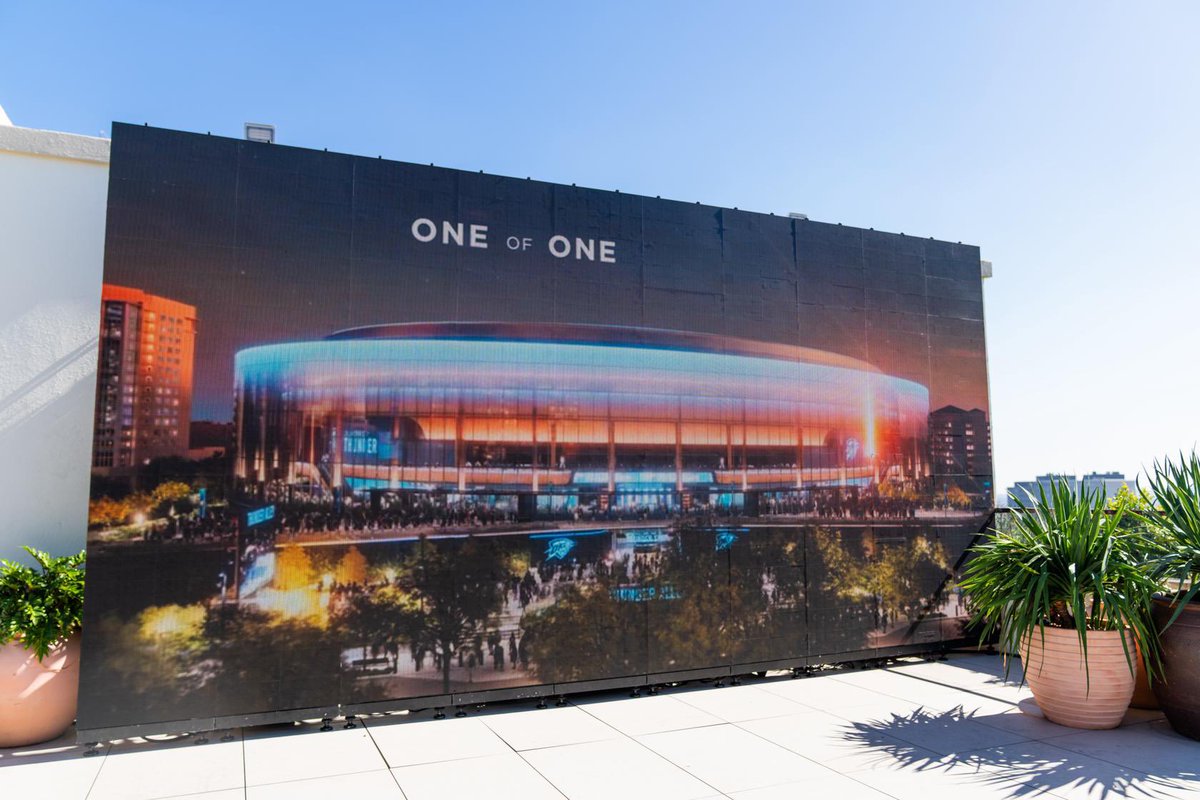
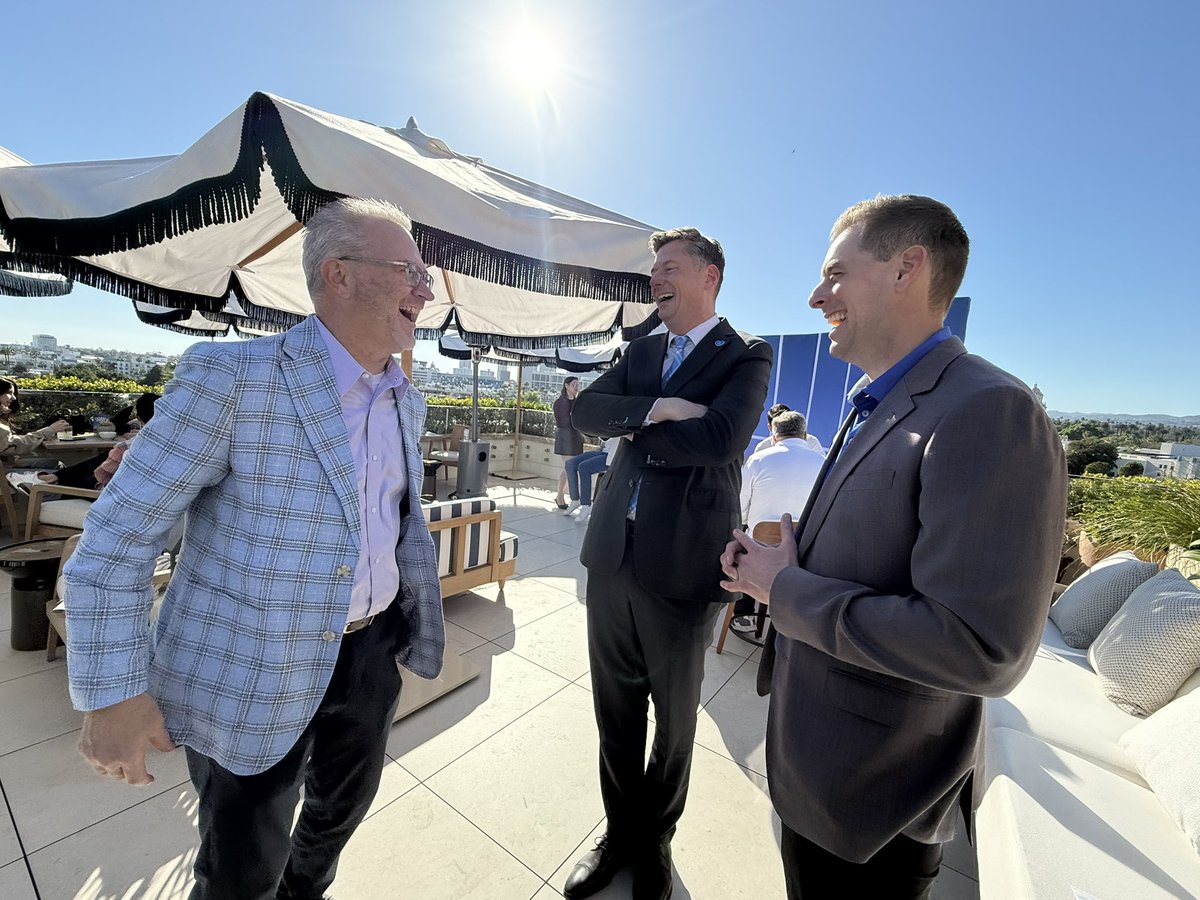
With the NBA All-Star Game in Los Angeles this weekend, it’s only natural that our champs have a pop-up. Our Thunder have taken over a rooftop pool in Beverly Hills to show off Oklahoma City’s new arena, and of course I had to check-in! #ThunderUp
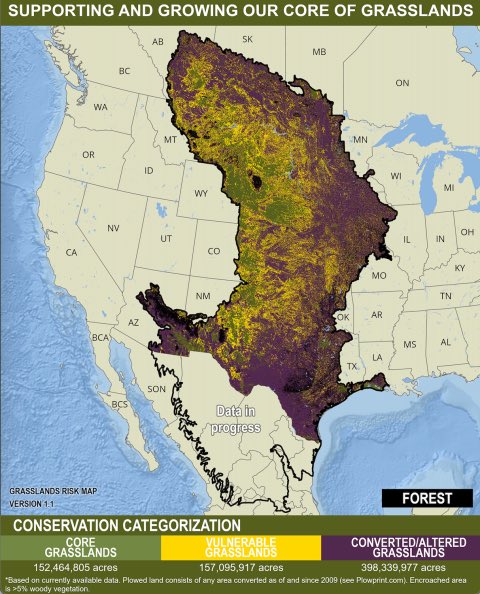
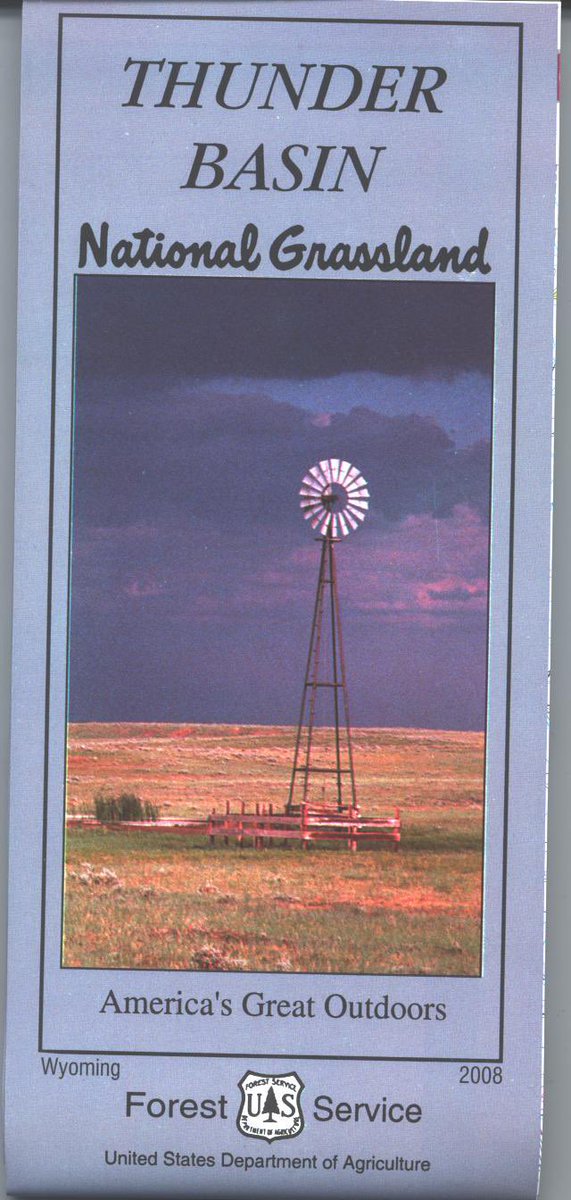
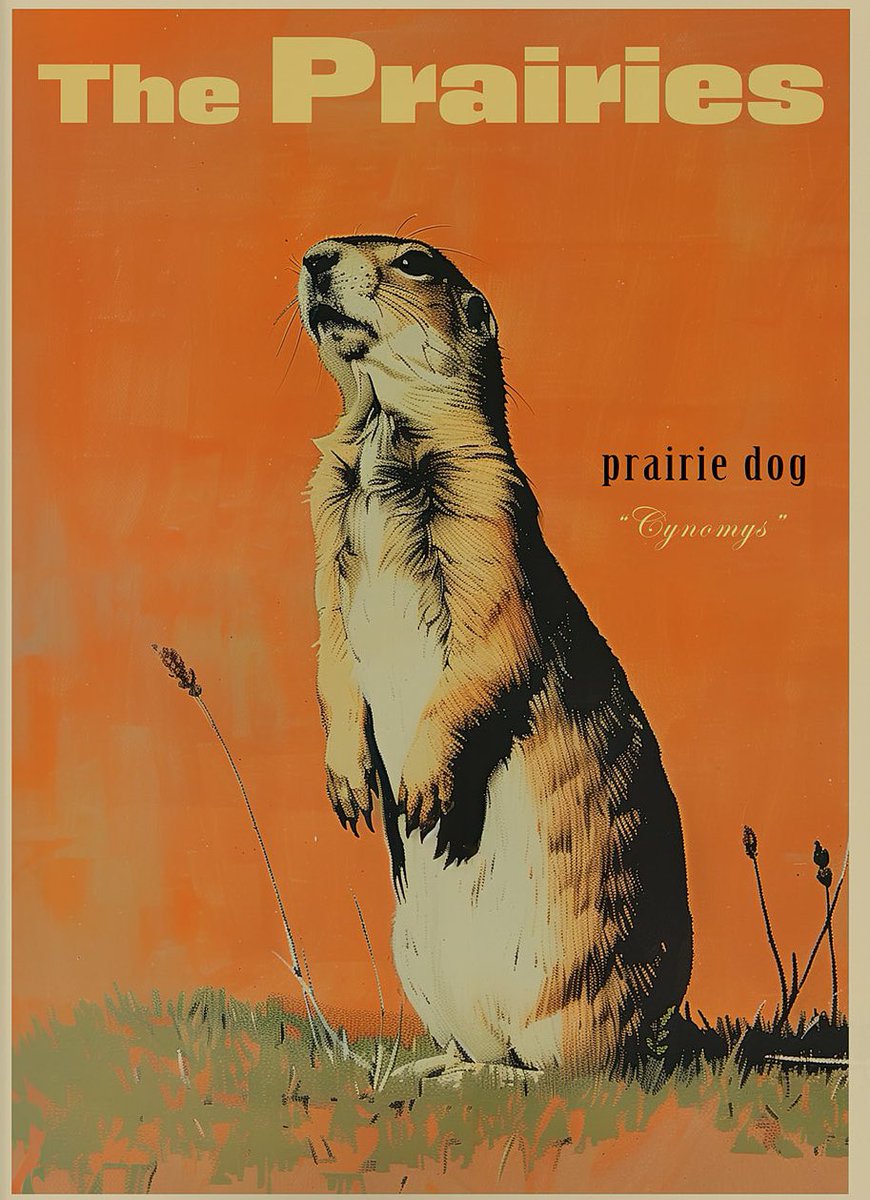
Did you know that public land, especially National Grasslands managed by the US Forest Service, are the single largest blocks of relatively intact prairie left in the US and they’re ground zero for restoring the American Serengeti?
The ‘American Serengeti’ is the nickname given to the Great Plains of North America (our grassland steppe stretching from Montana to Texas) with similar scope and scale of biodiversity as Africa’s Serengeti (bison, elk, pronghorn, wolves, griz).
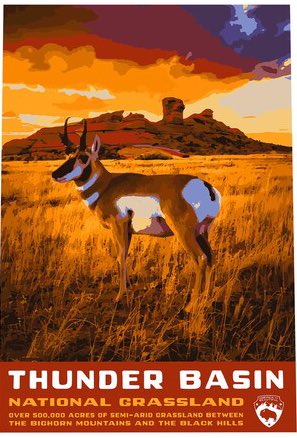
We have 20 National Grasslands (almost 4m acres) with public prairie also set aside in state and national parks as well. The biggest, which you can visit and dispersed camp on all year for free, are the Little Missouri National Grasslands (ND 1m acres) and Thunder Basin National Grassland (550k acres).
Buffalo reintroduction is currently happening in Thunder Basin and the Little Missouri (and many other public National Grasslands) where, working with tribes & ranching families, Buffalo are being reintroduced or will be soon. Almost every black footed ferret reintroduction has taken place on American National Grasslands.
National Grasslands conduct some of the largest prescribed burns in the federal land system, which restores fire grazing systems. Fire grazing, or pyric-herbivory systems are a combination of RX burns and targeted grazing that mimics the natural patterns that shaped the Great Plains before settlement.
Back then, lightning would cause a fire, fresh grass would grow back, bison would heavily graze regrown patches, which would attract more grazing. This meant a mosaic would form and constantly shift with lightning fire burns, and patches of short, medium, and tall grass along the landscape.
Federal land managers are also managing National Grasslands as what are called wildlife movement corridors, where on over 10m acres of American land (public and private) owners and managers are working together to benefit mule deer, pronghorn, sage grouse, and grassland birds.
I hope people can appreciate this because 1) it’s awesome and shows how awesome Chet is and 2) it shows how hard he has worked to continue to develop his game
@highcountrynews@braxton_mccoy did the right completely abandon our ranchers? High Country News pulling Burgum for quotes is a strange bi-partisan play that has Mike Lee written all over it. Pretty damn good long term play to raise support for public land sell-off.