@NVIDIAAIDev This article has plagiarised me three times. The headlining image belongs to me, I did not give permission for the image to be used without crediting me. I wrote sections of the article and was not credited & I added a quote about my research that was kept without reference to me
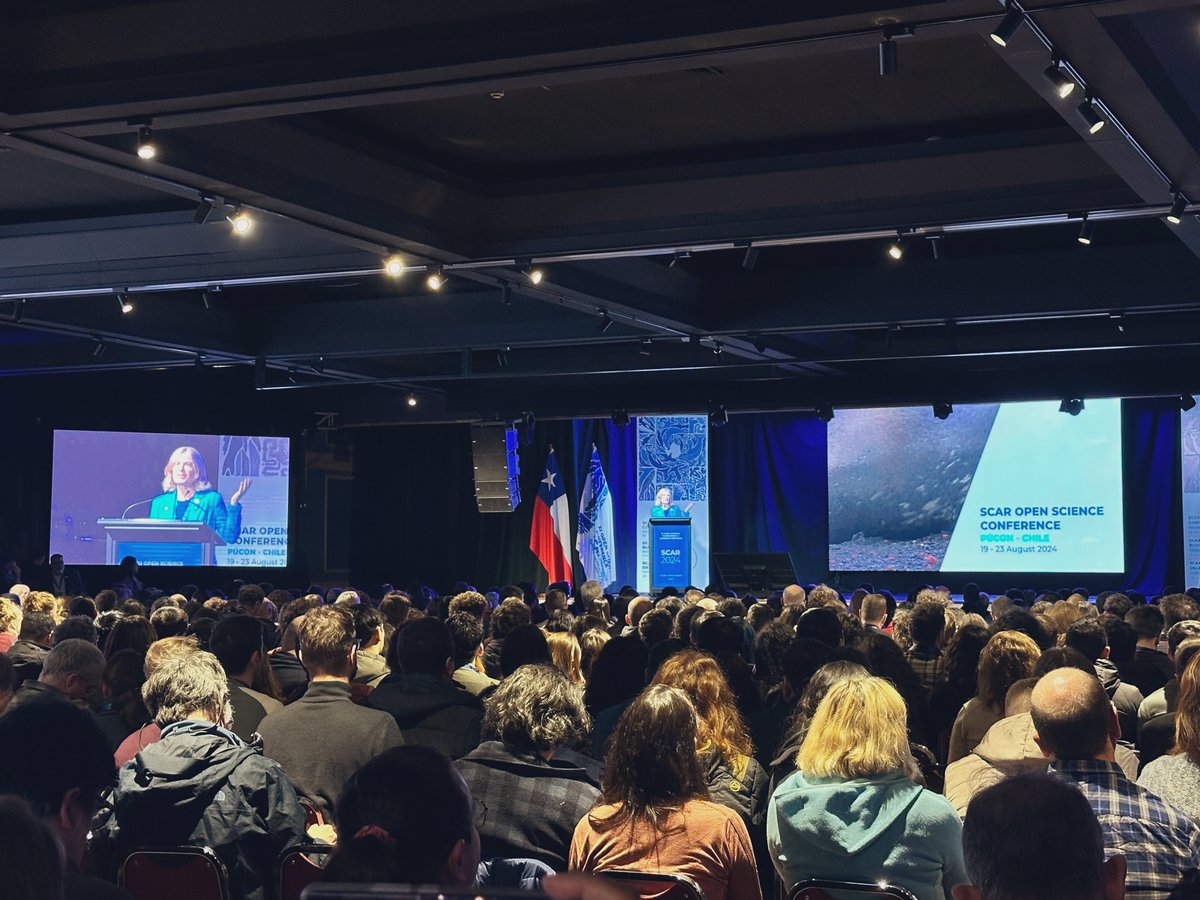
The SCAR Secretariat has now travelled to Pucón to prepare for #SCAR2024.
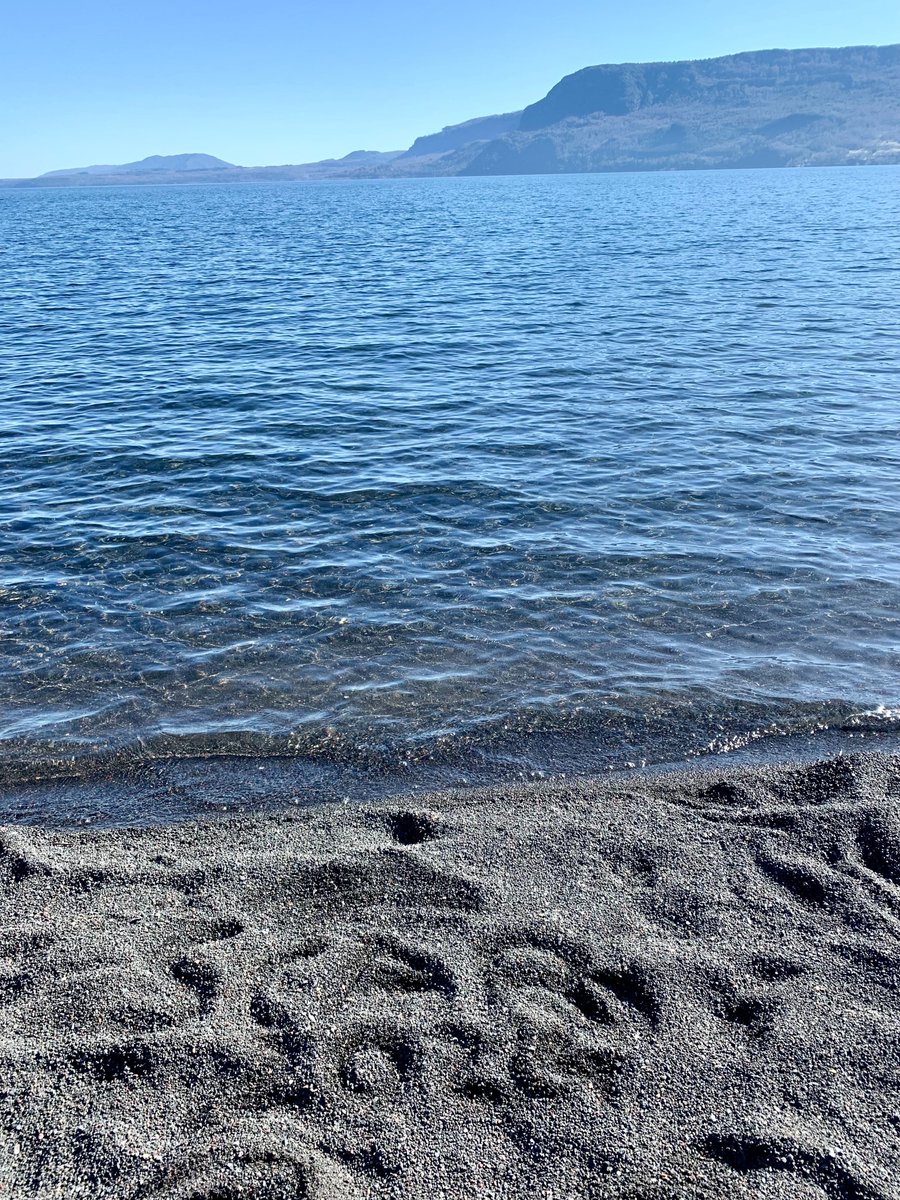
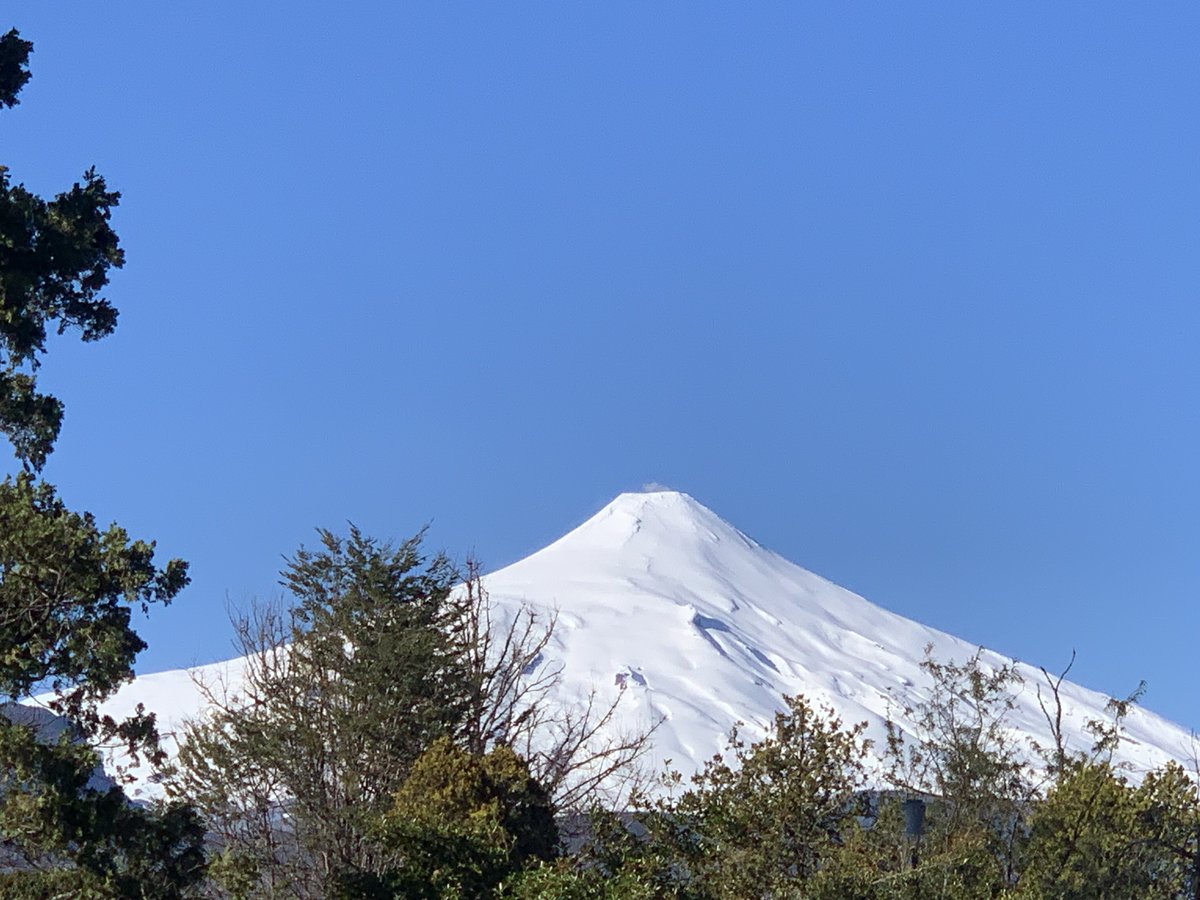
We are pleased to report that the views from the venue are indeed phenomenal. 🌋
We can't wait to see many of you here!
https://t.co/lTbPirvH5L
🎧 Listen in to @Antarcticmoss on Antarctic moss!
She recently recorded a conversation with Plant Kingdom about the incredible and fragile #moss ecosystems in #Antarctica.
https://t.co/XptVlK5sVl
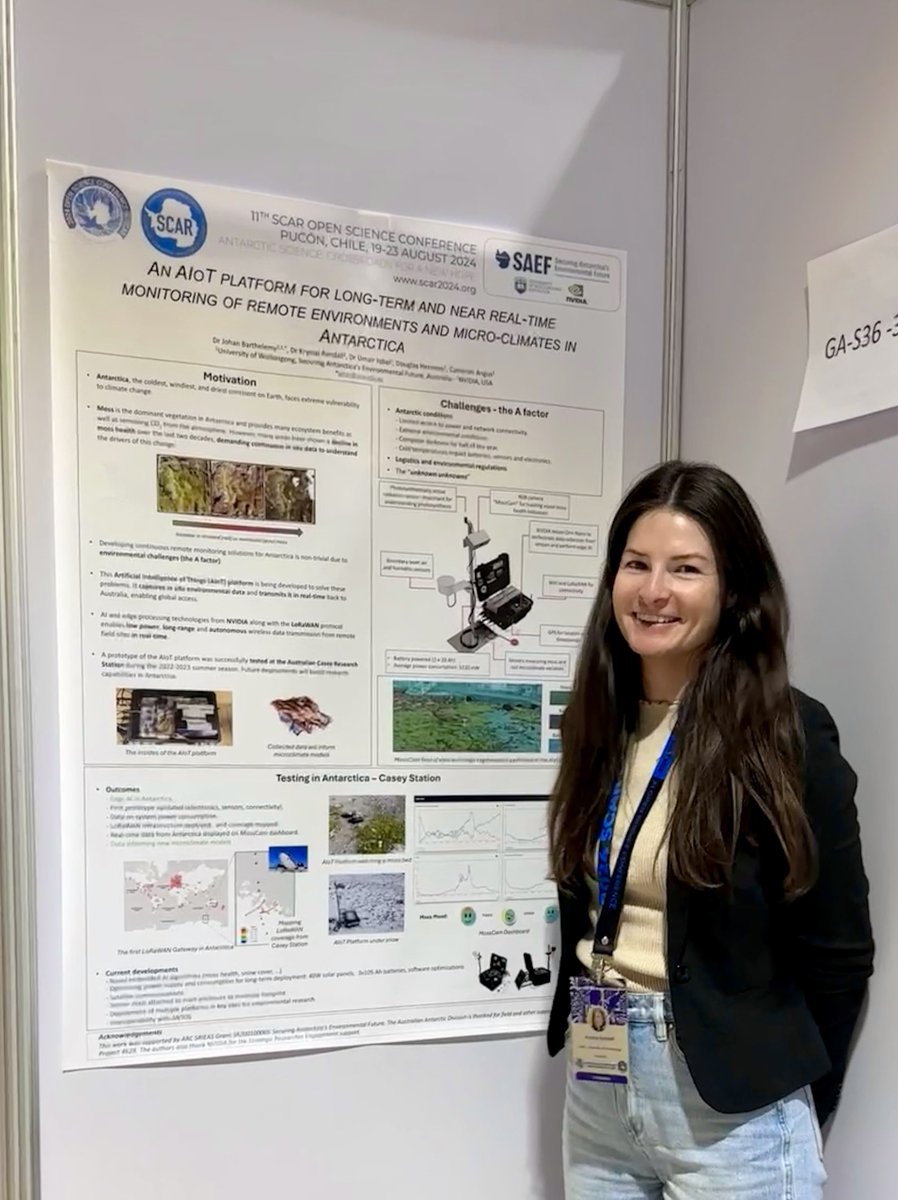
Real-time monitoring of biological changes in #Antarctica is extremely difficult to achieve, but necessary to understand ecosystem responses to cyclic and long-term climate shifts.
Read about how we’re tackling this problem 👇🏼 Led by @DanaMBergstrom Jane Wasley @Antarcticmoss
🦠 Is the #atmosphere Earth's largest microbial ecosystem?
SAEF Associate Investigator @RachaelLappan researches #microbes in the atmosphere.
She's trying to determine if microbes simply use the air for transport or if it's a permanent home.
Read more: https://t.co/AL72N5QLj8
Historical photos from the 1960s have extended the record of what glaciers looked like decades before the Larsen-B ice shelf collapsed.
@ryan__north @4Dlandscapes
🧵⬇️
https://t.co/Sf7gzTcA8T
🚨 New job opportunity!
We are looking for an postdoc to join us at @UOW. You will work in collaboration with researchers across SAEF to develop hydrological models of ice-free terrestrial Antarctic regions from satellite & UAS imagery.
More info ➡️ https://t.co/ZDzEhNXYQi
Today is #IDAHOBIT, the International Day Against LGBTQIA+ Discrimination.
We recognise and celebrate the contributions LGBTQIA+ people make to our program.
Their contributions benefit our science, our culture, and the broader community.🏳️🌈 🏳️⚧️🏳️🌈🏳️⚧️
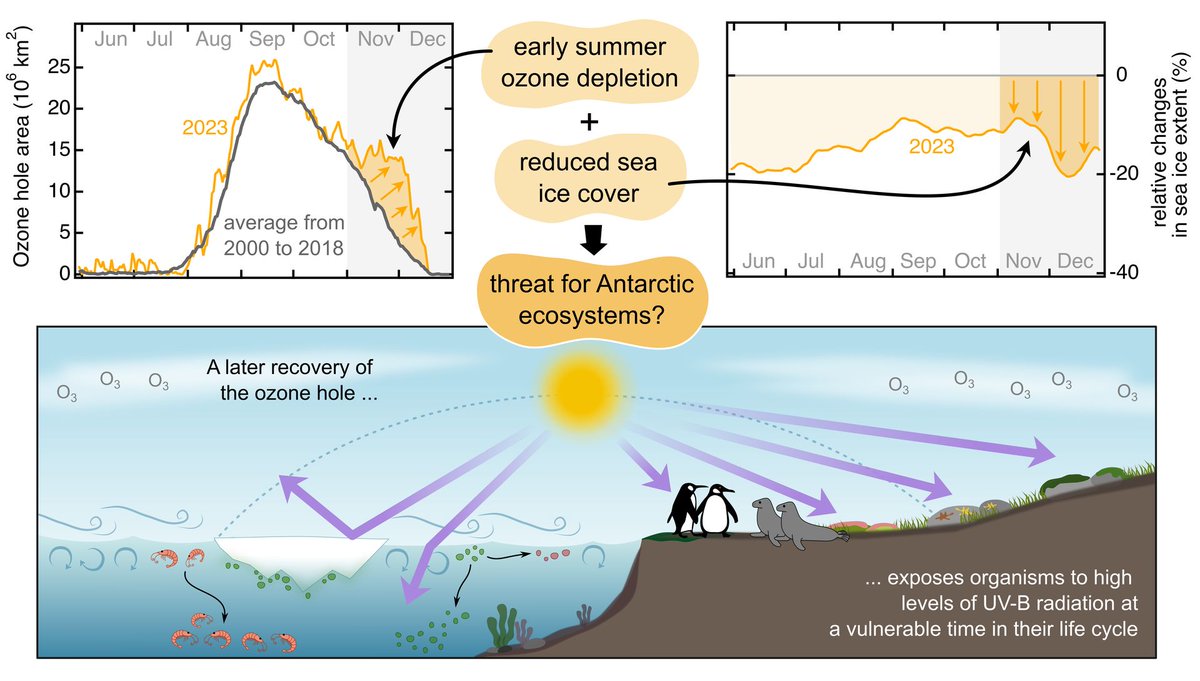
By the time sea ice/snow melts & life returns to Antarctica each summer, the ozone hole is usually on its way to closing. But recently it’s extended well into summer and coincided with heatwaves and low sea ice extent, leaving plants & animals exposed to unseasonably high UV.
MINI REVIEW
Extended ozone depletion and reduced snow and ice cover—Consequences for Antarctic biota
📄 https://t.co/y77o1mHOYi @Antarcticmoss @UOW@saef_arc @LauraRevellNZ @UNEPozone@roy_mack@RacheleOssola
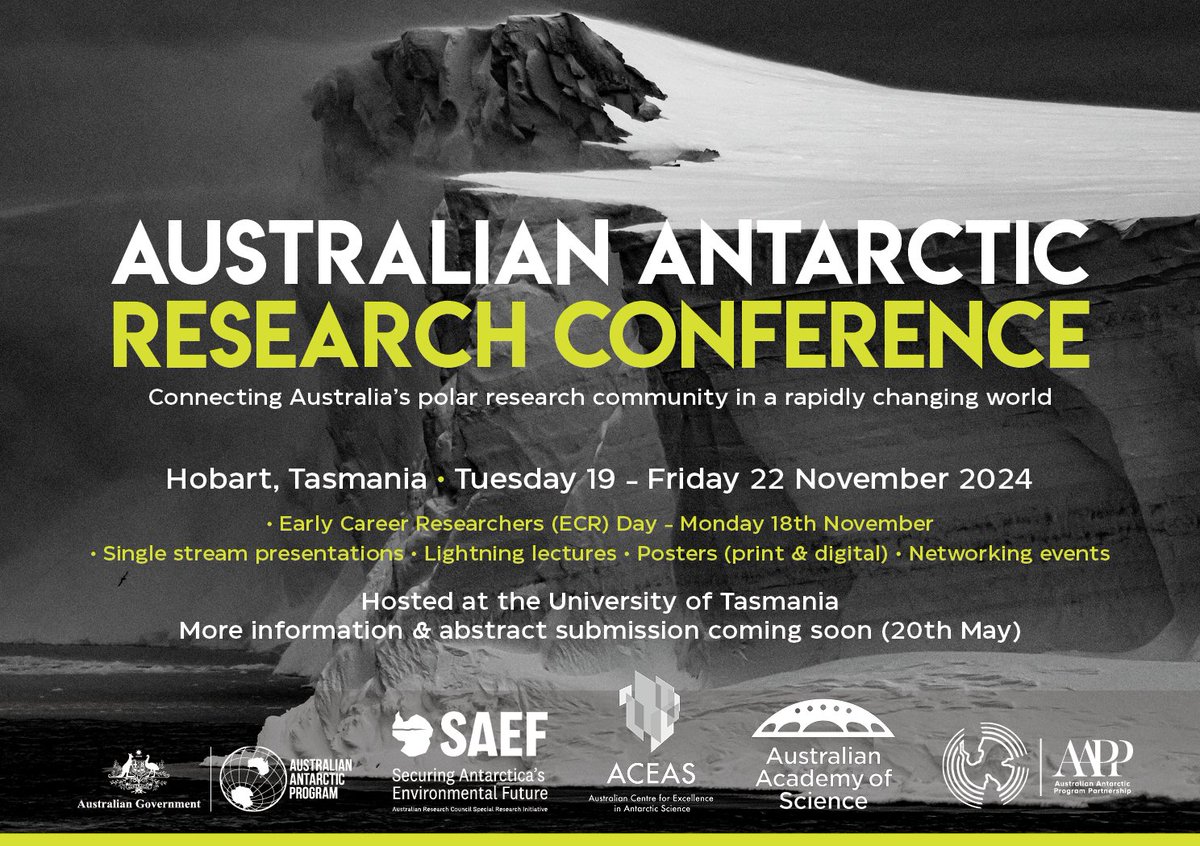
Covering all disciplines of #Antarctic science, we’re bringing together #AusAntarctic scientists to share knowledge all in one place.
I’m on the organising committee for this conference. Let me know if there’s something you’d really love to see!
📅 Save the date!
The Australian Antarctic Research Conference is being held 19 - 22 November and everyone in the Australian Antarctic community is invited.
Please share!
Isn't the ozone hole closing? Yes – but it's lasted longer than normal in recent years.
As @Antarcticmoss (@UOW) + colleagues (@UCNZ) explain, that means Antarctica's plants and animals are being hit with much higher UV levels in summer. https://t.co/DjbhRXkIHv