$BUDDY is live
CA - J21eW5EW4tXqbANxwnmoe6ZHfGHTPZbX3dU69d1zpump
Middle Buddy is a peer-to-peer transaction layer built on Solana, designed to make person-to-person transactions safer and simpler. Instead of relying on centralized intermediaries, Middle Buddy acts as the middle layer between two parties, allowing them to lend, borrow, swap, trade, and transact directly with each other.
The idea is simple: whenever two people want to do something directly but need a trusted middle layer to facilitate the transaction, Middle Buddy steps in. Built on Solana, transactions can be handled quickly and transparently on-chain while the platform provides the infrastructure that connects both sides.
Working on clearer feedback after an offer is posted.
Users shouldn’t have to wonder whether their deal actually made it into the marketplace. We want that confirmation to be immediate, obvious, and connected to a clear next step.
Create the offer. Confirm it. Know what happens next.
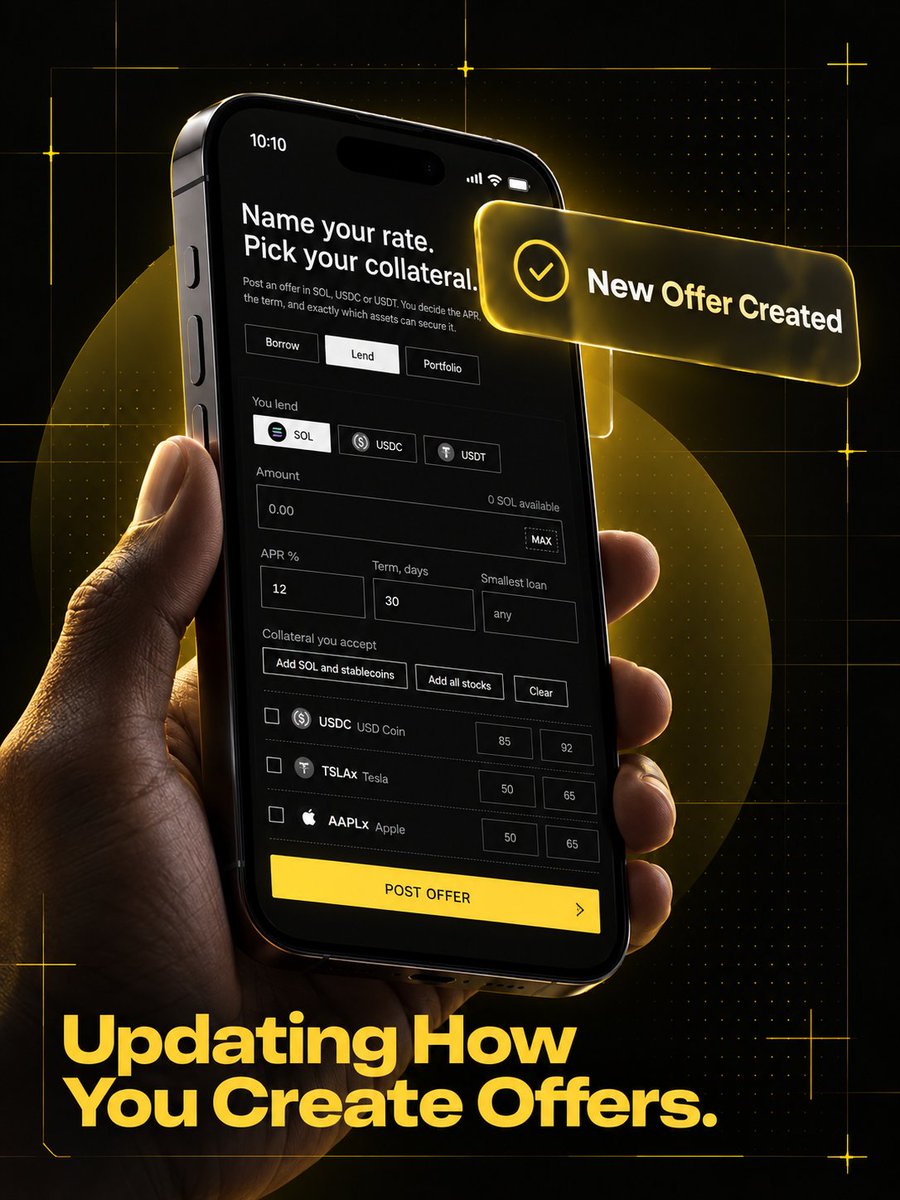
A small thing we’ve been cleaning up is how much information appears on the offer creation screen at once.
There’s a balance we want to get right.
Users need enough information to set a precise deal, but they shouldn’t have to process every possible option before they can even get started. We’re testing different ways to keep the main path simple while still leaving room for more detailed terms when someone actually needs them.
That means putting the basic deal first: asset, amount, rate, and duration. Then making additional conditions feel like part of the same flow instead of a separate wall of settings.
It’s the kind of UX work that doesn’t sound huge, but it changes how approachable the product feels.
Flexible offers only matter if people can actually create them without getting lost halfway through.
We’re improving the asset selection part of the offer builder.
When multiple currencies and assets are available, it’s easy for the interface to get noisy fast. We’re working on keeping the choices clear while making it obvious which asset the offer is based on and what the other side of the deal needs to provide.
One thing we’ve been working through is the review stage right before an offer goes live.
When you’re setting your own terms, small mistakes matter. A rate entered differently than intended, the wrong asset selected, or a term that wasn’t noticed until later can completely change the deal.
We’re refining the offer summary so users get a much clearer picture of what they’re about to post before they confirm it.
The person creating the offer should be able to quickly answer a few basic questions: What am I offering? What do I want from the other side? What are the terms? What will another user actually see?
That sounds simple, but getting it right makes the entire P2P flow easier to trust.
The “New Offer Created” moment should feel like confirmation, not the moment you start wondering what you just submitted.
Middle Buddy is going multi-chain.
We’re working on enabling direct P2P swaps across different networks, allowing users to exchange assets between ecosystems through another person rather than relying on a centralized intermediary. For example, a user could swap assets from Robinhood Chain to Solana directly with another user through Middle Buddy.
The goal remains the same: make person-to-person transactions simple, flexible, and trust-minimized. More chains, more assets, and more ways to transact directly with each other with Middle Buddy acting as the layer in the middle.
We’ve been fixing some of the rougher parts of creating an offer.
There are a lot of decisions packed into one flow: what you want to lend or borrow, the amount, the rate, the term, and what you are willing to accept on the other side. If all of that is thrown at the user at once, it starts feeling more like paperwork than a marketplace.
A lot of the current work comes back to the same idea shown in the promo.
Borrow. Lend. Swap. Directly.
We’re trying to remove the unnecessary friction around those three actions so users spend less time navigating the product and more time actually finding or creating the deal they want.
The latest work has been focused on making the marketplace easier to use when there are more offers to look through.
Once activity starts growing, discovery becomes a bigger problem than people expect.
Users should not have to scroll endlessly through deals that do not match what they need, so we’re looking at how borrowing, lending, swaps, and different asset types are organized and presented.
The goal is not to overcomplicate it with too many controls.
It is about helping people get closer to the right deal faster.
We’re also thinking about how much information should be visible immediately versus what belongs inside the full offer.
As the marketplace grows, keeping that balance clean is going to matter a lot.
Still refining how users move from browsing an offer to creating their own.
Sometimes you look through the marketplace and realize the deal you want simply isn’t there.
We want the jump from “nothing fits” to “I’ll create my own terms” to feel natural instead of making you start over from scratch.
We’ve been working through how first-time users understand the marketplace.
P2P finance makes sense once you see how the pieces fit together, but we do not want people to need a guide just to figure out where to start.
So we’re refining the entry points around creating an offer and browsing existing ones.
The first question should be simple: do you already know the deal you want to make, or do you want to see what other people are offering?
From there, the platform should naturally guide you toward borrowing, lending, swapping, or exchanging assets.
We’re also cleaning up some of the language around deal terms so it feels less like financial paperwork and more like two people agreeing on a transaction.
Making the product easier for experienced users matters, but making it understandable the first time someone opens it matters just as much.
If you are browsing a lending offer and decide you would rather create your own terms, that transition should make sense. If you are looking at a swap and want to see similar offers, that should not feel like starting from zero.
A lot of this work is not flashy. It is navigation, information hierarchy, clearer buttons, and better connections between screens.
But those are the things that make a marketplace feel usable instead of just feature heavy.
The bigger goal is simple: you should always understand where you are, what you can do next, and what the other side of the deal will see.
We’re adding more flexibility around how users create deals.
Not every transaction is the same, so we want the offer flow to work across borrowing, lending, crypto swaps, crypto to fiat, and currency to currency deals without making the interface feel overloaded.
Simple when it can be. Flexible when it needs to be.
Small update from the build: we’re improving how offers are displayed when you browse the marketplace.
The goal is to make it easier to compare the important details without opening every single deal individually. Asset, amount, rate, and terms should be easy to scan so you can quickly decide what is worth looking at.
$BUDDY is live
CA - J21eW5EW4tXqbANxwnmoe6ZHfGHTPZbX3dU69d1zpump
Middle Buddy is a peer-to-peer transaction layer built on Solana, designed to make person-to-person transactions safer and simpler. Instead of relying on centralized intermediaries, Middle Buddy acts as the middle layer between two parties, allowing them to lend, borrow, swap, trade, and transact directly with each other.
The idea is simple: whenever two people want to do something directly but need a trusted middle layer to facilitate the transaction, Middle Buddy steps in. Built on Solana, transactions can be handled quickly and transparently on-chain while the platform provides the infrastructure that connects both sides.
Finance doesn’t always need to feel complicated. Find an offer that works for you or create one yourself, whether you’re borrowing, lending, swapping crypto, or exchanging currencies.
Borrow, lend, or swap without being boxed into someone else’s terms. Create your own deal, choose the asset, set the amount and rate, then connect directly with someone who wants the other side.