📢Some important background info for those reading the Chancellor’s budget tomorrow –
If she increases employer NICs, it will raise a lot less revenue than appears on the scorecard – i.e. the overall tax rise will be much smaller than first appears
This is because …
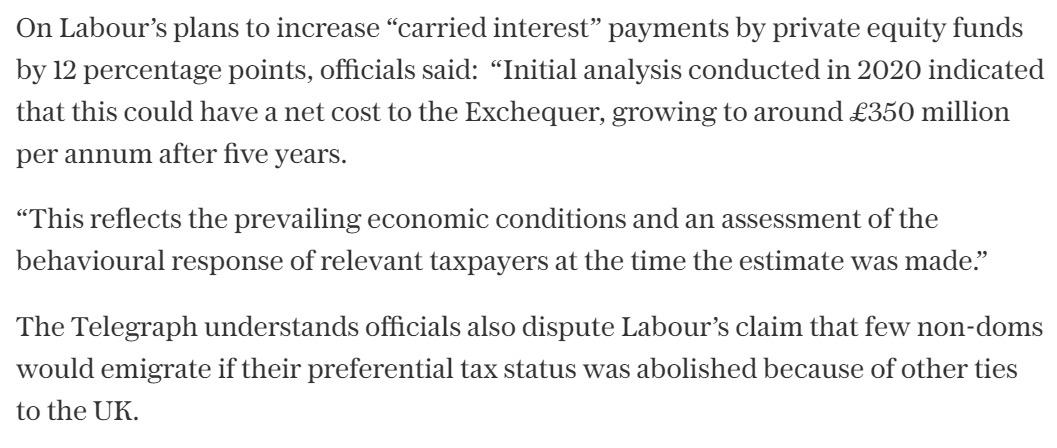
@Summers_AD I wonder whether this is because the £350mil cited in the Telegraph's report was actually wholly related to the question of carried interest, rather than non-dom status reform (extract below) - the article/headline seemed to conflate the two issues:
The most interesting bits of any budget come in the 48 hours after the announcements as the gaps and unintended consequences start to appear. The "potholes", shall we say. After an hour and a half dissecting with our policy team here are a few initial potholes:
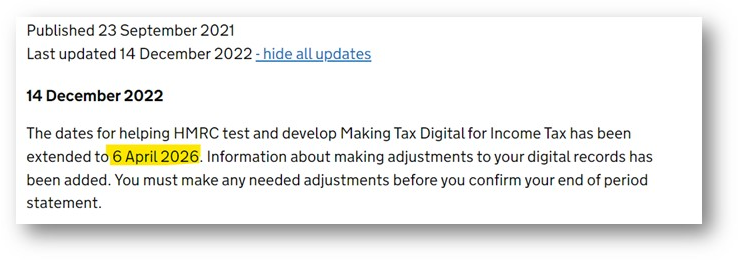
@agoodall4 @HMRCgovuk@TaxNotes Curiously, HMRC updated their MTD ITSA guidance yesterday afternoon referring to a new "test & development" date of 6 April 2026 (see image), though this morning that update has been removed...
https://t.co/nl7ZlVWymU
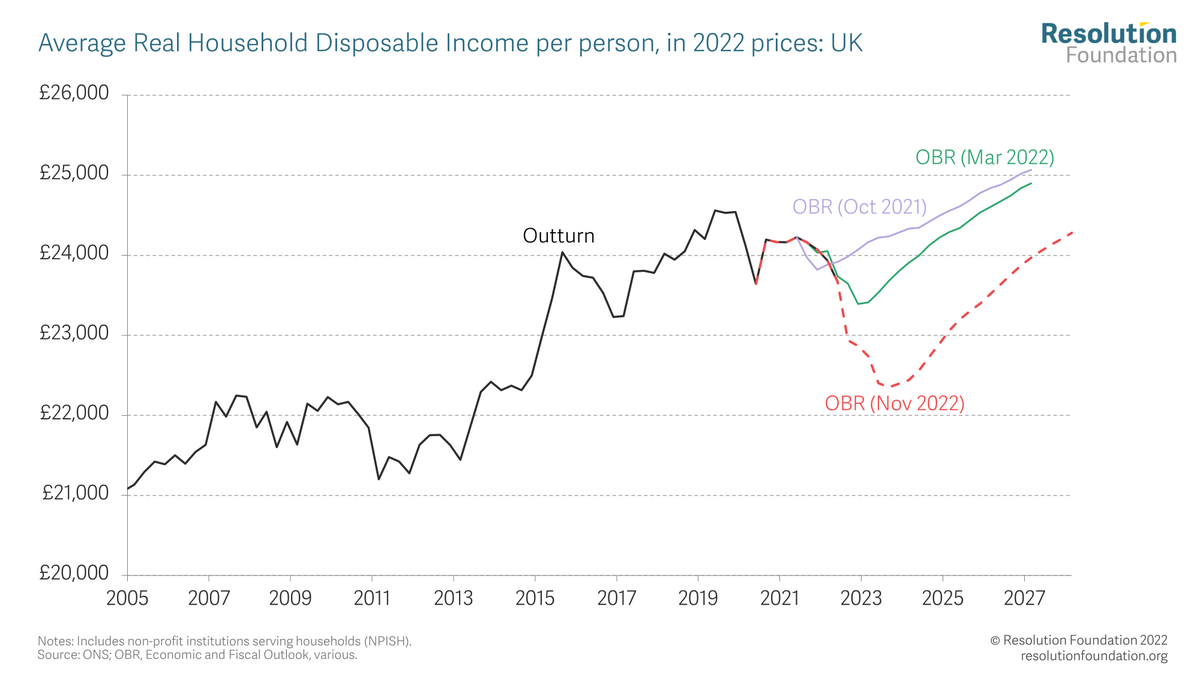
The big picture? Britain is getting poorer, paying more for the energy we import. The Chancellor shapes how that happens = higher energy bills & taxes + worse public services. Making the choices may have been tough, but living through the next few years will be tougher
Our income tax system is changing a lot. 40% rate will affect perhaps 7 million later in decade. Then a 60% rate from £100k to £125k and 45% rate above that. Will be 1 million paying more than 40% marginal rate
🚨 With all the current buzz about tax policy, @arunadvaniecon, @Summers_AD & I are excited to release some new research today!
We use HMRC tax data to estimate the revenue that could be collected from scrapping the non-dom regime.
Arun's thread below provides a great summary:
What are the implications of the #AutumnBudget? Here’s our easy-to-read round-up of the key announcements for businesses, individuals and employers.
Read more: https://t.co/q31k5O2EOX
This was a Budget that revealed the Treasury’s pivot from low taxes and spending restraint to direct intervention in supporting particular industries.
Read more from @TimSarson1, Partner and UK Head of Tax Policy, on today's #AutumnBudget announcement: https://t.co/rLZvEC7Ohk
Our new Tax Matters Digest is out now, featuring:
• HMRC publishes guidance on uncertain tax treatment notification for large businesses
• Victory for taxpayer at the Upper Tribunal in the Centrica case on management expenses
Read the latest analysis at: https://t.co/itq4shsh9b
If the govt goes ahead with using NICs to fund social care it would not only be arguably deeply unfair across generations but would be a missed opportunity to reform NICs.
For those wanting to swot up, there’s an explainer of NICs here:
https://t.co/mbEf0pjca8
end
#IR35 The condoc response confirms a willingness to work with stakeholders to improve CEST and associated HMRC guidance. This is also welcome, but plenty of work needs to be done in this regard #Budget2018
#IR35 Deferral until 2020, and Govt to publish a further consultation next year "to ensure stakeholder needs inform the legislation".
A welcome move, and sensible given the multiple concerns raised by employers and advisers in responding to the recent condoc #Budget2018
From April [the #NationalLivingWage] will rise again, by 4.9%, from £7.83 to £8.21…
…handing a full-time worker a further £690 annual pay increase…
…and taking his or her total pay-rise, since the introduction to over £2,750 a year. #Budget2018
.@ColinBenNathan1 absolutely right here - the tests for determining employment status remain a source of dispute and uncertainty in many cases.
Question is, does the Govt have the appetite to revisit these rules to support the new #IR35 rules and #TaylorReview recommendations?
Changes on IR35 and off-payroll workers in the private sector confirmed for April 2020 - a welcome delay but deciding employment status remains the real challenge and disputes between contractors and business could keep HMRC and the courts very busy unless this is addressed #IR35