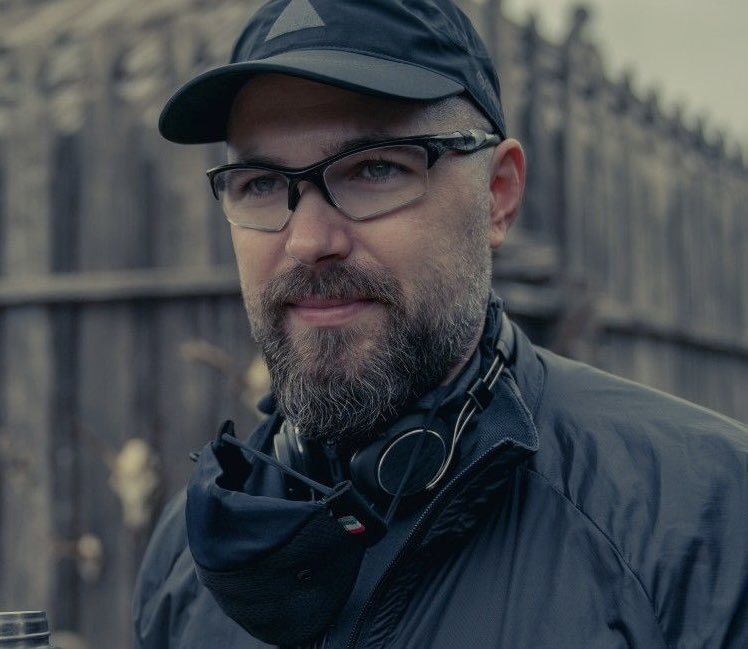
Robert Eggers’ next film is called #Werwulf
• Werewolf horror movie set in 13th century England
• Script features dialogue in Old English
• Releasing in theaters on December 25, 2026
(via @THR | @AJManzanedo)
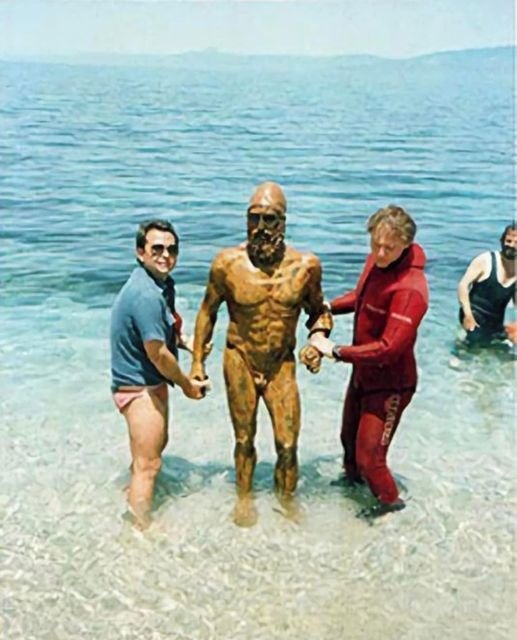
In 1972, while on vacation, Stefano Mariottini, an engineer from Rome, snorkeling off the coast of Monasterace near Riace, noticed a human hand sticking out of the sand. Deciding that it was a corpse, he called the police.
From the bottom of the Ionian Sea, two statues of "Warriors from Riace" were raised - ancient Greek bronze statues of the 5th century BC.
The beguiling photograph, taken by Irving Penn in 1947, captures the indomitable spirit of Peter Freuchen, a Danish explorer, author, and anthropologist. In the picture, Freuchen, a towering Viking standing at an impressive six feet seven inches, is seen alongside his third wife, Dagmar Cohn, in his shadow. This larger-than-life figure led an extraordinary life filled with daring adventures and dramatic experiences.
Freuchen embarked on his first Arctic expedition in 1906 at the young age of 20, and his treacherous journey led to the discovery of the Inuit culture in Thule. He settled in the region for 15 years, establishing a trading base and immersing himself in polar bear hunts and Eskimo cannibalism, all while enduring the harsh winter darkness near the North Pole.
Throughout his explorations, Freuchen faced numerous hardships, including frostbite, snow blindness, and near-starvation. He lost his first wife to the Spanish Flu epidemic in 1921 and even had to amputate his own toes due to frostbite. Despite these challenges, he found success as a writer and consultant for Arctic-related scripts for Metro-Goldwyn-Mayer film studios, co-writing the Oscar-winning film "Eskimo" and playing its villain in 1933.
During World War II, Freuchen's involvement in the Danish resistance against Germany led to his imprisonment and a death sentence, but he managed to escape to Sweden and eventually reached America.
After his second marriage fell apart in 1944, Freuchen met his third wife, Dagmar Cohn, a fashion illustrator for Vogue and Harper’s Bazaar, in New York. In 1957, shortly before his passing due to a heart attack, he was awarded a gold medal by the International Benjamin Franklin Society.
The New York Times described Freuchen's impact, stating that, aside from Richard E. Byrd, he was perhaps the most well-known explorer in the United States. His legend lives on, and Irving Penn's iconic photograph continues to depict his remarkable and irrepressible character, symbolizing the spirit of an extraordinary life that seems almost unbelievable, even in the realm of fiction.
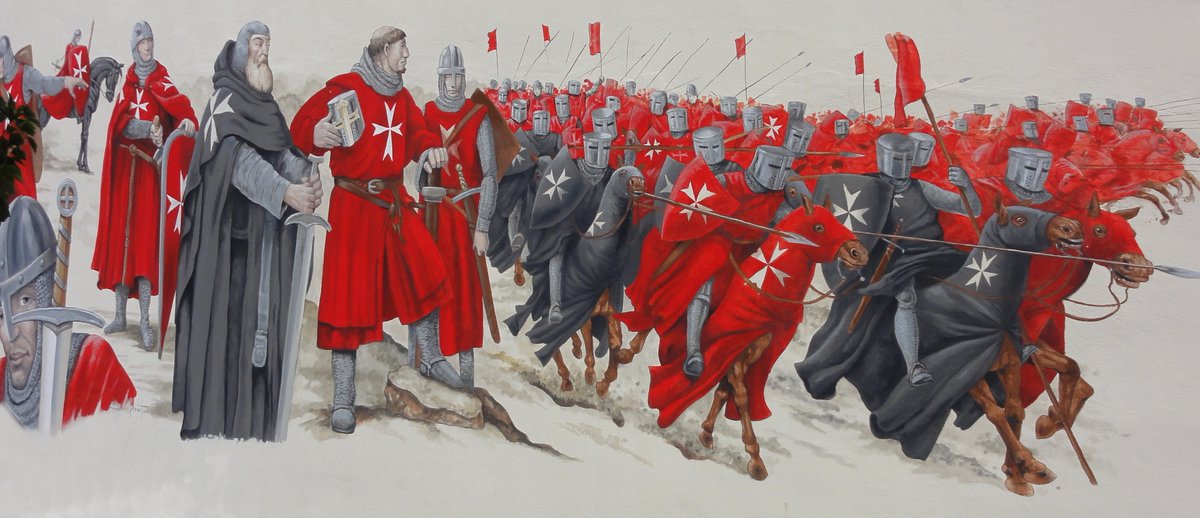
Knights Hospitaller were an international military order. The knights came from all over Europe.
They were united by common cause and beliefs but spoke different languages which presented a problem.
So which language did they use to communicate with each other? 🧵