Demo : How works Misaka Prog.
An AI asks for a SOL → USDC swap. The gateway quotes it on Jupiter, replays the exact transaction on live chain state, shows the balances before and after, flags what you should know, and hands it to your wallet unsigned.
That is every action on Misaka Prog. https://t.co/EcJeOctd9S
CA: 8rhMpKF6anKBeX9Hd4PuB8HQ8uNkV8HtNEKKWEMXo4pR
The name comes from the thing we wanted to exist: a routine your AI writes once, that keeps running without the AI having to be awake.
Read a price, compare, prepare a trade, deliver a signing link. Every run recorded. The routine is the product; the token is how holders get to run more of them.
Every token you ever held on Solana left an empty account behind, each one holding about 0.002 SOL of rent.
prepare_close_accounts finds them and prepares one transaction that closes them and returns the rent. Simulated first, signed by you. Closing is harmless: the account comes back the next time you receive that token.
Reads are free and need no wallet. That does not change with the token.
Public nodes, Sourcify, DefiLlama and the public selector database answer the questions; the gateway does the decoding and the simulation. Rate limits exist so one client cannot starve the others, and holders get more room.
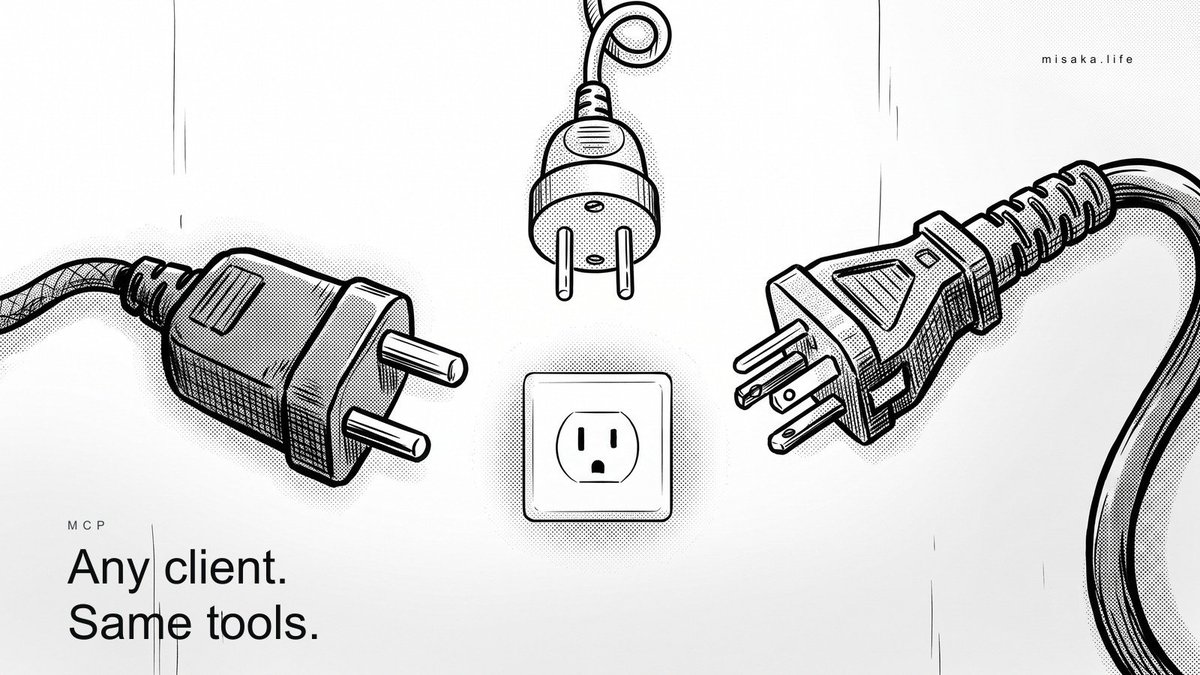
Misaka Prog speaks the Model Context Protocol, nothing proprietary.
Claude Code, Claude Desktop, Cursor, ChatGPT, Codex, Gemini CLI: one URL in the client's MCP settings and the 26 tools are there. Switch clients tomorrow, the tools follow you.
Elysium, the Hyperliquid L2, is one of the ten networks.
Same tools as everywhere: balances, blocks, events, token info, simulation with before and after balances, prepared transfers for your wallet to sign.
New chains are added on request when a public node and an explorer exist.
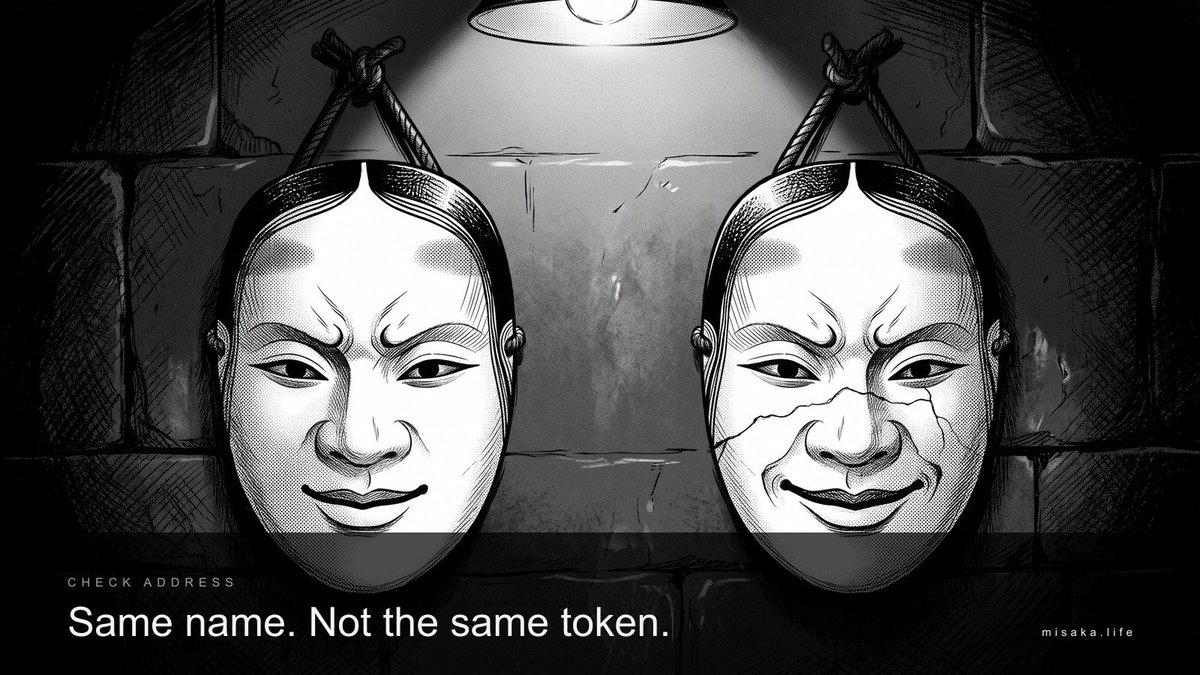
Before your AI sends to an address, it can ask the gateway what it is.
Wallet or contract. Verified or not. A token contract you should not send tokens to. A burn address. A token that borrows a known symbol but is not the canonical one.
Plain warnings, written to be shown to you.
One address, every network it can live on, one call.
portfolio reads an EVM address across nine EVM chains at once, or a Solana address with every token account it holds, prices everything in USD and gives a total.
Your AI answers "what is this wallet worth?" without ten round trips.
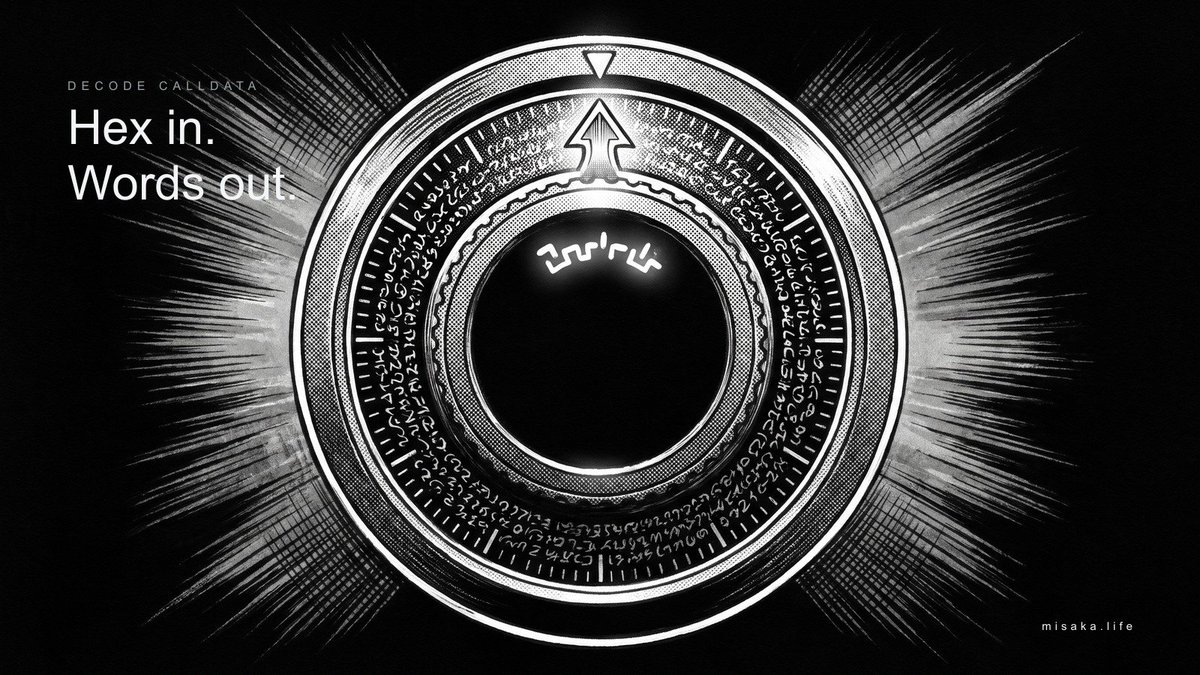
Raw calldata is a selector and arguments. Your AI gets the function name and typed values.
Verified source first, the public selector database second, so even unverified contracts usually decode. "approve(spender 0x0000…22D4, amount unlimited)" tells you more than 0x095ea7b3… ever will.
The signing page is where a prepared transaction meets your wallet.
It re-runs the simulation on live state at the moment you open it, shows the summary, the warnings and the balance changes, then hands the unsigned transaction to the wallet in your browser.
If the simulation fails, the sign button is not even offered.
You do not need an AI client to see what the gateway does.
https://t.co/84itFiZEPN lists every tool with a worked example already filled in. Press Run and you get the same answer an AI would, with the request shown as JSON and as curl.
Prepared transactions open on the signing page. Reads cost nothing and need no wallet.
Our roadmap is ordered by what each step needs, not by how big it sounds.
Live: 26 tools, 10 networks, simulation, decoded history, swaps, holder tiers.
Now: the store that turns on watches and Progs, and tiers read from real $MISAKA balances.
Next: swaps on EVM, a receipt on chain for every Prog run, Telegram delivery.
Later: session keys with hard caps, so a Prog can act within limits you set.
One thing never moves between columns: the gateway signs nothing. https://t.co/EcJeOctd9S
CA: 8rhMpKF6anKBeX9Hd4PuB8HQ8uNkV8HtNEKKWEMXo4pR
Ethereum, Base, Arbitrum, Optimism, Polygon, BNB Chain, Avalanche, HyperEVM, Elysium, Solana.
Ten networks, one URL in Claude, Cursor or ChatGPT. The same 26 tools everywhere, decoded by name, simulated before signing.
https://t.co/0v12uIqsGW
A Prog is a routine your AI writes once and the gateway runs on time.
"Every 15 minutes, read the SOL price. If it is under $150, prepare a 100 USDC buy."
Up to six steps, each able to use the previous result, each able to skip. The prepared transaction comes back as a signing link. Your wallet still decides. That is the whole point of the name.
A watch is a question the gateway keeps asking for you, about every minute.
Did this wallet's balance move? Did this token cross $150? Did this pool lose liquidity? Did a mint authority change?
Hits are kept as events your AI reads, and pushed to Discord or Slack if you give a webhook.
Reads stay free for everyone. Holding $MISAKA connects your wallet to more.
One free signature, no account, no password. Three tiers: higher request quotas, more simulations, on-chain watches, scheduled routines.
Connect at https://t.co/84itFiZEPN, or just tell your AI "connect my wallet".
One question answers most rug stories: how deep is the pool?
pool_info returns every pool of a token, biggest first: DEX, price, liquidity, 24 h volume, buys and sells, age.
Under $10k of liquidity or under a day old, your AI gets a warning it must show you.
Solana programs that publish an Anchor IDL on chain are now decoded by name.
Where a transaction used to say "unknown instruction, 24 bytes", it says route_with_token_ledger, with the argument types.
Same thing we do with ABIs on EVM: read the chain in words.
Swaps on Solana go through Jupiter, then through our simulator.
Best route, expected and minimum output, price impact, slippage. Then the exact transaction is replayed on live state so you see your balances before and after.
We caught something real doing this: Jupiter closes your existing wrapped-SOL account at the end of a swap and returns the whole balance. Harmless, surprising. Now it is a warning you read before signing.
Ask your AI what a wallet did today and get sentences, not hashes.
"Swapped 2.1 SOL for 155 USDC on Jupiter."
"Received 7,613 BIZCAT."
"Tried to send and failed."
Each row is read from the wallet's point of view, with the apps it went through and the fee. Solana and the main EVM networks.