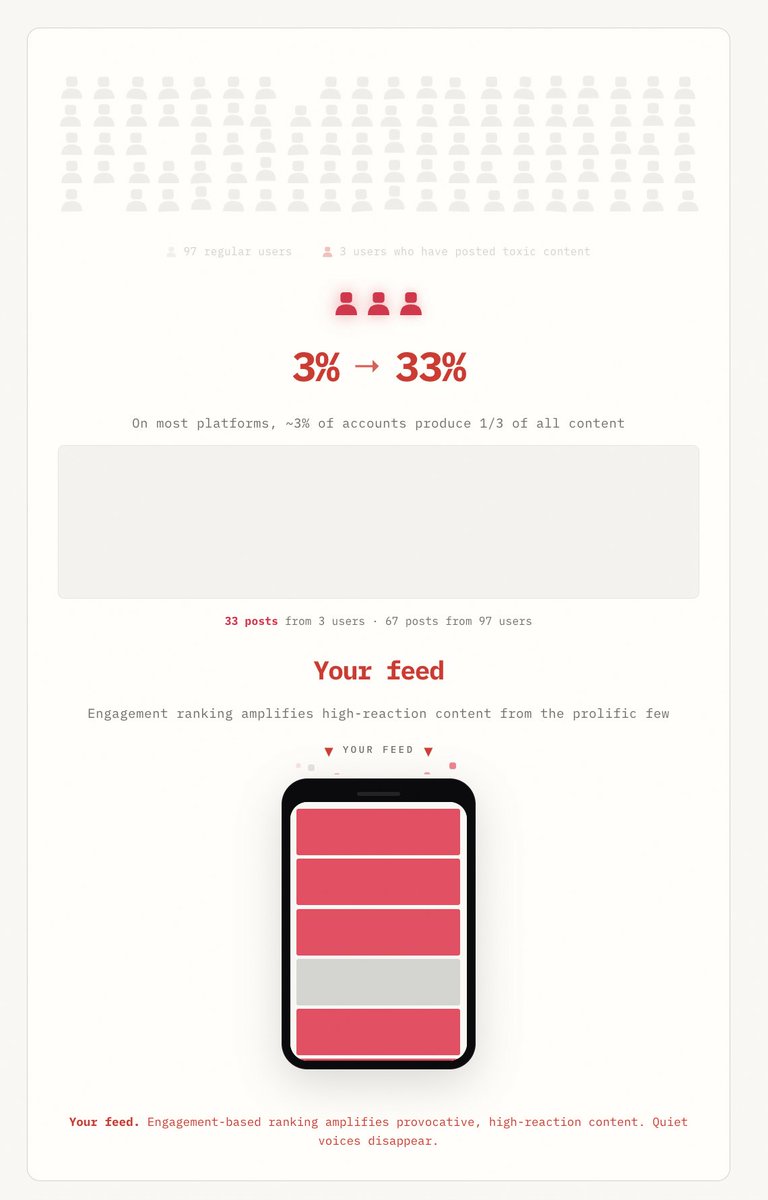
This website visualizes social media as a room with 100 people in it
3 people are producing most of the toxic content
Most people assume 43 are producing toxic content, because these 3 are hyperactive
Engagement-based ranking amplifies the 3 provocative, high-reaction users.
The other 97 quiet voices disappear or self-censor.
And the loud minority thinks it's the majority: the more someone posts, the more they believe the public agrees with them!
https://t.co/EJ99qgdtQ6
Good morning #SPSP2026 attendees. We have a busy slate of events today at the Sustainability Preconference. Tune into #SP3Chicago for some highlights! @SPSPnews
Happy #SPSP2026 week! Not able to make it to the Sustainability Preconference and feeling really sad about it? Never fear! Check out the #SP3Chicago tag on Thursday for updates about the exciting new research being presented.
Don’t forget to register to join us at the #SPSP2026 Sustainability Preconference! We have an exciting lineup of speakers, panelists, and posters around our theme: Integrating Science, Community, and Policy for Sustainable Change. @SPSPnews
For folks applying to PhD programs:
I keep hearing a myth that students need to have a 1st author paper to get into a PhD program. This is definitely not true in psychology--most of the students we admit at NYU and most of the students from my own lab who have gotten into other PhD programs do not have any publications, let alone 1st author publications.
Yes, publications can help but they are not necessary and I suspect that they are actually pretty rare. If you want to build a publication record, I recommend doing an ambitious honors project, working for a lab for many years, or working as a lab manager.
Here are 10 tips to help you succeed when applying to PhD programs: https://t.co/ykn5DzSI6Z
Need to backup your Qualtrics?
I needed this urgently given a revocation of my Qualtrics account with my former affiliation.
Found William Ryan's R code, but it didn't work for me, so I made some tweaks, and it works now.
Hope it's helpful to others:
https://t.co/WZHWISxbUY
Two preconferences, one poster, one symposium, many events, and more reunions than I can count. #SPSP2025 is a wrap and I am so grateful for the reconnection. Until next year!
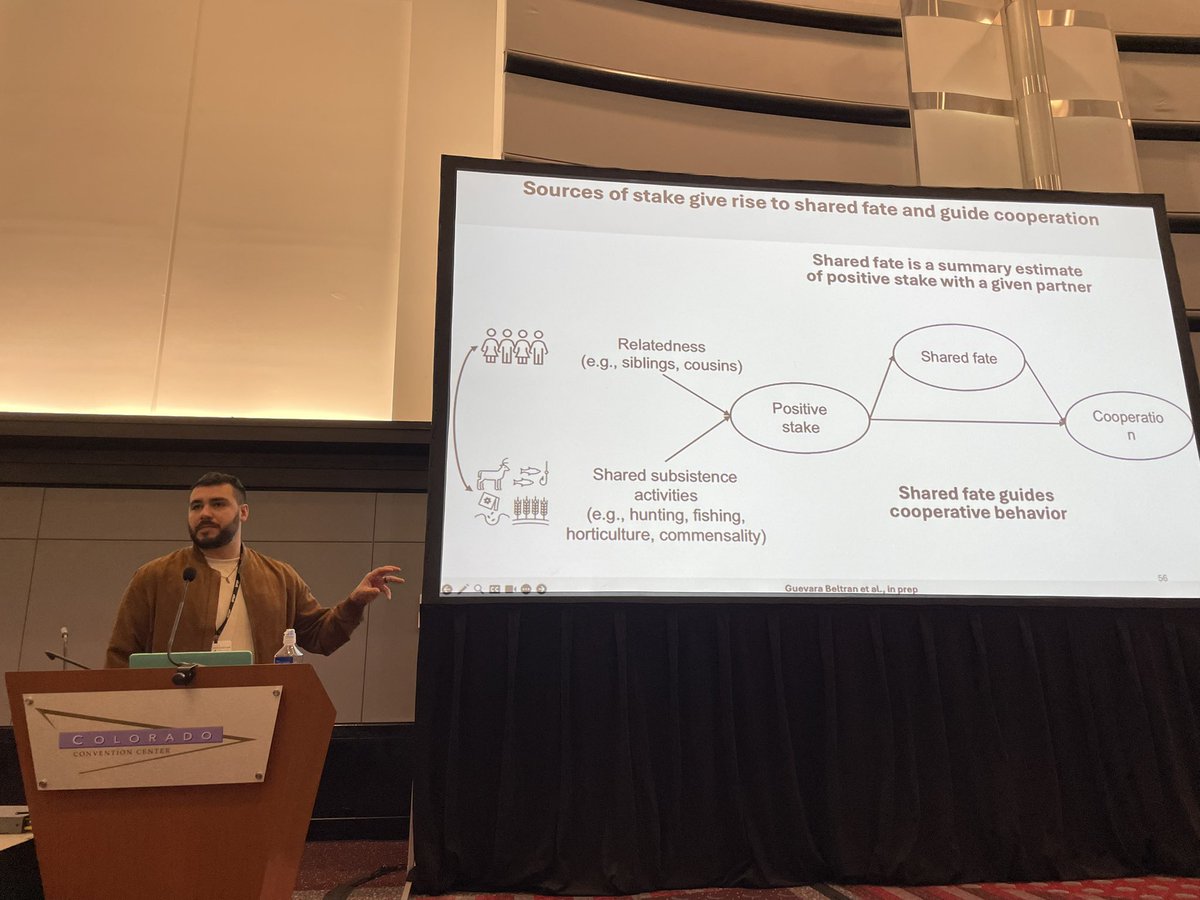
5) @PsychedDiego extended interdependence research by surveying Mayangna participants to examine how shared fate impacts their cooperation. The more positive stake & shared fate in relationships, the more people tended to cooperate. #EPatSPSP2025#SPSP2025
Last, some highlights from the #EPatSPSP2025 datablitzes:
1) A seriously cool talk by @wnmerrell about how we infer clustered (patchy) resource distribution based on an area’s hierarchicalness (& vice versa). Who knew lobstering could be so socially complex?! #SPSP2025
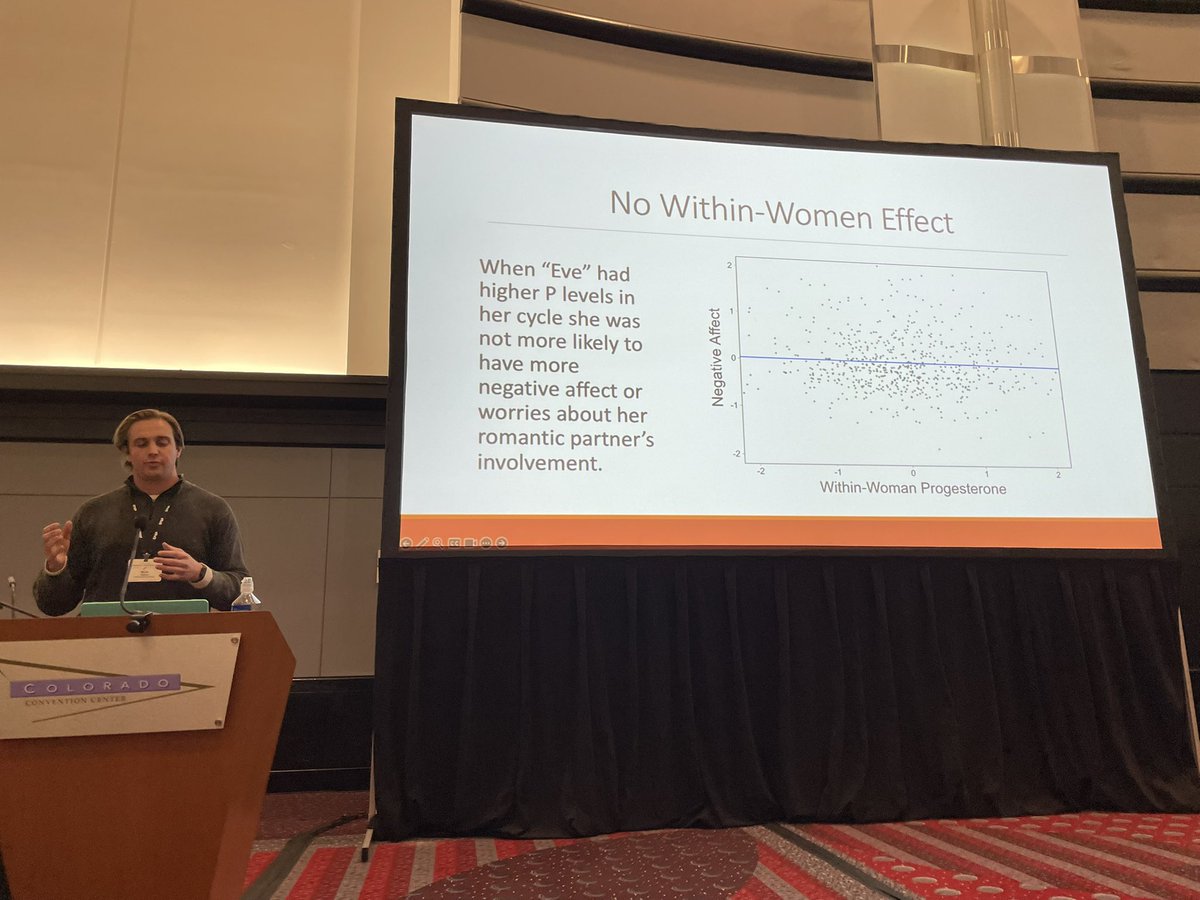
4) Ryan Dobson conducted a longitudinal progesterone study to re-examine the social support vigilance hypothesis. Between women fluctuations in P were predictive of vigilance but within woman fluctuations were not. #EPatSPSP2025#SPSP2025
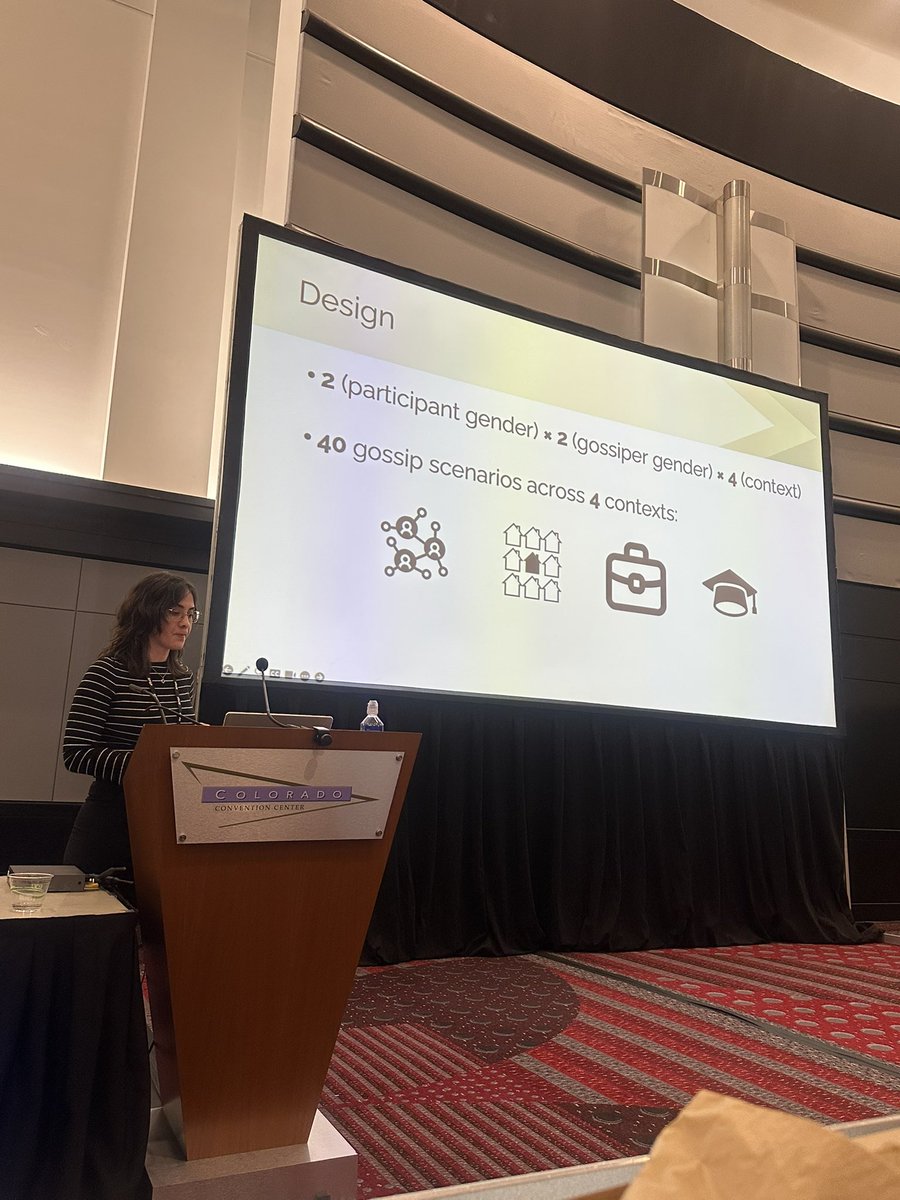
Yes. Women tend to infer gossipiness at higher rates than men, may have their information sharing perceived more as gossip, and may sometimes suffer likability penalities for gossiping. However, context matters. (3/3) @DrMeltemYucel#EPatSPSP2025#SPSP2025
Last but certainly not least in our fantastic invited lineup, @DrMeltemYucel dazzled us with work on gendered perceptions of gossip. (1/3) #EPatSPSP2025#SPSP2025
Gossip serves many functions from info spreading to norm enforcement. Men & women tend to info share at similar rates. But are there gendered differences in what we perceive as gossip, & our social perceptions of gossipers? Does context matter? (2/3) @DrMeltemYucel#EPatSPSP2025