We work with partners to: identify areas of need, build consensus about priorities, pinpoint levers for change, and track progress over time. Part of @SSRC_org
A recent @clevelanddotcom op-ed used Measure of America’s youth disconnection research to advocate for dedicated support and resources to keep young people engaged in a struggling Cleveland school district.
https://t.co/QamslVhWa0
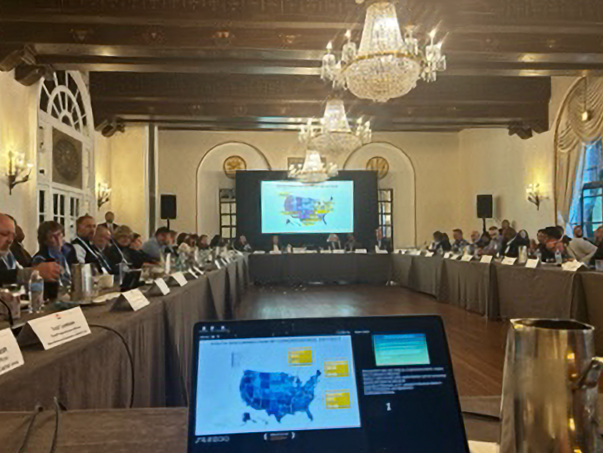
Measure of America Director Kristen Lewis recently attended the U.S. Conference of Mayors in DC, presenting our latest research on youth disconnection to the Workforce Development Council.
It’s great (and unusual) to see cities respond to the seriousness of youth disconnection by proposing substantial investments in young people.
Read more here: https://t.co/ODmtjjNoqe
Mayors and superintendents from Hartford, Bridgeport, Waterbury, Stamford, and New Haven asked for an increase of $545 million in education funds to address youth disconnection in Connecticut.
This is a great profile on Yaneliz Cabrera, who we co-presented with at the Aspen Institute’s Opportunity Youth Forum Convening.
https://t.co/pFeYOM4oJW
Measure of America’s 2021 report, A Portrait of Sonoma County, was referenced in a @NorthBayNews op-ed from an educator as evidence for neighborhood-level inequality in Sonoma County & to argue against school closures in one of their poorest neighborhoods:
https://t.co/Eci928Gcep
If America's 4.2 million 16- to 24-year-olds who aren't in school, college or the workforce lived in one city, it’d be the second largest in the country.
The issue has long bedeviled cities like Detroit & Chicago.
I spent much of 2024 reporting on it:
https://t.co/DuVBSpPt1Z
Post-pandemic, advocates and others have been rethinking efforts to help “opportunity youth,” adolescents who have disconnected from school and work. A resurgent Detroit offers a case study. https://t.co/FsoTnZIOgH
A recent article published in @Chalkbeat by @MilaKoumpilova highlights several programs working to support disconnected young people in Detroit. Measure of America’s Director Kristen Lewis is quoted in the article:
“We’ve been searching for silver bullets [...] but look at the deep structural problems and profound inequities some neighborhoods face. It’s the story of what’s wrong with America.”
Over the past few weeks, government officials, systems leaders, and journalists across Connecticut have engaged with the recommendations made in the Connecticut Conference of Municipalities’ report, Young People First.
@DalioEducation Young People First focuses on disconnected youth in Connecticut, and, among other things, calls for an initial investment of around $150 million to be made toward reaching at-risk and disconnected youth and revamping systems to better provide these young people with resources.
Last week, @nytimes highlighted NEETs (Not in Education, Employment, or Training), another term for disconnected/opportunity youth, & the long-term trend towards reconnection to school & work. Our latest report explores this & more:https://t.co/xZt3OordBj
https://t.co/8ppysgSfKE
The Rachel Tanur Memorial Prize for Visual Sociology is now accepting applications for the 2025 competition! Open to undergraduate and graduate students worldwide.
Learn more and apply:
https://t.co/CURsYUWP6v
We also deeply appreciate our advisory panel members and data, systems, and philanthropic leaders that contributed their time and expertise to this rollout effort.
The Measure of America team was in Houston last week starting the rollout of our report, Building Bright Futures in Greater Houston! This research & data tool focuses on opportunity youth and young adults in the Greater Houston region and is launching in December (stay tuned!)
Thank you to our partners at the Alliance of Community Assistance Ministries Houston and the William Stamps Farish Fund for their hospitality and unflagging support of this work.