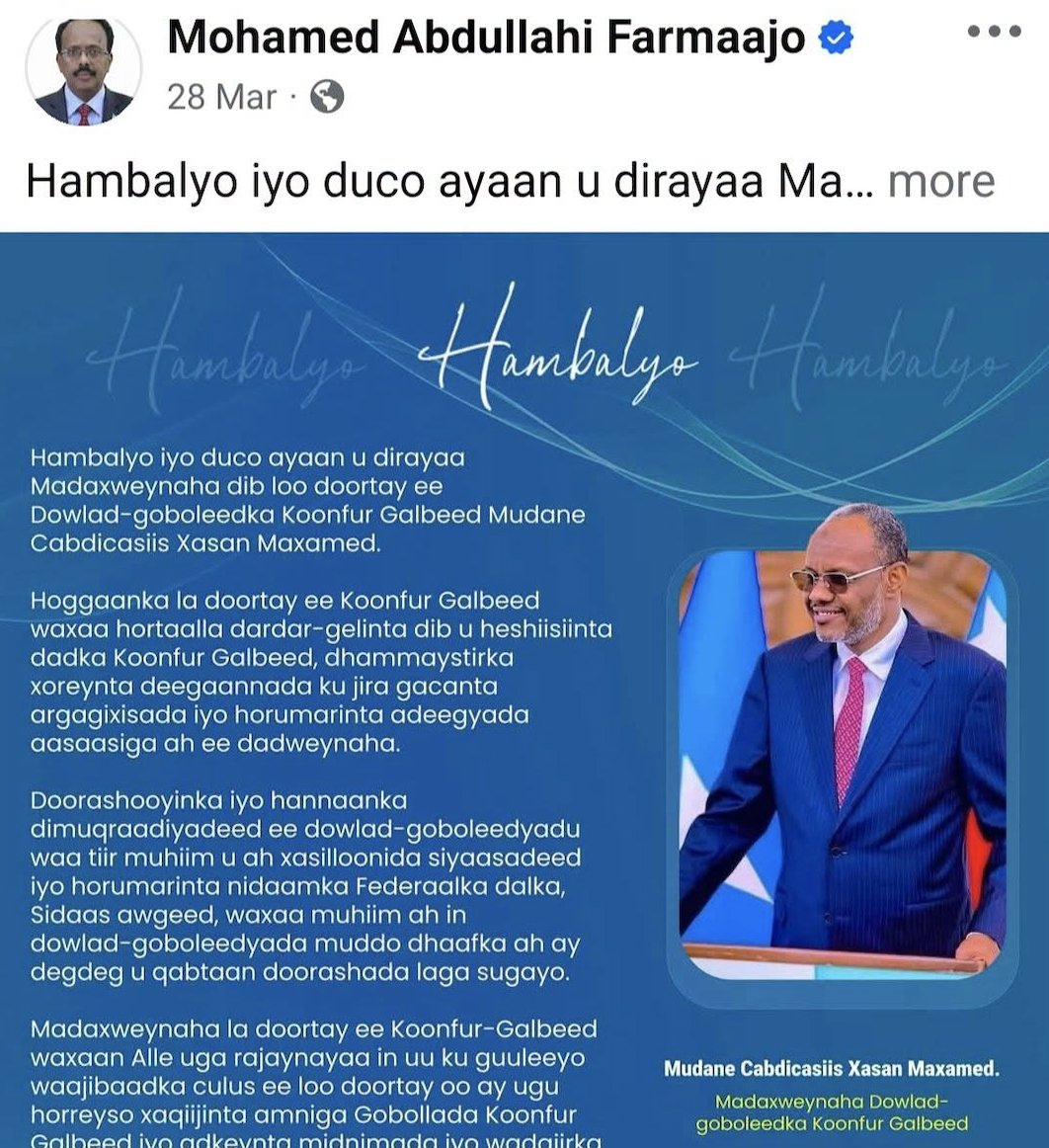
@M_Farmaajo clashed with Jawaari, isolated Mohamed Mursal, and helped install Laftagareen amid bloodshed that left 13 dead. Roobow’s arrest added another chapter. His political record raises serious questions about his deep-seated hostility toward Maay speaking communities.
The crisis exposes a fundamental weakness in Somalia’s approach to political authority. Military intervention can remove a leader and install a successor, but it cannot guarantee institutional loyalty, effective command, or public confidence.
Read 👉 https://t.co/9QunqgiPXi
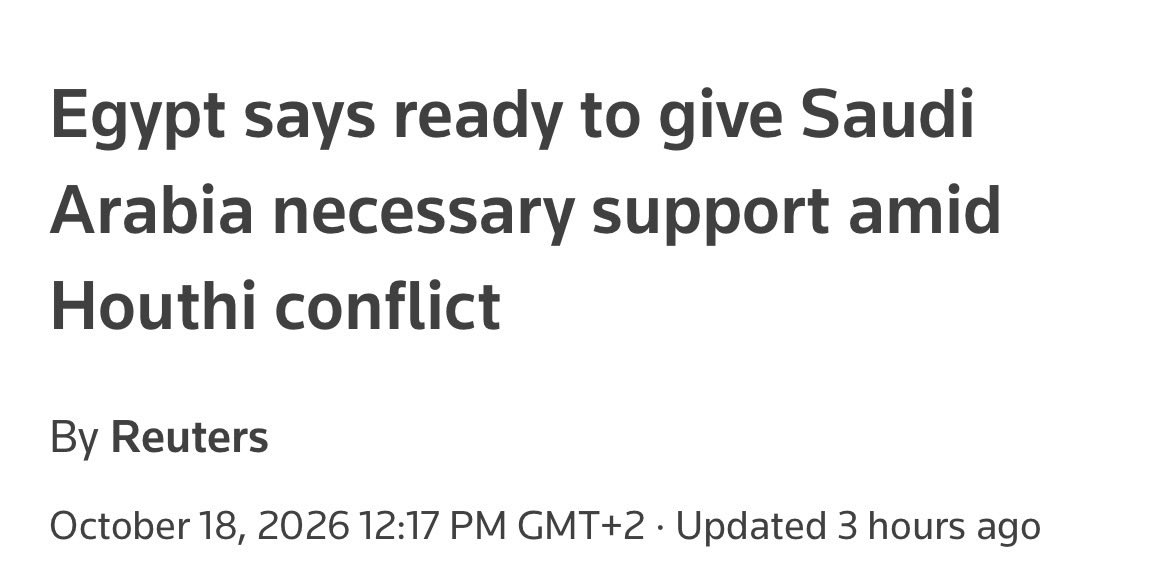
Egypt’s offer to support Saudi Arabia signals a possible widening of the Yemen conflict. Greater Egyptian involvement could reshape Red Sea security, threaten Bab el-Mandeb shipping and affect Suez Canal revenues, with consequences for the Horn Africa.
The reported Saudi-UAE re-engagement in Yemen is less a reset of Gulf rivalries than a response to Houthi advances. When the balance of power shifts near Bab el-Mandeb, the consequences extend beyond Yemen to Red Sea shipping, regional leverage and the Horn of Africa.
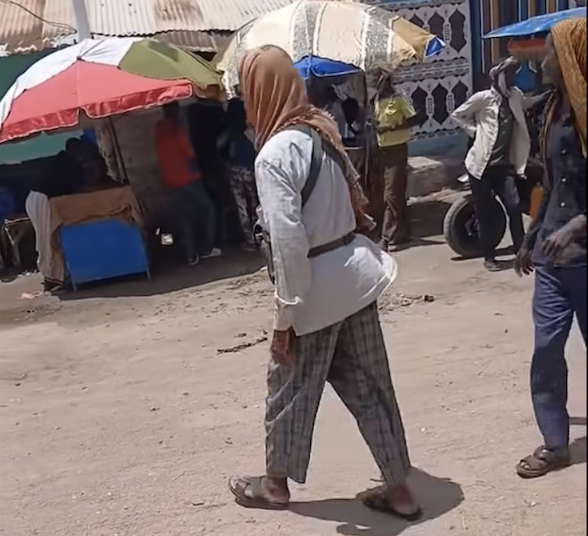
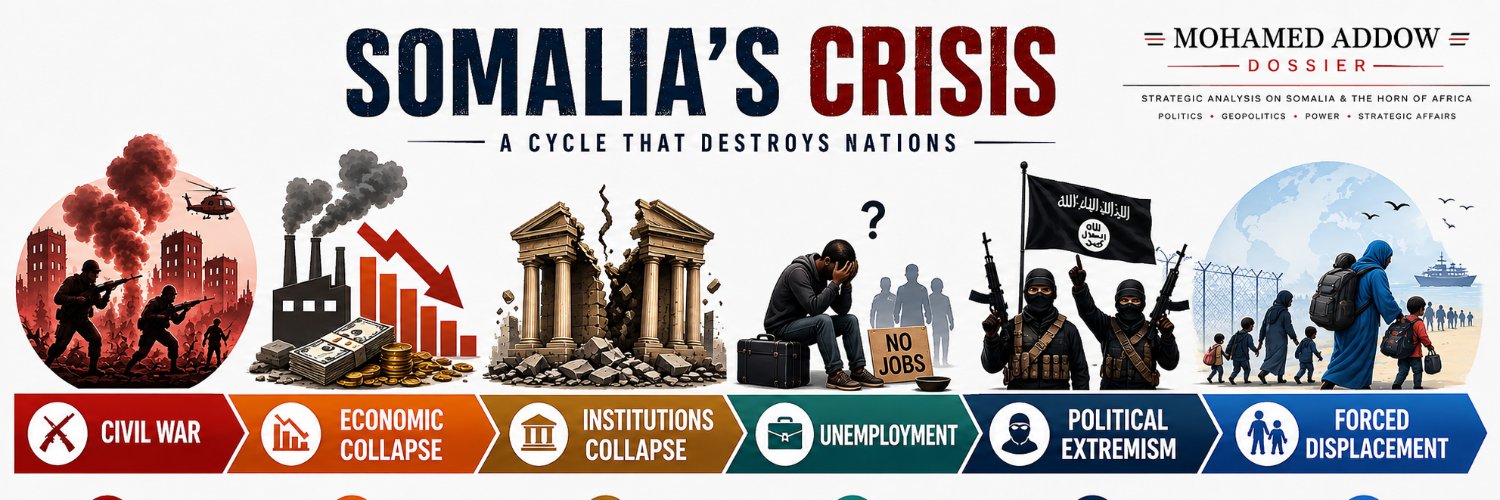
Somalia’s conflict may be more than a fight against Al-Shabaab. In a region shaped by proxy competition, different countries can exploit the group for different strategic purposes. Southwest State is a warning Somalis must understand. 📷 Pictures from Buurkaba.
Before Farmaajo lectures Somalia about electoral legitimacy, he should confront his own record. Laftagareen’s rise happened under his presidency, and Southwest State’s crisis cannot be separated from the political arrangements of that era.
The unilateral electoral process adopted by former President Hassan Sheikh Mohamud, whose term in office expired in May this year, is a dangerous threat to Somalia’s statehood and future. The only serious way forward is an agreement on free and fair elections with stakeholders.
The struggle in Southwest State is no longer simply about regional leadership, it is about political legitimacy and federal authority. Laftagareen may gain territory, but without an inclusive political settlement, military gains could deepen the crisis rather than resolve it.
Somalia’s anti-money laundering committee has named Laftagareen and nine others under its financial monitoring framework, requiring asset declarations and transaction reporting. This raises serious questions about accountability, transparency, and political power.
Somalia’s response signals a changing geopolitical landscape. As the era of uncontested US hegemony faces growing challenges, Somalia is reaffirming that strategic partnerships cannot override sovereignty. In the Horn of Africa, territorial integrity remains a defining red line.
Ethiopia’s military presence has served both Somalia’s security requirements and Addis Ababa’s national interests. That distinction becomes critical when domestic instability forces a government to reconsider its external commitments.
Read 👉 https://t.co/MR9ZGtRwoK
The Horn of Africa’s geopolitical contest is expanding beyond its borders. As Ethiopia reinforces its partnership with Israel, regional alignments are becoming more complex. The strategic question is not simply who is partnering with whom, but what regional order is taking shape.
Had a fruitful and constructive call with Prime Minister Benjamin Netanyahu of Israel to deliberate upon bilateral relations and key regional developments, reaffirming our commitment to cooperation on matters of mutual interest.
@netanyahu
The Ethiopia–Eritrea confrontation is moving beyond diplomatic hostility. Addis Ababa’s appeal to the UN over alleged Eritrean incursions raises the risk that internal conflicts and the struggle over Red Sea access could converge into a wider regional crisis.
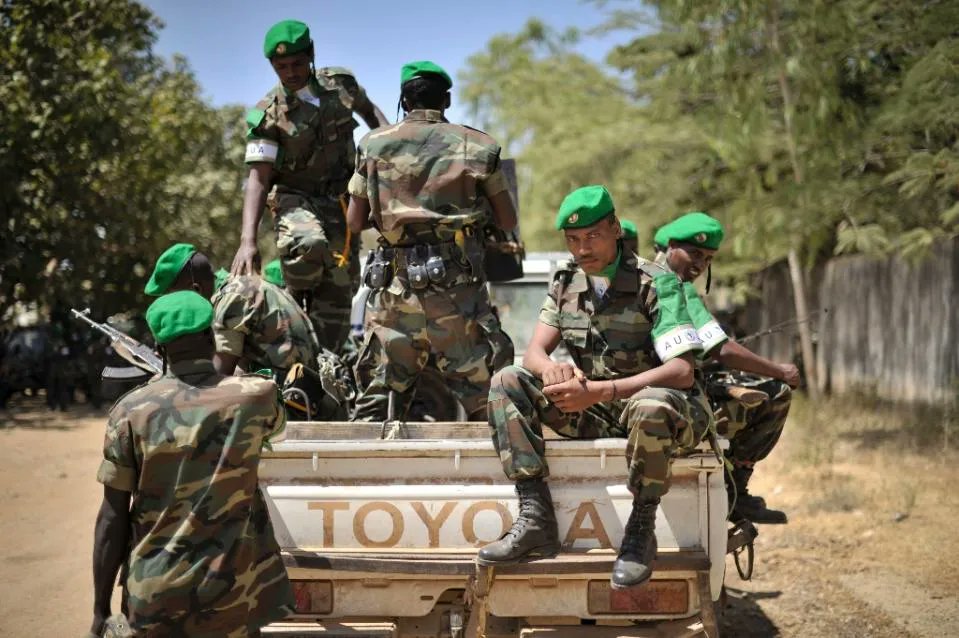
Reports that some forces withdrew toward an Ethiopian military camp following the Qansaxdhere takeover highlight the regional dimension of Somalia’s Southwest State crisis. The strategic question is how external securty deployments intersect with Somalia’s internal power struggle
Somalia’s special forces training in Egypt signals deepening military cooperation between Mogadishu and Cairo. As competition intensifies across the Horn of Africa and Red Sea, security partnerships are becoming instruments of wider geopolitical influence.
Shide was sworn in on October 5. The Alamein Declaration was signed on October 4. The Horn of Africa held both those facts in the same week without resolving the tension between them. It will not resolve it next week either.
Read 👉 https://t.co/I2YOfQjoul
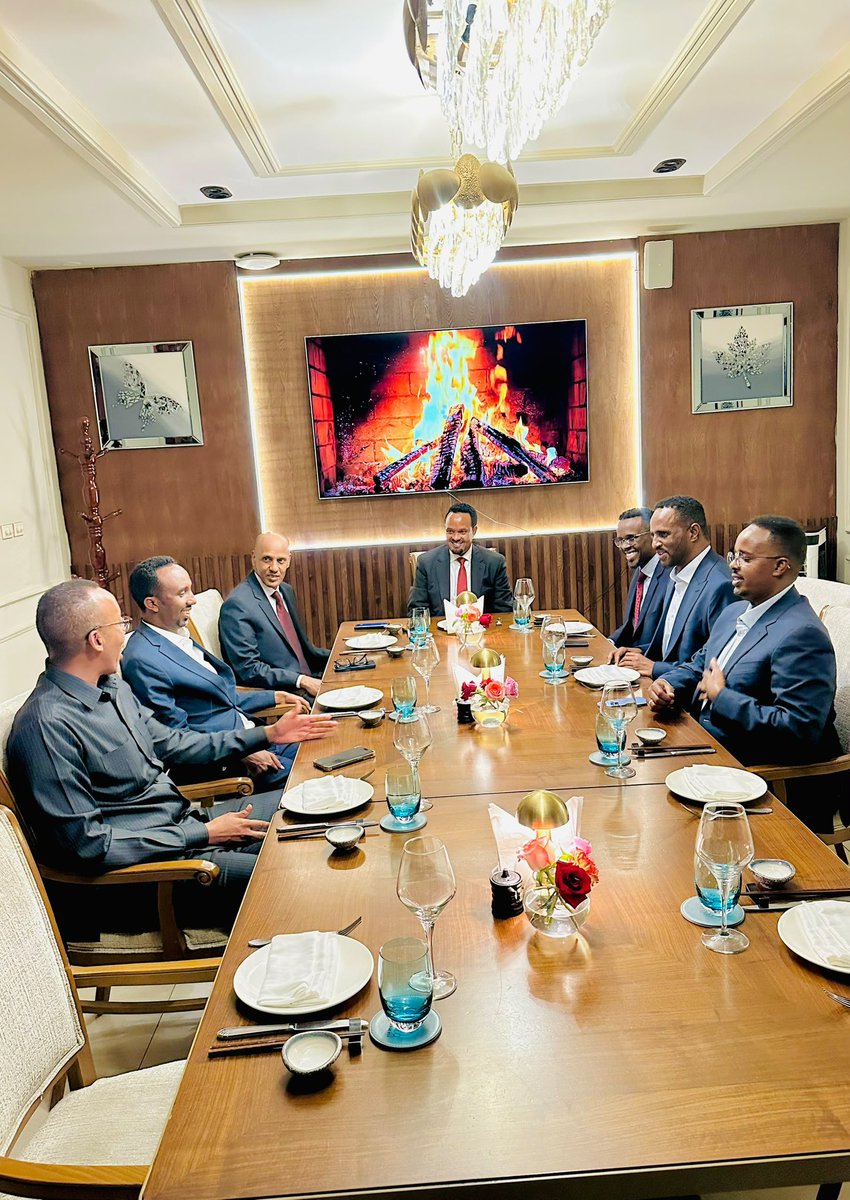
Could the growing presence of Ethiopian Somalis in senior federal positions reshape Addis Ababa’s political outreach? As Ethiopia faces internal conflicts and regional competition, Somali representation carries implications beyond domestic politics. Time will tell.
Congratulations my dear brother and friend Ahmed Shide Mohamed for being elected as the Speaker of House of People’s Representatives of Ethiopia.
As people who were on the margins of national politics for so long, the implications of this momentous political development is not lost on us.
The conscious decision to shift our political strategy from sulking on the periphery to claiming the center is bearing fruit, thanks to Prime Minister Dr. Abiy Ahmed’s support, understanding and vision.
Indeed, we are now becoming the mainstream in the national body politic and that bodes well for national cohesion and unity.
The Horn of Africa is becoming increasingly shaped by competing alliances and proxy dynamics, while Somalia is emerging from decades of fragility. And Somalia builds stronger partnerships, treating Somalia as merely a strategic battleground may no longer work.
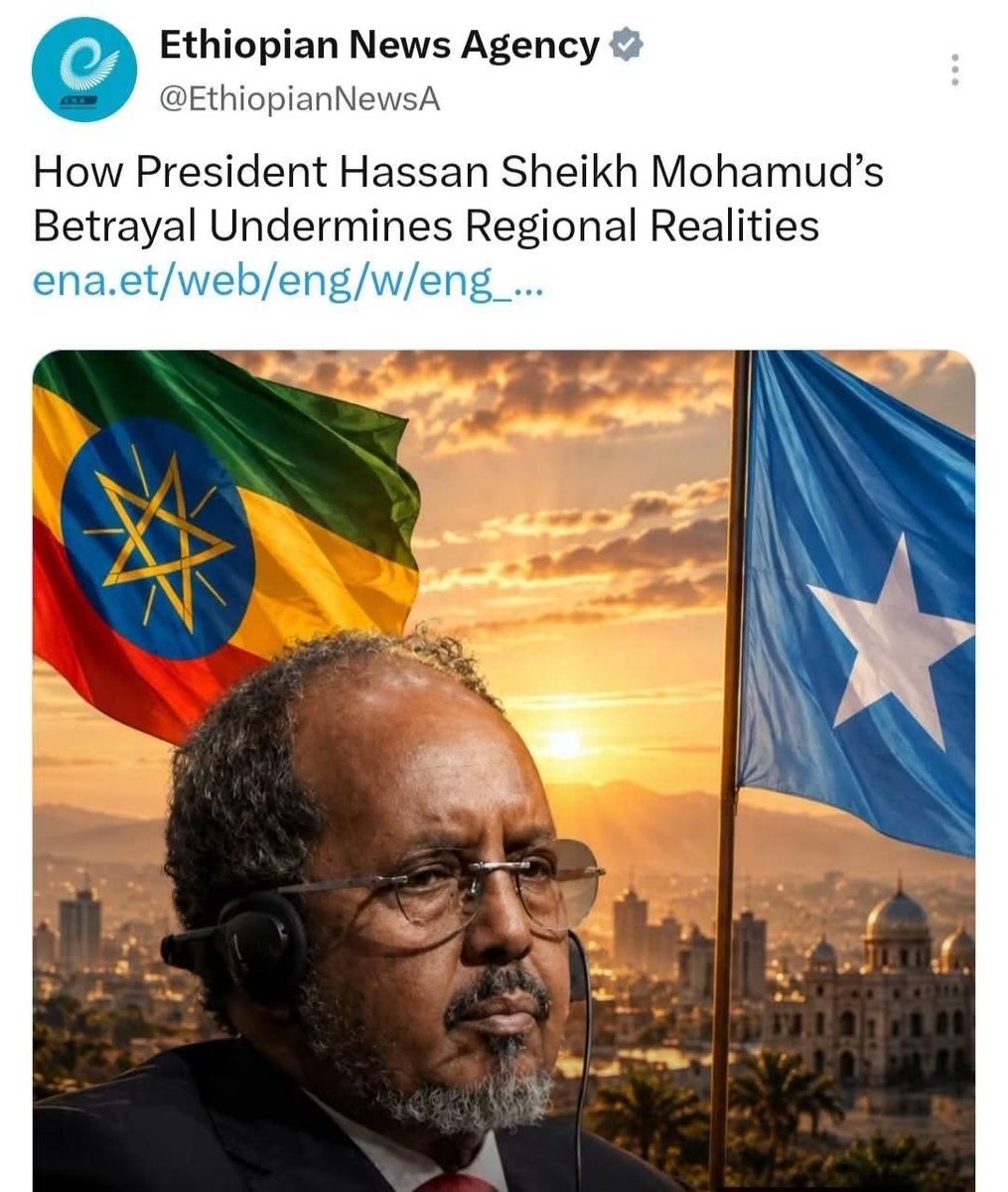
If Somalia’s independent foreign policy is now being labelled “betrayal,” the deeper issue is clear, Ethiopia’s neighbours are pursuing their own strategic interests. The Horn needs negotiation and reciprocity, not loyalty tests between sovereign states.