This is absolutely insane:
Since DOGE began discussing mass layoffs, the median home price in Washington DC has FALLEN by -$139,000.
In 30 days, nearly 4,000 homes have been listed for sale in and around Washington DC.
What is happening? Let us explain.
(a thread)
"We would love for third-party payers to see it as a disease so we can get coverage." -- @WeiseKathy, of the University of Alabama, on a @theNASEM report that #myopia should be classified as a disease.
https://t.co/d4XbkiuZjF
At @NatEyeInstitute, we're proud to co-sponsor a study by @theNASEM on #myopia (with @aaopt, @AOAConnect, @RPB_org, others)
Huge public health concern with major unknowns regarding pathogenesis, prevention, screening, and treatment
Report released today: https://t.co/WmkGNt9k1v
Thank you, Dr. Chiang, @NEIDirector , for your support of myopia research, your rich insight on this and so many other 👁️ topics, and your unwavering hands-on approach to leadership!
@theNASEM#FocusOnMyopia#E=0.00D
🤓☀️👁️📈
New publication from @NASEM_Health! Explore the experiences of beneficiaries and care providers in accessing or providing #BehavioralHealth services through #PublicInsurance programs. Learn more about our consensus study, & read here: https://t.co/AASROheoBb #MentalHealth
Today the US will experience a total #SolarEclipse. We want to remind everyone to take the proper eye care precautions. Our upcoming report, "Focus on Myopia – Pathogenesis and Rising Incidence", discusses nearsightedness and the importance of eye health. https://t.co/ThcE5vmSUG
How do #AI & #neuroscience enrich each other's resources & research? @NASEM_Health#NeuroForum will host a workshop 3/25-26 to explore the bidirectional roles of #NeuroResearch & AI in research, clinical care, & regulation. Register: https://t.co/h5mDio5QGH #BioTech
This new webinar proceedings from @theNASEM explores the effects of violence and harassment on the health and well-being of health care professionals working to provide #ReproductiveHealth care in the U.S. Learn more and access additional resources: https://t.co/hzKMzWOSP9
How do #AI & #neuroscience enrich each other's resources & research? @NASEM_Health#NeuroForum will host a workshop 3/25-26 to explore the bidirectional roles of #NeuroResearch & AI in research, clinical care, & regulation. Register: https://t.co/h5mDio5QGH #BioTech
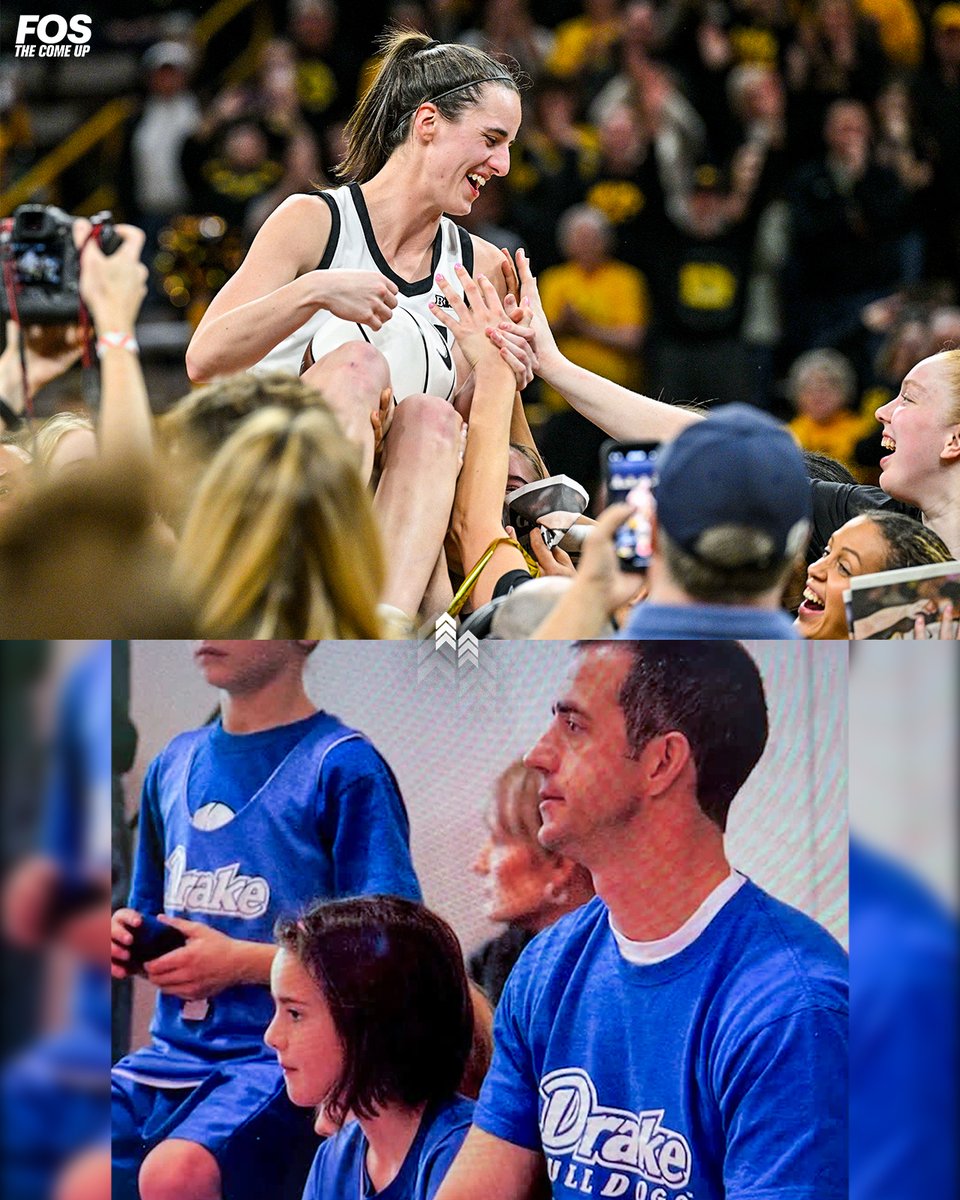
When Caitlin Clark was a kid, her dad couldn’t find a girls league for her age.
So she joined a boys league and won an AAU state championship.
Parents even complained she shouldn’t be allowed to play with boys.
Now, Clark owns the NCAA scoring record—for both men and women 🐐
Join @NASEM_Health 2/27 for a webinar that will consider the perspectives of adults with #HearingLoss on meaningful outcomes in adult #HearingHealthCare. Register: https://t.co/qR9JojqAT7
ChatGPT forgets. When using GPT-4, ChatGPT has a context length (memory limit) of 32,768 tokens, which is roughly 24,000 words or 50 pages of text. This allows it to remember details across average-length conversations or documents. As conversations get longer or more complex, it becomes clear that the model either starts to lose context or repeat itself. If you notice this early in a task, you can somewhat mitigate it by summarizing context, breaking down conversations into smaller pieces, and explicitly telling ChatGPT to remember key details. If you don’t notice “memory loss” early in your task, the results can (and do) continue to degrade until you do notice. So far, this has been an unavoidable occupational hazard.
Now, ChatGPT will remember. OpenAI announced an awesome new feature that allows ChatGPT to remember personal details, preferences, and context from previous chats with a user. For example, if a user mentions their daughter Alexis who likes pink butterflies, ChatGPT can later generate a birthday card for Alexis with those details.
You can store information in Memory two different ways: either directly tell ChatGPT to remember certain facts (like coding language preferences) or have ChatGPT automatically pick up and remember relevant details from natural conversations. What’s nice is that the memorized information is persistent across conversations, and users have control over what is remembered and can view, edit, delete, and even turn off Memory. ChatGPT is designed to not store sensitive information without explicit consent.
Memory allows ChatGPT to become more personalized and act like a digital assistant that evolves with the user. Potential uses include remembering formatting preferences, professional/personal context for better answers, and improved recommendations (like what books you’ve previously read). For enterprise customers, shared team memories could store preferences like company document styles.
Memory is currently being tested with a small number of ChatGPT users and will later be rolled out more broadly. When fully released, it will be available in both the free and paid tiers of ChatGPT.
ChatGPT will still have memory limitations, but this new persistent memory feature allows it to better learn and retain user details over time. This new feature gives users some new ways to manage memory and prevent excessive resource consumption, but core model limitations persist, especially as conversations scale up. The best way to understand how this may help you is to try it for yourself.
#chatgpt #openai #ai #llm #contextwindow
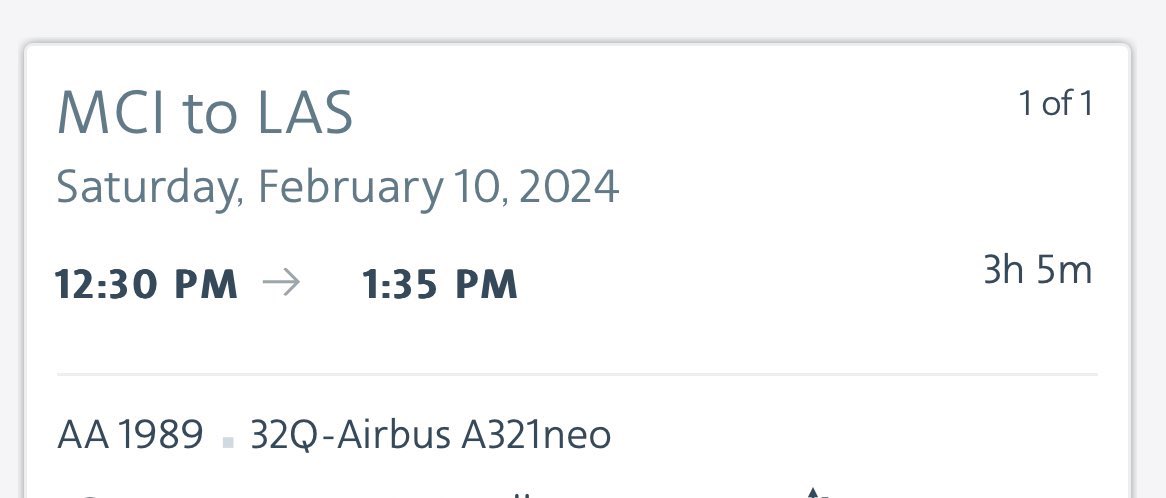
Smart marketing move by American Airlines after the Kansas City Chiefs won the AFC championship:
They created a flight from Kansas City to Las Vegas.
The flight number is 1989.
Which is one of Taylor Swift’s albums.
The return flight from Vegas to Kansas City has the flight number 87.
Travis Kelce’s number.
Clever little hack to make headlines while the moment is big and take advantage of the Taylor Swift effect.