Rethinking adjuvant de-escalation in low-risk early breast cancer: Endocrine-therapy omission, not radiotherapy omission, warrants direct trials #radonc#bcsm https://t.co/1OSVOTyWnm
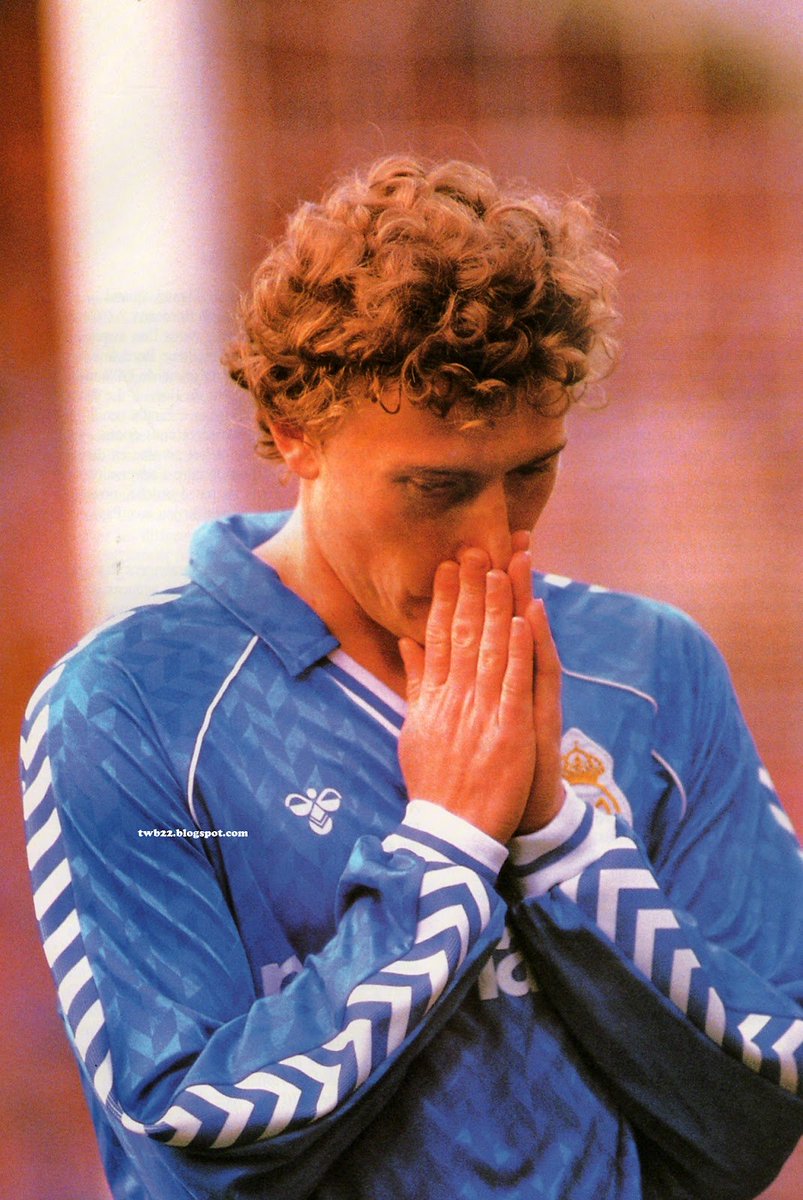
Eindhoven 88.
No hay madridista que haya vivido aquello que no lo recuerde con pena, no hubo enfado, ni ira, no, fue una herida, una agresión al alma, una cuestión de dolor, un dolor denso, de los que te permiten vivir, pero por más que se sucedan victorias y pasen las décadas sigue ahí.
El PSV fue la pérdida de la inocencia y también ese punto injusto al que una generación maravillosa es condenada al retorno.
Eran muy buenos...pero PSV... me recuerdan en gran parte de los vídeos...
Y es cierto, aquel dolor sigue ahí, maduro, con canas, y también rodeado de Copas de Europa que fuimos celebrando sin que hubiéramos perdido ni un ápice de cariño a aquellos maravillosos jugadores...
Porque el Madrid paga con gloria eterna a aquellos que lo merezcan... y la eternidad se reserva a los héroes, aunque caigan.
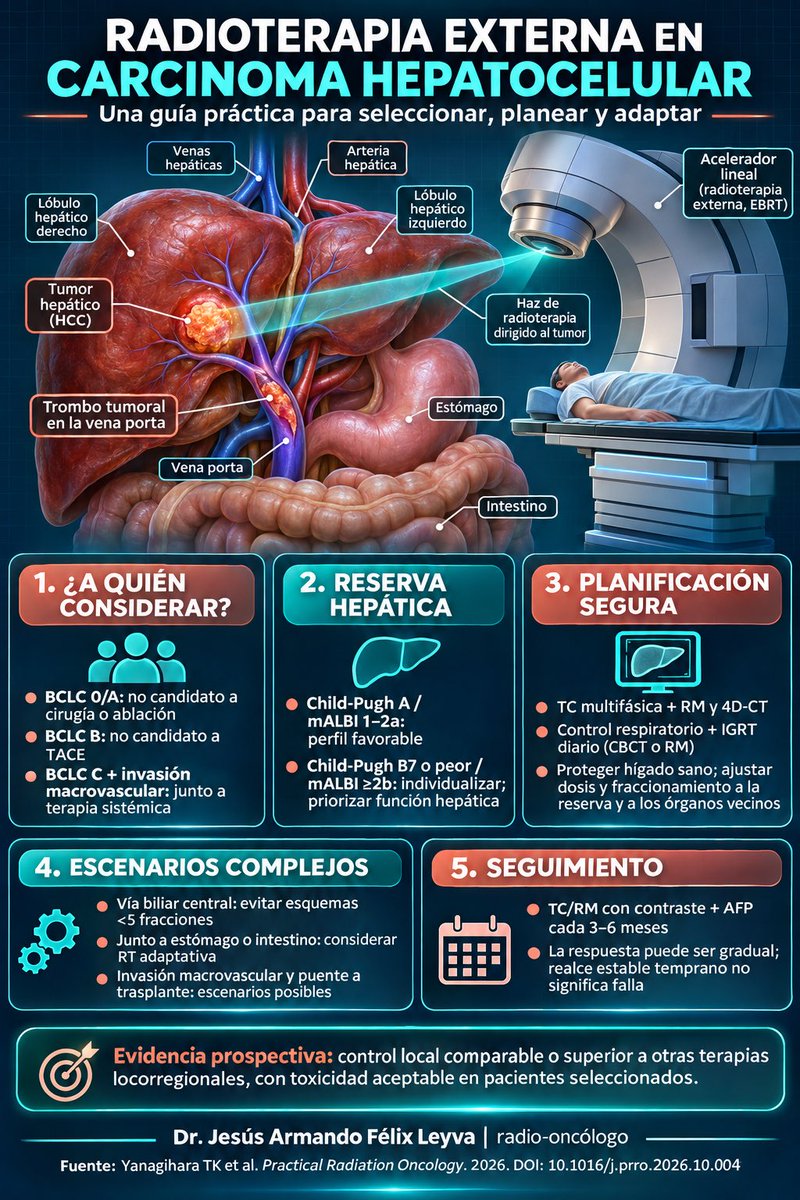
📢 Radioterapia en carcinoma hepatocelular: actualización práctica
La radioterapia externa amplía sus posibilidades en pacientes seleccionados con carcinoma hepatocelular. Esta revisión ofrece recomendaciones prácticas para la selección de pacientes, la planificación y el manejo de escenarios complejos, además de revisar su lugar entre las terapias locorregionales y sistémicas.
📄 Artículo: Radiotherapy for Hepatocellular Carcinoma: A comprehensive update with practical recommendations
🔗 DOI: 10.1016/j.prro.2026.10.004
Dr. Jesús Armando Félix Leyva
Radio-oncólogo
#Radioterapia #Hepatocarcinoma #CáncerDeHígado #RadioOncología #Oncología Multidisciplinaria
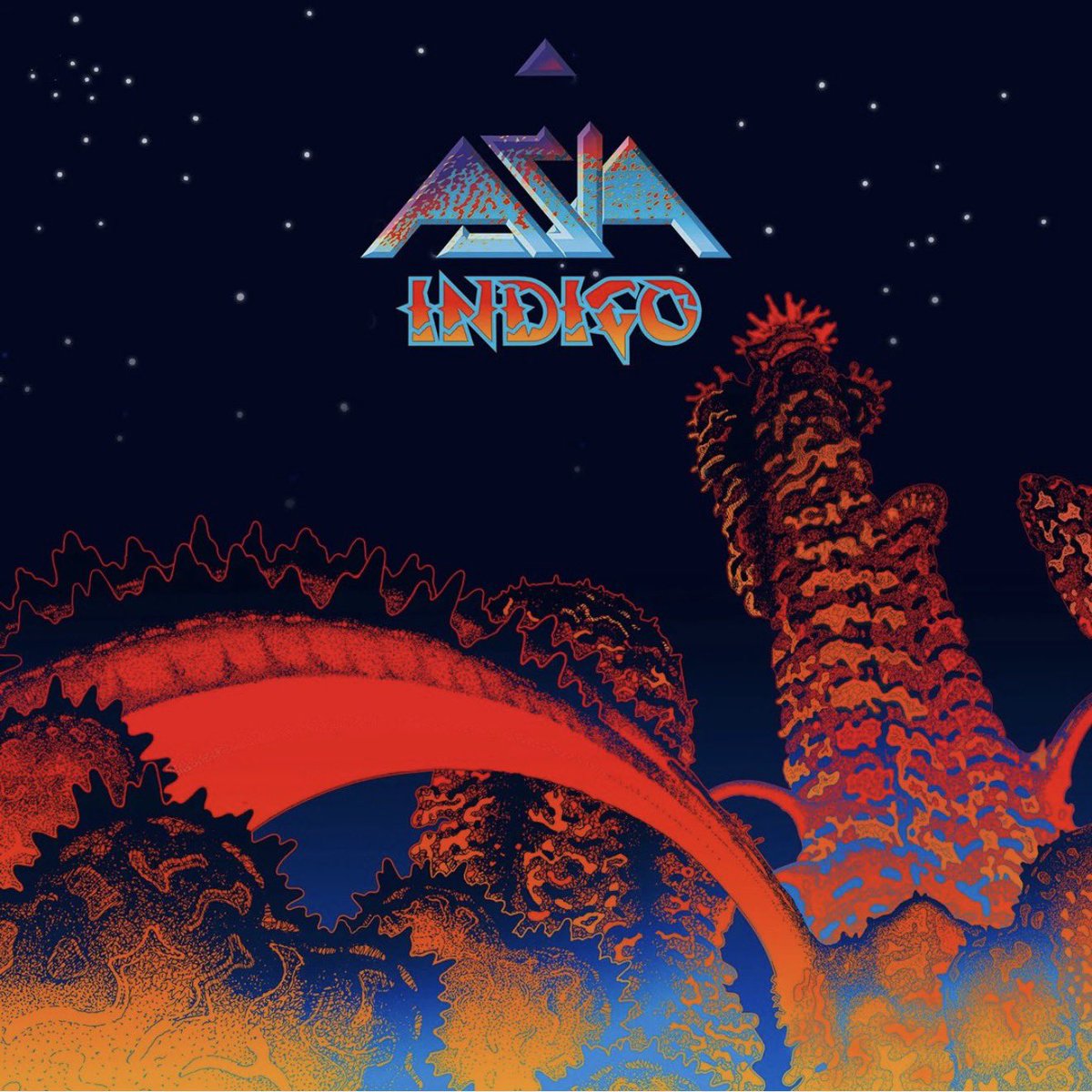
Asia – Indigo: @originalasia | @FrontiersMusic1 "...I would recommend it for any fan of the band. There are songs that hark back to the Asia glory days and there are some interesting and successful detours..." Read @TheProgAspect review: https://t.co/deFmjVIjmr
Good Lord, we're doing this again?
As always: OF COURSE we should aim to limit the use of this (or any) diagnostic modality as parsimoniously as possible.
I didn't even need to download the PDF to know who the senior author of this paper is.
Dr. Rebecca Smith-Bindman cofounded the hilariously named Alara Imaging and is its current CMO.
Alara Imaging is the "measure steward" for federal CT radiation dose quality measures...which are tied to reimbursement for hospitals and clinicians.
This is a sprawling issue I won't get into here, but ISN'T IT INTERESTING AN OTHERWISE UNREMARKABLE DATABASE STUDY SUCH AS THIS ONE WAS PUBLISHED IN JAMA.
Moving on...
There are several issues in this paper, but let's just go with the classic:
Why in the world are kids getting head scans in the first place??
That's not common and thus creates the unavoidable confounding "chicken or the egg" question. Did the scan cause the tumor, or did the tumor (or preceding risk factors) cause the scan?
Everyone knows this, and every study of this flavor tries to "correct" for it. This paper is no different.
Here, they excluded all imaging performed within 2 years before diagnosis from their risk models and audited the clinical reasons for scans delivering at least 1mGy of brain radiation.
They state that only 4% of brain tumor patients (36 of 900 children) had scans with a recorded tumor-suggestive symptom (excluding headache) that stayed in the primary analysis.
Because those retained symptomatic scans occurred an average of 6.3 years before diagnosis, the authors concluded that pre-existing tumors were unlikely to explain their findings.
But...that can't actually be true.
Clinical reasons for imaging were unavailable for one US health system and for all outpatient scans in Ontario (40% of Ontario exams), even though Ontario accounted for ~87% of all brain tumors in the study.
So 4% is the bare minimum, we actually have no idea what the ceiling is.
But.
Even more importantly.
THEY DIDN'T EXCLUDE HEADACHE AS THE SCAN INDICATION???
Headache. HEADACHE.
BY FAR the most common symptom in PEDIATRIC BRAIN TUMORS.
That's like doing a study on influenza and not excluding fever, or arthritis and not excluding pain.
I won't even get into the strange timing elements of this paper (excess brain tumor risk peaked 2 to 4 years after exposure...) because the entire study is farcical by not excluding headache in attempting to correct for confounders.
Great job everyone.
Great job.
The first Low Dose Radiotherapy book co-authored by Orthopedic Surgeons.
Modern Low Dose Radiotherapy: A Comprehensive Guide for Orthopedic Surgeons, now available on Amazon in paperback and on Kindle.
We wrote it for orthopedic surgeons and the colleagues who often see these patients first: physiatrists, rheumatologists, sports medicine specialists, and primary care physicians. Our goal was to help you decide when low-dose radiotherapy (LDRT) is worth discussing with the patient sitting in front of you.
We look at knee and hand osteoarthritis, plantar fasciitis, and selected tendon disorders separately, because the evidence is different for each. We also address the questions patients ask when they hear the word radiation: How does the dose compare with cancer treatment? What does a course involve? Can I still have surgery later?
For practice leaders, we follow one orthopedic group’s experience introducing LDRT, from the first referral to how the radiation team communicates results back to the surgeon.
My thanks to my coauthors David Barron, MD, PhD, Evan Thomas MD, PhD, Olga Ivanov MD, FACS, DipACLM, Gokul Solai, MD, and Junaid Makda , and to Kevin Joyce for bringing the practice leader’s perspective to the foreword.
If you see patients with persistent joint or tendon pain, what would you want to know before making your first LDRT referral?
Link below 👇
https://t.co/DWsSsKnljm
Hoy @drjavierserrano ha participado en la jornada Parlamentarios contra el Cáncer en el @Senadoesp
Entre sus mensajes:
➡️El cáncer “no entiende de especialidades”: los resultados mejoran cuando los profesionales trabajan de forma conjunta y en comités multidisciplinares. Abordarlo fuera de centros especializados reduce la probabilidad de supervivencia.
Gracias @FundacionECO y @fundamedsalud
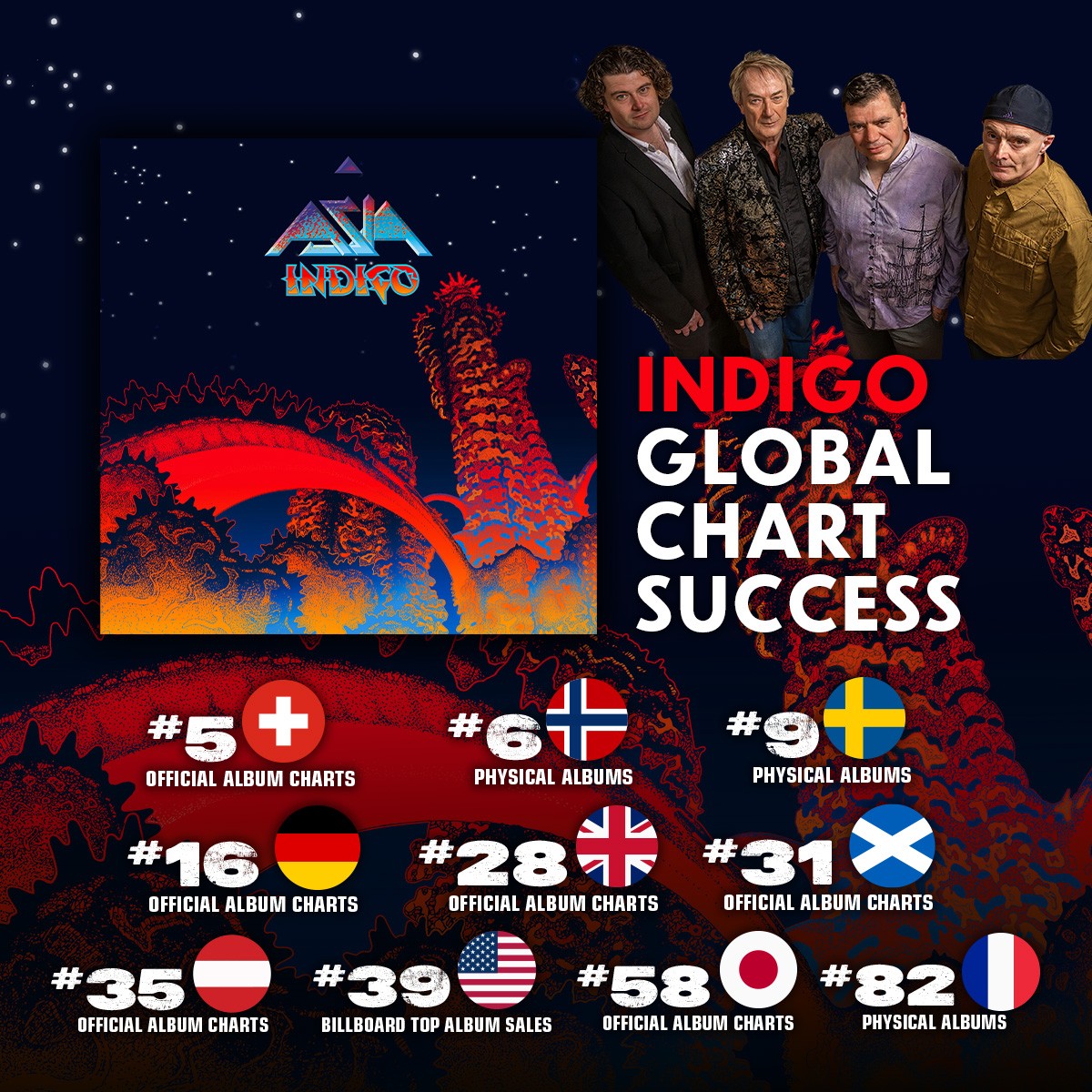
Our new album Indigo is available in a Deluxe Edition on Amazon: https://t.co/SpPRwQ2KJr
We are so grateful for the outpouring of love and positivity Indigo has received!!🙏🏻❤️ @asiageoff@LordConnaught@virgil_donati@Harrymusicmusic
ASIA fans, you took INDIGO into the Top 10 in Switzerland, Norway and Sweden! 🤘
From all of us at Frontiers, congratulations to ASIA and a huge thank you to everyone who picked up a copy, put a track on repeat or told a friend, “You’ve got to hear this.”
@originalasia
🚀 Update on single-fx 24 Gy SBRT+ADT for UIR & selected HR #PCa:
✅ encouraging PROs with low AEs
✅ 💯% BRFS
🎯Baseline IPSS and bladder trigone D1cc 🔗 to ⬆️GU AES
💥One day. Ablative. Promising
Full PRO analysis now out 👇
https://t.co/Jp4QaaCHgb
#SBRT#ProstateCancer
The inflatable balloon spacer provides a greater reduction in rectal dose than the polyethylene glycol spacer in prostate cáncer radiotherapy (PEG) #radonc#pcsm
https://t.co/17fTZGKf7D
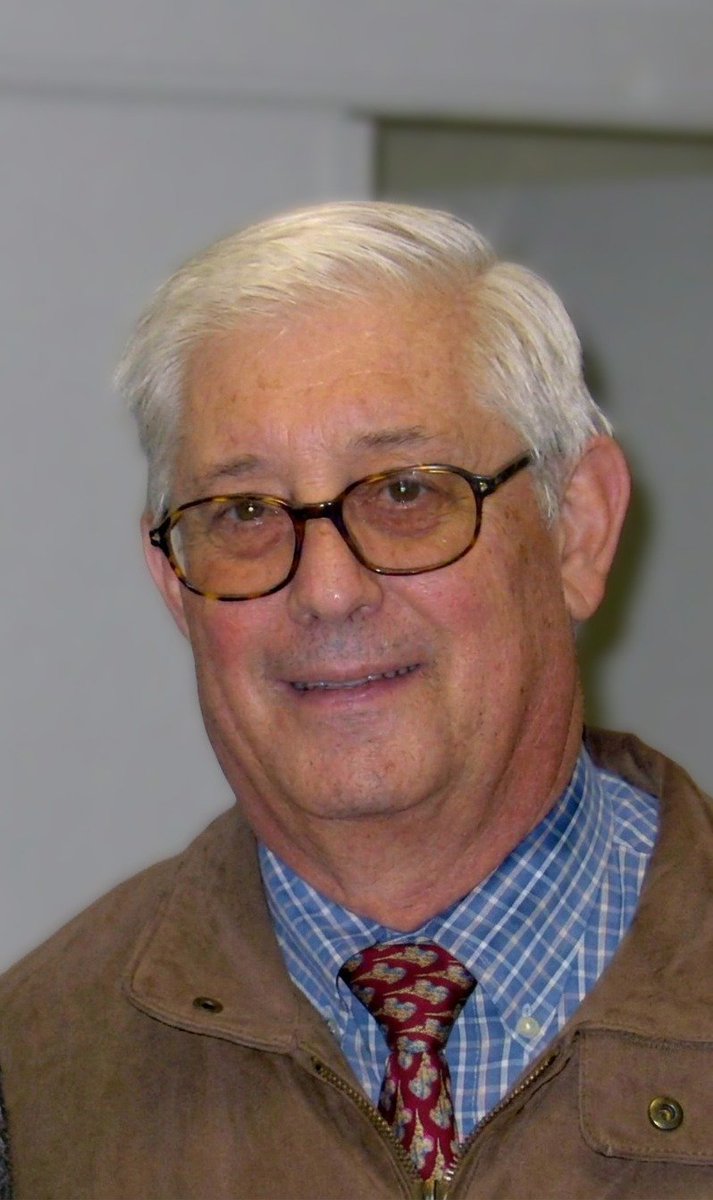
Descansa en paz, Dr. Gregorio Aragón de la Cruz. Un referente de la Oncología radioterápica española. Presidente de AERO entre 1997-1999.
Un día triste y una gran pérdida para @SEOR_ESP
Nuestro más sentido pésame a la familia, amigos y compañeros.
Lamentamos el fallecimiento del Dr. Gregorio Aragón de la Cruz, jefe de Oncología Radioterápica del H. U. Puerta de Hierro (1991-1999). Incansable trabajador y figura clave en el tratamiento de la enfermedad de Hodgkin en los 80. DEP. @SEOR_ESP
Lo que ha hecho este ministerio contra los médicos no tiene nombre y aún así parece que les tuviésemos que hay las gracias. Y lo peor es que no parece importar a nadie
You did it again! 🚀 A new record for #ESTRO27: abstract submission closed yesterday with 4,585 abstracts, up 12% on last year and the 4th record year in a row!
🙏 Thank you for advancing radiation oncology and cancer care research.
See you in Milan! ✨