There was a demographic problem 2,200 years ago, and Polybius wrote exactly what caused it. Read carefully:
"In our times, Greece as a whole is experiencing a lack of children and, more generally, a decrease in population. Because of this, cities have become deserted and there is a lack of productivity, even though we do not suffer from constant wars or epidemics. So if someone advised that we send priests to the gods to ask them what we should say or do to become more numerous and better inhabit our cities, he would not seem foolish, since the cause is obvious and the solution lies in our own hands.
People have turned to arrogance, greed, and laziness, and they neither want to marry, nor, if they do marry, to raise their children. Instead, they have only one or two children with difficulty, just to leave them wealth and raise them in luxury.
This evil grew rapidly, and we did not notice. For when there are only one or two children, and one is lost to war and the other to illness, it is obvious that the cities will inevitably become deserted, just as a beehive weakens little by little, so too do cities that lack population become unable to survive."
Source: Histories, Polybius, 36 (ΛΣΤ)
The similarities after 2,200 years.
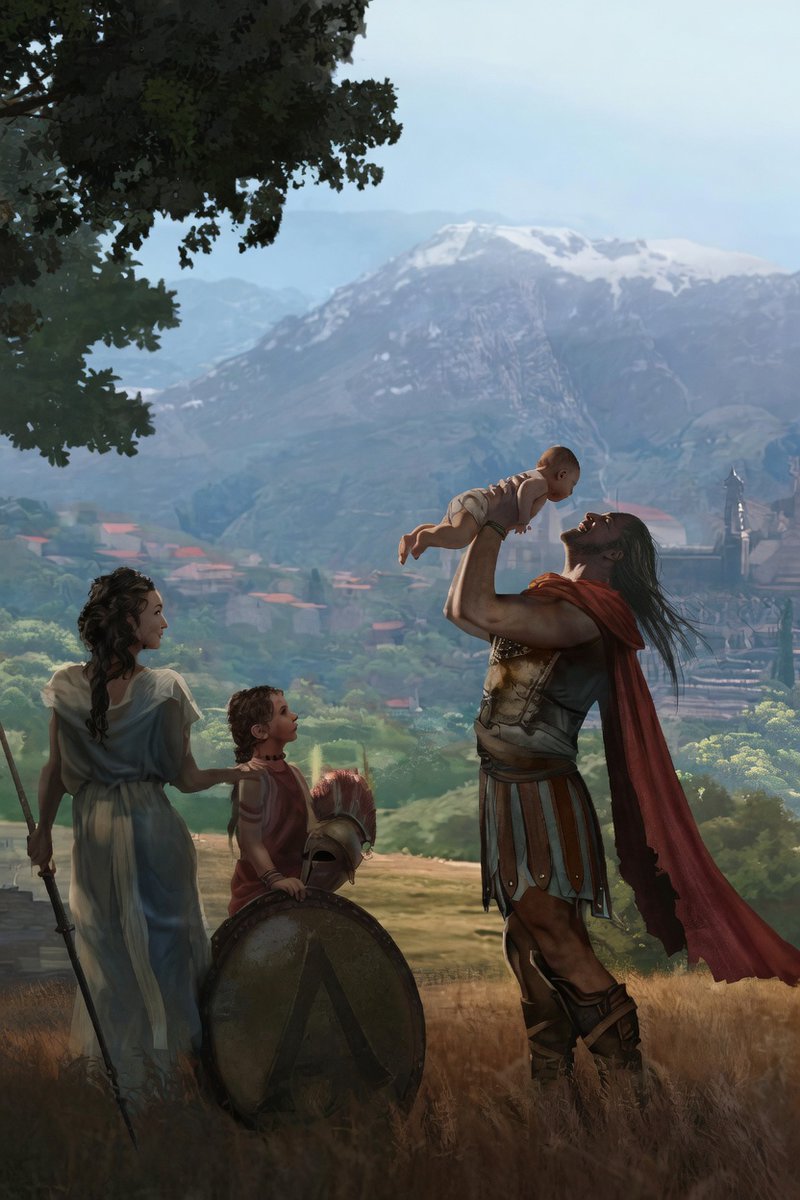
The demographic issue has been a problem several times throughout history, and none of those times was it due to the economy, but rather a result of prosperity, comfortable living, and laziness. My Greek grandparents had children even when they had nothing to eat, and the kids grew up barefoot, eating bread with olives and feta cheese. Money was never an obstacle.
Nowadays, people prefer partying, doing drugs, and living for today rather than having a purpose, building a family, and leaving a positive footprint in this world. They choose the easy life. It’s sad watching people who passionately want to have kids but can’t, compared to people who don’t want kids because it would take them out of their comfort zone, because a child would stop them from going to clubs, drinking, and partying like a meaningless person.
- Homer Pavlos
People who are in their 20s, invest your time more into these SUPERPOWERS:
1. NEUROPLASTICITY
2. META COGNITION
3. COGNITIVE FLEXIBILITY
4. PREDICTIVE PROCESSING
5. MEMORY RECONSOLIDATING
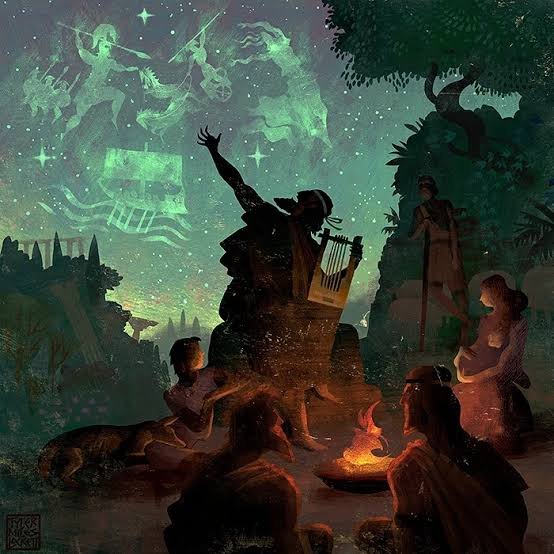
The ancient Greeks were haunted by how most people are simply forgotten.
Homer laments that the vast majority of soldiers from the past are nameless to him. Even the best of the best, captains and leaders, are mostly remembered at best by a name, and often nothing more.
But, a tiny handful of men, like a few specks of sand on a beach, are heard of forever through the stories of their amazing achievements: Achilles, Ajax, Odysseus, Hector, Heracles...
One of the central conflicts of the Iliad is Achilles' own dilemma. He has been told by his mother that if he fights at Troy he will die there far from home, but be renowned forever. If he leaves, he will live a peaceful life, but not be remembered.
Homer uses a term for this concept that he inherited from bards stretching back to his Indo-European forebearers:
"Kleos Aphthiton".
Which in the reconstructed Proto Indo-European would look something like:
"kléwos n̥dhgwhitóm".
And, which translates roughly to:
"The fame that does not decay."
“You will lose friends, you will lose lovers, You will lose comfort, but if in losing them, You find yourself, you have gained more than Kings.”
*- Marcus Aurelius