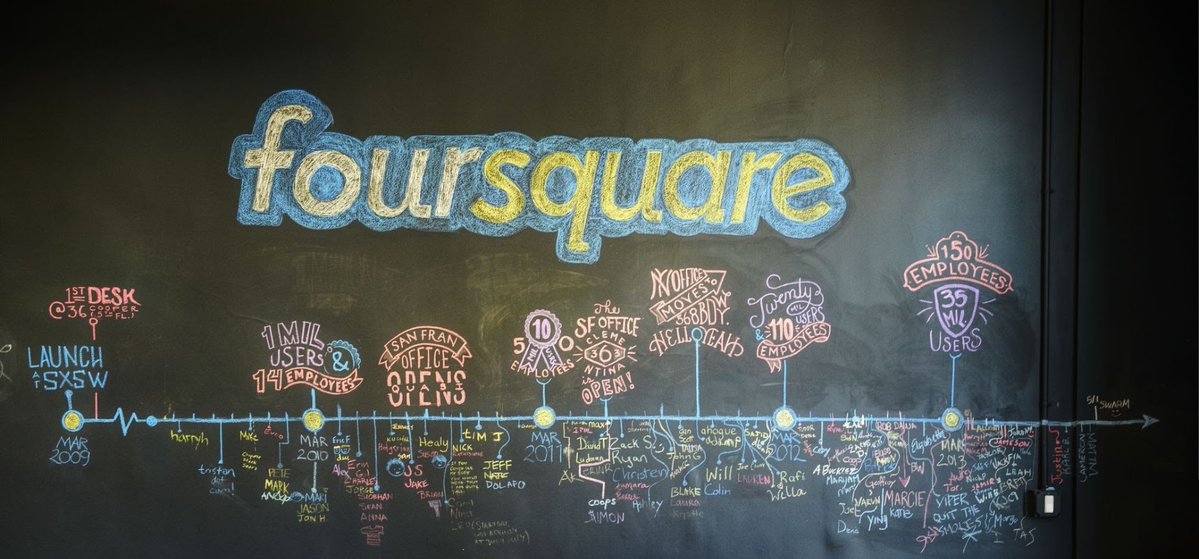
Foursquare was acquired last month. The outcome was disappointing. It's taken me a while to write this, but I think I'm finally done grieving it. Here are some thoughts on our final years, an effort to honor the team who helped build & maintain FSQ's legacy, and my attempt to finally get some closure. https://t.co/HgcgI9DWvy
A horrific Russian strike in the Kharkiv region. A “shahed” struck people directly – in a park near an ordinary café. Pure atrocity. Six people were killed, including children. A little girl was killed in a stroller – her name was Angelina, she was just over a year old, born in August 2025… Her mother’s name was Inna. She died in the hospital… Another girl who was killed was 11 years old. My condolences to their families and loved ones. Another 14 people were injured, including six more children.
I am grateful to everyone who supports Ukraine under these circumstances and helps us shoot down “shaheds,” shoot down missiles, and stop Russian assaults. These are horrific photos, but behind them are shattered lives and the truth about this war. Lives must be protected. Ukraine needs air defense. You can't think about making money with Russia as long as it continues its asinine war. We ask that sanctions on Russia stay in place as long as the killings continue. We ask America to be strong, and we ask it to apply the Lindsey Graham law. We ask Europe to continue its support. We ask that everything possible be done to bring peace and guarantee security. Ukraine wants peace. It is Russia that has insisted on continuing the killing all this time. The world has enough strength to stop the war. That strength must finally be used – against the murderers.
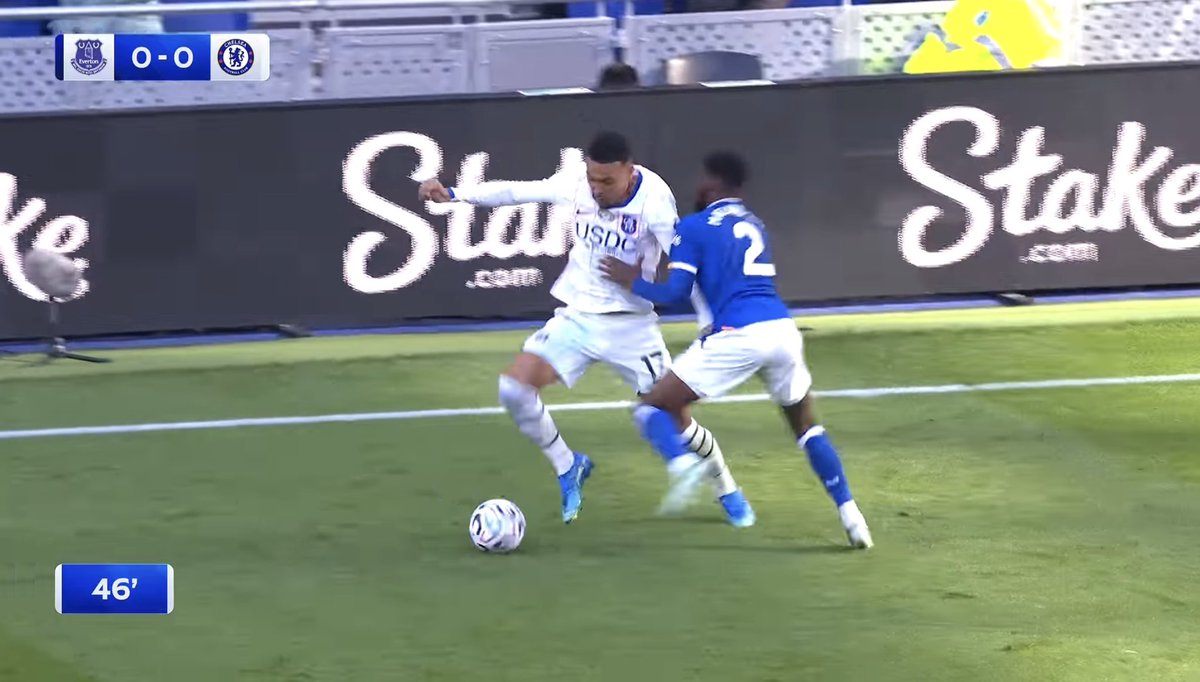
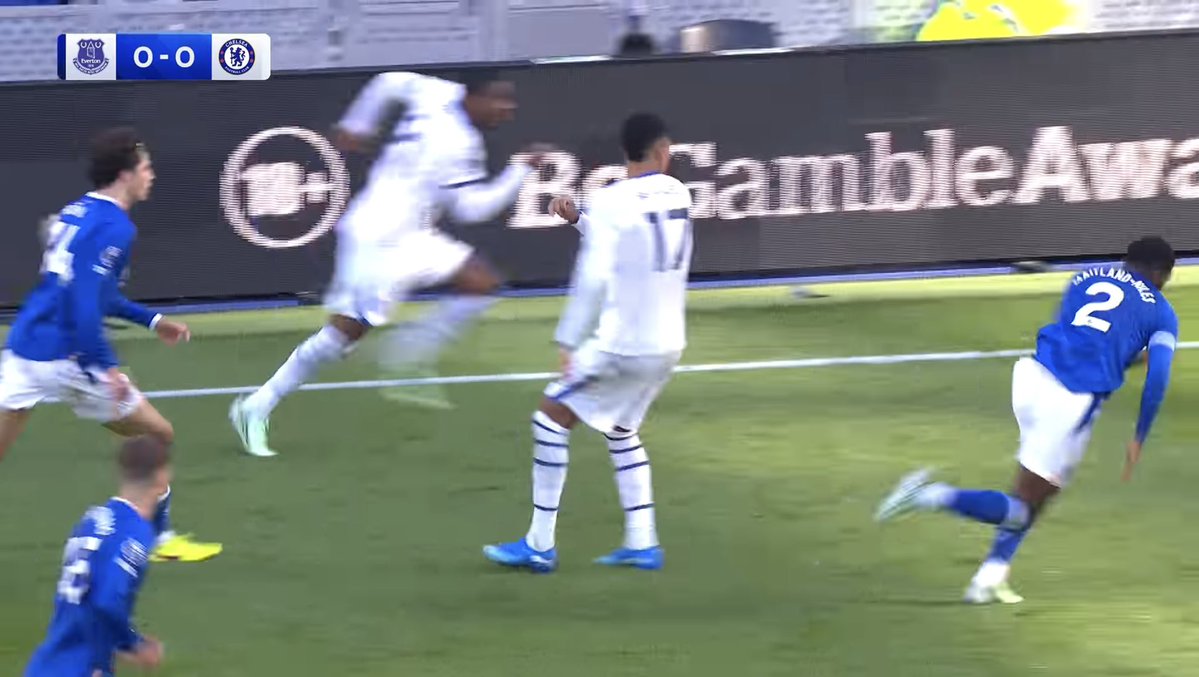
@frankhenshaw@Richlloyd1984 With respect, I think you’re wrong. AMN’s responsibility is the man who has the ball at his feet. The overlapping player is Merlin Rohl’s responsibility, who loses him and leaves AMN chasing back to catch up. Plenty of opportunity for the rest of the back four to defend it too.
There's no more pretense.
The shameful truth is now clear.
By withholding critical Intel and Internet services, and lifting sanctions on Russia to replenish Putin's war machine, @realDonaldTrump & @elonmusk are now fully complicit. They're on Putin's side.
https://t.co/DsClKZ4RBo via @NYTimes
.@elonmusk please tell me these overnight disruptions to Starlink terminals in Ukraine were unintended - that @SpaceX is doing everything it can to fix a temporary glitch.
I'm confident this does not reflect a change in SpaceX policy because if so, intentionally degrading Ukraine's ability to defend itself might be construed as aiding and abetting a mass murderer. Can you confirm that's not SpaceX’s intent?
Ukrainians simply want to live in peace. They did not ask Putin to bomb their homes, schools and hospitals. They do not want Putin to kidnap and brainwash their children. They are not interested in destroying energy infrastructure - in Ukraine or in Russia. They only want to defend their country and live their lives.
Supporting Ukrainian sovereignty - or at the very least, allowing for it - should not be a gray area for the U.S. government or for American corporations. Can you clarify the SpaceX position?
https://t.co/cPtszYRzSz
@Sithompson1975@Gre9orypeck09 What’s the point of developing younger players when they’ll only be picked off by the cartel if they’re good enough putting us straight back at square one again.
@WarrenAsp@Gre9orypeck09 We’re unbeaten, but apparently you’d accept losing games just to develop younger players who if they’re good enough will only ever be picked off by the same few clubs.
@AlexClawson1980@mattseed1 You’re right, and if they now claim that isn’t true in their appeal, then they will have perjured themselves in the United States.