@13th_Benedict@Aswath_Silber Raising capital to protect the first oil timeline is a sound and wise choice. It comes out of the capex spending as @13th_Benedict said, not to keep the lights on.
A war has started not long ago affecting manufacturing demand and as a business you need to adapt.
Posted this weeks ago.
Since then? Oil’s made new highs while everyone keeps trying to short it.
This is what a hated rally looks like.
Supply doesn’t snap back. Positioning’s offside.
Sector Picks
Large cap: $WDS.ax @WoodsideEnergy
Small cap: $FDR.ax @finder_energy
Still the same trade.
Market feels heavily positioned for this oil spike to fade.
But oil supply disruptions don’t have a light-switch solution.
This is shaping up to be one of those hated rallies that drags on longer than people expect.
KTJ Long-Term Tenure & Production Hub Strategy
Finder Energy is pleased to announce that Autoridade Nacional do Petróleo has approved the Development Area over the Kuda Tasi and Jahal Oil Fields.
This approval represents a key regulatory milestone for the KTJ Project, paving the way to secure long-term tenure and enabling progression toward development and project sanction. It underpins our strategy to establish a scalable production hub centered on the Petrojarl I FPSO, providing a platform to commercialise multiple upside opportunities within PSC 19-11.
Read the full announcement at: https://t.co/ynNC8FcCjH
$FDR #KudaTasiJahal #DevelopmentArea #TimorLeste #PSC1911
Successful Completion of Phase 1 Engineering for PJI Redeployment
Studies confirm the Petrojarl I FPSO is a technically robust, fit-for-purpose solution, with no material limitations identified for redeployment.
Finder continues to de-risk the project as it progresses towards FID.
Read the full announcement at: https://t.co/qK9kEFmgs5
$FDR #KTJProject #Energy #OilandGas #FPSO #Petrojarl #PJI
Meeting with His Excellency Prime Minister Xanana Gusmão at Palácio do Governo, Dili — 5 March 2026
Finder Energy Chairman Bronwyn Barnes , CEO Damon Neaves , Country Manager Luis Pereira and Office Manager Josefina Mendes were honoured to meet with His Excellency Prime Minister Xanana Gusmão to discuss the status of the Kuda Tasi and Jahal Development Project.
The Prime Minister expressed his strong support for the project and acknowledged the rapid progress being made.
The KTJ Project is attracting attention at the highest levels of government, highlighting its importance for the future of Timor-Leste’s energy sector.
https://t.co/oepG0WAOGw
$FDR #KudaTasiJahal #TimorLeste #Oil #Energy
The market has spoken and our thesis has proved correct.
What many dismissed as a temporary bounce is now a sustained move. The oil majors are not just recovering, they’re leading.
This isn’t noise, It’s capital rotation.
@finder_energy
$FDR.AX remains my junior pick. The path to cash flow is well underway.
Oil & Gas Revival?
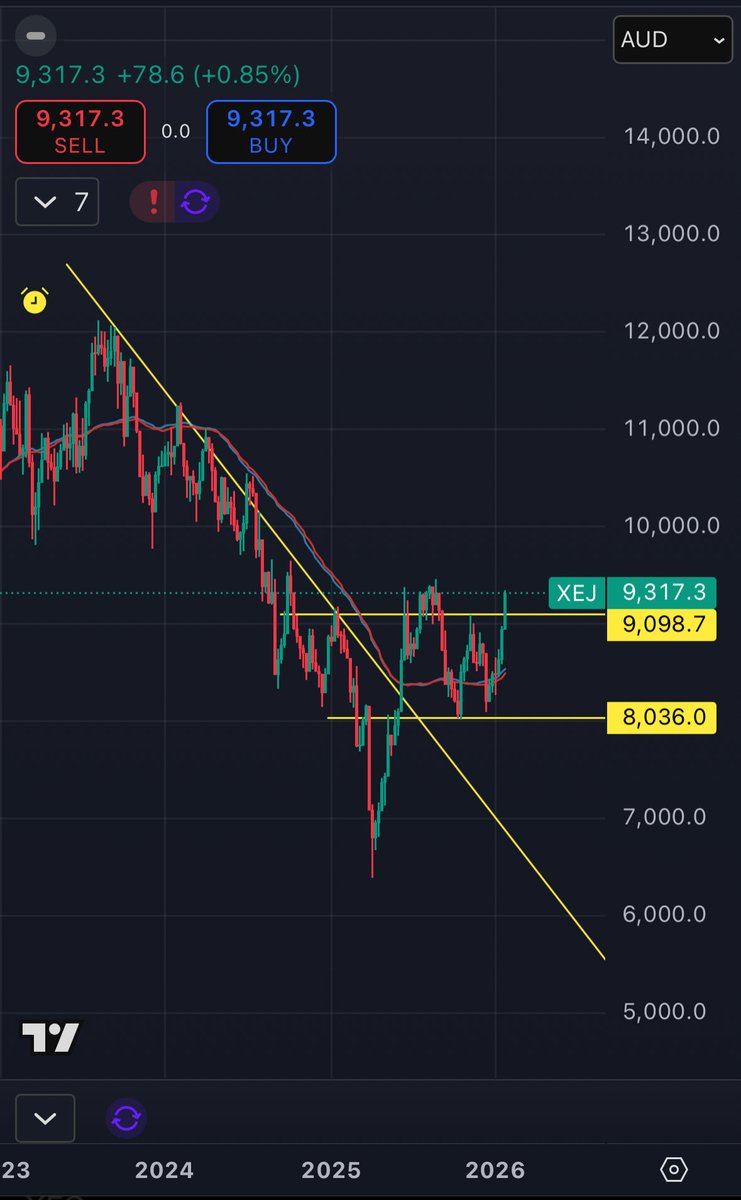
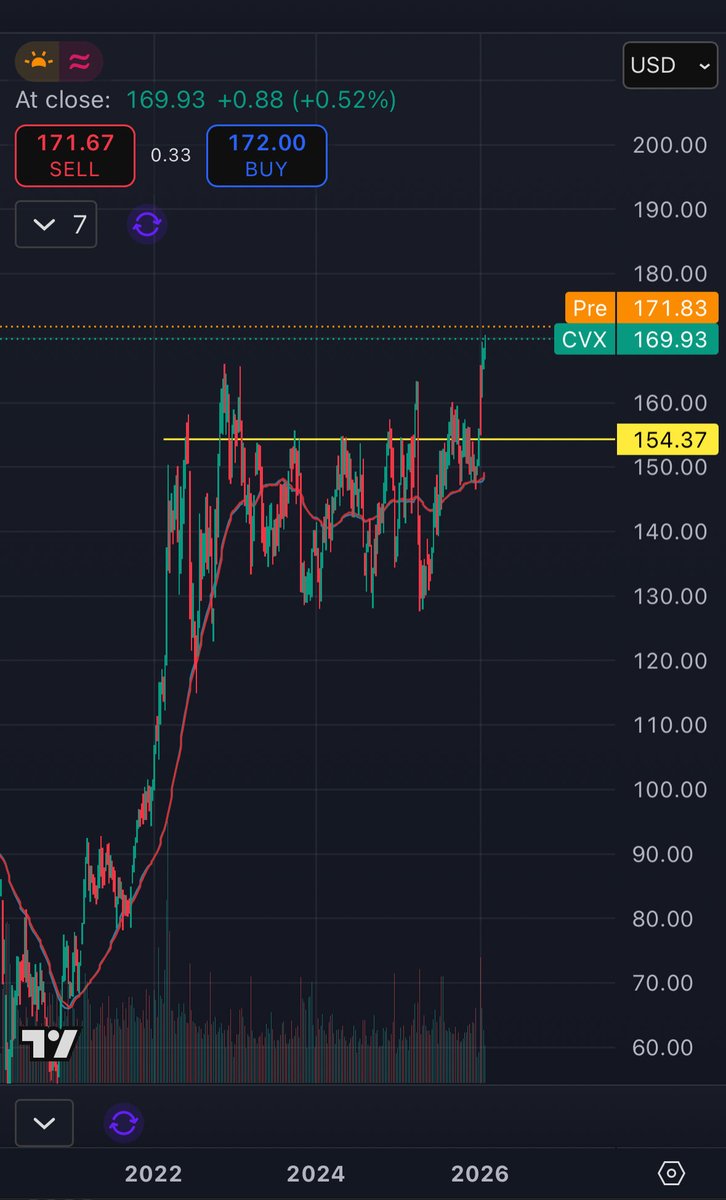
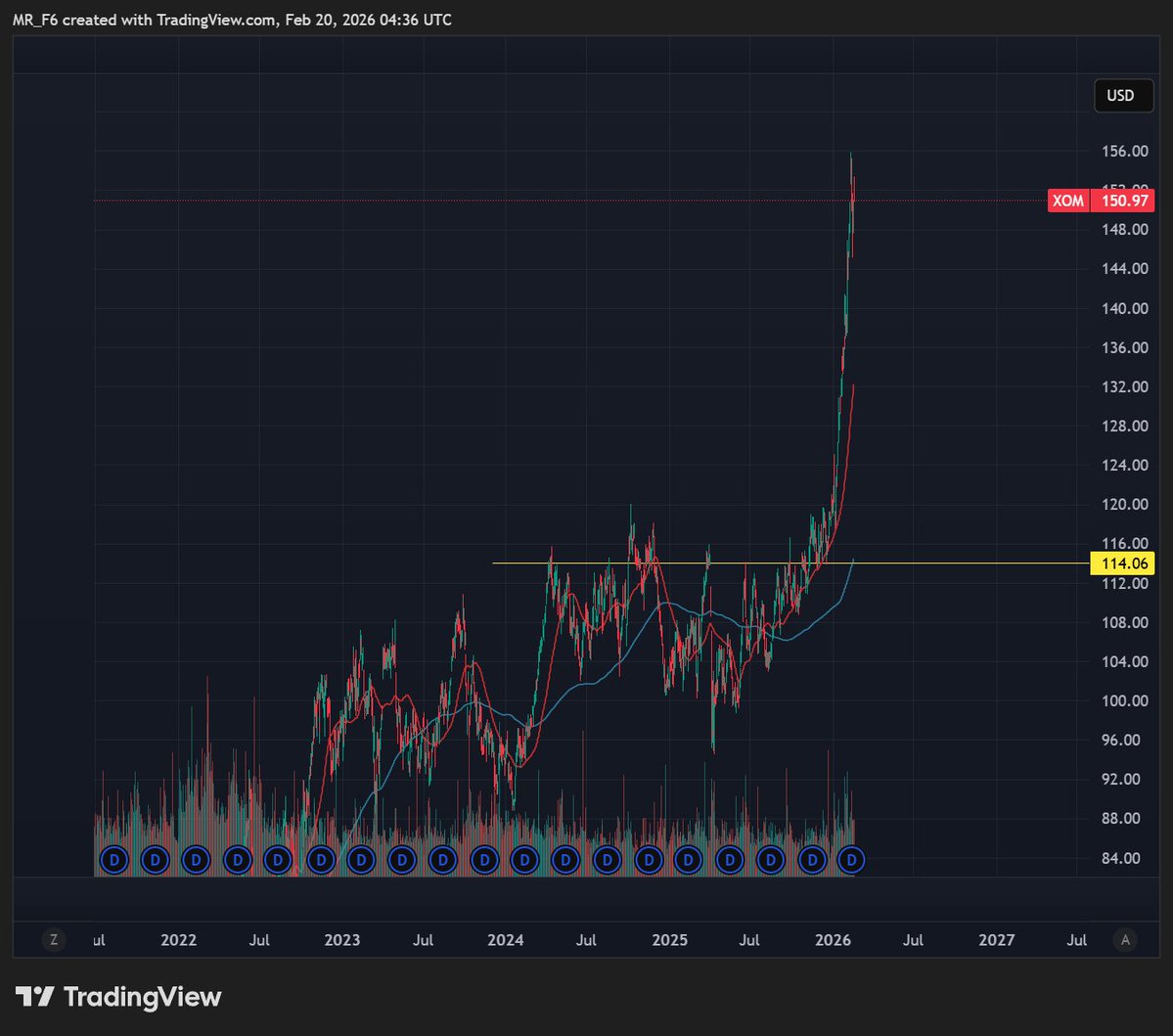
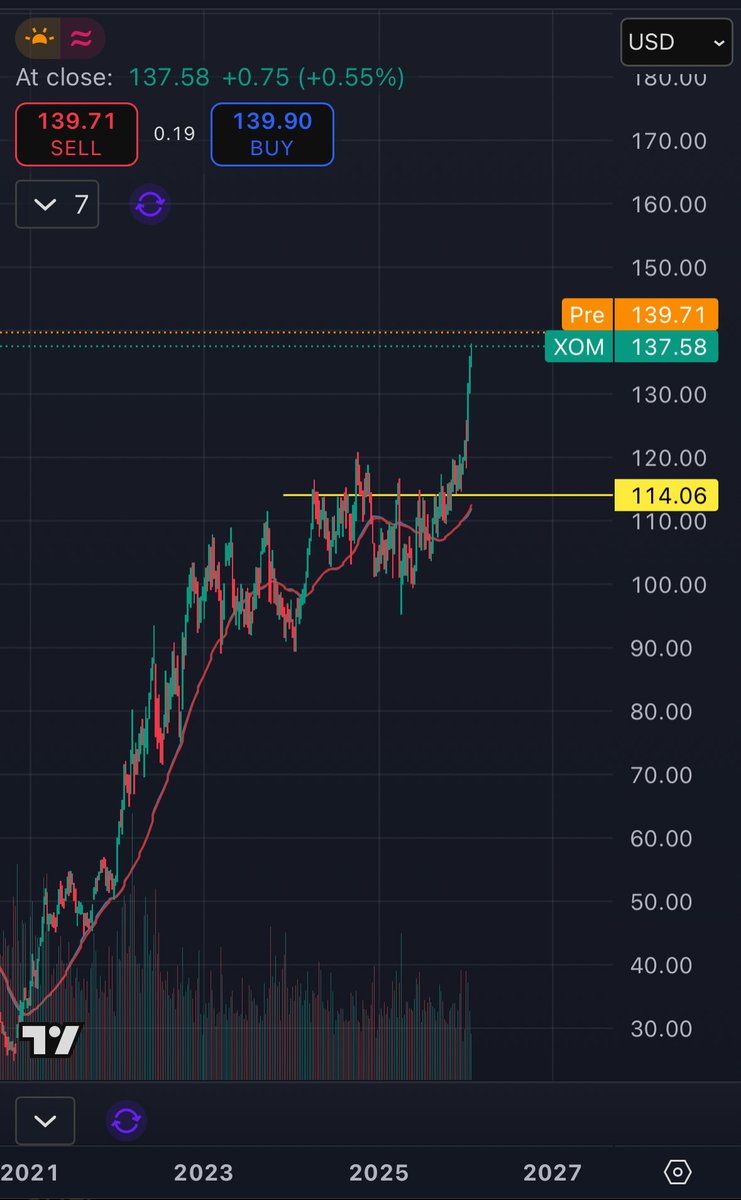
While many in the energy transition crowd expected oil majors to be side lined, a different playbook seems to be unfolding. Exxon Mobil and the likes isn’t just treading water, it looks like it’s gearing up for something bigger.
These charts are whispering a tide change with many not paying attention.
https://t.co/MPDo2L16ok
$XEJ
$SHEL
$XOM
$CVX
KTJ Project Passes FEED Milestone
Finder Energy (ASX:FDR) has completed Front-End Engineering Design (FEED) for the Subsea Production System and Production Wells at the Kuda Tasi & Jahal Development Project. FEED was delivered on schedule under our accelerated timeline, marking a major step forward toward FID and first oil.
CEO Damon Neaves said “I congratulate the Subsea Integration Alliance, which comprises Subsea7, SLB and OneSubsea, who delivered this project under the supervision of Finder’s COO, Mark Robertson. This highly integrated, multi-disciplinary team has demonstrated what can be achieved through a disciplined collaborative approach, setting a new benchmark in project execution for offshore oil.”
Read the full announcement at: https://t.co/I2gZNe8NA6
$FDR #FinderEnergy #KudaTasi #KTJProject #Jahal #Energy
The path to the next material re- rate for $FDR $FDR.ax will come from the 2P reserve booking upon FID being achieved
Some thoughts worth considering to understand why the path for @finder_energy to $1+ is real & likely to play out before June
⬇️ ⬇️⬇️
https://t.co/IBoOellR80
An update here with obvious signs that things are starting to get some traction.
Oil into the pointy end of the trend and knocking on a 4 year downtrend break.
Majors beginning to come out of some nice bases
Expecting capital inflows to continue into the energy sector
Finder Energy stands out as my top junior pick right now.
$FDR.AX
$CVX
$XOM
https://t.co/axUA6C6TKm
When an administration is doing everything it can to secure oil supply, it reinforces one thing: oil still matters. That’s a compelling case for a bullish bias on energy.
$FDR.AX
$WDS.AX
$STO.AX
There has been lots of talk about the current situation in Venezuela and what it could mean for global oil markets, so I just wanted to provide some nuance on this 🇻🇪 ⤵️
When people say “Venezuela has the world’s largest oil reserves,” as you undoubtedly have seen being thrown around a lot on here, they are technically referring to a specific accounting definition, not to a stock of easy, cheap barrels ready to flood the market. To unpack that, you need to get into what those reserves are, how they behave in the subsurface, what it costs to turn them into marketable liquids, and how price, technology, and above-ground risk interact.
That's a lot to cover, but let’s give it my best shot. On paper, Venezuela has roughly 300–303 billion barrels of proved reserves, about 17 % of the global total and slightly more than Saudi Arabia. The critical detail is that around three quarters of that booked volume is extra-heavy crude from the Orinoco Belt in eastern Venezuela. These are bitumen-like oils with API gravity typically in the 8–14° range, extremely viscous at reservoir conditions and with high sulfur and metals content. So the statement “largest reserves” is really “largest booked volumes of very challenging heavy and extra-heavy oil.”
Technically recoverable versus economically recoverable is the first big distinction. The USGS has long estimated that the Orinoco Belt contains on the order of 900–1,400 billion barrels of heavy crude in place, with perhaps 380–650 billion barrels technically recoverable using existing technology.
Venezuela and OPEC only book a subset of that as “proved,” but even those proved numbers are sensitive to the assumed oil price and development concept. When prices were strong in the 2005–2014 window, a large portion of Orinoco volumes became economic on paper and were reclassified as proved, driving the headline reserves from ~80 to ~300 billion barrels.
Geology and fluid properties are the second big differentiator. Orinoco crudes are extra-heavy, with densities up around 934–1,050 kg/m³, high asphaltene content and sulfur on the order of 3–4 wt% or more, depending on the block. This is a completely different animal from a 33–40° API, low-sulfur Arab Light-style crude. In plain English, that means it's much harder to handle at various stages and each step adds capex, opex and energy use.
In other words, the “barrel in the ground” in Venezuela is inherently worth less and depends on a narrower set of buyers.
Surface systems and institutional capacity are another constraint. Before the 2000s, PDVSA had a reputation as a technically capable NOC. Since then, you have had a combination of mass layoffs and politicization, under-investment, sanctions, corruption and brain drain. The result is decayed gathering systems, chronic power shortages, refinery fires and upgrader downtime.
Finally, integration with global refining and logistics matters for strategic value. Venezuela’s crude slate is optimized for complex “coking” refineries in the US Gulf Coast, parts of Asia and a few European plants. That's a story for another time though, because the length of this analysis is getting out of hand.
So when you hear that Venezuela has “the world’s largest oil reserves,” the technically accurate part is that the country has extremely large volumes of extra-heavy oil in place, and a big subset of that was once judged economically recoverable at high price assumptions and booked as proved. The more relevant questions for energy strategy are how many of those barrels are genuinely economic under realistic long-term prices, how quickly they can be brought onstream given infrastructure and institutional constraints, what netback they deliver at the refinery gate, and how exposed they are to being left in the ground if demand peaks. On those metrics, Venezuelan barrels sit much further out on the cost and risk curve than the headline “largest reserves” soundbite suggests. I hope this provided some good context.
@calvinfroedge They are trying to replace barrels their own Permian is running out of. It’s pretty clear now.
This isn’t a light switch supply source. Will take years
Finder Energy’s acquisition of its very own FPSO vessel
This marks a big de-risking step toward cash flow
A very constructive outlook from here
@finder_energy
$FDR.AX
$WDS.AX
$STO.AX
$XEJ