ORGANS FOR CASH: INSIDE THE INVESTIGATION
The Nigeria Police Force, through the Force Intelligence Department’s Special Tactical Squad (FID-STS), uncovers an organ trafficking syndicate.
Watch the documentary for an inside look at the investigation and the operation that dismantled the syndicate.
Watch the full documentary on YouTube👇🏾:
https://t.co/EOdFi2Zrzj
A tailor should not need millions of naira to buy industrial machinery before she can grow her business. A food processor should not have to build a factory before producing at scale.
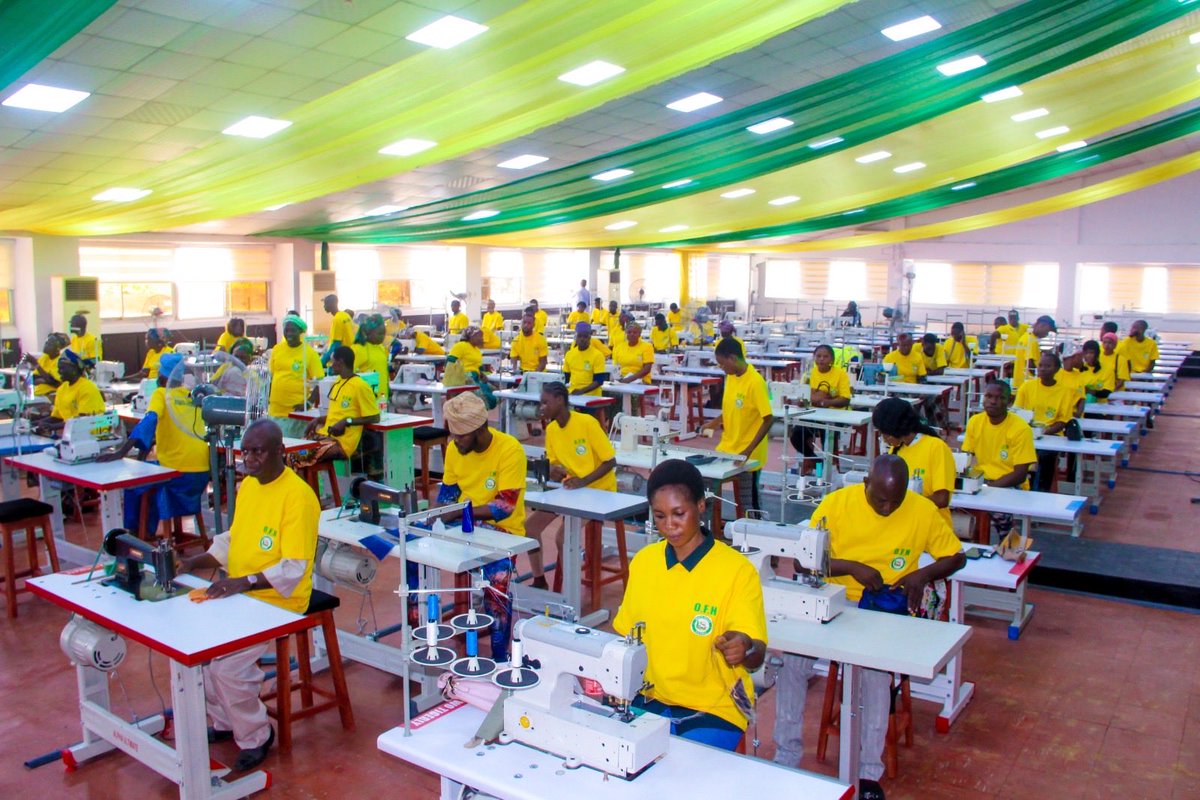
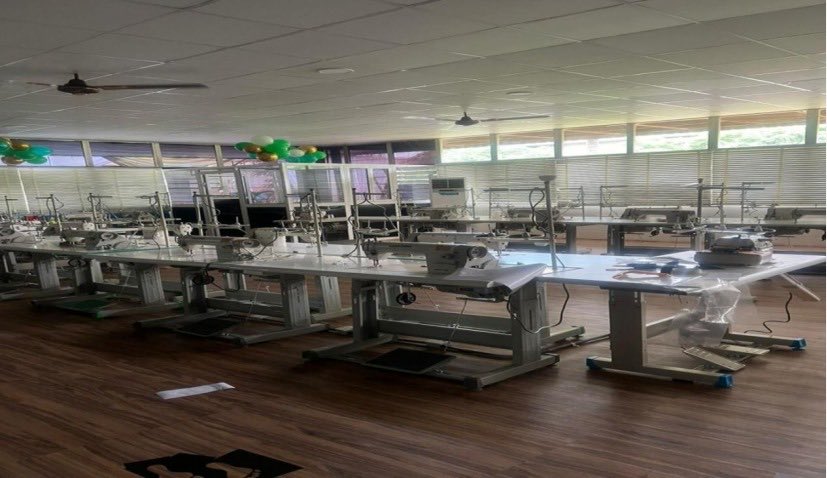
That is why the Federal Government, under our Renewed Hope administration, is investing in shared MSME hubs through our National MSME Clinics, giving entrepreneurs access to modern equipment, reliable power and production facilities without carrying the full cost alone.
Today, 21 shared facilities across 19 states and the FCT are supporting businesses and an estimated 650,000 jobs.
Nigerians do not lack ideas, skill or ambition. Too often, they lack access to the tools and infrastructure needed to turn them into successful businesses.
Our job is to remove those barriers.
When small businesses can produce more, at lower cost, they become more competitive. They grow. They employ more people. They create income and opportunity for Nigerian families.
Giving Nigerian enterprise the tools to succeed is how we build prosperity from the ground up.
That is the Nigeria we are building.
Bola Ahmed Tinubu, GCFR
President
@NGRPresident@NigeriaGov
When I sought your mandate, I promised to move Nigeria towards a credit-based economy and to establish a loan guarantee scheme that would help small businesses overcome the barriers that keep them from finance.
That promise was about something practical. A worker with access to credit can buy what the family needs and pay over time, and a small business can invest today against the income it expects tomorrow.
We have been building the institutions to make that possible. Through CREDICORP, working Nigerians can access consumer credit. Our students can finance their education through NELFUND, while the Bank of Industry and Development Bank of Nigeria continue to lend to businesses.
The National Credit Guarantee Company takes on one of the hardest barriers to business credit.
4/4
Credit matters because of what people can do with it. A trader can restock before the festive season. When a manufacturer takes a bigger order and buys another machine to fill it, another Nigerian gets a job.
NCGC estimates that the businesses it has supported account for 661,291 direct and indirect jobs.
This is how we move from reforms to opportunities. Our reforms laid the foundation. Credit gives Nigerians the means to build on it. Tens of thousands who stood outside formal credit a year ago are now inside, borrowing to grow.
We will keep widening that road until the opportunities our reforms create reach homes and businesses in every part of Nigeria.
Promise made, Promise Kept. We are moving from reforms to opportunities. Nigeria First.
Bola Ahmed Tinubu, GCFR
President
BUILDING AFRICA’S NEXT GENERATION OF GLOBAL DIGITAL COMPANIES FROM NIGERIA
Nigeria has the talent, enterprise, and ambition to build companies that can compete anywhere in the world. Our responsibility as a government is to ensure that Nigerians do not have to leave Nigeria or rely on other jurisdictions to realise that potential.
For too long, some of our most promising young entrepreneurs have felt compelled to establish their companies and intellectual property abroad to access global capital and markets. I do not accept that this must remain the case.
I want the next generation of African technology, finance and service companies to be built, headquartered and scaled to the world from Nigerian soil.
14. to reviving our economy.
Else, his HE Atiku Abubakar should roll out means he envisioned to return a subsidy regime devoid of all the factors mentioned above.
O.R.A
1. This model will not work unless we have functional refineries.
As much as it may be reasonable to caution against the effects of rising refined petroleum product prices, we cannot sustainably sell subsidized crude to a private refinery that has the liberty
My dear Francis, thank you for taking the time to truly understand what I am proposing. That means a great deal to me.
I am not restoring subsidy so that Nigeria can keep paying for imported petrol. I am restoring subsidy so that Nigerians can produce more at home, pay less for fuel, and keep more money in their pockets.
That is the difference between import subsidy and production subsidy.
Think about shoes. If government wants Nigerians to buy shoes more cheaply, it can spend public money making imported shoes cheaper, or it can support shoemakers in Aba to reduce their production costs so they can make more shoes here, employ more Nigerians and sell at more affordable prices.
I choose the Aba shoemaker.
I will do the same with fuel. We will support crude refined in Nigeria so our refineries can produce at a lower cost and you can pay less.
But for me, this is bigger than fuel.
I want the bus fare you pay every morning to come down. I want the cost of taking food from the farm to the market to come down. I want the trader to spend less. I want the barber, tailor, welder and small business owner to spend less on energy.
I want a mother to return from the market with more food in her bag.
I want a father to pay transport and still have something left in his pocket.
I want a small business owner to close for the day with profit, not just enough money to buy fuel for tomorrow.
That is what affordability means to me.
Less money spent on fuel.
Less money spent on transport.
Less pressure on food prices.
More money left for your family.
My promise is personal: I want you to feel relief in your pocket, in your home and in your daily life.
I will make life affordable again.
I will make Nigeria affordable again.
It is a promise. -AA
13. properly regulated framework.
Nigeria needs a solution that is economically sustainable,not another temporary intervention that creates a new problem while attempting to solve an existing one, it's largely unsustainable & will destabilize the effort by the current government