Happily settled guy that likes sci-fi, fantasy and horror. Occasional gamer.
Not looking for love.
Asking for money or cards gets you an instant block.
14 August 1975. British cult movie The Rocky Horror Picture Show, starring Tim Curry, was released in the UK. It was based on the successful stage musical. It’s a parody tribute to the science fiction and horror B movies of the 1930s through to the early 1960s.
Jeremy Clarkson runs at least eight businesses off a thousand acres in Oxfordshire. Seven of them make money.
Count them. A farm shop. A pub. A lager brand. A bestselling book every autumn. A streaming series. A merchandise range. And now an app, built by Lisa Hogan, connecting the public to farms.
Then the eighth. Growing food.
Year one, working the ground flat out: £144. By year six, a £5,000 loss where £37,000 had been projected. This summer, two hundred of those acres grew nothing at all, because putting wheat in them was a guaranteed loss before the drill left the shed.
Every enterprise on that farm turns a profit except the farming.
The lager tells you why, and the chain of cause is on the record. Government subsidies were falling, so in 2021 he decided to brew beer from his own barley. That is the entire origin of Hawkstone. A decision taken in Whitehall turned an arable farmer into a brewer, and the beer worked.
Nothing about the grain changed. Barley sold as barley goes at whatever the buyer offers that morning. Barley in a bottle goes at the price the man who grew it decides.
That one difference is the whole business.
The pub is the same move in bricks. A derelict barn nobody had wanted since 2013, bought for reportedly under a million, now with a queue. On the menu a sausage from his own pigs costs 74p against 18p for the imported version, and he absorbs that gap on every plate. The farm shop, meanwhile, is legally barred from selling food produced more than sixteen miles away, and still cannot keep up with demand.
Now look at what the farming has behind it that yours does not. One of the best land agents in England. A farm manager who has worked that ground since he was a teenager. An agronomist. A production company covering the costs. A queue down the lane. A name that sells anything it is printed on.
It loses money anyway.
And this is the ordinary arrangement, not an eccentric one. Defra's own figures say 72 percent of farms in England now take income from something that is not farming, and diversification accounts for 31 percent of total farm income. The government's own Batters Review found nearly a third of British farms were loss-making outright in 2024.
Diddly Squat is simply the loudest version. The shop subsidises the field. The pub subsidises the field. The television subsidises the field.
A thousand acres of English farmland, and the one thing it cannot do is pay for itself by producing food.
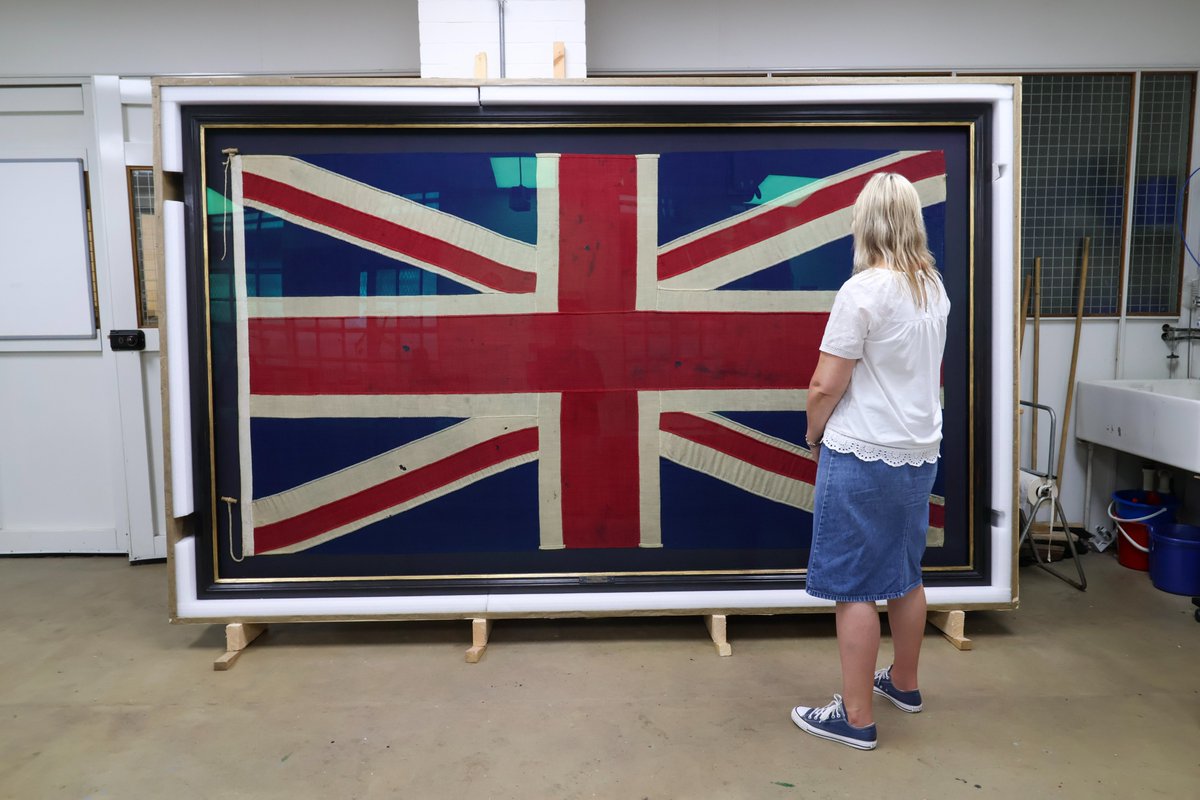
NEWS - North East Museums saves rare flag from Battle of Trafalgar for the UK. The flag was flown from the HMS Royal Sovereign, flagship of Newcastle-born Vice-Admiral Cuthbert Collingwood, on 21 Oct 1805.
Joseph Swan developed the first practical electric light bulb in 1878. He lit his own home, The Lit and Phil Society building in 1879, and Moseley Street in Newcastle on 3rd February 1879, all world firsts.
John Henry Holmes invented the quick-break light switch in 1884.