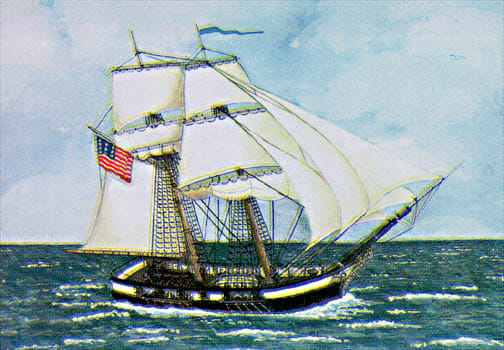
May 17, 1775. Just eight days after the fall of Fort Ticonderoga, a 34-year-old American officer slipped into a sleeping British fort in Quebec with only 50 men.
They captured a 70-ton British warship, four bateaux, military supplies, and nine prisoners. Not a single shot was fired. The whole raid was over before the garrison finished breakfast.
The officer renamed the captured sloop "Enterprise," making it the first American naval vessel to ever carry that name. Every USS Enterprise since, from the aircraft carriers to the one Star Trek borrowed its name from, traces its lineage back to that morning on Lake Champlain.
The officer's name?
Benedict Arnold.
Yes. That Benedict Arnold.
Five years later he would switch sides and become the most infamous traitor in American history. But on this day in 1775, he handed the colonies their first naval victory, their first warship, and a name that would sail for the next 250 years.
🇺🇸 Countdown Until America’s 250th Birthday: Day 49
49 Patriots were killed at the Battles of Lexington and Concord.
They fired the first shots of the Revolution and chased British regulars all the way back to Boston.
Bless these Patriots who stood their ground for liberty 🇺🇸
#OTD in 1903, day two of Theodore Roosevelt's camping trip with John Muir found the two men deep in Yosemite's high country, riding through alpine meadows and discussing what TR himself would later call "the whole subject of forestry and the preservation of the wild creatures."
Muir was, as one biographer put it, the perfect tour guide for the wrong tourist — except Roosevelt was exactly the right tourist. Muir tended toward mystical exuberance about wilderness, calling it "the inestimable wealth of the forests" and walking long distances to chase a single rare flower. Roosevelt was more practical, more political, but no less devoted to the country he was passing through. The chemistry between them was immediate.
Sometime that day, the two men reached a high vantage point — the Yosemite Valley spread out below them, the granite domes of the Sierra rising in every direction. It was the kind of place that makes serious people quiet. Roosevelt and Muir, normally two of the most loquacious men in America, are reported to have simply stood and looked.
The moment didn't end with a treaty signed or a proclamation issued. It ended with two men, slightly older than they had been the day before, planning what they would do.
#OTD #OnThisDay #TheodoreRoosevelt #TeddyRoosevelt #JohnMuir #Yosemite #Conservation #TRHistory
Today is #EndangeredSpeciesDay — and Theodore Roosevelt's role in shaping how America protects vulnerable wildlife is hard to overstate.
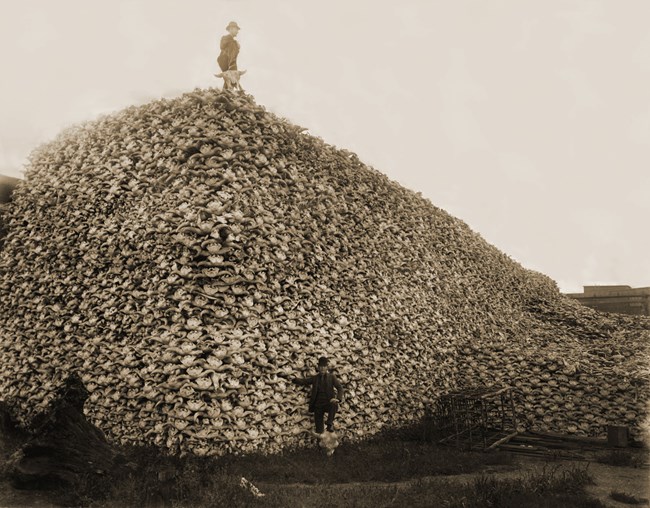
When TR took office in 1901, the American bison was nearly extinct. Once numbering in the tens of millions across the Great Plains, the herds had been destroyed within a single generation by commercial hunting and federal policy aimed at undermining Plains tribes. By the early 1900s, fewer than a thousand bison remained alive in the entire United States.
Roosevelt's response was characteristic. In 1905, he served as founding honorary president of the American Bison Society, which was led by William Hornaday, the New York Zoological Society director and a conservationist Roosevelt deeply admired. In 1907, his administration shipped 15 bison from the Bronx Zoo to the Wichita Mountains Wildlife Refuge in Oklahoma — the first federal effort to restore an endangered species to its native range. In 1908, he established the National Bison Range in Montana. By the time he left office, the federal government was actively breeding and protecting bison on multiple federal preserves.
The species is alive today because Roosevelt and his contemporaries refused to let it slip away on their watch. The principle they established — that the federal government has an obligation to protect endangered species — would eventually grow into the Endangered Species Act of 1973, signed by another Republican president, Richard Nixon.
So when you hear a meadowlark in a pasture Roosevelt protected, or see a bison on a refuge he helped establish, you're seeing the long arc of an idea: that we owe something to the wild creatures we share this country with.
#EndangeredSpeciesDay #TheodoreRoosevelt #TeddyRoosevelt #Conservation #BisonRestoration #TRPL
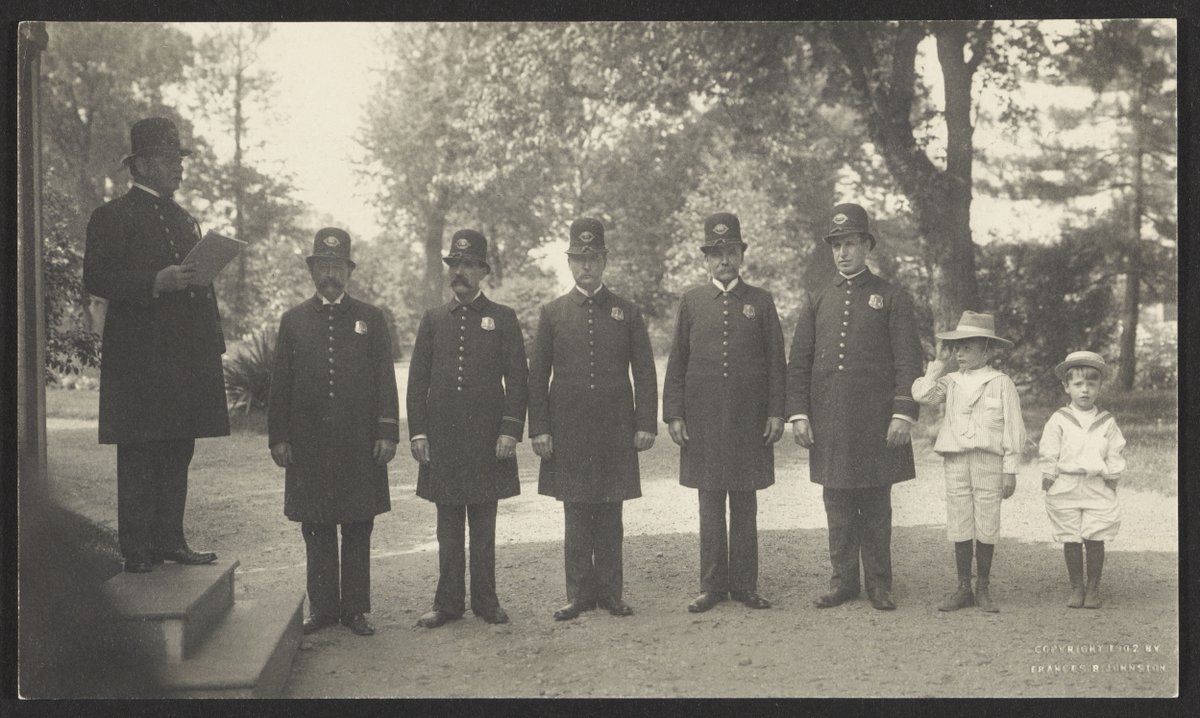
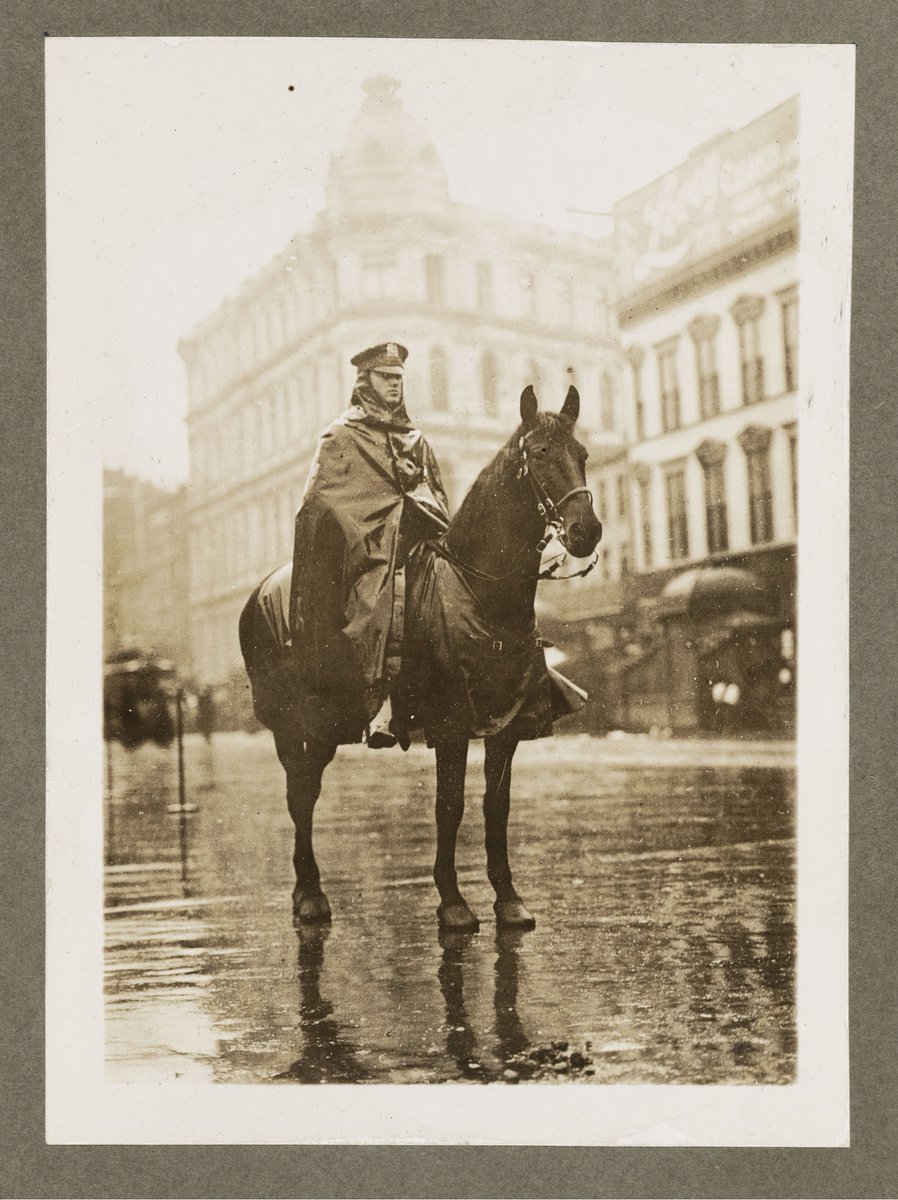
It's #PeaceOfficersMemorialDay — and we're thinking about a former NYC Police Commissioner who walked the Manhattan beat in the dead of night.
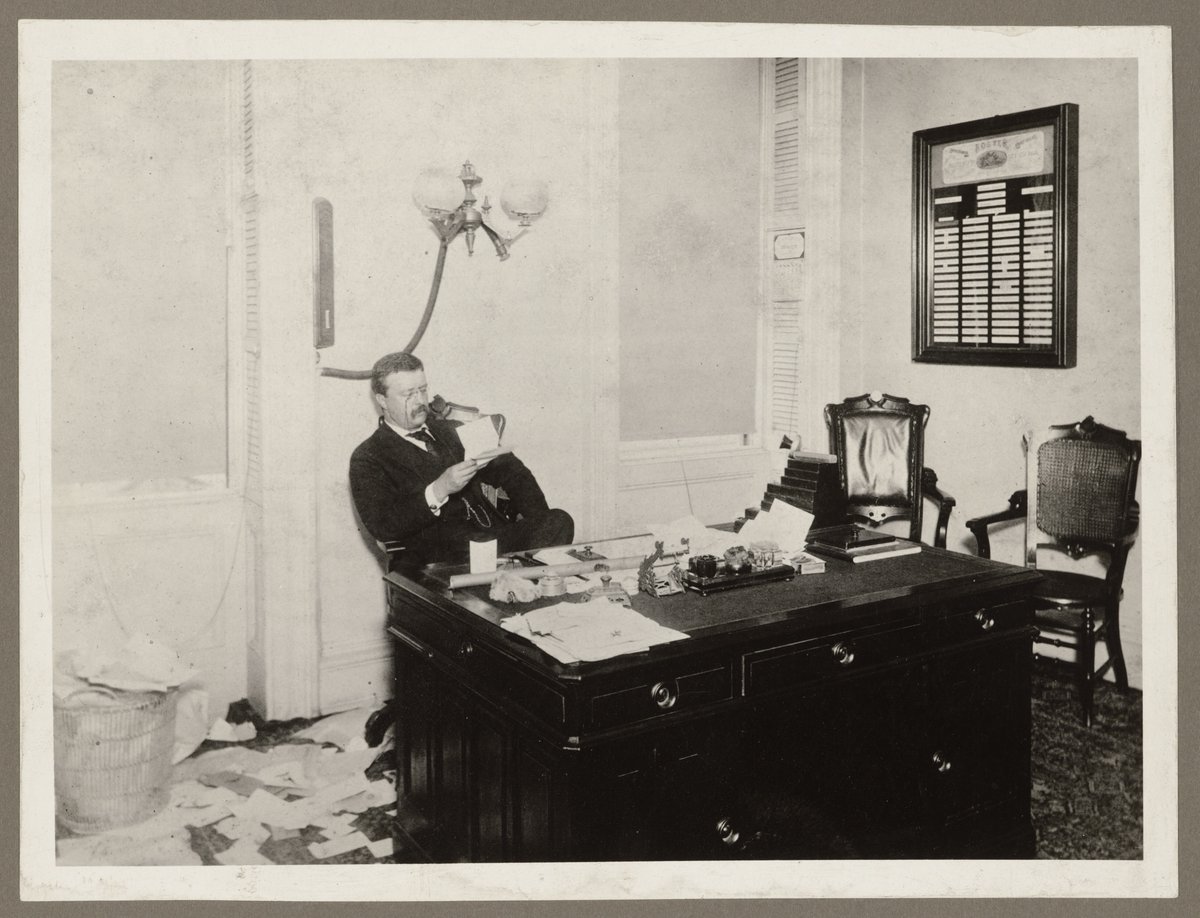
In 1895, Theodore Roosevelt was appointed to the Board of Police Commissioners of the City of New York — and quickly became the loudest, most visible reformer the department had ever seen. NYC policing in 1895 was a swamp of patronage, payoffs, and political interference. Cops paid for promotions. Captains protected favored saloons. Whole precincts operated as fiefdoms of Tammany Hall.
Roosevelt's response was relentless. He showed up at police stations unannounced. He walked patrol routes at 2 a.m. with reporter Jacob Riis at his side, looking for officers who weren't on their posts. He moved aggressively to fire or discipline officers for corruption or dereliction of duty — in numbers that shocked the political class. He insisted, against fierce political opposition, that the law applied equally — even, controversially, to the closing of saloons on Sundays.
Was he beloved by the rank and file? Not always. He stepped on toes. He alienated political allies. He earned editorial criticism and street-level resentment. But by the time he left the Board in 1897 to become Assistant Secretary of the Navy, he had begun a transformation of NYPD culture that would take decades to complete — and he had given honest officers cover to do their jobs without paying tribute to bosses.
Today, on #PeaceOfficersMemorialDay, we honor the officers who give their lives in service. And we remember a former commissioner who believed deeply that the badge meant something — and who spent two years of his life fighting to make sure it did.
#PeaceOfficersMemorialDay #NationalPoliceWeek #TheodoreRoosevelt #NYPD #TRPL