Mummy & Wife. Passionate about learning, teaching, assessment & all things education👩🏼 🏫PT currently seconded to @WL_Equity Team. #ScIL37 Cohort. Views mine.
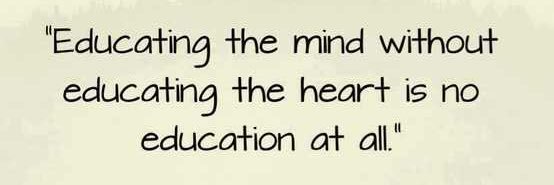
I’ve come to realise that in teaching, it isn’t so much what you’re teaching, how you’re teaching it or, sometimes, it isn’t even about the learning. It’s always about people. About the child 1st&you. Your warmth, your values, your you to them ✨ The rest will come if you #HWB1st
In my work with the now defunct Learning Sciences International, we came up with the graphic below. I had actually forgotten about it, but came across it recently. So is it useful, or should I forget about it again?
The new EEF Guide to Inclusive Teaching is published today.
It's worth checking out. It contains guidance, summaries, myth busting & scenario based training plus more.
https://t.co/ugPZKi5NMN
What does belonging mean for schools? Been thinking about this a lot in relation to learning and this from @jon_hutchinson_ is the best thing I’ve read on the topic.
✉️ 10 Letters a Day ❤️… we could all take something. I wonder how this could operate in a school?
👉🏻 Could classes send letters, regularly?
👉🏻 Do any HTs get letters, especially from children of all ages and stages!
👉🏻 How could these shape our actions?
Classroom Chairs, Coercion, and the Right to Concentrate
This article's basic point is that classroom chairs aren’t neutral objects. This isn’t new as all artifacts can have politics, but...
https://t.co/Aeh8FCxXOU
In 𝘏𝘰𝘸 𝘞𝘦 𝘓𝘦𝘢𝘳𝘯, Stanislas Dehaene—one of the world’s leading cognitive neuroscientists and winner of the Nobel-equivalent Brain Prize—identifies the 4 Biological Pillars of Learning. Without all 4 of these pillars in place, learning is fragile and will not last: 🧵
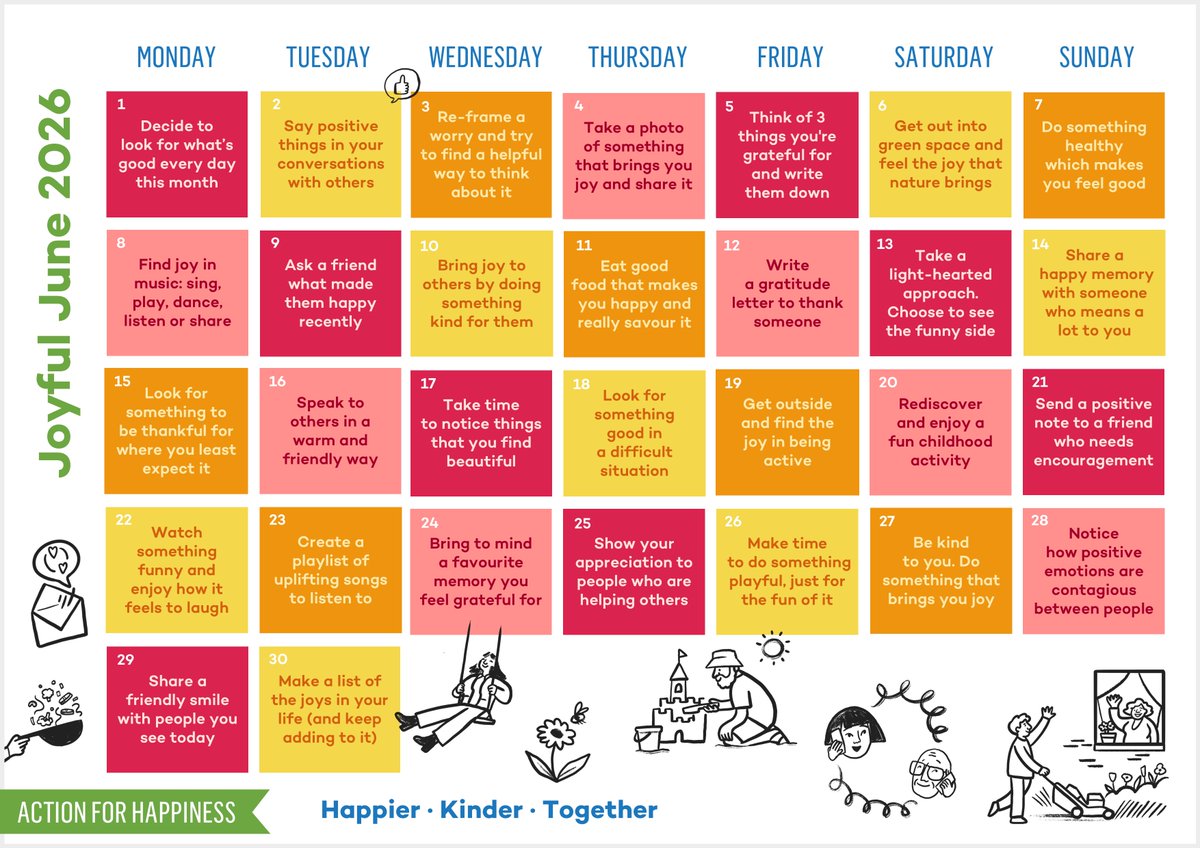
Every day may not be good, but there's something good in every day 🌤 Join us for Joyful June and discover actions to help you find and share the little joys in life https://t.co/HZQI1uz0Xz #JoyfulJune
Retrieval practice is the single most well supported research-informed learning strategy. Supporting pupils to try to recall prior content, is helping them learn. Take a look ⬇️👀💥
For bespoke in-school professional learning contact [email protected]
✨ Kids Q.I. has changed the way I plan, deliver, reflect and most importantly, think, about change and improvement.
🎉Our biggest success… it’s continuing to influence and transform the way our children and young people voice and lead change and improvement too!
#ISpyQI 👀
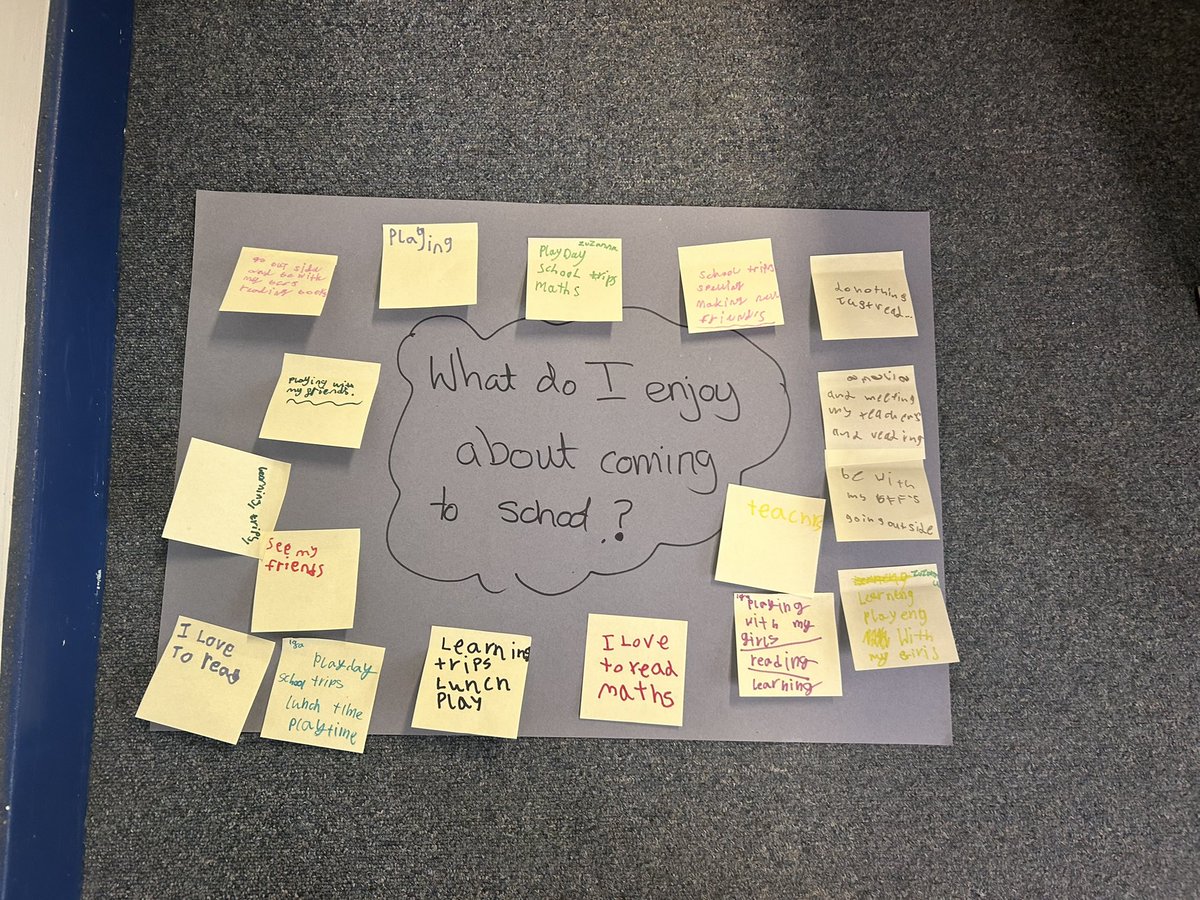
🙏🏻 Today my 6 year olds came home and told me their most memorable&best part of their day was that the teacher wrote their friend’s birthday on the board… “Happy Birthday V”🎈(*and left it on ALL day*)… 😍
And you know, this is my most favourite kind of learning #Connection
Why "communication" and "persuasion" are insufficient approaches to change across an organisation or system.
Communication campaigns can build awareness, but they rarely change behaviour at scale. Persuasion works well when our audience is already open to change. But when we lead any significant change effort, we work across the full spectrum: people who proactively advocate for change, those who passively accept it, and those who actively resist it. For a large portion of that population, even the most sophisticated argument will not shift their position.
We change through our relationships.
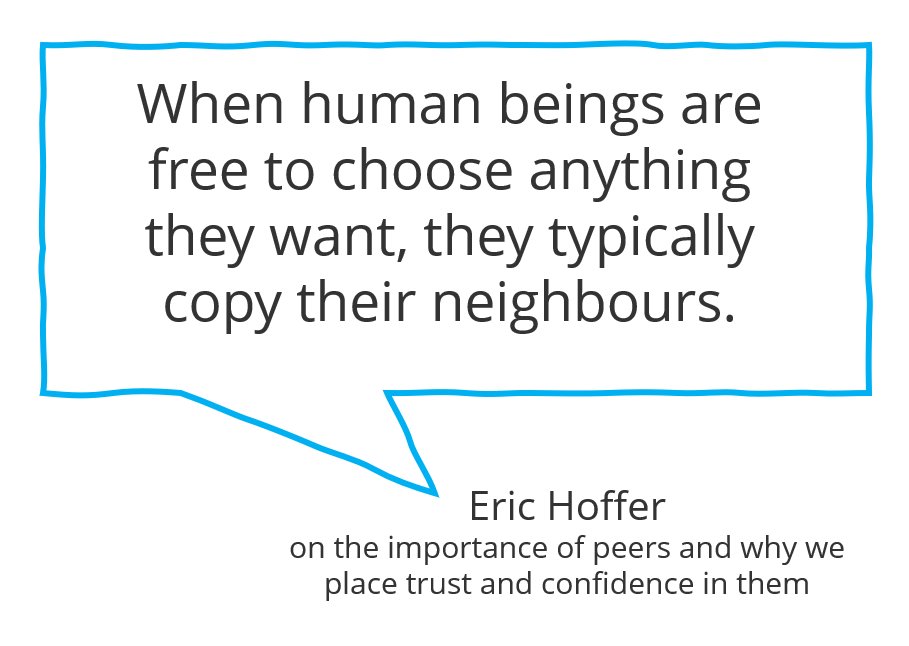
I've learnt greatly from @Digitaltonto (link at the bottom of this piece). Decades of social science research shows we're profoundly shaped by the people around us: our colleagues, peers and professional community. This influence extends not just to our immediate connections but three degrees out: to their networks and the networks beyond. When researchers have studied people who made major shifts in their thinking (e.g., leaving long-held beliefs, changing deeply ingrained ways of working), they consistently find that change followed a shift in their social environment, not exposure to a better argument. People did not think their way into new behaviour. They were drawn into it by those around them.
This has profound implications for how we lead change. The real levers are not in our communications strategy. They're in our social architecture.
Five things we can do as leaders of change to build our social architecture:
1) Find the people who are already moving: People who already believe in what we are trying to do and are quietly making it happen. Find them and connect them to each other. We are not creating energy for change — we are locating it.
2) Create the conditions for peer-to-peer spread: People adopt new ways of working when they see colleagues they respect doing things differently. Prioritise proximity over broadcast. Small group conversations, site visits, and shared learning across teams carry more influence than organisation-wide communications.
3) Make progress visible at the local level: Transformation does not announce itself top-down and cascade neatly through an organisation. It spreads when people can see it working nearby, in their context, for people like them. Celebrate local progress loudly and often.
4) Connect people to the difference their work makes. Creating regular opportunities for people to hear from, or spend time with, those they ultimately serve is one of the most underused and most powerful tools we have as leaders of change.
5) Put our energy where it will travel furthest. Build on the readiness that exists, make it visible, and let success do the persuading that arguments could not.
None of this makes effective change communication redundant. People need clarity, honesty and a coherent narrative about where we are heading. But that is the scaffolding, not the structure. Change travels through people, through trust, through the invisible threads that connect one person's conviction to anothers.
See: https://t.co/k6JJkHhO7X.
“Invest in your staff to invest in your students” is a message I regularly share with schools.
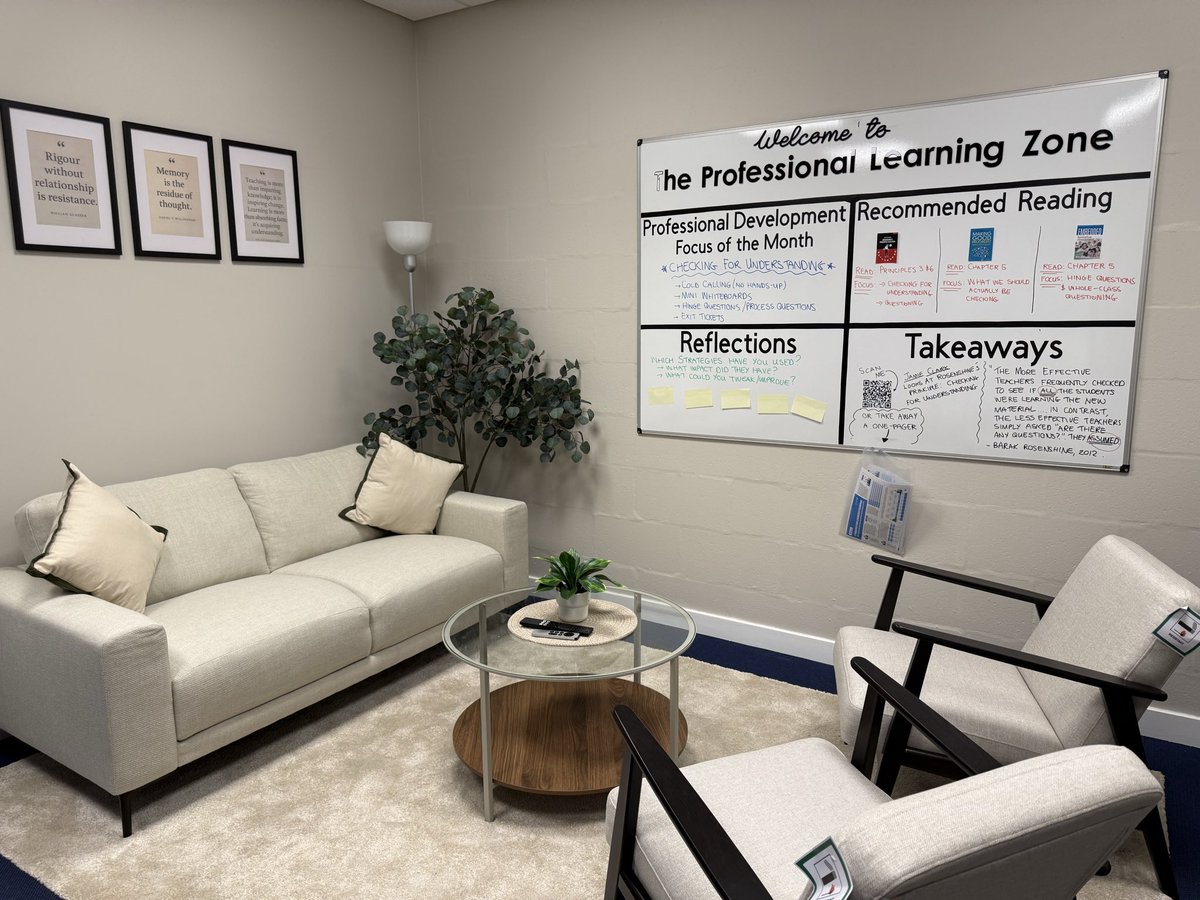
Super to see such a strong example in the Professional Learning Library created for staff at Graeme High School👇
🚀 Power up!
Wow, what a risk it will be to our young people ensuring we have phone free schools…
👉🏻 Chatting over ‘Tracking’
👉🏻 Appreciating over ‘App-ing’
👉🏻Looking up and forward over looking down!
🙏🏻
Carol Ann Tomlinson’s work in action …
Environment
Content
Process
Product
… and chunking it this way allows us to really think about how to practically apply it to meet learner needs 🌟
Intentional design 🙏🏻
This week, I'm revisiting differentiation.
A lot of people think differentiation means 30 different lesson plans—it doesn't!
It's smart adjustments to content, process, product, & environment so more students actually succeed.
In today's classrooms, that's not a nice-to-have. It's the job: https://t.co/t6mBAk3L2d