Hi New York Times Team,
Almost ALL of these experts have subsequently rebuked the reporting, and it is abundantly clear that they did not have sufficient context of how their quotes would be framed and the narrative that would be pushed in this article.
Sanam herself stated that the evidence was inconclusive, and thus the OBVIOUS implication that dams and water infrastructure fall under dual use categorization is exceptionally dangerous, reckless, and without merit.
NYT should understand the very public reporting that the Trump Administration is considering the targeting of Iran’s civilian and economic infrastructure, and it is incredibly disingenuous to act as though this was not manufacturing consent to support carrying out American strikes on Iran’s water infrastructure.
This article should be IMMEDIATELY revoked, and a public apology should be issued by @nytimes and @NYTimesPR.
URGENT: I call for @nytimes and @NYTimesPR to immediately retract their article entitled, "War May Answer Longtime Riddle of Iranian Dams Built for No Clear Reason" published on November 16th by Erika Solomon and Sanam Mahoozi and issue an immediate statement as to the illegality of targeting Iranian water infrastructure.
In this piece, Solomon and Mahoozi are clearly attempting to manufacture consent for the categorization of Iranian dams and water infrastructure under "dual use infrastructure". This would allow for the United States to have the pretext under international law to target these sites despite the lead reporter on the piece, Sanam Mahoozi, posting the article to X yesterday stating:
"Could some water projects have served to support Iran’s military buildup? No conclusive evidence—but questions worth asking."
According to the X post from Mahoozi, this investigation from The New York Times took "months", but as per her own statement, resulted in zero conclusive evidence.
In addition to this, almost every expert that was quoted by Mahoozi and Solomon on the piece have subsequently issued public statements rebuking the framing and conclusion of the article. This is clearly as a result of Mahoozi and Solomon not being forthcoming with these experts as to what the narrative being pushed by the article would be.
Nima Shokri, Danny Citrinowicz, Nik Kowsar, and Amir Aghakouchak, four separate experts quoted in the article have all issued public statements criticizing the framing and conclusion of the piece.
When an article implicitly seeks to manufacture consent for war crimes, finds no conclusive evidence, and is immediately condemned by the very experts quoted on the piece, it should be clear that it is blatantly dishonest and immoral to publish such an article.
@nytimes and @NYTimesPR should immediately remove to retract the article and condemn the implied conclusion that water infrastructure in Iran falls under dual-use infrastructure.
“Journalism carries a responsibility to distinguish evidence from speculation, especially during armed conflicts when misleading narratives can endanger civilian lives and infrastructure.”
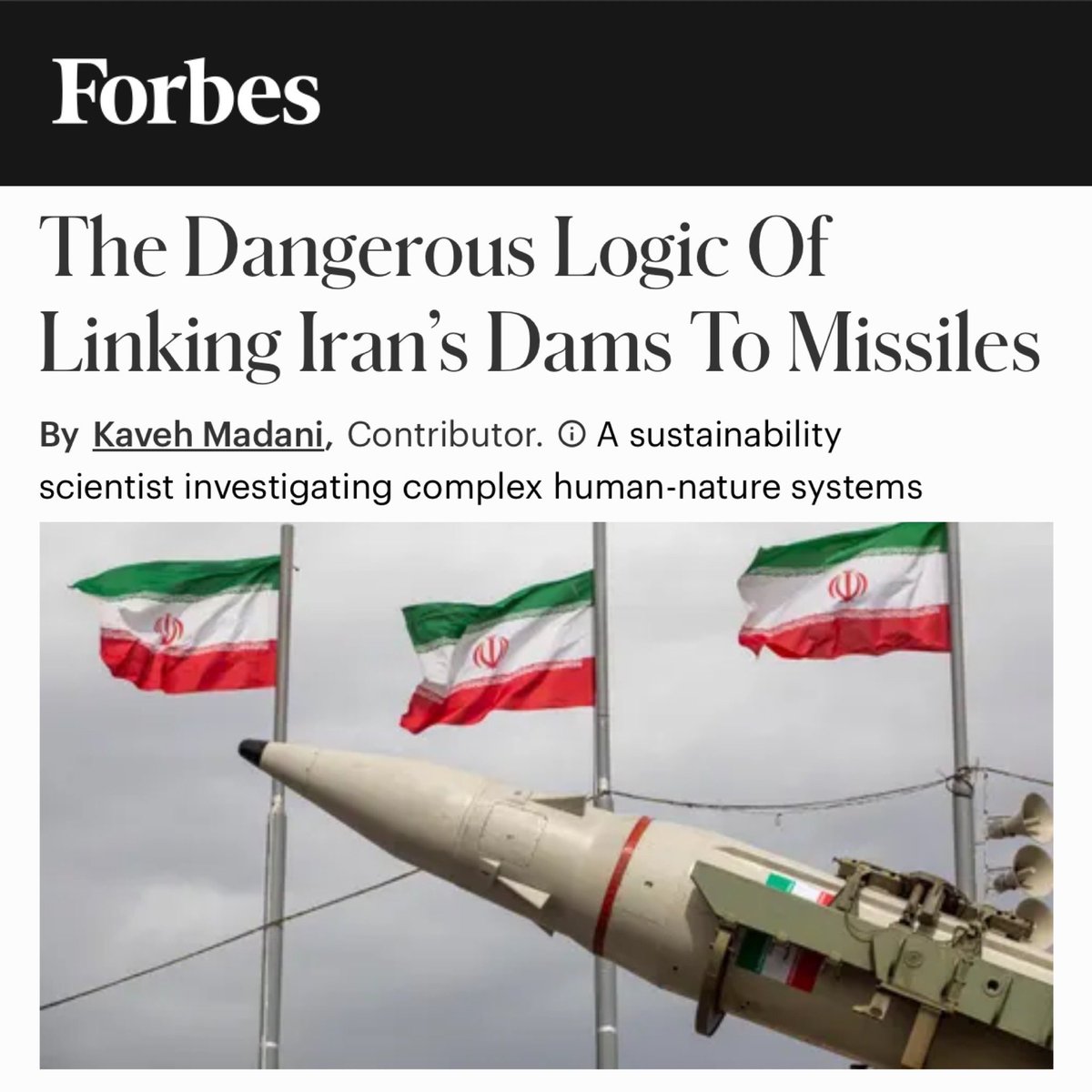
My response in Forbes to the recent New York Times article linking Iran’s dams to missiles, in which I was also quoted, but my comments were unrelated to the alleged connection:
https://t.co/BZFLqO5JDV
Journalism carries a responsibility to distinguish evidence from speculation, especially during armed conflicts when misleading narratives can endanger civilian lives and infrastructure.
This is journalism at its laziest and most dangerous: amplifying anonymous claims about Iran pursuing a “dirty bomb” without presenting convincing evidence. We've seen how intelligence sources make outlandish claims for political purposes and to pave the way for disastrous decisions and wars. Iran has extensive asymmetric capabilities, and it doesn't shy away from using them or bragging about them. But a dirty bomb? This has never been part of its publicly or privately articulated military strategy or even a serious domestic debate. Claims like these should not simply be repeated without extraordinary scrutiny, caution, corroboration, and context. Especially when they risk becoming a prelude to justifying another round of war and attacks on Iran's infrastructure. We've seen this playbook before. Journalists should know better.
https://t.co/uQUcB4TXV3
هر پرسشی ارزش مطرحشدن و تحقیقکردن دارد. اما آیا هر فرضیهای که ارزش تحقیق دارد، لزوماً ارزش انتشار هم دارد؟
درباره گزارش اخیر نیویورکتایمز پیرامون ارتباط احتمالی سدهای ایران و تأسیسات موشکی، یک پرسش مقدماتی دارم: آیا این فرضیه پیشتر بهطور گسترده مطرح بوده و روزنامه درصدد بررسی آن برآمده، یا خود گزارش با اتکا به شباهت دو نقشه و چند قرینهٔ غیرمستقیم، در حال مطرحکردن فرضیهای تازه و اعتباربخشیدن به آن است؟
این دو وضعیت از نظر مسئولیت سردبیری یکسان نیستند.
البته روزنامهنگاری حق دارد فرضیههای تازه مطرح کند و دربارهٔ آنها تحقیق کند. اما اگر پس از تحقیق، جز قرائن غیرمستقیم و امکانپذیربودن یک رابطه، شواهد کافی برای تأیید آن نیافتیم، آیا مجازیم همان فرضیه را با اعتبار نام یک رسانهٔ بزرگ در قالب گزارشی برجسته منتشر کنیم؟
در چنین وضعیتی صرف افزودن عباراتی مانند «ممکن است» یا «هنوز اثبات نشده» الزاماً مشکل را حل نمیکند. باید دید ساختار روایت، تیتر و انتخاب شواهد چه برداشتی در ذهن مخاطب ایجاد میکند.
شاید بد نباشد بهخصوص در مواردی که هدف گزارش، راستیآزمایی ادعایی مطرحشده از سوی دیگران نیست، بلکه خود رسانه در حال معر��ی فرضیهای تازه با چنین ابعاد و پیامدهایی است، به یکی از اصول بنیادین روزنامهنگاری بازگردیم: تأیید مستقل ادعاهای اصلی. همان سنت شناختهشدهٔ ��تکا به دستکم دو منبع مستقل و معتبر؛ البته نه بهعنوان قاعدهای مکانیکی، بلکه برای اطمینان از اینکه فرضیهٔ ما چیزی فراتر از یک حدس جذاب است.
فراموش نکنیم که در کارنامهٔ بسیاری از روزنامهنگاران تحقیقی، در کنار گزارشهایی که منتشر شدهاند، تحقیقاتی هم وجود دارند که هرگز به انتشار نرسیدهاند؛ نه لزوماً چون موضوعشان اهمیت نداشته یا پرسششان بیارزش بوده، بلکه چون گزارشگر با وجود تلاش و پیگیری نتوانسته شواهد کافی برای اثبات ادعای اصلی پیدا کند.
گاهی یکی از دشوارترین و حرفهایترین تصمیمهای روزنامهنگاری این است که از انتشار داستانی جذاب صرفنظر کنیم، چون نمیتوانیم درستی آن را نشان دهیم.
روزنامهنگاری فقط هنر طرح پرسش نیست؛ مسئولیت آزمودن فرضیههای رقیب، سنجش اعتبار شواهد و تشخیص مرز میان آنچه میدانیم و آنچه صرفاً حدس میزنیم نیز هست.
و شاید لازم باشد هر روز این اصل ساده را تکرار کنیم: همبستگی و هممکانی جغرافیایی، بهخودیخود نشاندهندهٔ رابطهٔ علت و معلولی نیستند.
این رو همیشه آویزه گوشتون کنید. مخالفت با جمهوری اسلامی با مخالفت با" ایران" دو مقوله جدا هستند. با جمهوری اسلامی مخالفیم نه با سدها و زیرساختهاش، نه با مردم ایران. استقلال شهروند منتقد از نها�� قدرت صرفا استقلال از سیستم حاکم نیست از هر نهاد قدرت خارجی هم هست. تباه ترین کار، انحراف مبارزه آزادیخواهانه به تخاصم قدرتها در خاورمیانه بود، به عبارتی بازیچه شدن. یک آزادیخواه هیچگاه بازیچه هیچ نهاد قدرتی نمیشود. دشمن دشمن من لزوما دوست من نیست.
پولیتیکو نوشته ایلان ماسک یکی از بزرگترین بازندگان شب انتخابات بود. او حدود ۴۴۶ میلیون دلار هزینه کرد (این بیشترین مبلغی است که تاکنون یک فردِ غیرنامزد در یک انتخابات خرج کرده) اما نامزدهای مورد نظرش بهشدت شکست خوردند و تقریباً در همه جا مغلوب شدند.
این حجم از توحش و سنگدلی که در توییتر میبینم به یاد این جمله هانا آرنت میافتم که «مرگ همدلیِ انسانی نخستین و گویاترین نشانههای فروغلتیدن یک فرهنگ به ورطهٔ بربریت است».
پذیرشش سخت و دردناکه که به ورطه بربریت سقوط کردیم.
Utterly incoherent how he goes from Athens, where he denigrated Persia as the eternal Other in a clash with Western "civilization," to this embrace of Samarkand, a city that's wholly bound up in Persian "civilization," if talking about civilizations is so important to you.
مارکو روبیو یک هفته پس از سخنان تاریخیاش درباره پیشینه جنگهای ایران و یونان در میدان ریگستان سمرقند کنار همسرش و سعیده میرضیایف دختر و رئیس دفتر رئیس جمهور ازبکستان ایستاده است. اگر در راه این سفر، تاریخ سمرقند را گوگل کرده باشد میتوانست درباره ایران چیزهای زیادی آموخته باشد.
.@SenMarcoRubio may have just handed Tehran one of the biggest propaganda gifts of this war and planted a deeply damaging narrative in the minds of Iranians who once viewed America favorably, potentially shaping their perception of the U.S. for generations to come.
Reaching back 2,500 years to invoke Xerxes and the burning of Athens to frame a contemporary war isn’t just lazy history. It’s dangerous politics. Ancient empires fought, destroyed, and conquered one another. Including Alexander's burning of Persepolis.
Dragging that into today’s conflict explains nothing. It just reframes this war as a civilizational clash. And that plays directly into Tehran’s hands. For years, the Iranian government has struggled to convince its own people that the U.S. is not against the regime, but against Iran itself. @marcorubio framing makes that argument for them.
Even many Iranians who despise the Islamic Republic are deeply proud of Iran’s history and identity. Foreign attacks and civilizational rhetoric don’t win them over. They push people away. So instead of isolating the government, this kind of rhetoric helps it rally around nationalist sentiment and resistance. Whatever the intent, the effect is clear. Washington is helping Tehran sell a story that it could never fully sell on its own: That the United States is at war with Iran itself.
At a time when Washington has yet to provide a full public accounting of the strike on a school in Minab that tragically killed more than 168 people on the first day of the war, including 120 children, when 1000s of Iranians have been killed, dozens of Americans have lost their lives, hundreds more have been wounded, and ordinary Americans are paying the economic price of this war, Rubio's attempt to reach back 2,500 years to invoke a clash of civilizations is a stunningly misguided diversion. Rather than answering the most urgent questions why the United States went to war, what it has achieved, and how it justifies the enormous human suffering and destruction it has inflicted- he seems to be searching ancient history for a moral framework to explain a war whose present-day consequences demand accountability.
The question is not what Xerxes did to Athens 2,500 years ago. It is what the United States is doing to Iran today, why it is doing it, and who will be held accountable for the lives destroyed in the process.
We just released a short film on our investigation into the U.S. bombing of the Minab school in Iran in the opening hours of the war on February 28,2026.
The stories survivors, parents, first responders and others shared with us will forever haunt me.
https://t.co/AmNByIdlmz
وزیر خارجه بریتانیا: میخواهم به میلیونها نفر در این کشور و همچنین در دیگر نقاط جهان که از وضعیت مردم فلسطین متأثر و خشمگین شدهاند، بگویم: صدای شما را میشنویم. حق با شما بود.
جیکوب کاکسون پژوهشگر هوش مصنوعی:
امروز از آنتروپیک استعفا دادم. سه سال گذشته را در اوپنایآی و آنتروپیک، به پژوهش درباره پیشآموزش مدلها گذراندم. هیچیک از این دو شرکت مسئولانه رفتار نمیکنند. آنها با شتاب به سوی ساخت ابرهوشی میروند که بتواند خود را بهبود دهد و با جان همه ما قمار میکنند.
قدرت این فناوری را دستکم نگیرید. این سامانهها بهزودی از انسان توانمندتر خواهند شد؛ میتوانند به هر سامانهای نفوذ کنند، هر حوزهای را یکشبه دگرگون کنند و به قدرت و منابع واقعی دست یابند. همه ما پیشرفت آنها را در تکتک این زمینهها دیدهایم و این پیشرفت آهسته نشده است.
کسانی که هوش مصنوعی را میسازند، واقعاً باور دارند که این فناوری ممکن است تا پای��ن دهه جاری همه ما را نابود کند. این یک ترفند تبلیغاتی نیست. بسیاری از مدیران و پژوهشگران ارشد در گفتوگو با رسانهها، محتاطانه حرف میزنند تا منطقی و متعادل به نظر برسند اما من در محافل خصوصی از زبان همین افراد نگرانی و ترس را میشنوم. هیچ فعالیت انسانی دیگری چنین سطحی از خطر را ایجاد نکرده است.
معمولا گفته میشود: «اگر واقعا اینها چنین باوری دارند، چرا همچنان توسعهاش میدهند؟»
در اوپنایآی، بسیاری هنوز ابعاد تمدنی این خطر را عمیقا درک نکردهاند. در آنتروپیک، اهمیت خطر بهخوبی فهمیده شده است؛ اما این شرکت در رقابتی گرفتار شده که میخواهد در آن زودتر از دیگران به مقصد برسد. آنها معتقدند چون هیچکس دیگری مسئولانه عمل نخواهد کرد، باوجود خطرها، خودشان باید این کار را انجام دهند.
پذیرفتن این رقابت و ورود به مرحله «بازی پایان��»، قماری متکبرانه و خطرناکی است که نباید در پیامرسان داخلی یک شرکت خصوصی درباره آن تصمیم گرفته شود. تلاش برای حل شتابزده مسئله همترازی هوش مصنوعی، مستلزم اطمینانی فوقالعاده بالاست؛ اطمینان از اینکه هیچ مسیر بهتر دیگری وجود ندارد.
من به وجود امکان هماهنگی خوشبینم. هشدارهایی مانند حمله به «هاگینگ فیس»، امکان دستیابی آزمایشگاههای آمریکایی به توافقهایی برای کنترل سرعت توسعه را بیشتر کردهاند. بااینحال، من احساس نمیکنم در مسیری باشیم که بشود از شکلگیری رقابتی جهانی جلوگیری کند. جلوگیری از چنین رقابتی شاید مستلزم اقداماتی پرهزینه، مانند ممنو��یت موقت افزایش توانایی مدلها، باشد.
اگر پژوهشگر یکی از آزمایشگاههای هوش مصنوعی هستید، از شما میخواهم جدی فکر کنید که چند سال آینده در عمل چگونه خواهد بود. آیا میخواهید بدون شناختی دقیق و قابلاتکا از ذهن یک سامانه، فرایند آموزش تقویتی یک ابرهوش را آغاز کنید؟
آیا باید فقط سرتان را پایین بیندازید و به کار ادامه دهید، چون «در هر صورت اتفاق خواهد افتاد»؟ یا باید از همین فرصت استفاده کنید و خواهان شرایط متفاوتی برای ادامه این مسیر شوید؟