@soubinho7 Surtout misye pa yon merde. Haaland paka ap tann yon balon pou misye fè tintin sa avèl .. mwen entreneur mwen retire-l aprè aksyon an . Yon merde ou pa ye
@thenowhereway Great.. I sometimes plan with Claude but do all my execution in Codex.. Codex’s computer/browser use is flawless.. loop engineering can go on for days of work ..
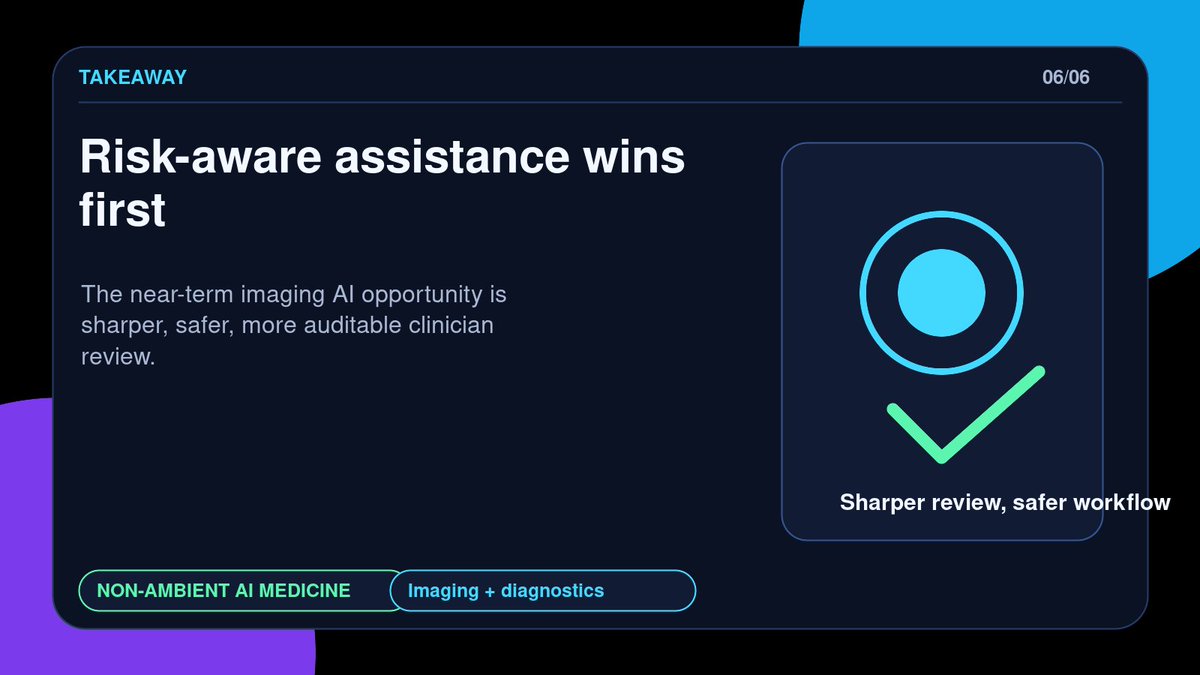
Physician-builder takeaway:
The near-term win in medical imaging may be risk-aware assistance for specific decisions, not autonomous diagnosis.
AI should make the clinician’s review sharper, safer, and easier to audit.
AI in medicine is not just notes.
A fresh systematic review looked at AI for a very concrete imaging task: mapping the mandibular canal before third-molar surgery.
That matters because a missed nerve-risk signal can change the plan.
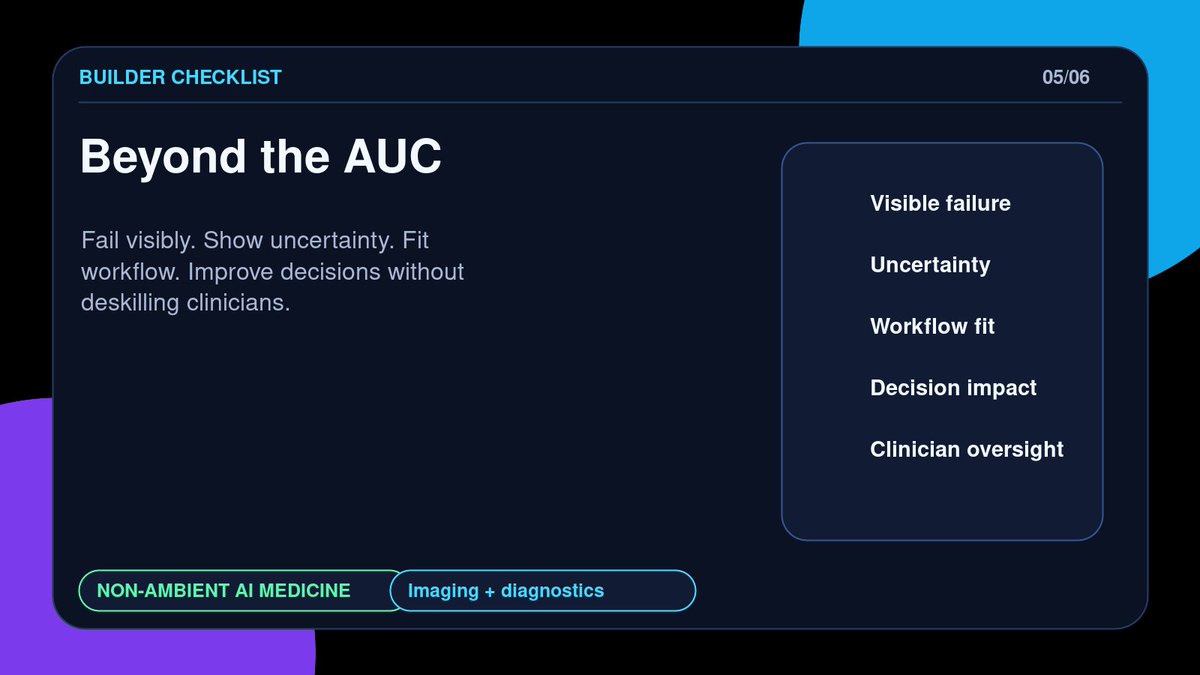
For builders, the product question is not only “what is the AUC?”
It is:
• does it fail visibly?
• does it show uncertainty?
• does it fit the radiology/dental workflow?
• does it improve decisions without deskilling clinicians?
Gianni Infantino has said FIFA will examine expanding the World Cup by a further 16 nations to a 64-team tournament ahead of its next edition in 2030.
The 2030 tournament will be spread across six nations and three continents: Uruguay, Argentina and Paraguay are scheduled to host one match apiece at the start of the competition, with the remaining games split between Morocco, Portugal and Spain.
More from @Millar_Colin
🔗 https://t.co/04djevyWqa
Physician-builder lens:
The next serious patient-facing AI products will not just answer questions.
They will know when not to answer, when to escalate, what source to cite, and how to fail safely.
That is the bar for health AI outside the exam room.
Patients are already asking LLMs health questions.
A new BMC Oral Health study is a useful safety signal: 2,700 AI answers to dental questions, reviewed by dentists, across English and Polish.
The uncomfortable result: guardrails changed the risk profile a lot.
What patient-facing medical AI needs:
• trusted retrieval
• red-flag escalation
• uncertainty language
• local language validation
• clinician review for high-risk use
• monitoring after launch
Do not confuse a friendly answer with a safe clinical workflow.