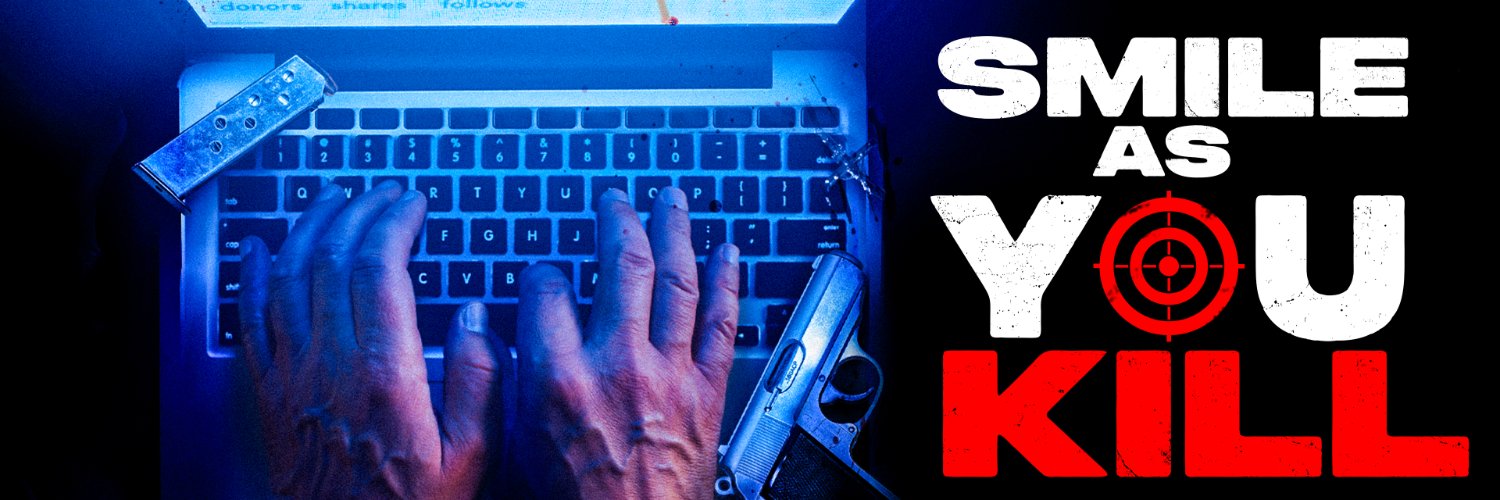
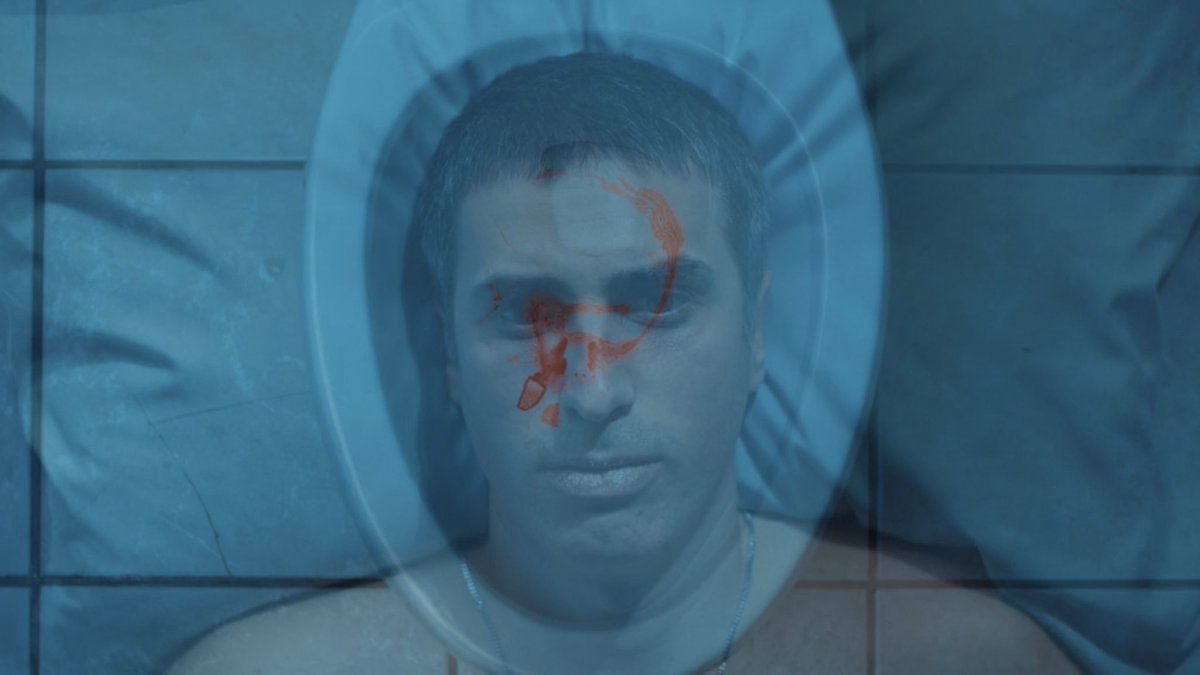
"SMILE AS YOU KILL" is now available on VOD.
If you like contained crime thrillers with dark comedy, this one is for you.
STORY: A sick man kidnaps a hotshot advertising director and forces him to create an online campaign for treatment. With both of their lives at stake.
Please consider renting or purchasing it. Yes, there are tons of free movies to stream, but none feature two men bickering over a crowdfunding ad at gunpoint.
I got to work with a talented team of people, and we completed the entire shoot in 12 1/2 days. The two co-lead performances got recognized for their intensity, and we also picked up several "Best Feature" awards on the regional festival circuit.
If you enjoy the film, please give it a rating, leave a review on @letterboxd, @RottenTomatoes, @IMDb, and consider sharing it with others.
Word-of-mouth is the only way indie films like this one can get noticed. With the recent assassination of the UnitedHealthcare CEO, I believe the film certainly captures the anger and desperation shared by far too many people.
Thank you for checking it out, if you've made it this far. Film is available on @PrimeVideo, @FandangoNOW, @GooglePlay, @AppleTV, XBox movies, and DVD.
"there's room at the top
they are telling you still
but first you must learn
how to SMILE AS YOU KILL"
- John Lennon, 'Working Class Hero'
#filmtwt #FilmTwitter #WritingCommunity
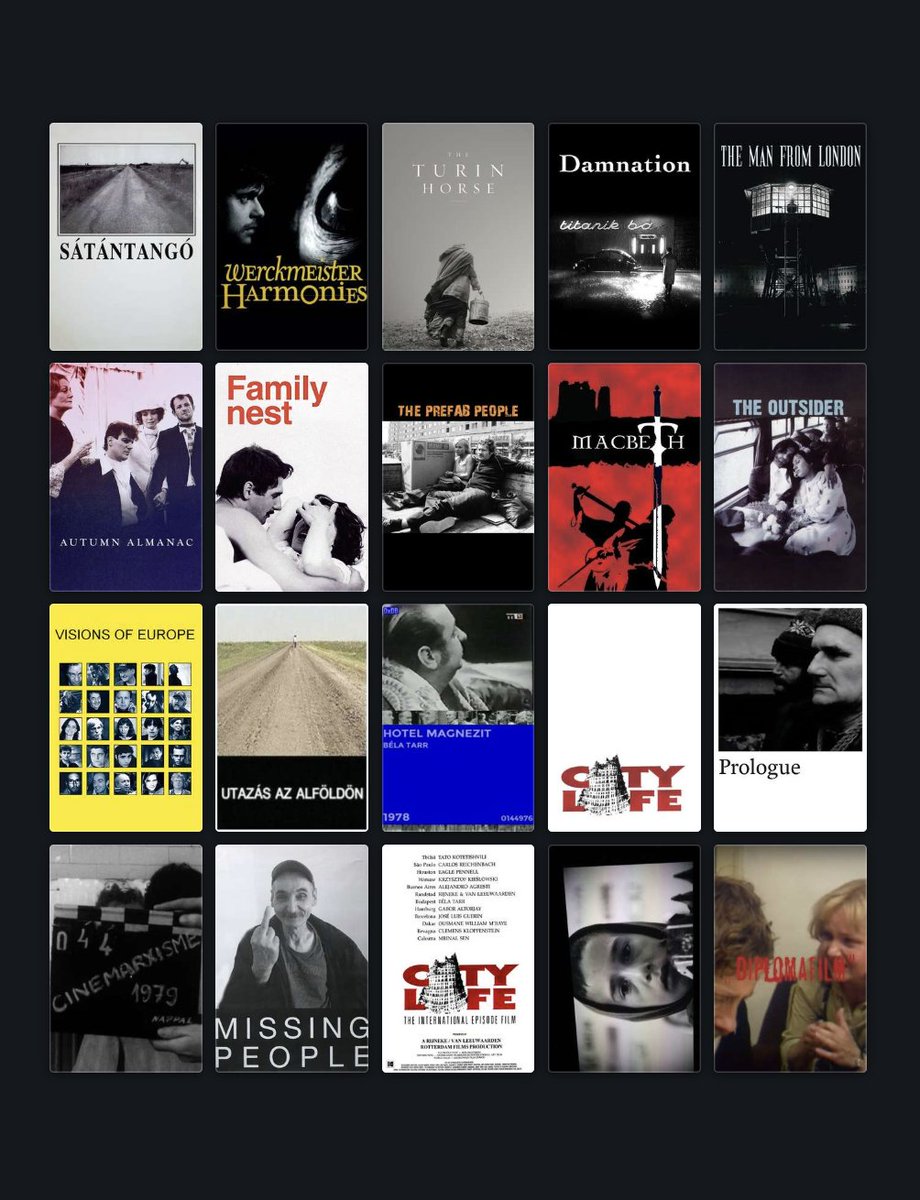
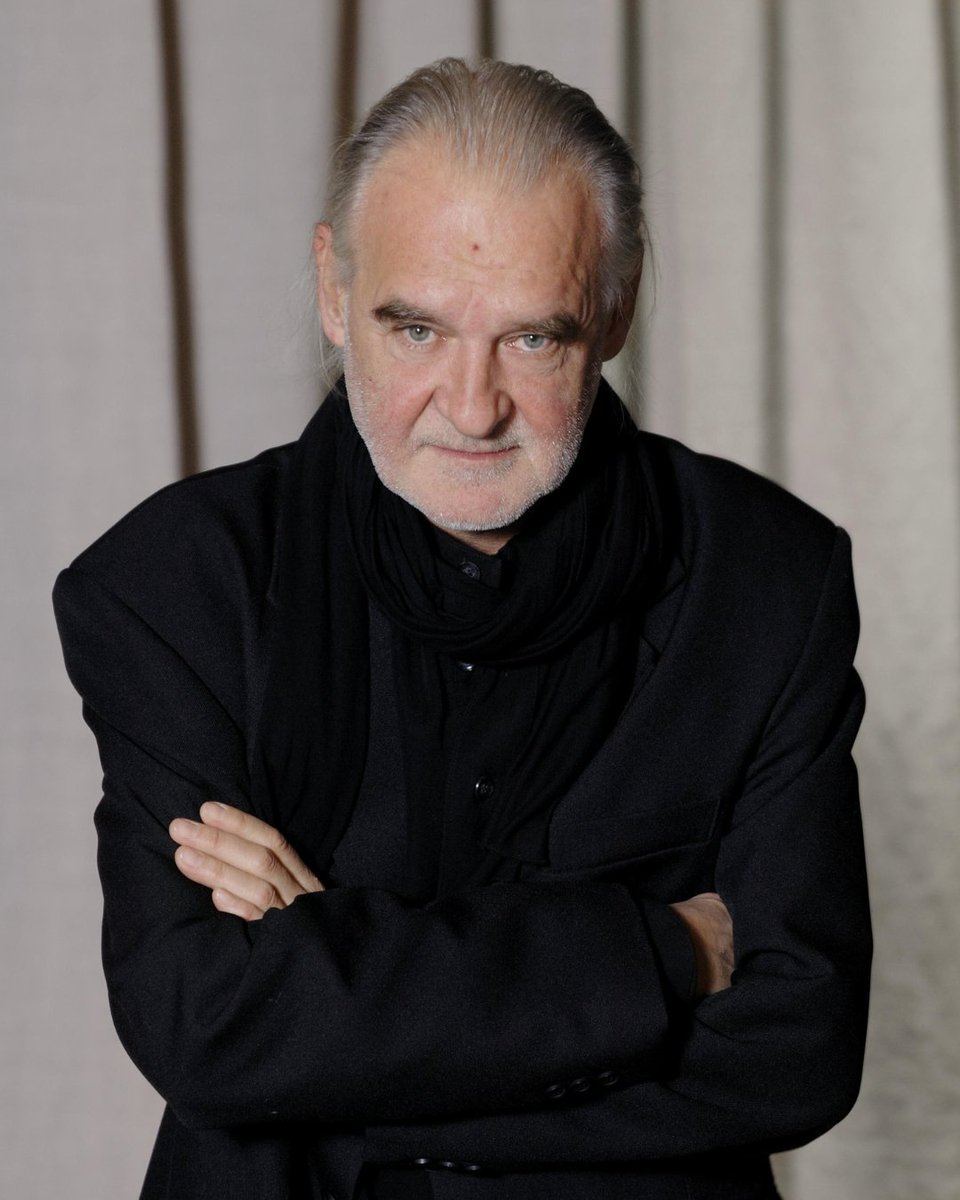
RIP Béla Tarr.
His films, particularly starting with “Almanac of Fall”, perform like magic. For most filmmakers, I understand how their movies work. Storytelling beats, editing rhythms, characterizations.
Not with Tarr.
I still cannot place why his films are so engrossing, so instantly captivating. The way his work transports the audience into rich worlds with a unique tone of dread and existential irony that is all his own.
Sometimes, those worlds are dirty and muddy and real. Other times, those worlds are dirty and muddy and allegorical.
But I still cannot explain why a ten-minute shot of cows or a 6-minute death march of a horse is such effective filmmaking.
Of course, Tarr also had his top-notch collaborators. Hranitzky, Vig, Krasznahorkai. That doesn’t take away from the pure vision that infused his work.
His films not only captured the mystery of the human condition, they captured the mystery of filmmaking itself.
“Sorry, Baby” balances between poles at precisely the right moments. Specificity and universality. Awkward dry humor and honest pathos. Unconventional chronology and perfect story construction.
Real deal indie filmmaking.
“Werckmeister Harmonies”
Encapsulates the tone, theme, setting, pace, and lead character in a single masterpiece of a scene with perfect blocking and choreography.
A lot of us said at the time that the Luigi Mangione story sounded like a Paul Schrader film but this is starting to get a little ridiculous. https://t.co/icIr2wKGxg
Watched “Birth” for the first time on Kanopy.
Thought I’d be a special unique person to say this is a masterpiece, but apparently the word is already out.
Have you watched the film ‘Sátántangó’ based on 2025 literature laureate László Krasznahorkai’s novel?
The novel portrays, in powerfully suggestive terms, a destitute group of residents on an abandoned collective farm in the Hungarian countryside just before the fall of communism. Silence and anticipation reign, until the charismatic Irimiás and his crony Petrina, who were believed by all to be dead, suddenly appear on the scene. To the waiting residents, they seem as messengers either of hope or of the last judgement.
The satanic element referred to in the title of the book is present in their slave morality and in the pretences of the trickster Irimiás which, effective as they are deceitful, leave almost all of them tied up in knots.
Everyone in the novel is waiting for a miracle to happen, a hope that is from the very outset punctured by the book’s introductory Kafka motto: ‘In that case, I’ll miss the thing by waiting for it.’
The novel was made into a highly original 1994 film in collaboration with the director Béla Tarr.
One of my best theater experiences.
In 2008, lost footage was discovered for Fritz Lang’s “Metropolis” almost 80 years after the film released.
In 2010, the film was restored. I saw the North American premiere of that cut at the Chinese Theatre with a live score by the Alloy Orchestra.
The WWII movie with Max Hubacher. The end isn’t exactly bloopers, but it features the Nazi characters in costume as they drive around in current times to stop ordinary people.
Almost certainly staged, but it’s played like a bizarre post-credits sequence. Your post made me think of it.
Sometimes I’m watching a movie, and it’s so good by the midpoint that I get anxious if it’ll stick the landing.
Pleased to report “Valley of the Bees” lands the plane. What a picture.
@Comrade_Yui His treatment of space even elevates a contemporary setting to an almost anthropological arena for his domestic observances.
I’m a huge advocate for the undersung “Café Lumiére.” Desperately want a good blu ray of that one.