The 2026 AP English Literature and Composition Exam scores:
5: 16%; 4: 26%; 3: 31%; 2: 16%; 1: 11%
The 2026 AP English Literature and Composition Exam was taken by ~440,000 students, about 3% of the U.S. high school population.
As an avid reader and former English major, I’m always eager to see which novels and plays students select from their AP English Literature and Composition courses as the focus of their AP Exam essays.
Throughout the course, teachers and students dedicate significant time to in-depth readings of novels and plays so that they have a repertoire of full-length works to draw upon when confronted with an essay topic that is not pre-announced.
Here are the top 6 works students most frequently selected as the focus of their essays this year, after the topics were revealed during the exam (topics vary by time zone):
In alphabetical order:
• Death of a Salesman
• Fences
• Frankenstein
• The Great Gatsby
• Romeo and Juliet
• Their Eyes Were Watching God
Other novels AP students frequently focused their essays on this year include: Animal Farm; Anna Karenina; Beloved; Bless Me, Ultima; Brave New World; Ceremony; Crime and Punishment; Divine Comedy; Great Expectations; The House of Mirth; Invisible Man; Jane Eyre; King Lear; Les Misérables; Macbeth; The Metamorphosis; Native Son; Nineteen Eight-Four; Othello; Pride and Prejudice; Song of Solomon; The Awakening; The Scarlet Letter; Things Fall Apart; and Wuthering Heights.
AP English Literature Multiple-Choice Questions (MCQ):
Students scored highest on questions about long works (novels and dramas); 16% of students – generally, the students achieving AP 5s, answered all of these questions without missing a single point, and students achieving AP 3s and AP 4s answered most of these questions correctly.
The most challenging genre was poetry, but many students nonetheless demonstrated strong abilities to analyze such complex and compact use of language: students achieving AP 3s and 4s and 5s answered most of these questions correctly.
The single strongest skill students demonstrated was analyzing the function of word choice, imagery, and symbols: students achieving AP 4s and AP 5s typically earned perfect scores across this body of questions, while students earning AP 3s generally missed no more than a single point on these. This skill of close reading is at the heart of literary interpretation, and indicates that successful AP English Literature students are reading for how a text creates meaning, not just what it says. Kudos to these teachers and students for the time and care spent working across such a variety of novels, plays, poems, and short stories to develop this skill.
AP English Literature Free-Response Questions (FRQ):
https://t.co/78VPI90tKw
The three free-response questions span the range of literary analyses: a poetry analysis, a prose fiction analysis, and an open literary argument. In the two hours allotted to this section, students seeking a score of 3 or higher needed to read several pieces of literature and then produce three complete, evidence-based analytical essays — each one demanding a defensible interpretation, well-chosen textual evidence, and clear reasoning about how an author builds meaning.
So: very big congratulations to the students who succeeded on this exam. Students closely analyzed a 1984 poem and a 2010 novel passage they had likely never seen before, and then argued an interpretation of a major work of fiction entirely from memory. This is rigorous, traditional literary study: thesis, evidence, and interpretation, performed three times over in 120 minutes, thus generating significant evidence of the student’s skills.
I also love that the committee anchored these prompts in texts of real literary merit and genuinely human subject matter — a runner’s fleeting memory of a sister, a child who tastes her mother’s hidden sadness in a birthday cake, and the timeless tension between old ways and new — the kind of material that has always been at the center of serious study of literature.
Another important consideration for the committee that designs the exam is selecting rich texts that have not been widely read in classes worldwide, as one of the most important aspects of the AP Exam is determining whether students, without coaching from a teacher or AI, can read a literary text they’ve never seen before and interpret it with sound evidence and reasoning.
Since AP scores are reported on a 5-point scale, the rubrics for these essays deliberately include some advanced points, designed to differentiate AP 5s from AP 4s, points of varying difficulty to separate AP 4s, 3s, and 2s, and more foundational points to distinguish AP 2s from AP 1s.
FRQ #1, the “Marking Time” Poetry Analysis, asked students to read Christopher Gilbert’s 1984 poem — in which a speaker observes his surroundings during a morning jog — and analyze how Gilbert uses literary elements and techniques to convey the speaker’s complex reflections. Each essay is scored across three rows: a thesis point, up to four points for evidence and commentary, and a single sophistication point.
Nearly all students (94%) earned the thesis point by establishing a defensible interpretation — a foundational skill, and one of the points that helps separate AP 1s from AP 2s (only the lowest performers did not establish a workable claim).
The extent to which students utilized literary evidence effectively and crafted substantive commentary distinguishes students achieving AP 3s, 4s, and 5s, from students receiving AP 2s, who typically earned 2 points for the quality of their evidence and commentary, whereas students receiving AP 5s earned all points possible for the textual evidence they identified and cited, and the commentary they crafted to make their argument clear and powerful for readers.
FRQ #2, the “Lemon Cake” Prose Fiction Analysis, presented a passage from Aimee Bender’s 2010 novel The Particular Sadness of Lemon Cake, in which a narrator discovers she can taste the feelings of the person who prepared her food. Students analyzed how Bender conveys the narrator’s complex experience of eating a cake made by her mother — a passage rich in tone, imagery, and shifting emotion.
93% of students earned the thesis point, again showing that students reliably develop their essays around a defensible interpretation.
So it’s the use of evidence and commentary that most determines whether students will attain a score of 3 or higher. As with FRQ #1, students receiving AP 2s typically earned 2 points for the quality of their evidence and commentary, whereas students receiving AP 5s earned all points possible for the textual evidence they identified and cited, and the commentary they articulated throughout their essay.
FRQ #3, the Literary Argument on the Tension Between the Old and the New, asked students to choose a novel or play and analyze how the tension between old and new contributes to the work’s overall meaning. Crucially, students wrote this essay about a full-length work entirely from memory.
Many students performed very well on this essay, the highest scoring of the three on this year’s exam.
91% of students earned the thesis point, demonstrating that they could commit to an interpretive argument about a self-selected text — a hallmark of independent literary thinking.
Where the students gained points in comparison to FRQ 1 and FRQ 2 was in their use of evidence and the quality of their commentary, with the majority of students earning 3+ points here.
In addition, the point for sophistication was earned by about 8% of students on this essay — the most on any of the three essays, yet still rare enough to sharply distinguish AP 5s.
Across all three essays, students achieving an AP 5 typically earn at least one point for sophistication, remarkable since these are timed essays without the opportunity for additional reflection or revision (which is why this additional citationpoint is not required across all three essays to earn an AP 5).
All subjects’ AP score distributions for 2026 will be posted here when available: https://t.co/OrkaQhPZYO.
What a fun end to this group of 9th grade Humanities students’ school year! Love a good paper plate award and the camaraderie that was showcased in our last class together today 🥰 @FchsHumanities
FYI, New UGA Admissions blog post is up, https://t.co/c0Rqb9D7ON. UGA has a firm fall freshman enrollment number of 6,200 students. As such, we will need to be cautious with final offers and we expect to use the Wait List to get to that 6,200 number so we don't over-enroll.
This is one of my favorite C-House traditions! These banners make me so proud of the hard work my students put in to our class- it pays off! @ForsythCHS
This trio had a blast at one of my favorite events- Winterfest! We loved all of the decor and activities 🎄♥️ so proud to be a part of a community that fosters that family feeling #heartofforsyth@ForsythCHS
What a delightful surprise my 6th period Humanities Seniors had for my welcome back today 🥰 this group has always been so thoughtful and knows how to make a teacher feel special! @FchsHumanities
It’s the end of the year, so that means student created review games to prepare for our AP lit exam! Frankenstein and Brave New World are up first and these students were so creative with what they made for their classmates 🙌🏼📖📝
We had a blast at The Heart of Forsyth festival this afternoon! What a great representation of everything that makes the Central cluster so wonderful 🥰🐾🐶♥️
Good luck to all the UGA applicants who will be receiving decisions this afternoon! This year's applicant pool was both very large and academically strong, and we enjoyed reading all of your applications. I know you'll find a great college home, whether it's at UGA or elsewhere!
When you keep the directions vague enough for creativity but direct enough for in depth analysis 🙌🏼 these AP lit seniors presented creative character analyses ranging from crime scene investigating to skits to musical parodies! I am always impressed with their insight 🧐📖🎭🎶🕵🏼
It is permissible in English for a preposition to be what you end a sentence with.
The idea that it should be avoided came from writers who were trying to align the language with Latin, but there is no reason to suggest ending a sentence with a preposition is wrong.
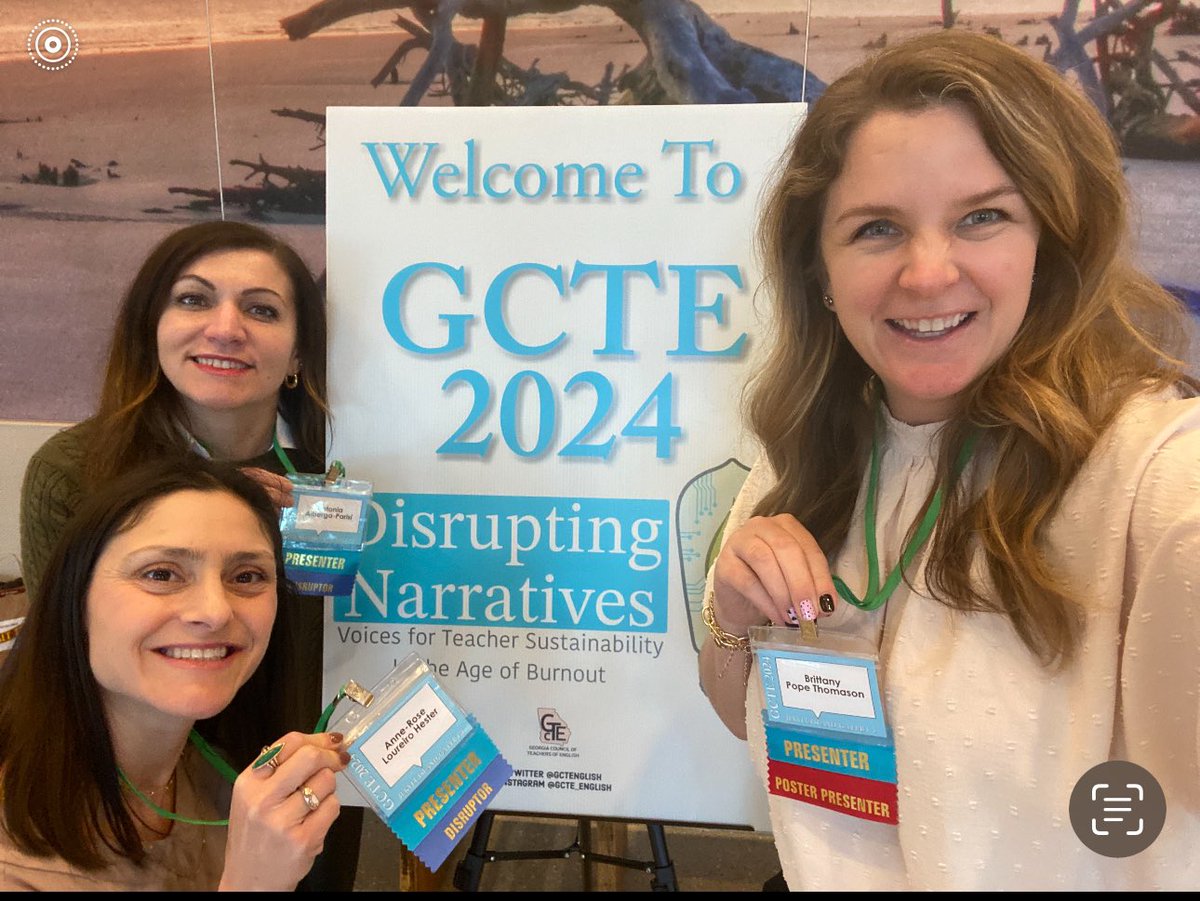
It’s always inspiring to be surrounded by fellow teachers who are as passionate about education as we are! Thank you @GCTEnglish for providing us with both the opportunity to present and learn! @MsBPopeThomason@AR_Phd
Just read an interesting and powerful essay from our "share a book that has impacted you" question - Grandmother's recipe book. Let her connect with her culture, family, etc. There is no "right" book to select, just one that impacted you personally and helped you to grow.
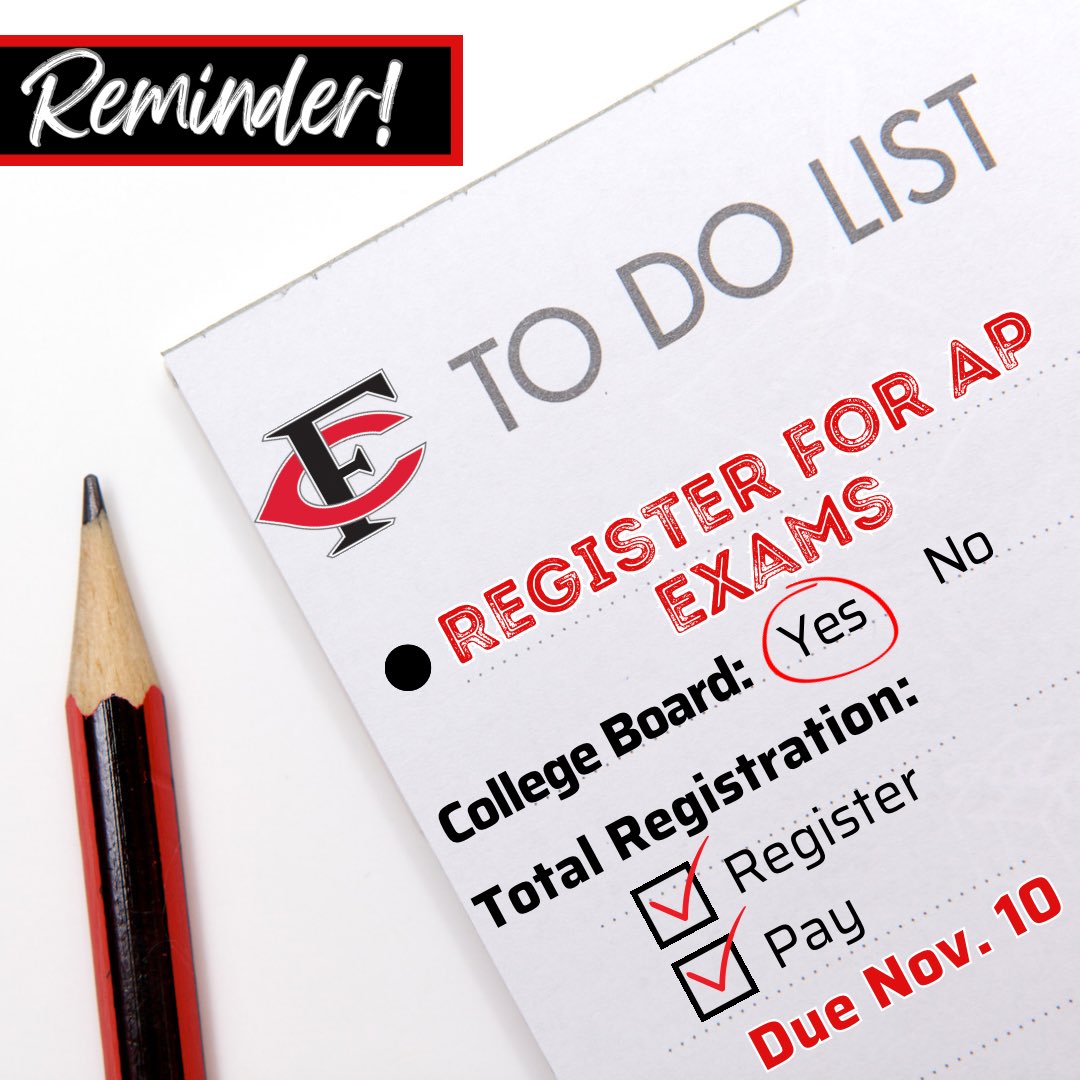
Parents and AP Students! 📝Don’t forget that the deadline to register and pay for AP exams is next week. Select “Yes” in College Board and then register and pay through Total Registration by November 10 🗓️ to avoid late fees. #chouse
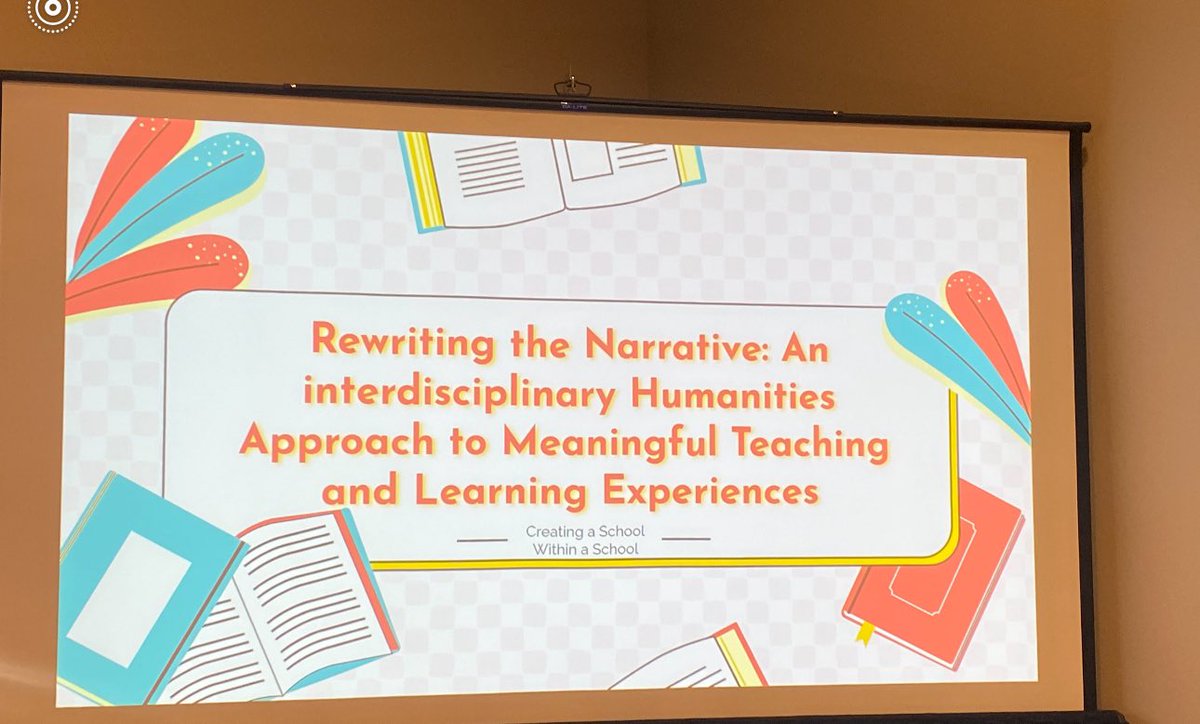
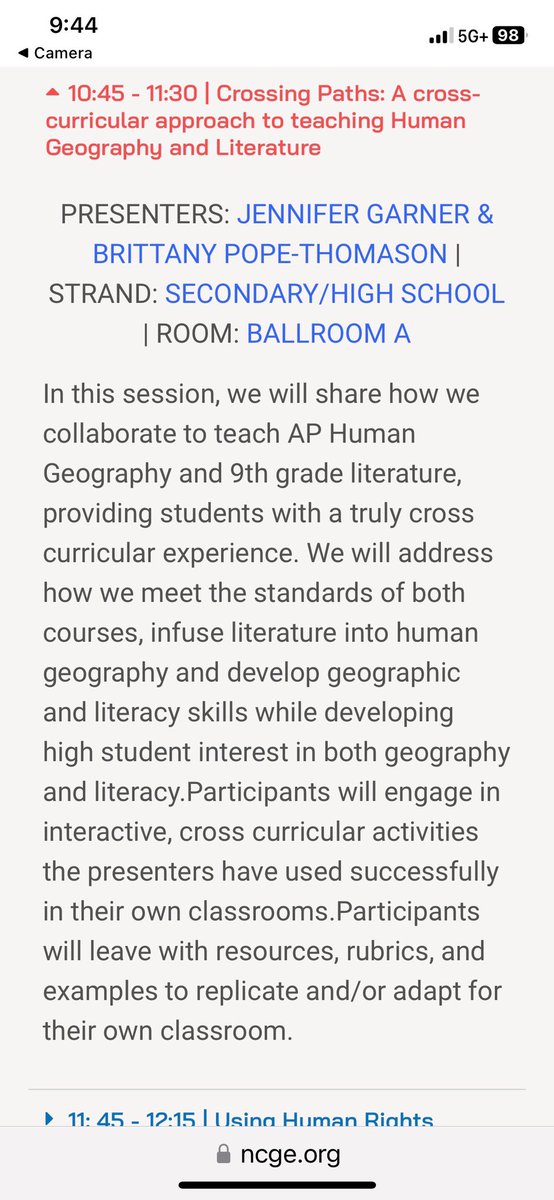
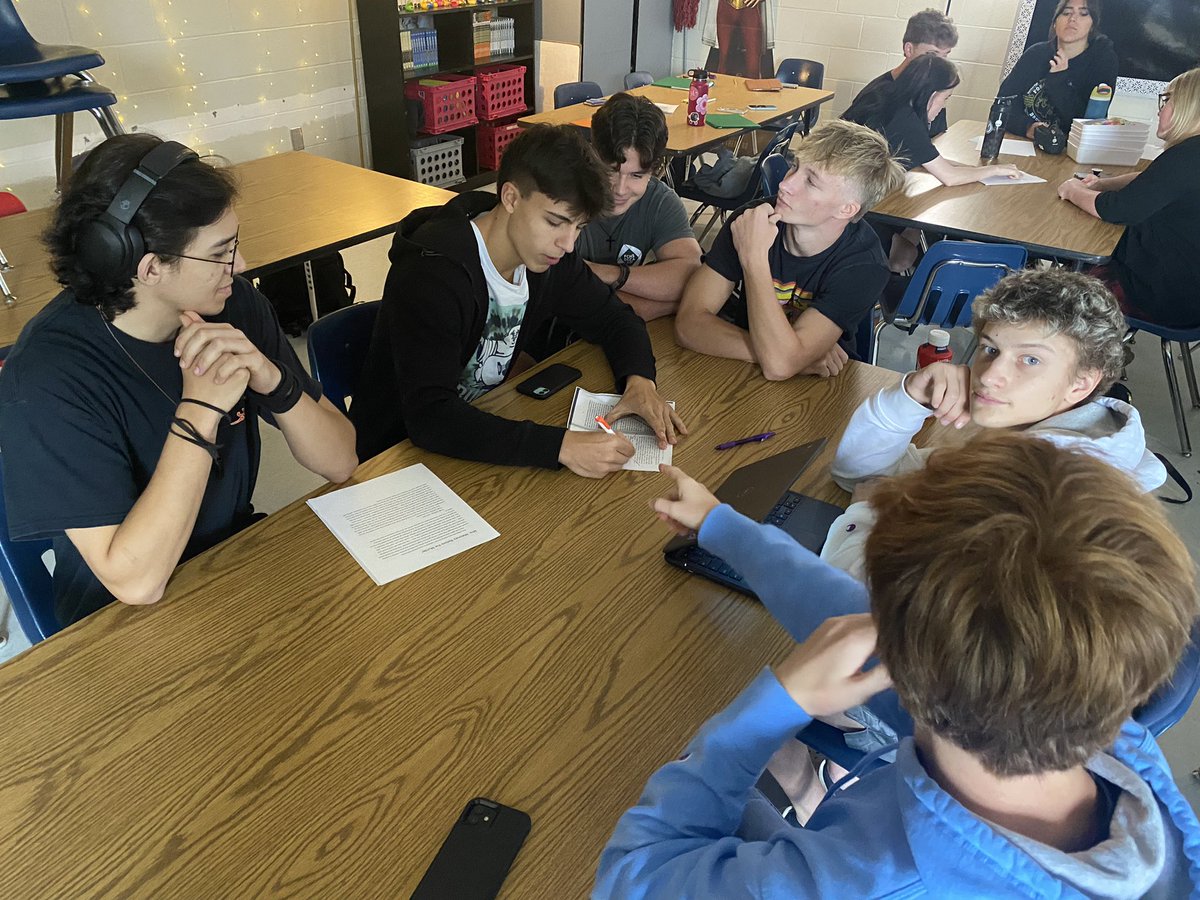
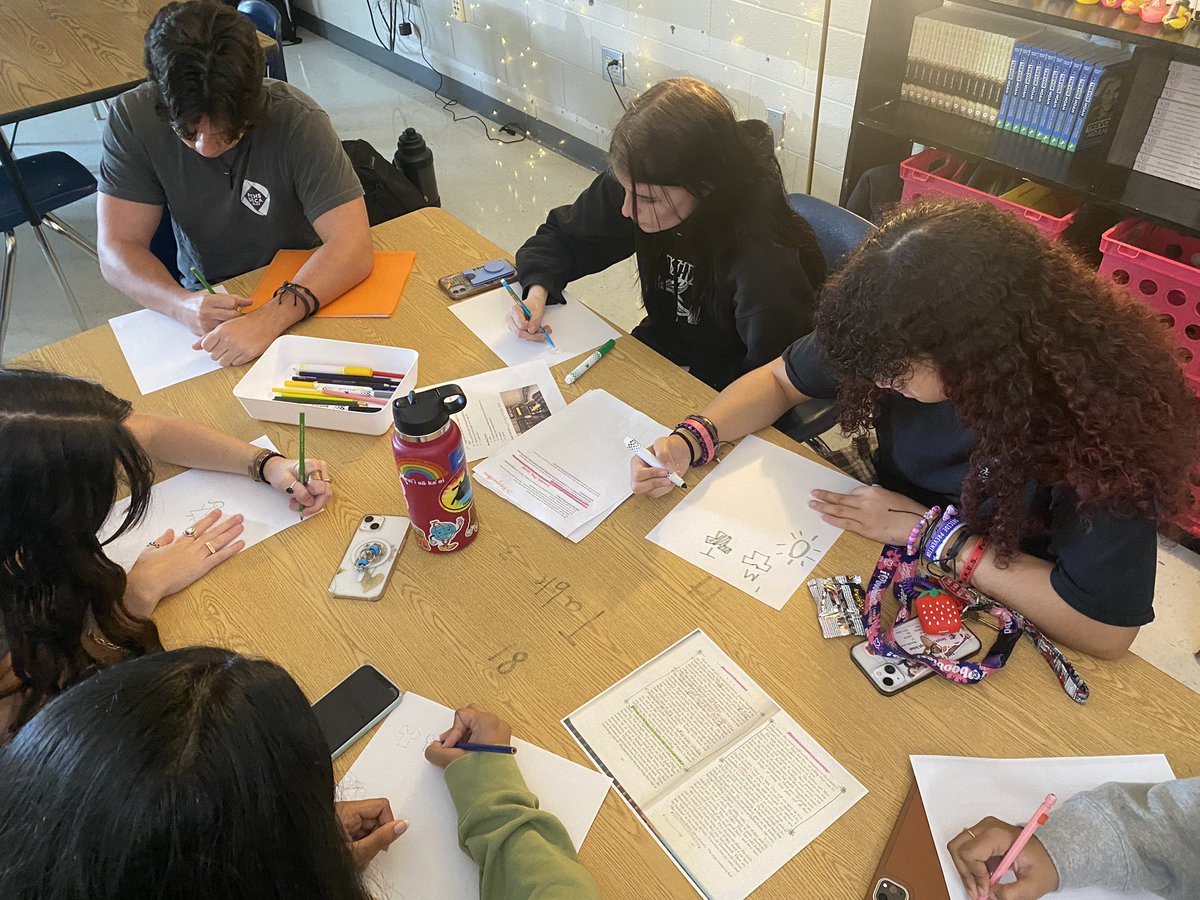
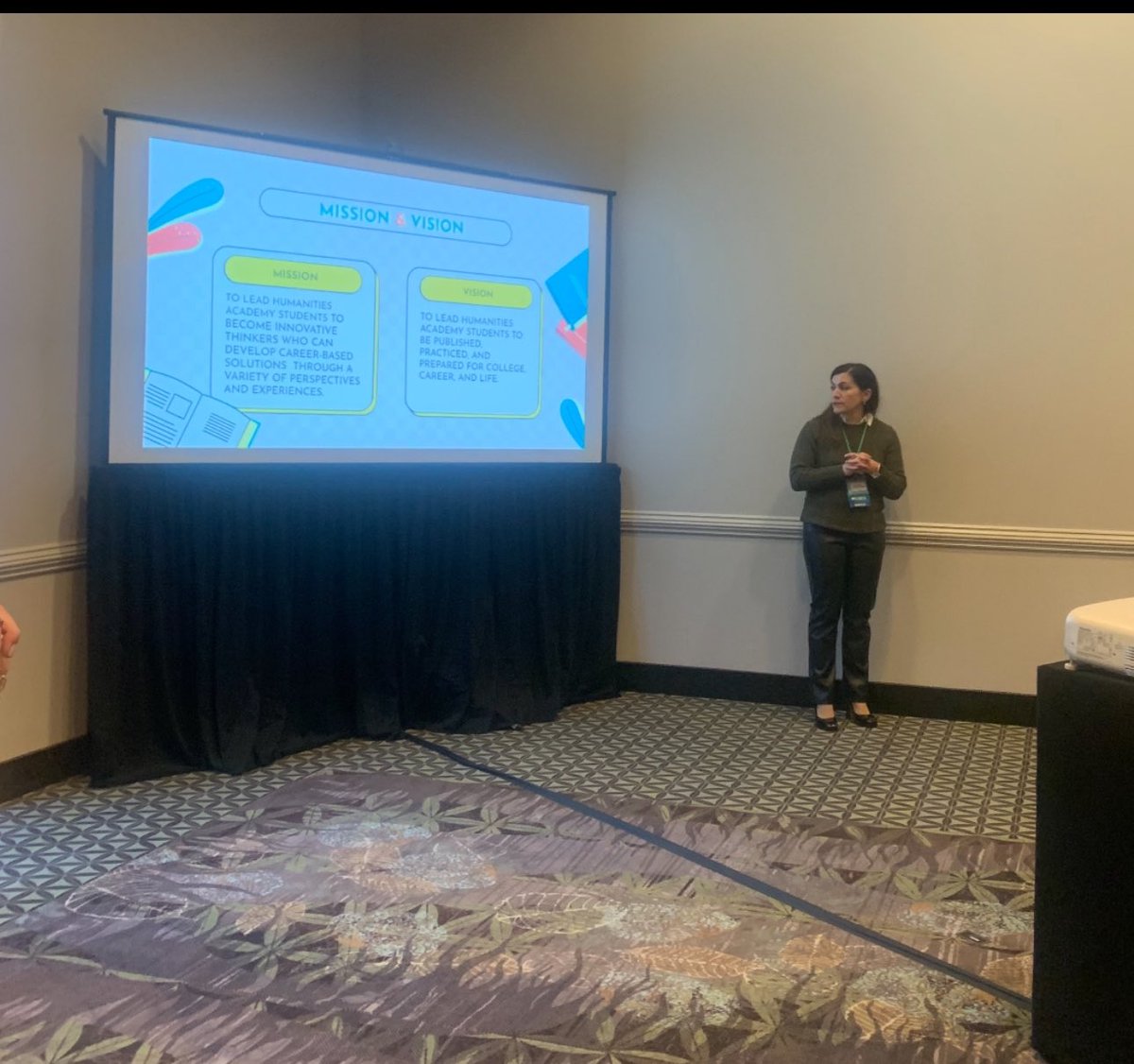
@jmgarner2003 and I are so excited to present at @NCGE1915 this morning! We’re happy to share the creative and unique approaches we get to take in our @FchsHumanities academy with other educators 🥳🎓🗺️📖
Obsessed with the mini lessons my AP lit seniors created and delivered over the last two days 🙌🏼 they demonstrated mastery of various lit devices, tone, and theme all through short stories of their own choosing 📖📝🎓 oh, and they were super creative too!