The next phase of AI isn’t just digital. It’s physical, hands-on, and human. 👷🏻♀️️
Last month, we shared our extended partnership with @NABTU—and we’re continuing that work to bring no‑cost AI training to workers across the trades.
Learn more: https://t.co/juji8rM0NU
AI is spreading fast—but not in the same way everywhere. New data shows how adoption differs across US communities, and how AI is being used in work, security, agriculture, and emergency response.
📩 Read the full newsletter and subscribe to stay informed: https://t.co/O9tQcwXA0H
This executive order is an important step toward advancing innovation while protecting the security of the American public. We welcome this effort by the Administration. https://t.co/f58n9EILCL
How AI spreads will shape who benefits.
This episode of Tools and Weapons looks at what that means for countries, businesses, and workers—and why today’s decisions matter.
▶️ Watch the full episode: https://t.co/NmMp5peyvH
One of the things I'm proudest of in Quincy is what these careers have opened for people, both at @Microsoft and alongside us. Local students can train through the state's first high school data center technician program, keeping careers, and families, close to home.
Twenty years ago, @Microsoft broke ground on our first data center in Quincy, Washington. At a time when so many small towns have been shrinking, Quincy has grown, and the partnership behind that story is one worth telling. Watch how a farm town in Central Washington helped build the cloud, and built a thriving future of its own.
As AI infrastructure expands, how it’s built matters.
From hydrogen pilots to lower-carbon construction, new efforts are helping bring energy and industrial innovations into real-world use through datacenter growth.
🌍 Learn more in this month's Sustainably Speaking: https://t.co/K7TRpfwuO5
Where you live can shape how AI shows up. Our new US AI Diffusion Report reveals patterns across states and communities—from differences between urban and rural areas to how it’s spreading unevenly across the country.
Read more: https://t.co/rdRFzOvIGn
Across Africa, many languages are still missing from today’s AI systems. That gap can limit access to education, healthcare, and public services.
LINGUA Africa supports African‑led projects building open language data and tools people can actually use.
🌍 Learn more: https://t.co/XUf8R720pC
Ransomware is a real risk, but organizations are getting better at protecting themselves. They’re building resilience and working to respond faster and limit disruption—even as attacks become more organized. 5 things to know: https://t.co/VNIxfG72LZ
Collaboration between Microsoft, Taylor Geospatial, and partners is making global field boundaries openly accessible. Analysts can now track farmland changes worldwide, supporting decisions on food security and climate—from South Africa to Iowa.
Explore our interactive map: https://t.co/ns7N9Kr97u
We trust software in seconds—based on labels like “verified” and “safe to install.”
Those labels can be manipulated.
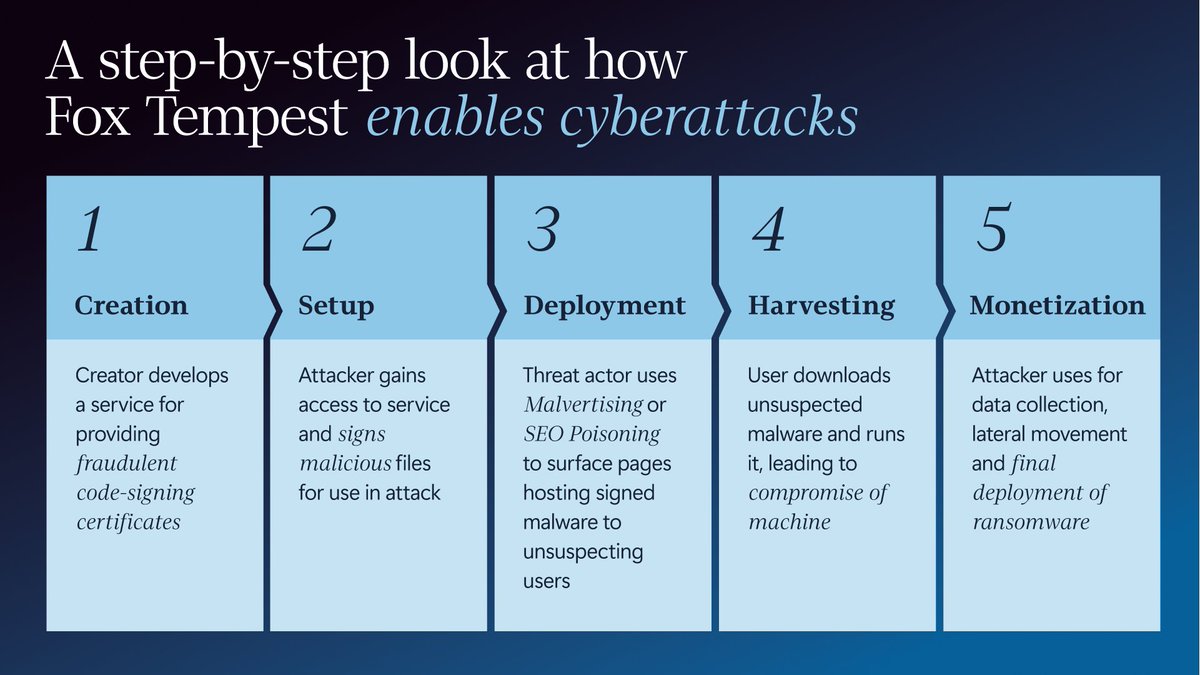
Fox Tempest exploited that trust, making malware appear legitimate and enabling ransomware.
Microsoft disrupted the service, seizing infrastructure and limiting its reach. https://t.co/TWe5bCBMPU
Reducing plastic isn’t a single breakthrough—it’s the result of many decisions across teams.
From design to the supply chain, Microsoft teams are working to build more sustainable packaging from the start.
Here’s a look at the people helping drive that progress: https://t.co/vI9mhSlIrZ
.@Microsoft calls for ransomware on civilian infrastructure to be treated as potential crimes against humanity. Stronger global rules and cross-border enforcement are essential.
Explore how we’re working to advance accountability and enforcement: https://t.co/qwnzdzy71y
Ransomware isn’t just about digital disruption. It can threaten lives. When hospitals, emergency responders, or local governments are hit, public safety and critical services are on the line.
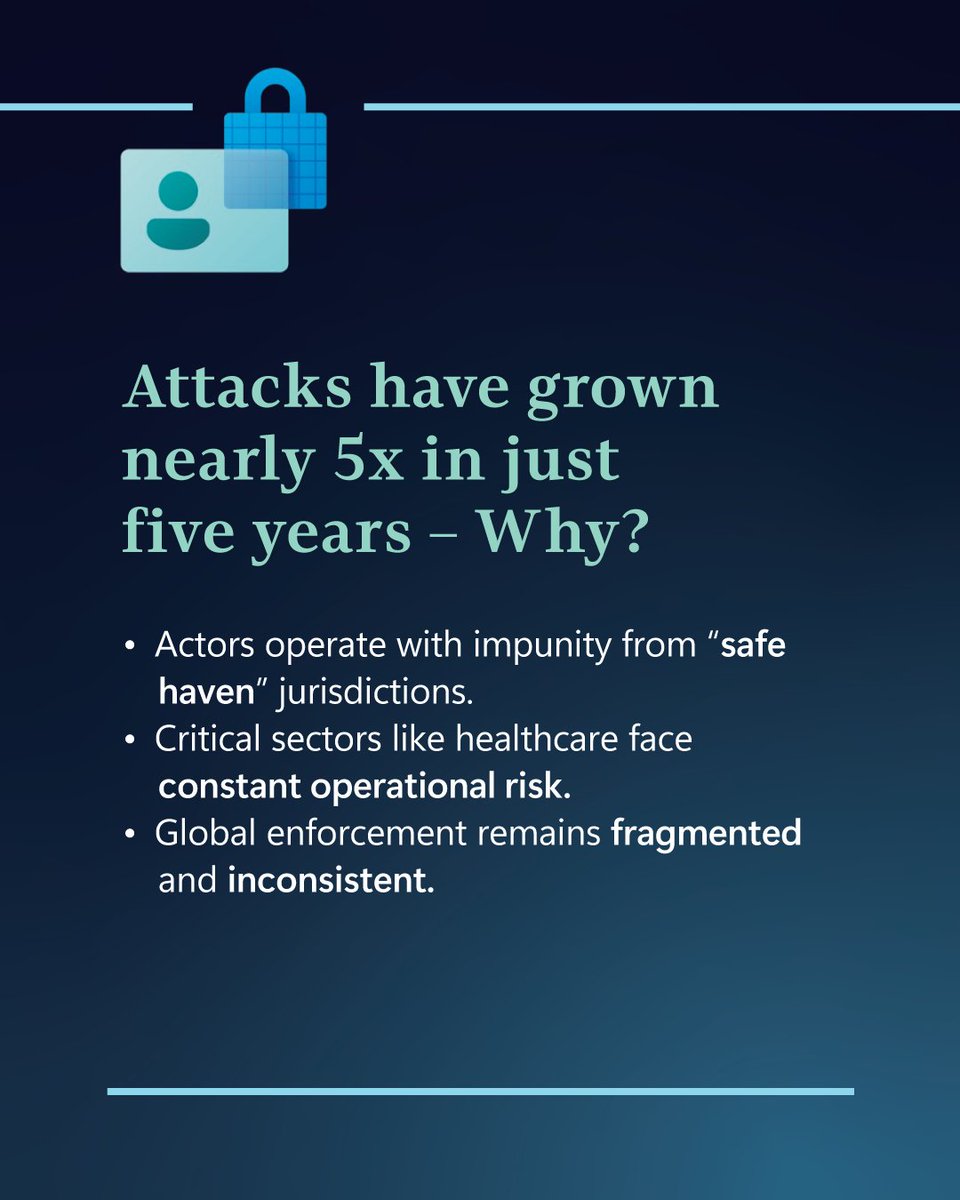
Attacks have surged nearly 5x in five years. Fragmented enforcement and inconsistent international rules leave critical sectors like healthcare exposed.
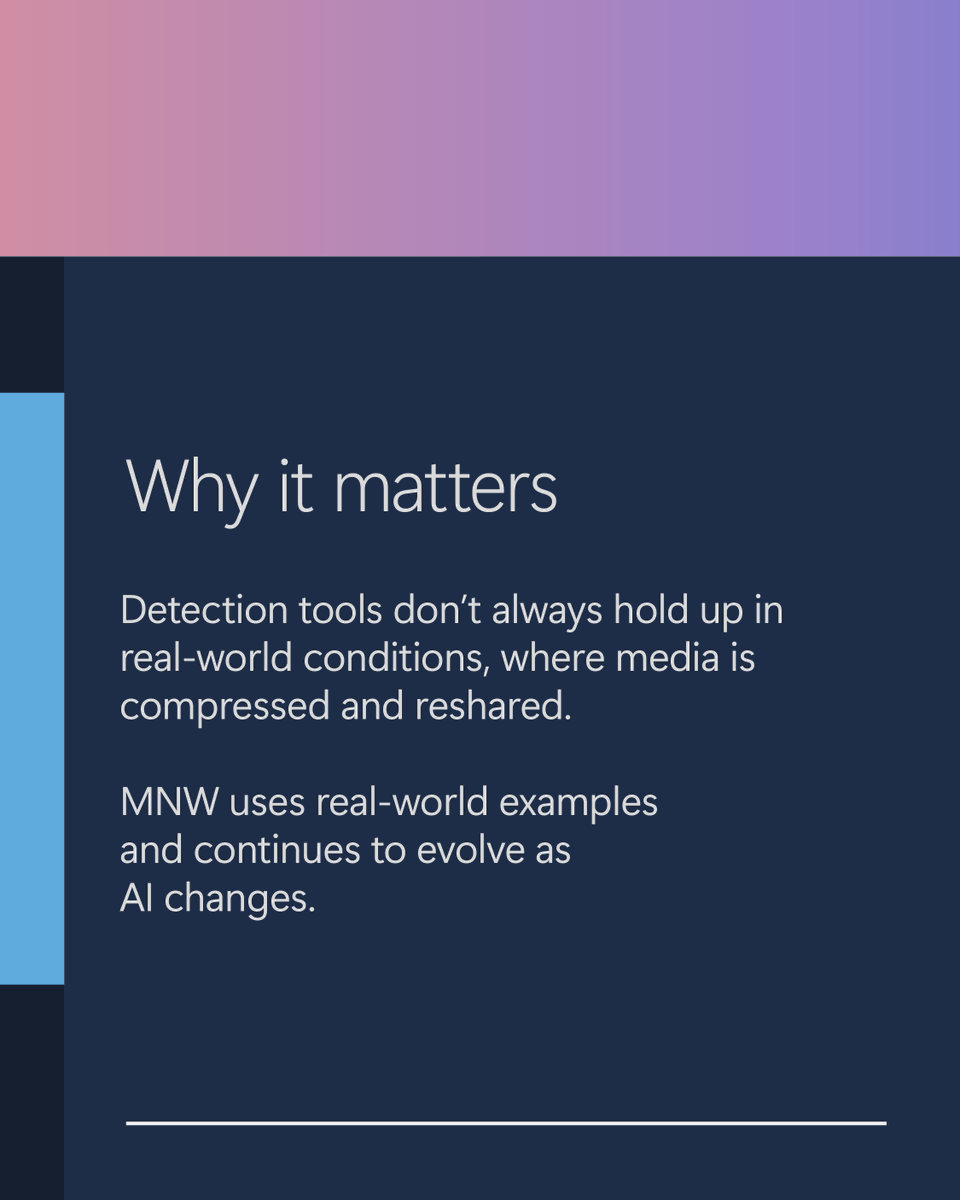
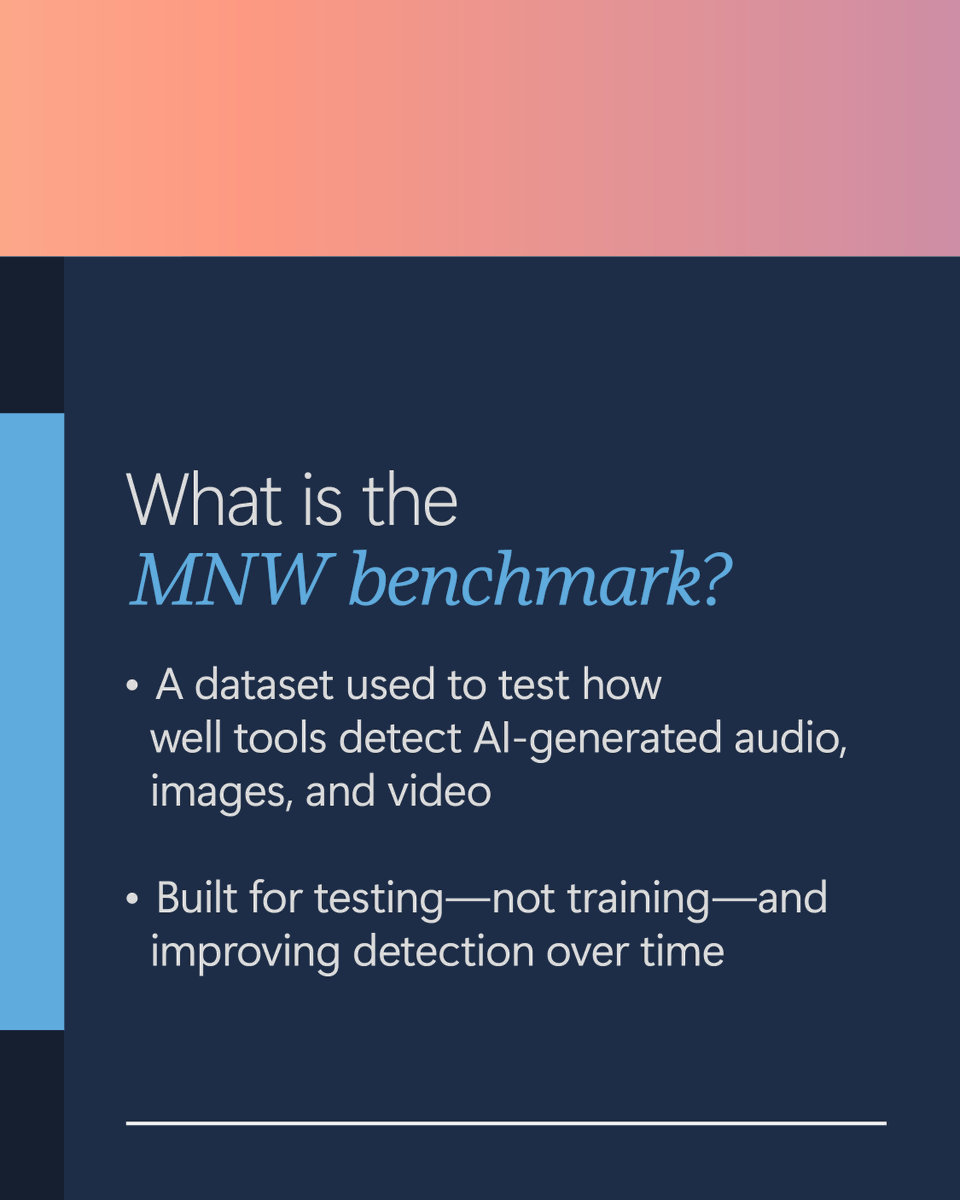
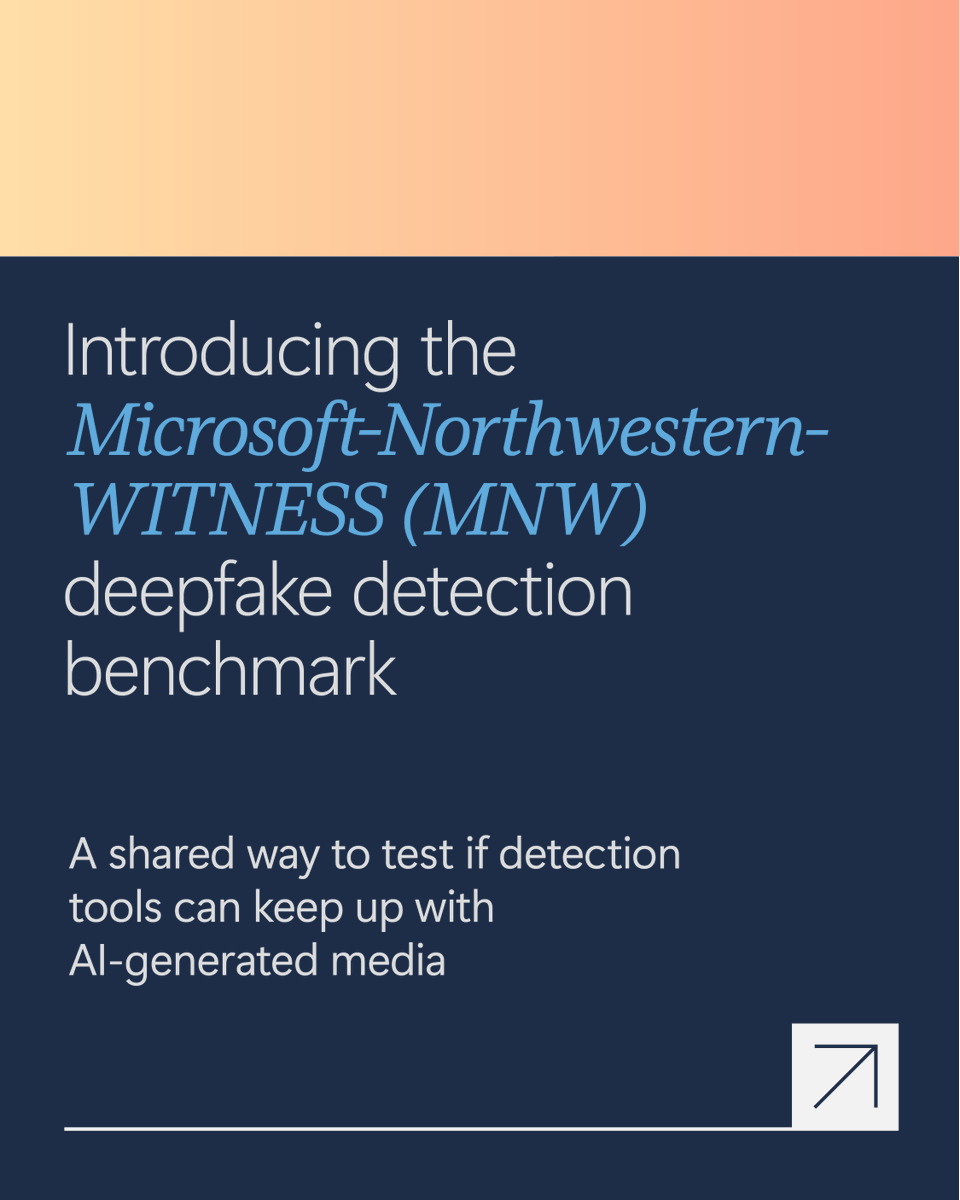
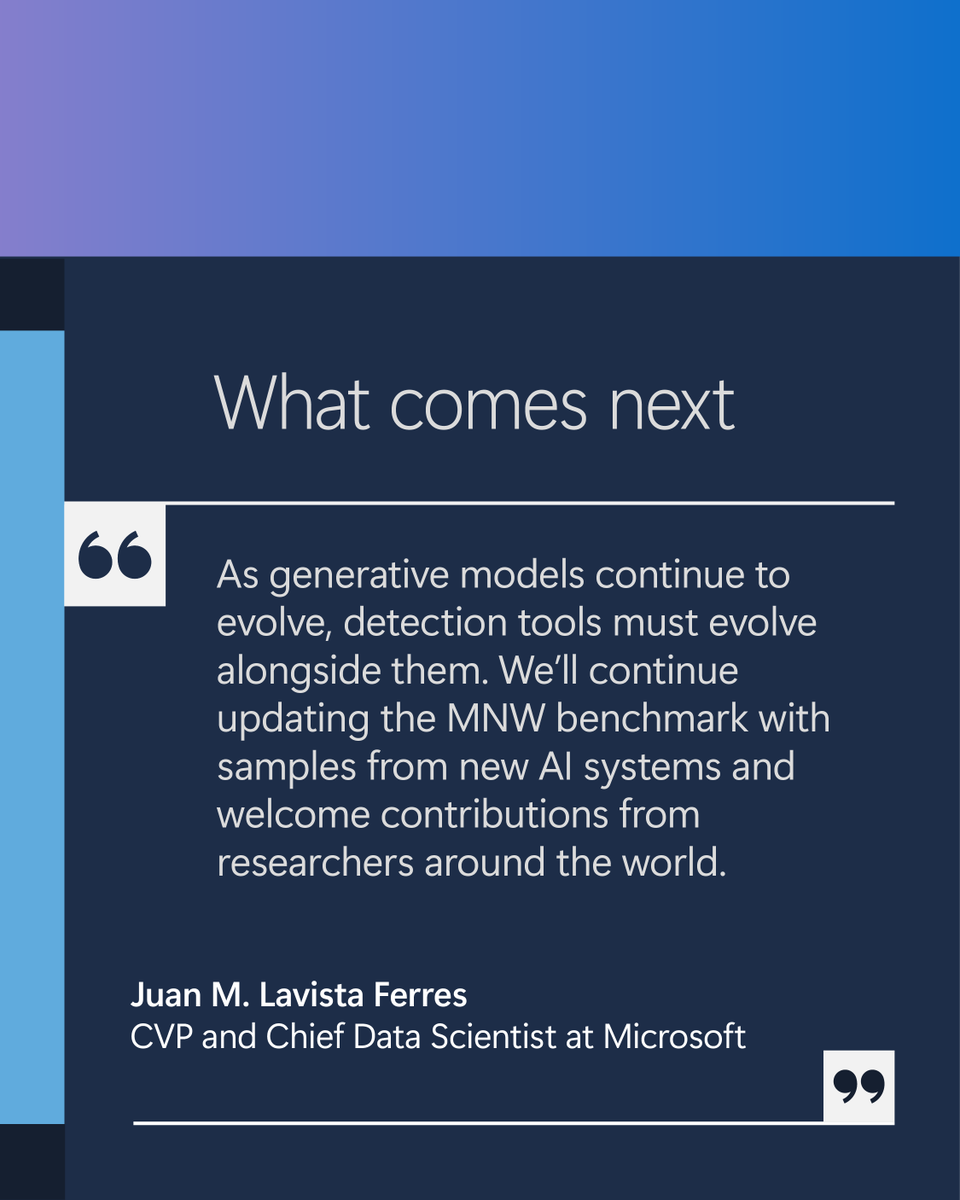
AI-generated media is getting harder to spot—and harder to test. New research from Microsoft and collaborators focuses on how well detection tools perform once content is shared, edited, or compressed in real-world settings.
Read more about the research: https://t.co/cGa7NRp2Wn
AI adoption is growing, but not evenly. The divide between the Global North and Global South is widening, and it’s widening faster than before. In our latest data, that gap grew by 1.5 percentage points, up from 0.8 percentage points in the earlier period.
🔍 Explore the data in this interactive experience: https://t.co/IPBNUnRvVW
AI is a critical but double‑edged technology in the path to a more sustainable future. How we measure impact, manage tradeoffs, and use data to guide decisions matters.
🎧 Listen to @MSFTResearch's podcast featuring Amy Luers on evidence‑based, responsible AI: https://t.co/xVpSdVlxeC
Microsoft is teaming up with experts in the US and UK to test AI in new ways, set clear standards, and build stronger protections for national security and public safety. Our goal: safer, more trustworthy AI for all.
Learn more: https://t.co/bMlHRzrKJD