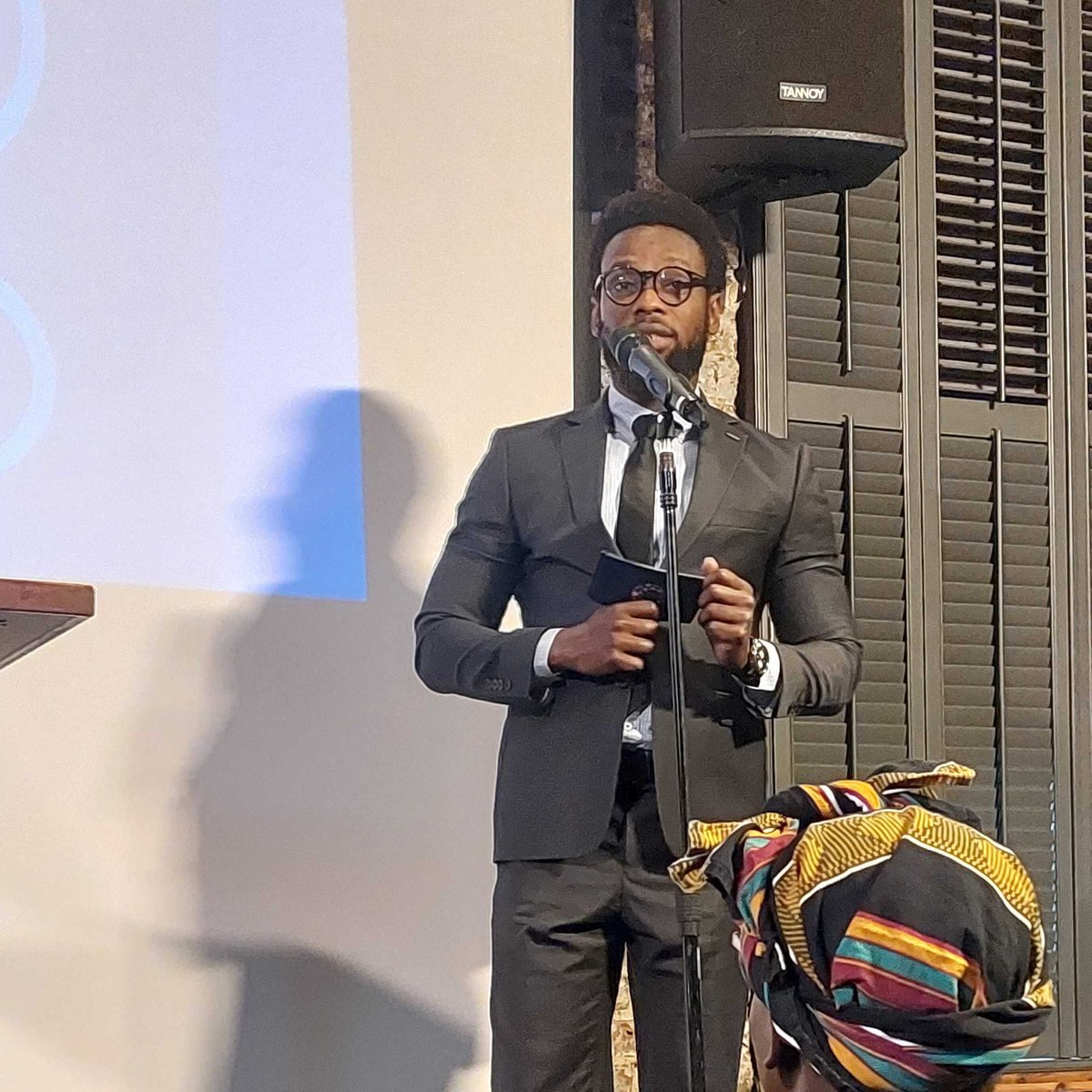
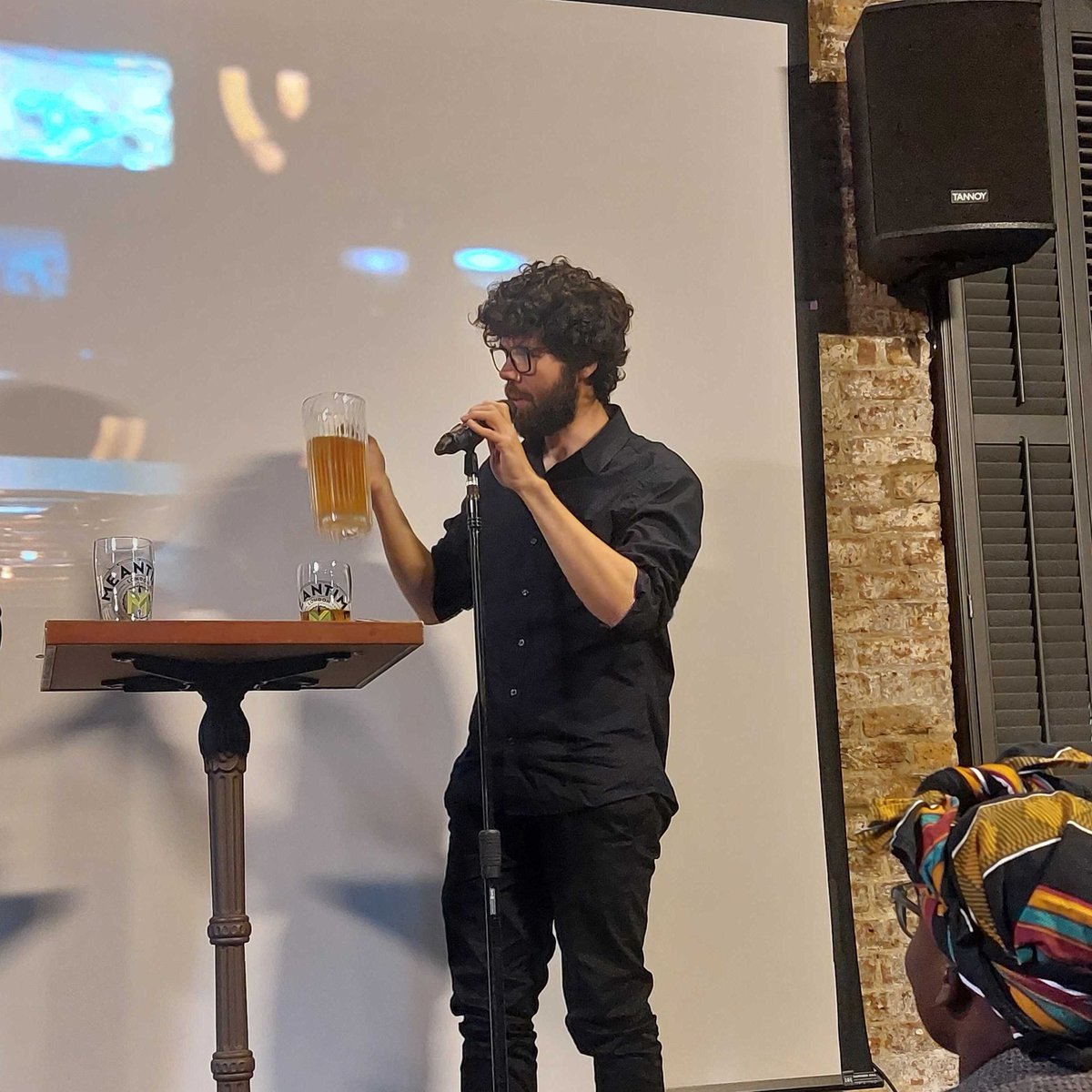
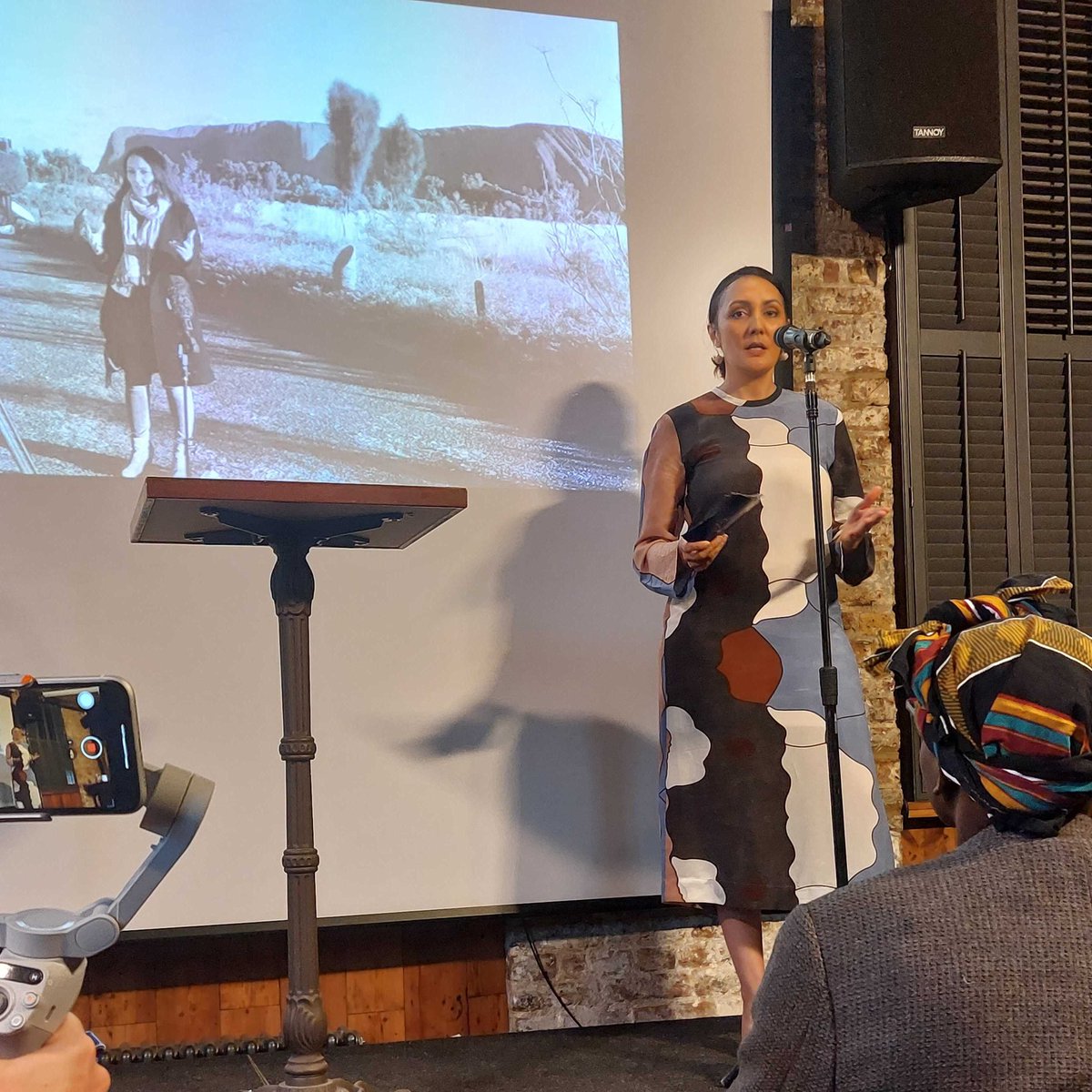
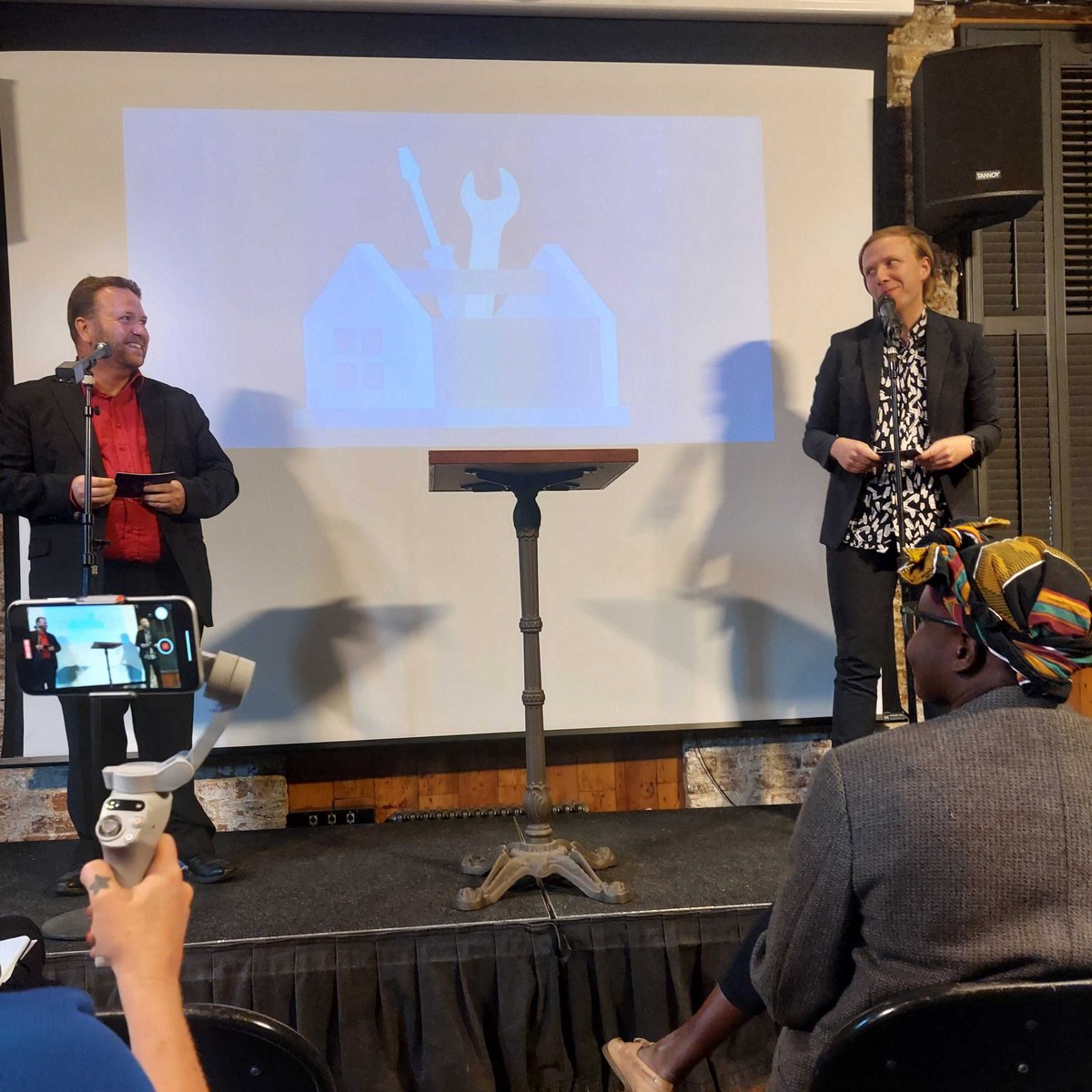
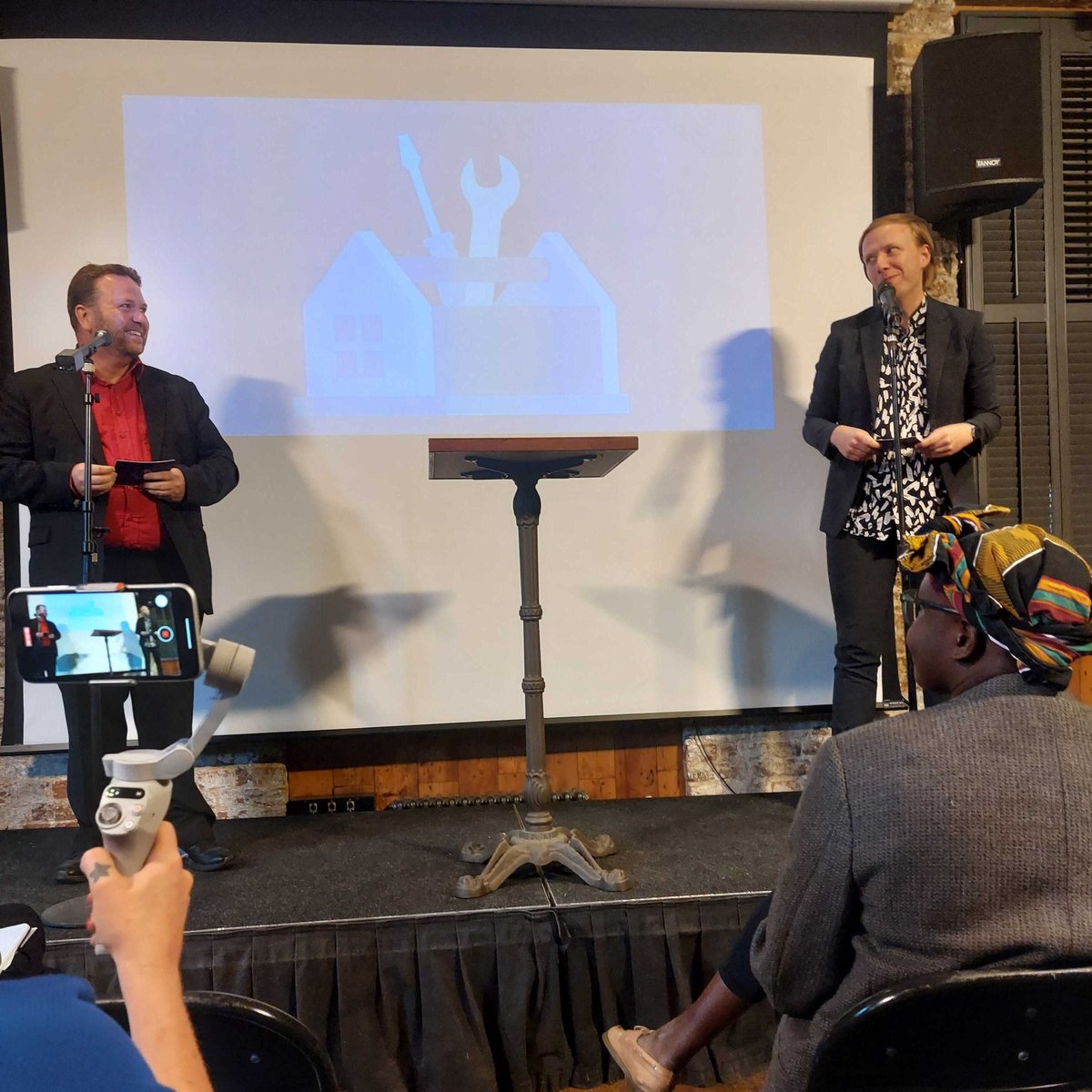
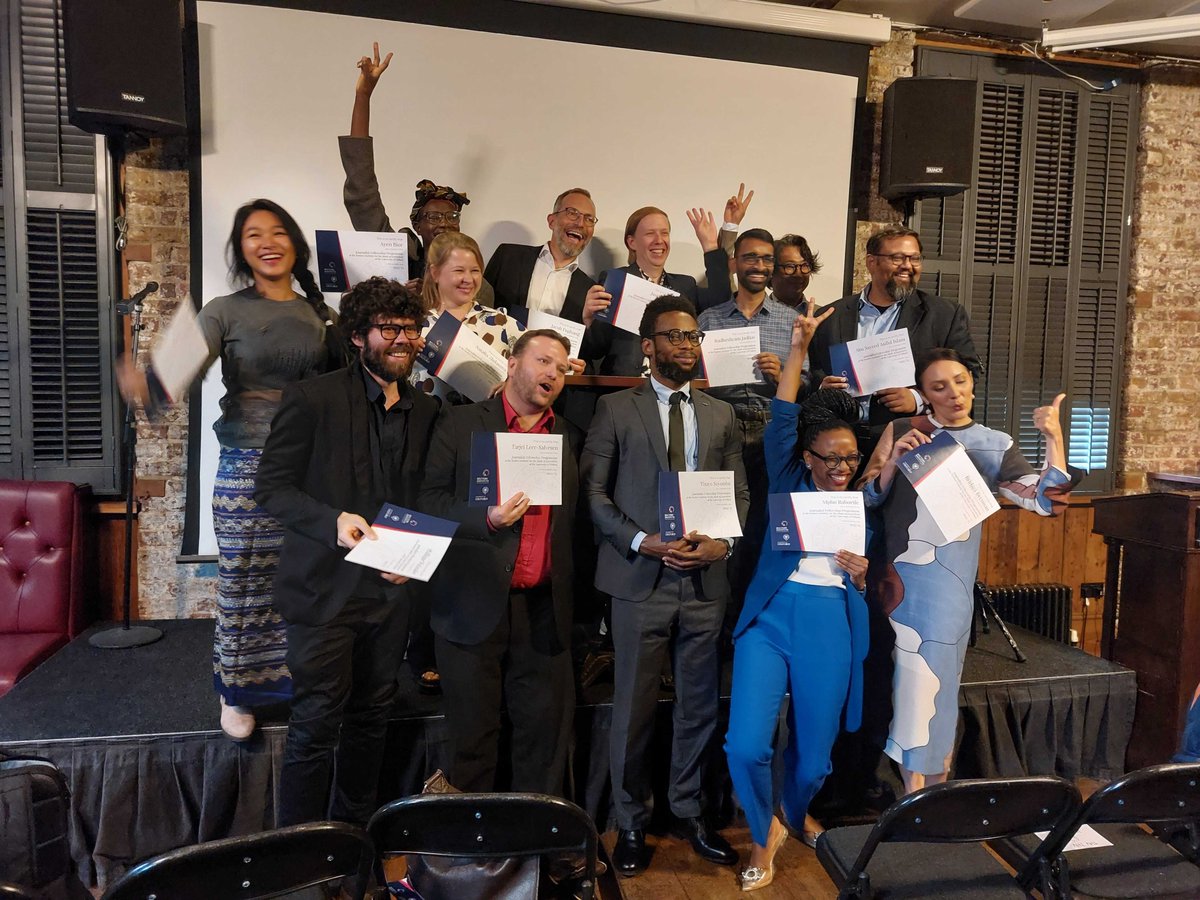
🖊️How to prevent brilliant journalists from leaving the profession? "We need more opportunity for development, a more nurturing environment, flatter leadership structures," said @MsRaborife
"We need more innovation and a more audience-centric approach," said Hideki Mushiake
How to prevent brilliant journalists from leaving the profession?
🇿🇦 "We need more opportunity for development, a more nurturing environment, flatter leadership structures," said @MsRaborife
🇯🇵 "We need more innovation and a more audience-centric approach," said Hideki Mushiake
🇧🇩 "A huge paradigm shift is unfolding around the world, and it impacts every newsroom. I call it the Climate Nexus. It’s a series of emergencies forcing journalists to ask of every story: how does this help address the crisis?," said our Bangladeshi Fellow @ASAsifulIslam
🇳🇬 "Could something have been done to avert the discrediting of journalists? Mexican journalist Daniel Sanchez believes not much can be done about it in the Third World: 'We require the support of international civil organisations,'" said our Nigerian Fellow @fisayosoyombo
🇩🇰 "I’ve been talking to foreign correspondents and they all recognise that negative stories will leave media users depressed and with an untrue image of the countries they are describing," said our Danish Fellow @jacob_fuglsang, who's working on a project on solutions journalism
🇧🇷 "Humans are good at getting used to things. Imagine how problematic that can be with the climate crisis. But I believe that journalism can play a part. The only way for people to be aware of change is showing them. That is our job," said our Brazilian Fellow @phillctw
🇦🇺 "We can’t do this alone. We need non-Indigenous editors and colleagues to shoulder some of this burden. We need leaders to have the tools to empathise with the unique and often demoralising experience of being an Indigenous reporter," said our Australian Fellow @bridgeyb
🇦🇺 "As First Nations journalists, we've had to fight for every story to get told. In largely white newsrooms, not only do we suffer vicarious trauma from the personal nature of our work. We are often arguing with editors to simply believe in our investigations," said @bridgeyb
🇫🇮 "The million-dollar question is: does transparency increase audience trust? There has been lots of research on this, and the results are disappointing: journalistic transparency tends to have zero or modest effect on evaluations of trust," said our Finnish Fellow @jlatvala
🇳🇴 "Cross border journalism has exposed how oligarchs jump jurisdictions to pay as little tax as possible. We journalists should also learn to cross borders to obtain as much information as possible," says our Norwegian Fellow @tarjeils, whose projects focuses on this topic
🇷🇺 "I still believe in the power of words and knowledge to achieve the real victory of light over darkness," said our Russian Fellow, who is working on understanding the role of the Russian Orthodox church in advancing Putin’s war narratives
🇮🇳 "Only 3% of stories about agriculture, land rights, and rural economy and 2% of the stories on development issues feature women. None of the stories on climate change address gender issues," said Indian journalist @rjadHinduBL, whose project aims to address this problem
🇲🇲 "My interviews show how much danger & personal sacrifice citizen journalists have to undertake. There is an urgent need to provide emergency budgets to exiled media outlets, and training to citizen journalists," said @thuttag, who's reported on Myanmar extensively for @Reuters
🇸🇸 "In some countries, a device can be a serious threat. This mic that I'm speaking through is probably not intimidating to you. But a journalist in South Sudan told me that in his country the presence of a mic is more alarming than that of a gun", said our Fellow Ayen Bior
In military-ruled Myanmar, there seemed to be a new criminal offense this week: wearing a flower in one’s hair on Aung San Suu Kyi’s birthday. https://t.co/DgAYBaWd0F