MA IR & Diplomacy | Tribhuvan University 🇳🇵 | Sanatan Dharma • Cricket • Geopolitics | Trying to make sense of a chaotic world, one treaty at a time .🌏
The Grayzone triggered a national scandal in Nepal when we published documents showing national leaders being trained by a US regime change outfit
Now, a Nepal court is demanding answers after the gov’t arrested an analyst for sharing our report
https://t.co/pcWR2BjyVc
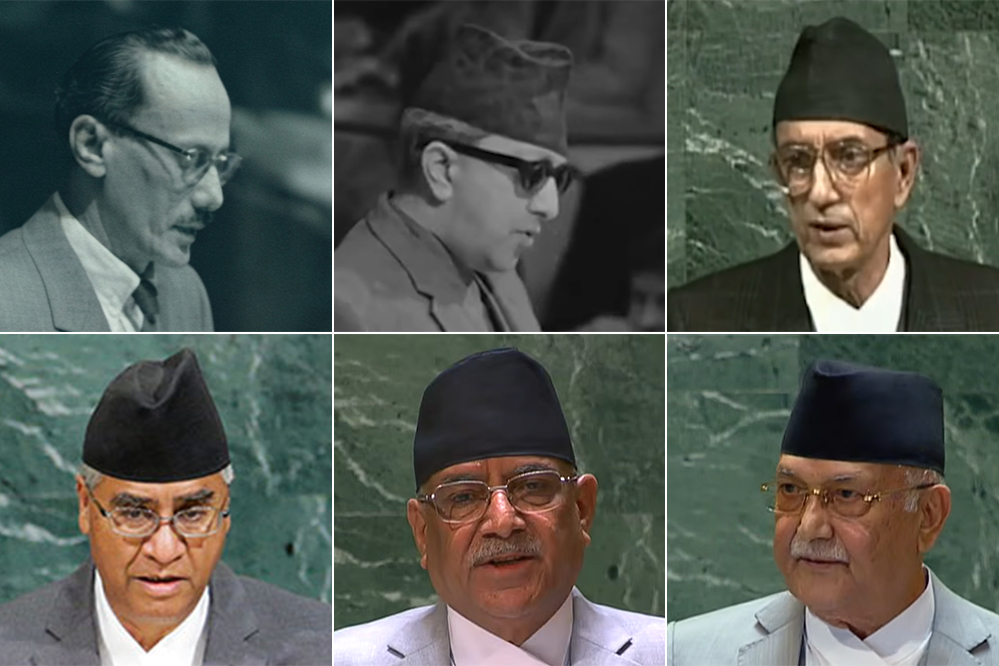
राष्ट्रसंघमा नेपालको ७ दशक लामो यात्रा: चूडाप्रसाद शर्मादेखि केपी ओलीसम्मले कस्ता विषय उठाए ?
नेपालका तर्फबाट संयुक्त राष्ट्रसंघको महासभामा पहिलोपटक तत्कालीन परराष्ट्रमन्त्री चूडाप्रसाद शर्माले सम्बोधन गरेका थिए भने जलवायु परिवर्तन र त्यसबाट नेपालले भोग्नुपरेको अन्यायको विषय पहिलोपटक पुष्पकमल दाहालले उठाएका थिए ।
https://t.co/VQ9kGGfGnq
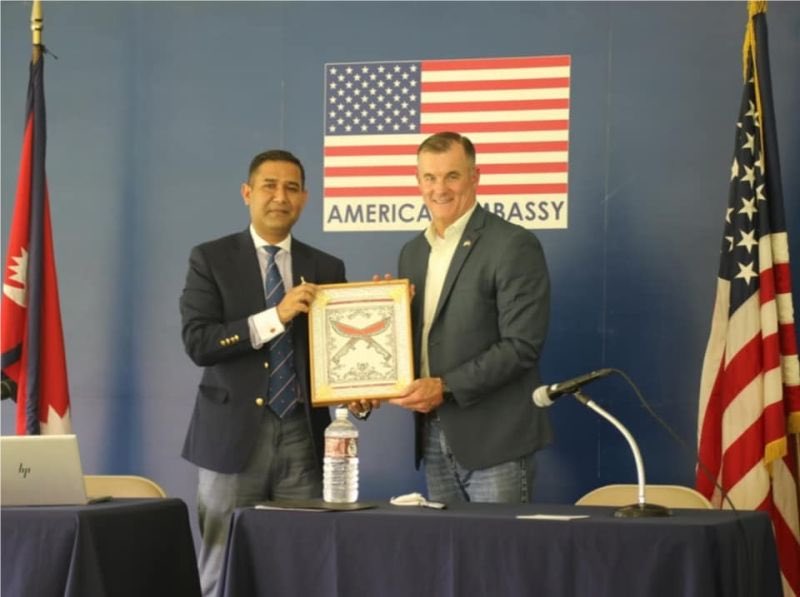
From two private grants totaling $86,289 that launched his academic career, a Brooklyn address, to Nepal’s proposed ambassador to the United States.
Here is the story of what you may not know about Chiran Jung Thapa, the self-described, first “civilian” defense expert of Nepaul.
२०८२ भाद्र २४ मा नेपाली कांग्रेस केन्द्रीय कार्यालय ध्वस्त हुने गरी बारम्बार आगलागी भयो। भाद्र २६ को दिन काठमाडौं क्षेत्र नं. १ का उम्मेदवार प्रबल थापा, युवा नेता अधिराज रेग्मी लगायत साथीहरूसँग कडा कर्फ्युको बीच सानेपा स्थित बीपी स्मृति भवनको आगो निभ्न नपाई, हामीले राष्ट्रिय झण्डा, कांग्रेसको झण्डासहित बीपी कोइरालाको तस्वीर स्थापित गरेका थियौँ। यो नेपाली कांग्रेस पार्टीको इमानदार कार्यकर्ताले पूरा गर्ने दायित्व थियो, गर्यौँ।
त्यो अवस्थाबाट एक वर्षमै नेपाली कांग्रेस पार्टी आजका सचेत लोकतन्त्रवादीहरूको रोजाइ बन्न सफल भएको छ। भोलिबाट पार्टीको १५औँ महाधिवेशन प्रारम्भ हुँदैछ। यो १ वर्षमा विशेष महाधिवेशनजस्तो क्रान्तिकारी कदमलाई सार्थक बनाउन खट्नुभएका नेतागण तथा नेतृत्व लिने हाम्रा श्रद्धेय स��ापति गगन कुमार थापालाई हार्दिक धन्यवाद।
जय लोकतन्त्र! जय नेपाल!
Prabal Thapa
हजुरले दोहोरोपास्पोर्ट अपचलन र७वटा जती क्रेडीटकार्ड फ्रड गर्नुभएको देशUSAबाट प्रकासीत हुने The Nation,The Guardian,Al Jazeera English,The New York TimesरLos Angeles Timesमा काम गरीसकेका अमेरिकी पत्रकार तथा लेखक Max Blumenthal ले प्रकासीत गर्नेThe Grayzoneहो @hamrorabiमान्य ज्यु ।
By now, it's amply clear that the big bosses of US frontier AI labs are really, really scared of China.
And, fascinatingly, part of the answer why might be a tiny place in Inner Mongolia that you've probably never heard of: Ulanqab prefecture.
Heard of it? Didn't think so.
Even myself, who's traveled to Inner Mongolia twice, had never heard of it before researching this story.
This is because, at first glance, this place is pretty unremarkable. Check its Wikipedia page (https://t.co/QviNOPyRbP) and you’ll see the only thing it’s famous for is being the birthplace of He Pingping, who briefly held the Guinness record for world’s shortest man.
That’s it, that’s the list!
Otherwise, it's just a sparsely populated - 1.5 million people, minuscule by Chinese standards - stretch of windswept grassland on the Mongolian plateau.
Except there is one number that tells you there is more to this place that meets the eye: this tiny prefecture consumes nearly 1% of all of China's electricity - and that number is growing by double digit numbers every year.
And yes, I did write **consume**, not produce.
In fact, when you divide Ulanqab's electricity consumption by the number of households living there, each household in this remote corner of Inner Mongolia "consumes" about 105,000 kWh in electricity, roughly 10 times the U.S. average. Insane electricity consumption numbers.
So what are the Ulanqabese doing? Are they all running 10 American households' worth of appliances?
Here is another number that might clue you in on the answer: over the past few years, this unremarkable prefecture has quietly signed over half a trillion yuan (and, yes, that’s trillion, with a "T") worth of investment deals from all the major Chinese tech giants.
What is going on, you'll have guessed by now, is the most ambitious data center buildup anywhere on earth - and it's really surprising this hasn't been talked about more because the scale is beyond anything else, and by an immense margin.
Take Elon Musk's so-called "Colossus" datacenter in Memphis, Tennessee which he pitches as "the world’s largest AI supercomputer."
According to their own numbers (https://t.co/DZvBvJioua), Colossus has 200,000 chips, which, let's be clear, is already super impressive.
In datacenter lingo, this converts to roughly 5000-6000 "racks": you know, the fridge-sized cabinets full of blinking lights you see in every movie scene set in a server room.
How many racks are they building in Ulanqab? Over 5 million.
Yes, about one thousand times the scale of "Colossus" 🤯
I tripled-checked the number: it is indeed the official number published by authoritative sources such as "Science and Technology Daily", the official newspaper of China's Ministry of Science and Technology (https://t.co/PsbGlLbv5A).
This is an absurdly large amount of compute.
What we see appearing in this Inner Mongolian steppe may be the closest thing to a world brain humanity has ever built - a place where a large share of the world's thinking will physically happen.
And - as we'll see - what makes this story so fascinating is not just the scale, but why it's getting built in this particular patch of Inner Mongolian grassland which combines a number of characteristics unlike anywhere else.
If you believe, as I do - and as both China and the US obviously do as well - that AI will be the defining technology of the 21st century, this makes Ulanqab one of the single most relevant geopolitical places in the world right now.
The full story - the Chinese government plan Ulanqab is part of, energy prices, chips and the strategic questions this raises - is here: https://t.co/iqvSvcaOGc
फलोअप– जेनजी आन्दोलन :
सेनापतिले जेनजीलाई सोधेका थिए– तपाईंका माग कसले पूरा गर्ने ? मैले ? राष्ट्रपतिले कि मेयर बालेनले ?
–यसअघि अनलाइनखबरले लेखेको थियो– पोहोर भदौको जेनजी आन्दोलनमा कुनै ठोस नेतृत्व थिएन । यस स्टोरीमा हामी बताउँदैछौं– सडकदेखि जंगीअड्डासम्म कसरी अनुहारहरु फेरिँदै गए ?
#onlinekhabar #GenZ
https://t.co/XFCPMOeNpa
ग्यास उद्योगीलाई पाता कस्नेको नालीबेली! ⬇️
उद्योग, वाणिज्य तथा आपूर्तिमन्त्री गौरीकुमारी यादव र उनका पति डा. शिवजी यादवको सार्वजनिक भूमिकालाई नियाल्दा, उनीहरुले दाबी गर्दै आएको "वैकल्पिक राजनीति" र वास्तविक राजनीतिक-आर्थिक अभिलेखबीच स्पष्ट विरोधाभास देखिन्छ।
राष्ट्रिय स्वतन्त्र पार्टी (रास्वपा) बाट प्रतिनिधित्व गर्दै सुशासन र पारदर्शिताको नारा दिइए तापनि, मन्त्री यादवको ��ैक्षिक योग्यता सम्बन्धी सार्वजनिक विवरण आफैँमा अस्पष्ट छ।
भारतको सीतामढी, बिहारबाट ISc. उत्तीर्ण गरेको भनिए तापनि कलेजको नाम, उत्तीर्ण वर्ष, तथा प्रमाणपत्र जस्ता आधारभूत विवरणहरू सार्वजनिक अभिलेखमा छैनन्।
सीतामढी क्षेत्रमा नक्कली शैक्षिक प्रमाणपत्रका घटनाहरू निरन्तर सार्वजनिक भइरहेको पृष्ठभूमिमा, यी आधारभूत कागजातहरू प्रस्तुत गर्न नसक्नुले सार्वजनिक जवाफदेहितामाथि गम्��ीर प्रश्न खडा गरेको छ।
यसै गरी, मन्त्रिपरिषद् कार्यालयमार्फत सार्वजनिक गरिएको यस दम्पतीको अकुत सम्पत्ति र त्यसको स्रोतसमेत शंकाको घेरामा छ।
१८० तोला सुन, दुई किलो चाँदी, काठमाडौँमा घरजग्गा, महोत्तरीमा ठूलो परिमाणको जमिन, माछापोखरी, र विभिन्न कम्पनीहरूमा करिब ३ करोड ३८ लाख रूपैयाँ बराबरको लगानी रहेको विवरणमा उल्लेख छ।
यस सम्पत्तिको मुख्य स्रोत "रसियाको व्यवसाय" लाई मानिए तापनि स�� व्यवसाय कुन कम्पनीमार्फत सञ्चालित थियो, कति पूँजी लगानी भएको थियो, र नेपालमा भित्र्याइएको रकमको कर भुक्तानी अभिलेख के-कस्तो छ भन्नेबारे कुनै आधिकारिक कागजात प्रस्तुत गरिएको छैन।
प्रमाणिक कागजातको अभावमा, विदेशी व्यापारको नाममा यति ठूलो सम्पत्ति र लगानीलाई बैध ठहर्याउन�� केवल मौखिक दाबी मात्र ठहरिन्छ।
यसमा अझ गम्भीर विषय त उनका पति शिवजी यादवको निरन्तर भइरहने राजनीतिक दलीय विचलन हो। विगत एक दशकमा मधेसी जनअधिकार फोरम, संघीय समाजवादी फोरम, जनता समाजवादी पार्टी, नेकपा (एमाले), र जनता प्रगतिशील पार्टी हुँदै श्रीमतीमार्फत रास्वपासम्म आइपुगेको उनको राजनीतिक यात्राले कुनै निश्चित सिद्धान्त वा विचारभन्दा पनि सत्ता र पहुँचको राजनीतिलाई निरन्तरता दिएको दे��िन्छ।
दशकौँसम्म पुराना राजनीतिक दलहरूको लाभको पदमा रहेर अकूत सम्पत्ति आर्जन गर्ने र अन्ततः "नयाँ राजनीति" को नयाँ आवरणमा प्रस्तुत हुने प्रवृत्तिले जनतालाई गुमराहमा राख्ने काम मात्र गर्दछ। सुशासनको पहिलो शर्त नै पूर्ण पारदर्शिता र कागजी प्रमाण हो तर, यस दम्पतीले आफ्ना सार्वजनिक प्रश्नहरूको उत्तर कागजातबाट दिन सकेको छैन।
**१ करोड डलरको सहयोग.
हार्दिक आभार श्री जेन्सन हवाङ, प्रमुख कार्यकारी अधिकृत, एनभ��डिया। यस अभूतपूर्व सहयोगसँगै प्रधानमन्त्री दैवीप्रकोप उद्धार कोषमा रु. १० अर्ब भन्दा बढी रकम संकलन भएको छ।
NEW: President Trump announces the U.S. is dispatching aid to Nepal following catastrophic flooding and mudslides that leveled buildings in the country.
Officials are currently working to verify the safety of dozens of citizens who were in the area during the disaster while nearly 400 have been confirmed dead and almost a thousand others are still missing.
"We've called Nepal and, we've offered any help that they need... We're very powerful, strong, you know, strong, well-built buildings were wiped out like they were toothpicks. That's a terrible thing."
#WATCH | US President Donald Trump says, "...We've called Nepal, and we've offered any help that they need. We have a very good relationship with Nepal, and that was brutal... Nobody's ever seen anything quite like that... strong, well-built buildings we're wiped out like they were toothpicks. That's a terrible thing. We are sending aid. We've spoken to the leadership, and we let them know anything they want may have... There were 50-60 Americans over there. We haven't gotten the full list yet, but hopefully they're okay. But that looks pretty vile. That looks like something that people will not be... somebody will be lost, unfortunately."
(Source: Unrestricted Pool Via Reuters)
We express our solidarity and are united in prayer for the Nepali people following the devastating floods.
@StateDept stands ready to support the Government of Nepal with needed humanitarian assistance.
International relations has entered a post-ideological era in which pragmatism and balancing national interests guide policy. Nepal’s standing in the world will depend on whether its current leadership understand this, and stop working at cross-purposes.
https://t.co/nXpe4ATA2v