Bandits today June 12, attacked Goran Namaye town in Maradun Local Government Area, Zamfara State.
They killed 17 innocent people, injured several others, and took an unknown number into captivity for ransom.
We won’t be tired calling on the authorities to please do the needful and eliminate these terrorists.
Hon. Mustapha Aliyu Abdullah, (Yariman Damau) has empowered 1000+ youths in Ikara/Kubau with 2M, 1M & 500k grants.
Goal: Boost entrepreneurship, cut unemployment, and build self-reliant young business owners.
Investing in our future. #IkaraKubau#YouthEmpowerment
NIGERIA UPDATE - Nigeria’s Growth Crisis Is a Talent-Allocation Crisis - by: Nasir Ahmad El-Rufai - 1st April, 2026 - Part 2
4. Sectoral Reality: Why Building Is Harder Than Extracting
Consider a few concrete Nigerian constraints.
Power
Nigeria’s average available grid capacity is just over 5,300 megawatts for a population exceeding 200 million. No serious manufacturing or services economy can scale under such conditions. When power is unreliable, firms remain small by necessity.
Ports and Logistics
Average vessel turnaround time at Nigerian ports has been around five days—far above global best practice. Each delay creates gatekeeping opportunities, raising costs and uncertainty.
Jobs and Firm Structure
With wage employment hovering around 16%, most Nigerians work in survival-level activity. This is not because Nigerians lack ambition, but because the system penalizes formal growth.
When these constraints persist, entrepreneurship becomes a high-risk, low-reward path. Rational talent looks elsewhere.
5. Evidence from Other Countries—and What It Means for Nigeria
Cross-country evidence supports this argument. Countries that channel more of their top talent into engineering, applied science, and production tend to grow faster. Countries where talent concentrates in rent-oriented legal and administrative activity tend to grow more slowly .
The lesson is not that law is unimportant. On the contrary: law is essential when it enables commerce. But when legal and regulatory systems become tools for extraction rather than facilitation, they draw talent away from growth-enhancing activity.
Nigeria today sits at that crossroads.
6. Signs of What Is Possible
There are encouraging signals.
Nigeria’s non-oil exports have grown strongly, driven by products such as cocoa, fertiliser, cashew, and processed agricultural goods. This shows that when incentives align—even partially—Nigerian firms can compete and scale.
The task before us is to generalise this success, not treat it as an exception.
7. The Real Reform Objective
Nigeria’s reform agenda should be summarised in one sentence:
Make value creation more rewarding than value capture.
Everything else flows from this.
This means:
•Shrinking discretionary power and rent opportunities in government;
•Making rules predictable, transparent, and digital by default;
•Ensuring property rights and contracts are enforced quickly and fairly;
•Making it easier to scale a business than to stay small and hidden;
•Aligning finance with long-term production and exports, not short-term arbitrage.
When these conditions exist, the most talented Nigerians will move—naturally and voluntarily—into productive enterprise.
8. What Success Looks Like in 24 Months
If Nigeria is serious, progress should be visible and measurable within two years:
•Power availability rising from ~5,300 MW toward 8,000–10,000 MW reliably delivered.
•Port turnaround times falling below four days, with fewer physical interventions.
•Wage employment rising toward 18–20%, signalling firm formalisation and scale.
•Tax-to-GDP moving toward 10%, driven by digitisation and base broadening—not harassment.
•Manufacturing and tradables expanding their share of GDP and exports.
•Non-oil exports growing not just in value, but in the number of exporting firms.
These are not technocratic targets. They are signals to talent—telling Nigeria’s brightest minds that building, producing, and exporting now pay better than extracting.
9. The Strategic Choice Before Us
Nigeria’s future does not hinge on slogans, nor on personalities. It hinges on who wins in our economy.
If the system rewards brokers over builders, we will continue to underperform.
If it rewards producers over extractors, growth will follow—rapidly and durably.
This is the central lesson of economic history, and it is the challenge of our moment.
Nigeria does not lack talent.
Nigeria must reallocate it.
God Bless our Country.
Leather Hub in Lagos, Wasted Opportunities in the North.
The inauguration of the Oluremi Tinubu Leather Hub in Lagos should serve as a mirror reflecting the chronic leadership failure in Northern Nigeria. For decades, Sokoto, Kano, and other northern states have been blessed...
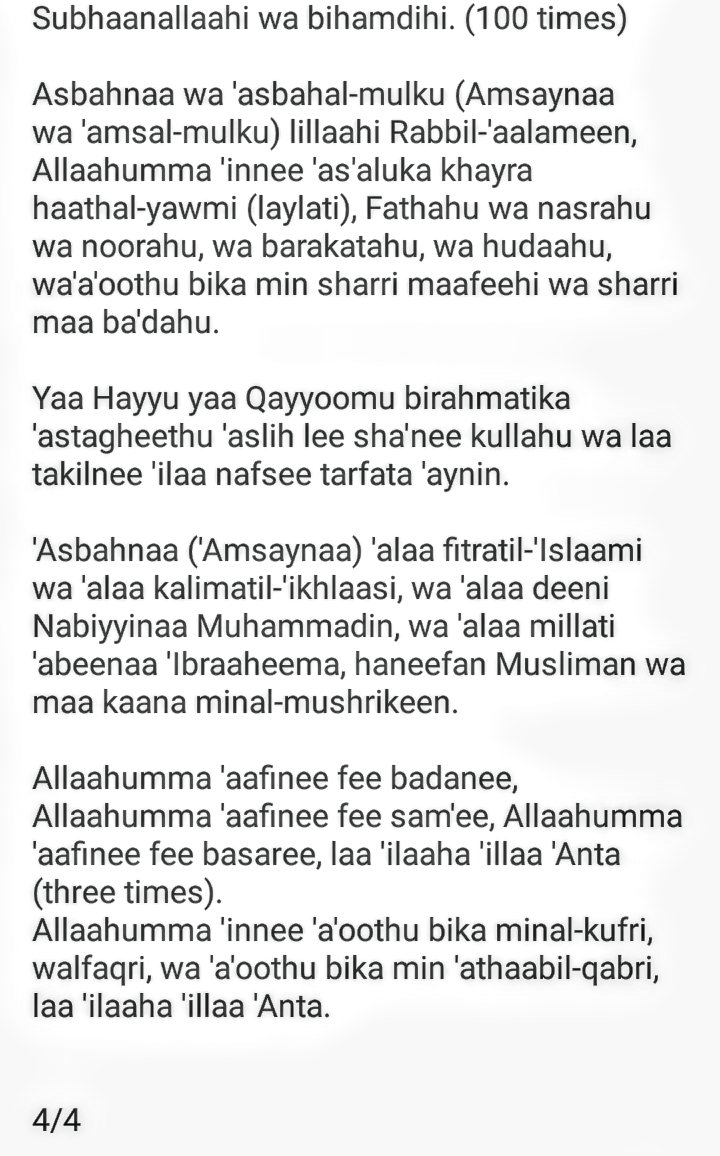
This Sabbath and every other day when leaving home, consider saying this dua:
I depart with God's name, relying on Him. God saves us from sins through His guidance.
There is only one religion in heaven, shamayim or Jannah, which is love. And there is only one way of life there, which is peace.
What does Shalom Aleichem mean? It means 'Peace be upon you'. That is the exact meaning of the greeting Muslims use, which in Arabic goes Salaam Alaykum.
Now, what is the difference between Shalom Aleichem and Salaam Alaykum?
Yom Kippur is the holiest period of the year for Jews. What does it entail? Fasting. Lent, not Christmas, is the most sacred activity in the Advent calendar of Christendom. It is going on right now and is also characterised by fasting.
Finally, Ramadan is the most sacred time of the year for Muslims. What are its requirements? Fasting.
Do you not now see how alike we all are?
To the Jewish covenantal community, the Body of Christ and the Muslim Ummah, I say, Shalom Aleichem, as-salamu alaykum and peace be unto you. May God bless you all, wherever you are on this planet.
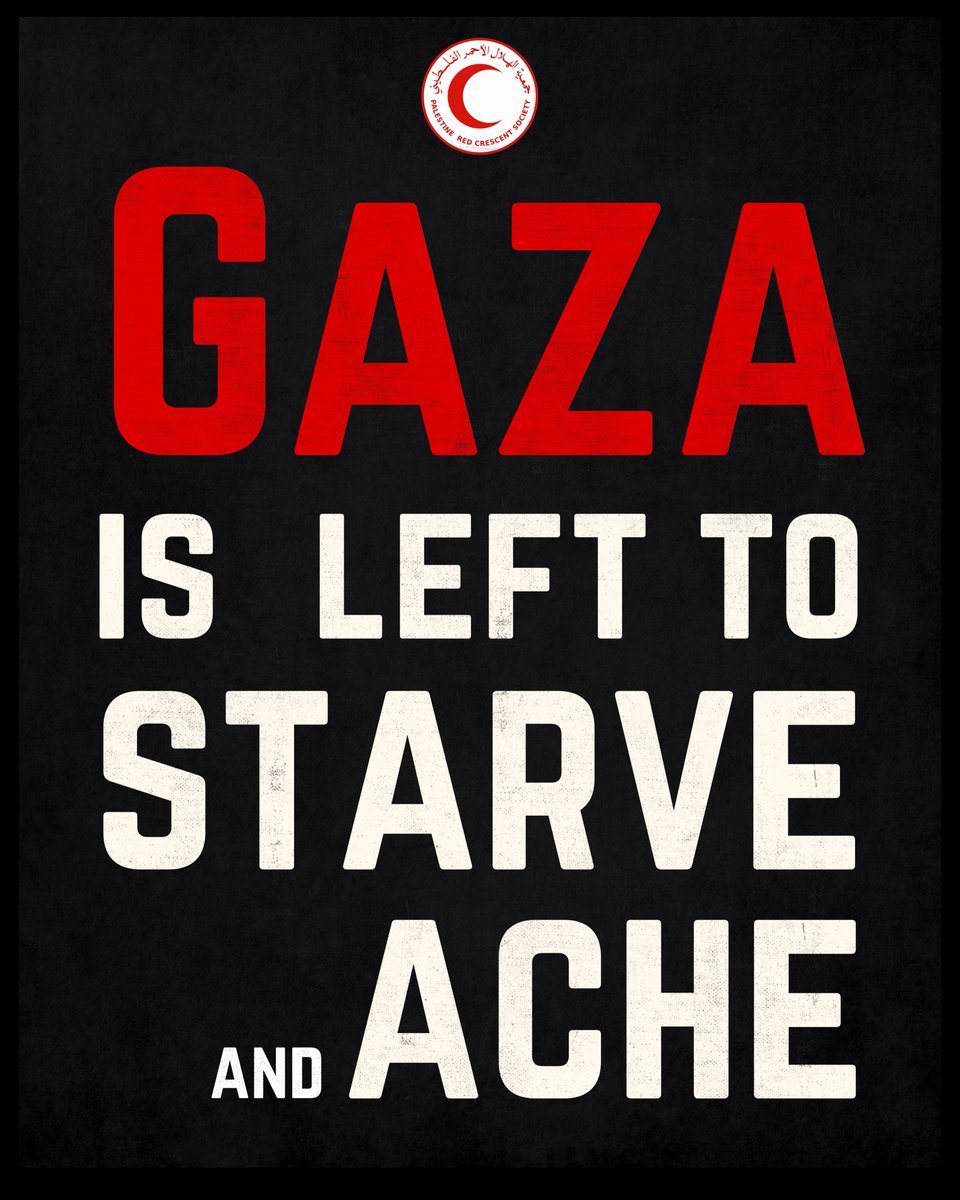
The world is uniting against genocide in Gaza.
Here are scenes from a pro-Palestine rally held in Stockholm, Sweden.
#GazaHolocaust Black Monday , Harris //