Building bridges of mutual trust and respect among faith leaders through civic engagement, authentic relationship and honest dialogue. #ReligiousFreedom
Safety Net helps communities identify signs of polarization and extremism, respond with care and clarity, and help people move away from extremism before harm takes deeper root.
Learn more: https://t.co/vnkWX4O7iN
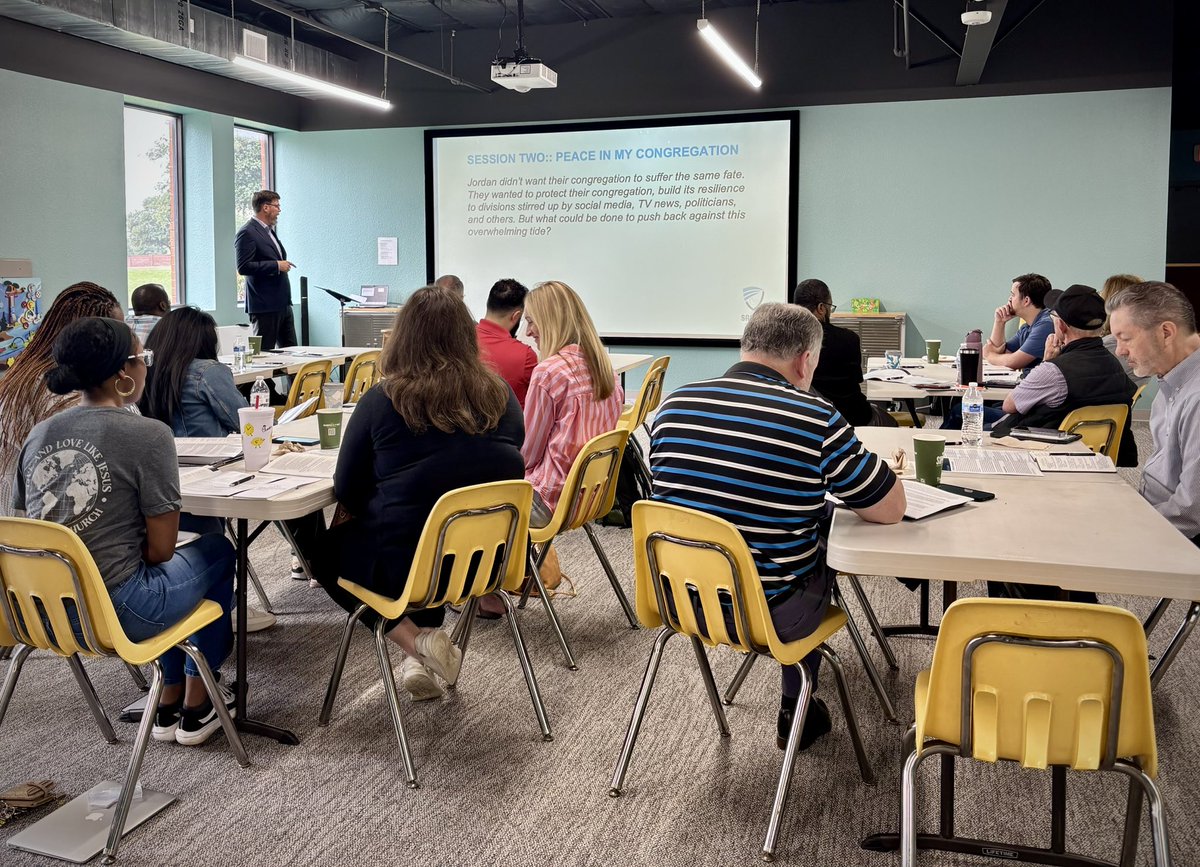
Safety Net Trainings this week!
DC: June 3
Philadelphia: June 4
This training equips congregations, civic organizations, and small groups to identify extremism and help people move away from it.
Free to register: https://t.co/vnkWX4O7iN
Read that again.
That one sentence carries a great deal of weight. A truth that should shape how we think about dignity, religious freedom, and the way we treat one another.
Faith leaders can help lead the way toward a healthier public life.
It does not have to be fueled by suspicion, contempt, doom-scrolling, or constant reaction.
It needs wisdom, character, and leaders willing to pursue the common good.
Reflecting on our retreat a few years ago in Sudan.
Christian, Muslim, and Jewish leaders walked together, listened deeply, and modeled the kind of friendship our founders believed in: rooted in conviction, marked by respect, and committed to the common good.
Yesterday in Chattanooga, civic and faith leaders gathered for a conversation on religious liberty and civil engagement as part of the America 250 celebration.
MFNN and our Director, Micah Fries, were honored to join the discussion.
Learn more: https://t.co/9bL8E2KlPC
Mulit-faith INSPIRE gatherings in Dallas featured shared meals, dialogue on inspirational women and spiritual practices, and a clothing drive supporting a local children’s closet, advancing multifaith peacebuilding and community connection.
Words shape how people understand a mission.
We use the word multi-faith intentionally. It reflects the distinct faith traditions at the table and the conviction that real engagement does not require flattening those differences. Naming that clearly matters.
Big cultural change is often talked about in national terms. But trust is usually built much closer to home.
Change starts local.
Trust is built in congregations, neighborhoods, and cities where leaders choose relationship, service, and honest dialogue.
Want to bring a multi-faith retreat to your city? Our retreats help people build empathy, connection, and common ground without asking anyone to give up conviction.
Learn more and connect with us here: https://t.co/sMDzJr1voF
Women gathering to build relationships across faiths is powerful for families and communities.
INSPIRE creates space for women of different faiths to build friendship, deepen understanding, and strengthen the communities around them.
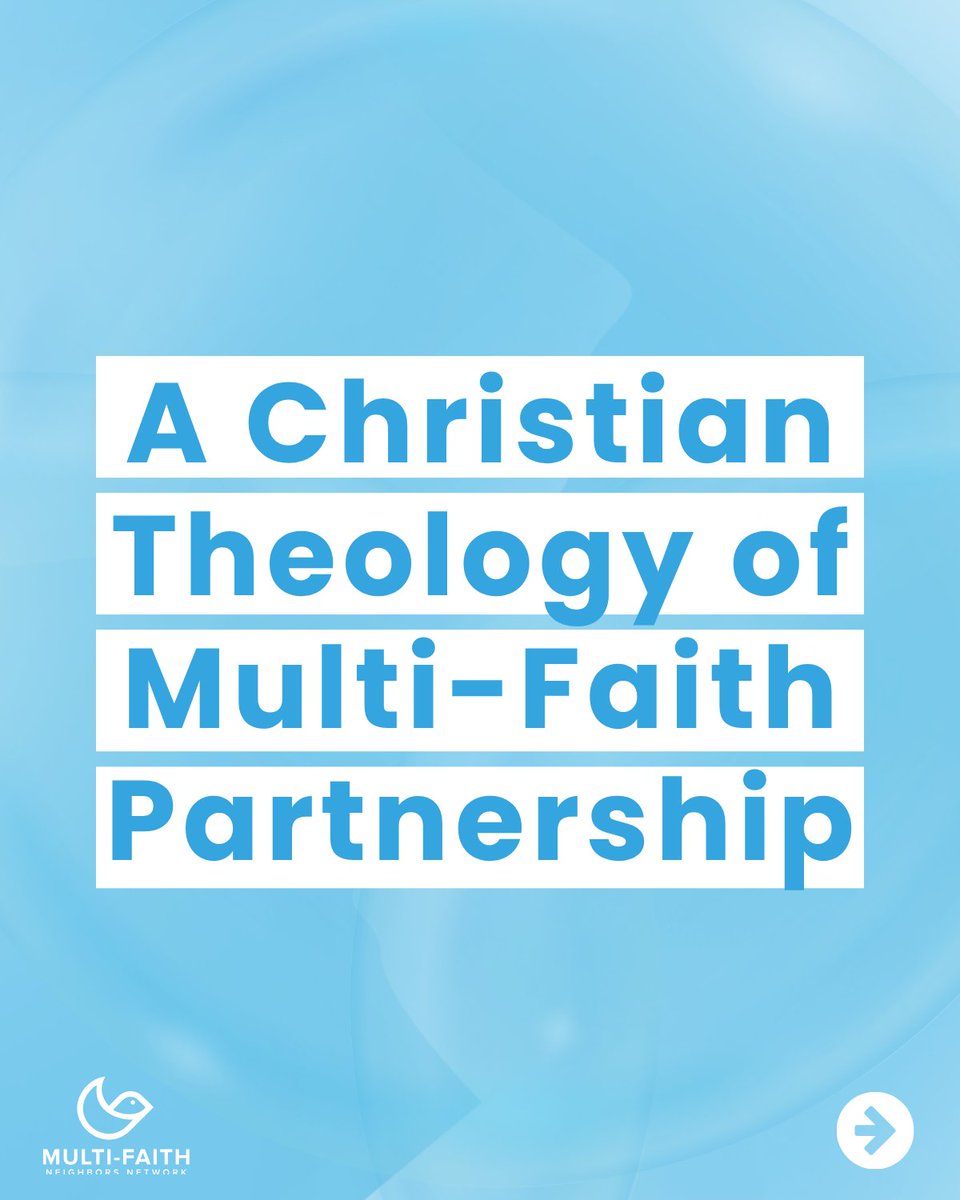
Looking for a thoughtful Christian starting point on multi-faith engagement?
Start with our free e-book, A Christian Theology of Multi-Faith Partnership. Read it here: https://t.co/EF3Ib4v35V
Before communities become more compassionate, they usually become more connected. Before public life becomes healthier, people have to choose to know one another.
Relationships are not the extra part of this work. They are where change begins.
Why multi-faith? Because trust does not build itself.
It grows through relationships, shared service, and honest dialogue that helps communities become more resilient.
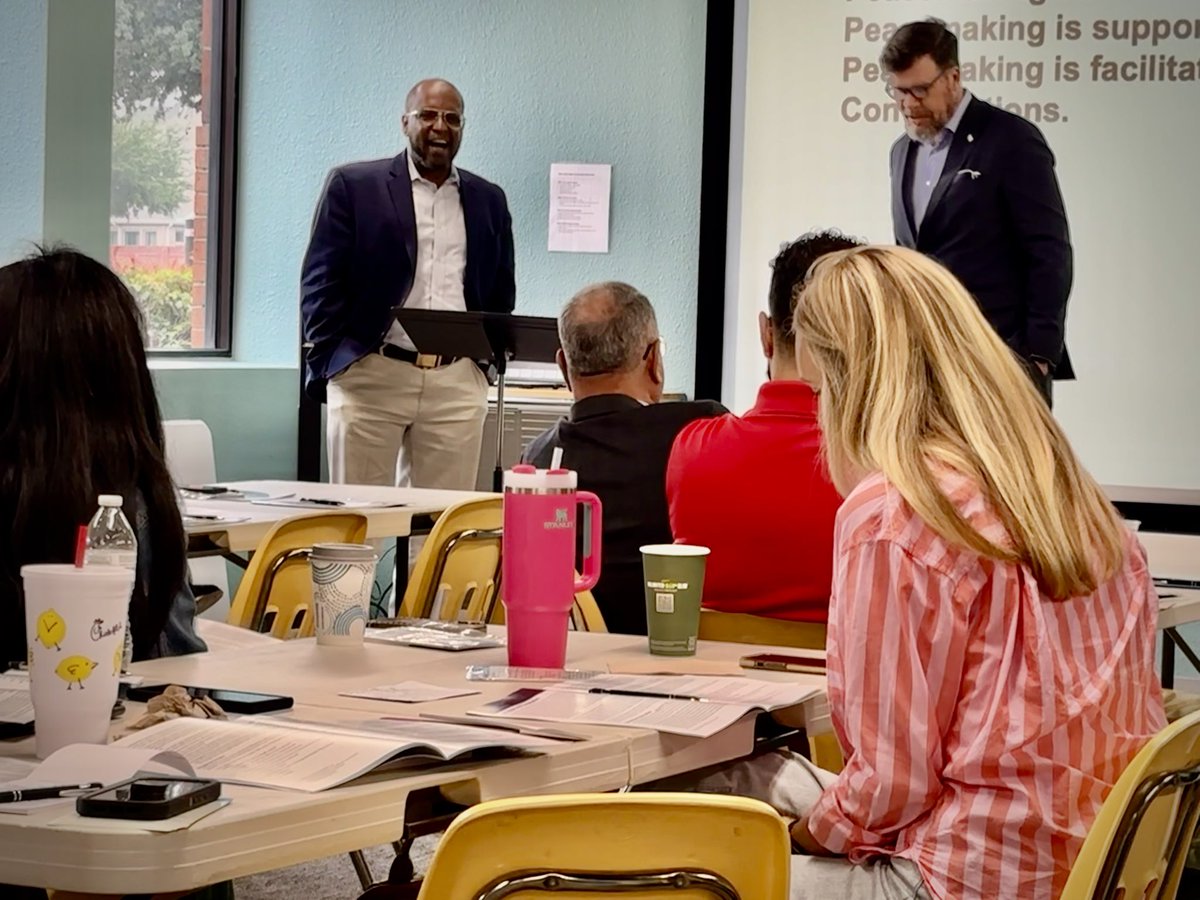
This week in Houston, leaders from across faiths are coming together for a Safety Net retreat—building meaningful relationships, strengthening multi-faith connection, and pursuing a shared purpose for our communities.
Flourishing communities are not built by accident. They are shaped over time through respect, courage, and the willingness to know one another more deeply.
How can you lead in your community with curiosity and respect?
Leaders from across faith and civic spaces are gathered in Dallas–Fort Worth for a Safety Net retreat centered on multi-faith connection, building relationships, and shared community purpose.
Communities do not become stronger by pretending differences do not exist.
They become stronger when people learn to relate across those differences with honesty, respect, and shared responsibility. That kind of work may be quiet, but it is formative.
Honored to be part of Iowa Religious Freedom Day in Des Moines this past week—where leaders like Iowa governor Kim Reynolds and our own Micah Fries discuss advancing meaningful dialogue around faith, freedom, and the common good.
https://t.co/b8K4V78ocM
“I think the biggest issue is trust. Often we start talking about issues before we build trust.”
We rush into disagreements before we���ve taken the time to know each other. But when relationships come first, it becomes easier to listen, and harder to make assumptions.